What Is Cholestasis? Causes, Symptoms, Diagnosis and Treatment

Updated: 3 days ago
Medically reviewed by Dr. Baraa Alnahhal, MD · Last reviewed: October 2026
Quick Answer: What is cholestasis?
Cholestasis is the slowing or stopping of bile flow from the liver, which can cause jaundice, pale stools, dark urine and severe itching. [1] [4] It can stem from liver problems such as hepatitis or cirrhosis, or bile duct problems such as gallstones or tumors. [1] [4] Blood tests and imaging diagnose it. [1] [4] Treatment addresses the cause, and many causes are curable or temporary. [1]
Key takeaways
Cholestasis is the slowing or stalling of bile flow from your liver through your biliary system. [1]
Bile ducts inside your liver (intrahepatic) and outside it (extrahepatic) connect your liver, gallbladder, pancreas, and small intestine. [1]
Blocked bile backs up into organs, leaks into your bloodstream, and causes inflammation — it can be temporary or ongoing. [1]
The most typical symptoms are jaundice (yellow skin and eyes), light-colored poop, and pruritus (itching with no rash). [1]
Intrahepatic causes include chronic liver disease, acute hepatitis, pregnancy, IV feeding, and many medications. [1]
Extrahepatic causes include biliary strictures, gallstones, pancreatic cysts, and bile duct tumors. [1]
Diagnosis uses blood tests, imaging (ultrasound, CT, HIDA scan, MRI), and exploratory exams like ERCP or liver biopsy. [1]
Acute causes are often fixable; chronic causes may need lifelong treatment to manage side effects. [1]
Seek immediate attention for yellowing eyes or color changes in your poop or pee — treating cholestasis early leads to better outcomes. [1]
What the research says
In cholestasis of pregnancy, stillbirth risk depends strongly on the bile acid level. In a meta-analysis of 23 studies (5,557 cases of intrahepatic cholestasis of pregnancy and 165,136 controls), stillbirth occurred in 0.83% of cases versus 0.32% of controls, a difference that was not statistically significant (OR 1.46, 95% CI 0.73–2.89). Among singleton pregnancies, stillbirth occurred in 3.44% (18 of 524) of cases with serum bile acids of 100 μmol/L or more, versus 0.13% (3 of 2,310) with levels below 40 μmol/L (HR 30.5, 95% CI 8.83–105.3). The authors note that most women have lower levels and can probably be reassured, provided bile acid testing is repeated until delivery (Ovadia et al., Lancet, 2019). [6]
Ursodiol did not reduce adverse outcomes in the largest pregnancy trial. In PITCHES, a double-blind randomized trial of 605 women with intrahepatic cholestasis of pregnancy in England and Wales, the combined outcome of perinatal death, preterm delivery or neonatal unit admission occurred in 23% of infants (74 of 322) given ursodeoxycholic acid versus 27% (85 of 318) given placebo (adjusted risk ratio 0.85, 95% CI 0.62–1.15), and the authors concluded that routine use should be reconsidered. Treatment decisions in pregnancy should be made with your obstetric team (Chappell et al., Lancet, 2019). [7]
Naltrexone may ease the itch of cholestasis, but the evidence is limited. A Cochrane review of drug treatments for itching in adults receiving palliative care (91 studies, 4,652 participants) found that, in two randomized trials of cholestatic pruritus (52 participants), naltrexone may reduce itch compared with placebo by about 2.4 points on a 0–10 cm scale (mean difference −2.42, 95% CI −3.90 to −0.94; low-certainty evidence). Rifampicin showed possible benefit, but the evidence was very uncertain, and naltrexone was one of two treatments in the review linked to multiple major adverse events; small trials limit how far the results can be generalized (Boehlke et al., Cochrane Database Syst Rev, 2023). [8]
What Is Cholestasis?
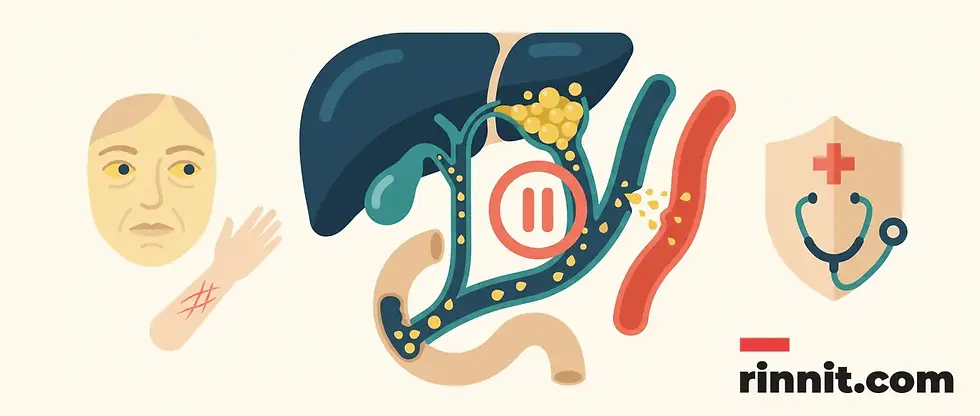
Cholestasis is the slowing or stalling of bile flow from your liver. Your liver produces bile and delivers it to your digestive system through a network of vessels called bile ducts. Bile ducts run through your liver (intrahepatic ducts) as well as outside of it (extrahepatic ducts). They connect your liver, gallbladder, pancreas, and small intestine. [1] These organs and bile ducts make up your biliary system. When bile can't flow properly through your biliary system, it affects all of these organs and vessels. Bile backs up in your bile ducts and organs, irritating the tissues and interfering with their function. Bile also begins to leak into your bloodstream, which has a toxic effect. It causes uncomfortable symptoms and, eventually, illness. Cholestasis can be a temporary problem or an ongoing and worsening one. [1]
How Does Cholestasis Affect Your Body?
In the short term, cholestasis affects the organs in your biliary system. Backed-up bile can cause inflammation in your liver, gallbladder, pancreas, or bile ducts, which may cause pain, nausea, and other symptoms. It also makes infections more likely. [1] Cholestasis affects your small intestine by depriving it of the bile it needs to break down fats in your food, which may cause symptoms of indigestion and diarrhea. As cholestasis goes on, these immediate effects can lead to longer-term consequences. Bile accumulating in your blood can cause symptoms of illness, jaundice, and severe itching. Chronic inflammation in any of your organs can lead to permanent scarring, which impairs their function. Malabsorption of fat-soluble vitamins (E, D, K, and A) can lead to malnutrition and failure to thrive in children. [1] [3]
Is Cholestasis Life-Threatening?
Cholestasis itself isn't a primary cause of death, though some of its downstream effects can be. Liver diseases that cause cholestasis can also lead to permanent liver failure. Many causes are curable or temporary, including pregnancy. However, cholestasis in pregnancy is associated with an increased risk of life-threatening complications for both the mother and the fetus. Risks include preeclampsia, premature birth, and stillbirth. [1]
Symptoms and Causes
What Is the Main Cause of Cholestasis?
Cholestasis has many causes. In general, two types of problems may be going on. It may be a problem with your liver that inhibits its ability to secrete bile into your bile ducts — this causes intrahepatic cholestasis (bile stasis inside your liver). Or it may be a problem in your bile ducts that's physically restricting the flow of bile through the ducts — this causes extrahepatic cholestasis (bile stasis in the ducts outside your liver). [1]
Type | Where the Problem Is | What Happens |
Intrahepatic cholestasis | Inside your liver | A liver problem inhibits its ability to secrete bile into your bile ducts — bile stasis inside your liver |
Extrahepatic cholestasis | In the bile ducts outside your liver | A bile duct problem physically restricts the flow of bile through the ducts — bile stasis outside your liver |
What Causes Intrahepatic Cholestasis?
Chronic liver disease. Chronic liver disease that lasts a long time can cause scarring of the liver tissues (cirrhosis), including the intrahepatic bile ducts. Scarring causes them to narrow, which restricts the flow of bile. [1] Specific diseases may also damage the cells that produce bile in more specific ways, including:
Chronic hepatitis B
Chronic hepatitis C
Autoimmune hepatitis
Alcohol-induced hepatitis
Nonalcoholic steatohepatitis
Primary biliary cholangitis
Primary sclerosing cholangitis
Progressive familial intrahepatic cholestasis
Acute hepatitis. Acute liver inflammation (from a recent, temporary condition) can cause your liver to swell, inhibiting bile flow. Various toxins and infections may also cause the cells that produce bile to malfunction. Acute causes include alcohol poisoning, toxic hepatitis, viral hepatitis, mononucleosis, HIV, cytomegalovirus (CMV), liver cancer, lymphoma, sepsis, and gallbladder infection. [1] Pregnancy. Cholestasis of pregnancy (also called obstetric cholestasis) occurs in some people during the third trimester, when estrogen levels are at their highest. High estrogen inhibits bile secretion in your liver. [1] Obstetric cholestasis goes away by itself after you've delivered your baby. [1] Total parenteral nutrition. Being fed through an IV in your vein bypasses your entire digestive system, including the hormonal signals that trigger your biliary system. If there's no food in your small intestine that needs bile to help break it down, your liver might not get the message to keep delivering bile. This can cause bile to back up in your liver. [1] Medications. Certain medications can cause bile stasis in your liver. If your liver is having trouble metabolizing these medications, they can have a toxic effect. Some of these medications include: [1]
Medication | What It's Used For |
Birth control pills | Contraception |
Anabolic steroids | — |
Amoxicillin and other penicillin antibiotics | Bacterial infections |
Azathioprine | Immunosuppressant |
Imipramine | Antidepressant |
Estradiol | Hormone replacement therapy |
Cimetidine | Stomach ulcers |
Tolbutamide | Type 2 diabetes |
Terbinafine | Antifungal |
Chlorpromazine and prochlorperazine | Antipsychotic drugs |
What Causes Extrahepatic Cholestasis?
Biliary stricture. Chronic inflammation in your bile ducts can cause scarring and narrowing of the ducts, restricting bile flow. Causes of stricture include prior surgery or injury, chronic pancreatitis, pancreatic cancer, bile duct cancer, cholangitis, and biliary atresia. [1] Bile duct obstructions. Physical obstructions may affect your bile ducts from the inside or outside, including gallstones in your common bile duct (choledocholithiasis), gallstones in your cystic duct or Hartmann's pouch (Mirizzi syndrome), pancreatic cysts and pseudocysts, and extrahepatic bile duct tumors. [1]
What Are the Symptoms of Cholestasis?
The most typical symptoms include: Jaundice. A yellow tint to your skin and in the whites of your eyes is usually one of the first signs that your liver isn't functioning properly. Jaundice is caused by the buildup of bile in your blood. [1] Specifically, the yellow comes from bilirubin, one of the ingredients in bile. Some bilirubin also comes out in your pee, which may give it a darker color. [1] Light-colored poop. You may also notice poop changes due to the absence of bile in your intestines. When bile can't flow to your intestines to help break down fats, these fats come out in your poop. Fatty stools are whitish or clay-colored. [1] Their light color comes from the absence of bilirubin, which usually makes them brown. They may also float and may be extra smelly. Pruritus. Skin itching (pruritus) is another common symptom of cholestasis. Bile-related pruritus is caused by the buildup of bile salts in your blood. [1] The bile salts (or bile acids) irritate nerves in your peripheral nervous system, causing itching. There's no rash with this type of pruritus. [1] Some people seem to be more sensitive to bile salts than others, and pruritus may be mild to severe. Some people itch more in their hands, feet, arms, or legs, and others itch all over. You may also have other symptoms related to the cause of your cholestasis, such as abdominal pain, nausea and vomiting, and fatigue. [1]

Symptom | What It Looks or Feels Like | Why It Happens |
Jaundice | Yellow tint to your skin and the whites of your eyes, often one of the first signs; darker pee | Bile (bilirubin) builds up in your blood |
Light-colored poop | Whitish or clay-colored stools that may float and smell extra strong | No bile in your intestines; bilirubin is what normally makes poop brown; fats come out in your stool |
Pruritus (itching) | Itching with no rash — mild to severe; some itch in hands, feet, arms, or legs; others itch all over | Bile salts in your blood irritate nerves in your peripheral nervous system |
Abdominal pain | Varies by cause | Backed-up bile irritates organs in your biliary system |
Nausea and vomiting | Queasy stomach, throwing up | Inflammation in your biliary organs |
Fatigue | Ongoing tiredness | Bile building up in your blood and illness effects |
Diagnosis and Tests
How Is Cholestasis Diagnosed?
Blood tests. If you have symptoms of cholestasis, your healthcare provider will begin their investigation by testing a sample of your blood. They'll look for high levels of bilirubin and bile salts. They may also see elevated levels of cholesterol and certain liver enzymes, such as gamma-glutamyl transferase (GGT) and alkaline phosphatase (ALP). These clues can tell them more about the possible causes of your condition. [1] [5] Imaging tests. If your blood tests are positive, your healthcare provider will investigate further with imaging tests that visualize your biliary system. They may begin with simple, noninvasive tests such as an abdominal ultrasound or abdominal CT scan. These can show physical obstructions in your bile ducts and swelling from inflammation in your organs, and they can indicate where the problem is coming from. [1] Depending on what they find, they may use a more specific test: a HIDA scan involves injecting a radiotracer into one of your veins before taking images, and the tracer follows the pathway bile takes through your biliary system. Sometimes healthcare providers use MRI (magnetic resonance imaging) to look more specifically at your biliary system. [1] Exploratory exams. Some causes of cholestasis may require internal exploration to find and fix them. Your healthcare provider may need to explore your bile ducts or take a liver biopsy — a sample of your liver tissue tested in the lab. Endoscopic exams look inside your body with an endoscope, a tiny camera on the end of a long tube. During an ERCP (endoscopic retrograde cholangiopancreatography), healthcare providers can find and fix problems in your bile ducts through the endoscope. [1]
Test Category | Test | What It Shows |
Blood tests | Bilirubin and bile salts | High levels indicate bile backup in your blood |
Blood tests | Cholesterol and liver enzymes (GGT, ALP) | Elevated levels point to the possible causes |
Imaging | Abdominal ultrasound | Shows physical obstructions and organ swelling |
Imaging | CT scan | Shows obstructions and inflammation-related swelling |
Imaging | HIDA scan | A radiotracer follows bile's pathway through your biliary system |
Imaging | MRI | Detailed images of your biliary system |
Exploratory | Bile duct exploration | Internal examination of the ducts |
Exploratory | Liver biopsy | A liver tissue sample tested in the lab |
Exploratory | ERCP | Finds and fixes bile duct problems through an endoscope |
Management and Treatment
How Is Cholestasis Treated?
Acute causes. Fixing cholestasis depends on fixing the underlying cause. Some causes are relatively easy to fix. Medications causing problems can be swapped for alternatives. Infections can be treated with antibiotics or antivirals. [1] Physical obstructions can be treated by endoscopic procedures, such as ERCP. Your healthcare provider can remove blockages and open up narrowed passageways with stents. [1] Chronic causes. Causes related to chronic liver diseases may be more difficult to treat. Some diseases have no known cure, and scarring of the liver tissues (cirrhosis) isn't reversible. [1] Lifestyle changes, such as diet, exercise, and avoiding alcohol, can help slow the course of many liver diseases. [1] In the meantime, your healthcare provider will focus on treating the side effects of your condition. Treatment may include:
Treatment | What It Does |
Nutrition | Dietary changes and supplements help compensate for malabsorption and vitamin deficiencies |
Ursodeoxycholic acid (ursodiol) | Usually used to dissolve gallstones; can increase bile production and mediate the effects of extra bile salts in your blood |
Naltrexone | An opioid antagonist sometimes prescribed for severe pruritus; blocks pathways to nerves irritated by bile acids — and because this pruritus isn't histamine-related, typical antihistamines don't help |
Cholestyramine | Binds cholesterol to bile salts in your intestines so more comes out in your poop and less is reabsorbed into your blood; may help with hyperlipidemia and pruritus |

When Should I Seek Medical Attention?
Cholestasis begins in your biliary system, but it has consequences for your entire body. Bile that can't flow where it needs to will cause problems where it doesn't belong. It backs up into your organs, builds up in your blood, and causes inflammation and illness. The lack of bile in your digestive system can cause long-term nutritional deficiencies that affect your bones, vision, and blood. [1] It may take time for these effects to cause noticeable symptoms. Vague abdominal discomfort or nausea might be too easy to overlook. When you begin to see signs of bile building up in your blood — yellowing in your eyes, or color changes in your poop or pee — it's time to seek immediate attention. [1] Whatever the cause, treating cholestasis sooner than later leads to better outcomes. [1]
Outlook / Prognosis
What Is the Outlook for Cholestasis?
The outlook depends on the cause, how long it has been going on, and how much scarring you have in your liver, bile ducts, or other organs. Some cases can be cured completely. Others may require lifelong treatment. [1] If you have severe irreversible damage to one of your organs, it might need to be removed or replaced. Surgery may be a cure in some cases, or it may help delay the progression of your disease. [1]
Scenario | What to Expect |
Temporary or curable causes (medications, infections, gallstones, pregnancy) | Often fixable completely; pregnancy-related cholestasis goes away after delivery |
Chronic liver disease | May require lifelong treatment; cirrhosis isn't reversible; lifestyle changes can slow the course |
Severe irreversible organ damage | The organ might need to be removed or replaced |
Surgical cases | Surgery may cure the condition or help delay disease progression |
Conclusion
Cholestasis is the slowing or stalling of bile flow through your biliary system — the network of bile ducts that carry bile from your liver to your gallbladder, pancreas, and small intestine. When bile can't flow, it backs up into your organs, leaks into your bloodstream, and triggers inflammation throughout the body. Its most recognizable signs are jaundice, light-colored stools, and pruritus — an itch with no rash caused by bile salts irritating your nerves. The condition has two broad cause families: intrahepatic (inside the liver, from chronic or acute liver disease, pregnancy hormones, IV feeding, and many common medications) and extrahepatic (in the ducts, from strictures, gallstones, cysts, and tumors). Doctors trace the cause with blood tests, imaging, and sometimes endoscopic procedures or a liver biopsy, then treat the underlying problem with procedures like ERCP and stents or manage chronic cases with nutrition support and bile-acid medications. Because many causes are curable or temporary — but chronic liver disease can cause permanent damage — seeing signs like yellowing eyes or color changes in your stool or urine should prompt immediate attention, and treating cholestasis early leads to better outcomes. Because the chain from blocked bile to body-wide symptoms is complex, clear visual guides make it far easier to grasp — which is why Rinnit's infographic templates can help you turn dense topics like this into simple, shareable graphics for patient education and family conversations.
Frequently Asked Questions
What is cholestasis?
Cholestasis is the slowing or stalling of bile flow from your liver.
What is bile?
Bile is a fluid your liver produces and delivers to your digestive system through bile ducts.
What is the biliary system?
Your liver, gallbladder, pancreas, small intestine, and the bile ducts connecting them.
What are bile ducts?
Tubes that carry bile — some run inside your liver (intrahepatic) and some outside it (extrahepatic).
Is cholestasis a disease?
It's a condition — slowed or stalled bile flow — caused by many different diseases and problems.
Can cholestasis go away on its own?
Some causes are temporary — including pregnancy-related cholestasis, which resolves after delivery — but others need treatment.
What happens when bile can't flow?
It backs up in your bile ducts and organs, irritating tissues, and leaks into your bloodstream, which has a toxic effect.
What does cholestasis do to the body short-term?
It causes inflammation in your liver, gallbladder, pancreas, or bile ducts, plus pain and nausea, makes infections more likely, and deprives your intestines of bile needed to break down fats (indigestion, diarrhea).
What happens long-term?
Bile in your blood causes jaundice and severe itching, chronic inflammation leads to permanent scarring, and fat-soluble vitamin malabsorption (E, D, K, A) can cause malnutrition and failure to thrive in children.
Is cholestasis life-threatening?
Itself, no — but its downstream effects can be, and liver diseases that cause it can lead to permanent liver failure.
What are the most typical symptoms of cholestasis?
Jaundice, light-colored poop, and pruritus (itching without a rash).
What does cholestasis jaundice look like?
A yellow tint to your skin and the whites of your eyes — usually one of the first signs.
Why does jaundice happen?
Bile builds up in your blood; the yellow color comes from bilirubin, one of the ingredients of bile.
Why is pee darker with cholestasis?
Some bilirubin comes out in your pee, giving it a darker color.
Why does poop get light-colored?
Without bile in your intestines, bilirubin can't make stool brown, and undigested fats come out in your stool.
What do cholestasis stools look like?
Whitish or clay-colored, often floating and extra smelly.
What is pruritus in cholestasis?
Skin itching caused by bile salts building up in your blood and irritating nerves in your peripheral nervous system.
Is there a rash with cholestasis itching?
No — bile-related pruritus has no rash.
Where do people itch with cholestasis?
Some itch more in their hands, feet, arms, or legs; others itch all over. Severity ranges from mild to severe.
Do antihistamines help cholestasis itching?
No — the pruritus isn't histamine-related, so typical itching relief medications don't help.
What other symptoms can cholestasis cause?
Abdominal pain, nausea, vomiting, and fatigue.
What is intrahepatic cholestasis?
Bile stasis inside your liver, caused by a problem that inhibits the liver's ability to secrete bile into the ducts.
What is extrahepatic cholestasis?
Bile stasis in the ducts outside your liver, caused by a physical restriction of bile flow.
What liver diseases cause cholestasis?
Chronic hepatitis B and C, autoimmune hepatitis, alcohol-induced hepatitis, nonalcoholic steatohepatitis, primary biliary cholangitis, primary sclerosing cholangitis, and progressive familial intrahepatic cholestasis.
How does chronic liver disease cause cholestasis?
Long-lasting disease scars liver tissue (cirrhosis), including the intrahepatic bile ducts, narrowing them and restricting bile flow.
What acute conditions cause cholestasis?
Alcohol poisoning, toxic hepatitis, viral hepatitis, mononucleosis, HIV, CMV, liver cancer, lymphoma, sepsis, and gallbladder infection.
Why does acute hepatitis cause cholestasis?
Inflammation makes the liver swell, inhibiting bile flow, and toxins or infections make bile-producing cells malfunction.
What is cholestasis of pregnancy?
Also called obstetric cholestasis — it occurs in some people during the third trimester when estrogen levels peak and inhibit bile secretion.
Does cholestasis of pregnancy go away?
Yes — it resolves by itself after you deliver the baby.
Is cholestasis of pregnancy dangerous?
It's associated with increased risk of preeclampsia, premature birth, and stillbirth for both mother and fetus.
Can IV feeding cause cholestasis?
Yes — total parenteral nutrition bypasses your digestive system, so your liver may not get the hormonal message to deliver bile, causing backup.
Which medications can cause cholestasis?
Birth control pills, anabolic steroids, amoxicillin and other penicillins, azathioprine, imipramine, estradiol, cimetidine, tolbutamide, terbinafine, and antipsychotics like chlorpromazine and prochlorperazine.
How do medications cause cholestasis?
If your liver has trouble metabolizing them, they can have a toxic effect and cause bile stasis.
What is a biliary stricture?
Scarring and narrowing of the bile ducts from chronic inflammation, restricting bile flow.
What causes biliary strictures?
Prior surgery or injury, chronic pancreatitis, pancreatic cancer, bile duct cancer, cholangitis, and biliary atresia.
What physical things can block bile ducts?
Gallstones in the common bile duct (choledocholithiasis), gallstones in the cystic duct or Hartmann's pouch (Mirizzi syndrome), pancreatic cysts and pseudocysts, and extrahepatic bile duct tumors.
How is cholestasis diagnosed?
Blood tests first, then imaging tests (ultrasound, CT, HIDA scan, MRI), and sometimes exploratory exams like bile duct exploration, liver biopsy, or ERCP.
What do blood tests look for?
High bilirubin and bile salts, elevated cholesterol, and elevated liver enzymes like GGT and ALP.
What is a HIDA scan?
An imaging test where a radiotracer injected into your vein follows the pathway bile takes through your biliary system.
What is a liver biopsy?
A sample of liver tissue tested in the lab.
What is ERCP?
Endoscopic retrograde cholangiopancreatography — an endoscopic exam that can both find and fix bile duct problems.
How is cholestasis treated?
By fixing the underlying cause: swapping problematic medications, treating infections with antibiotics or antivirals, and removing obstructions or opening narrowed passages with stents via endoscopic procedures.
What is ursodiol (ursodeoxycholic acid)?
A medication usually used to dissolve gallstones; it can help cholestasis by increasing bile production and mediating the effects of extra bile salts in your blood.
What is naltrexone used for in cholestasis?
Severe pruritus — it blocks the pathways to nerves irritated by bile acids in your blood.
What is cholestyramine?
A medication that binds cholesterol to bile salts in your intestines, so more leaves in your poop and less is reabsorbed; it may help hyperlipidemia and pruritus.
What role does nutrition play?
Dietary changes and supplements compensate for malabsorption and vitamin deficiencies.
Can lifestyle changes help?
Yes — diet, exercise, and avoiding alcohol can help slow the course of many liver diseases.
Is cirrhosis reversible?
No — scarring of the liver tissues isn't reversible.
What is the outlook for cholestasis?
It depends on the cause, how long it has been going on, and how much scarring exists. Some cases are cured completely; others need lifelong treatment.
Can surgery cure cholestasis?
In some cases, yes — or it may delay disease progression. Severe irreversible organ damage might require removal or replacement.
When should I seek immediate attention?
When you see signs of bile building up in your blood: yellowing in your eyes or color changes in your poop or pee.
Why is early treatment important?
Treating cholestasis sooner rather than later leads to better outcomes.
Can cholestasis affect children?
Yes — malabsorption can lead to malnutrition and failure to thrive in children, and causes like biliary atresia and progressive familial intrahepatic cholestasis begin early in life.
Can I prevent cholestasis?
Not all cases are preventable, but limiting alcohol, reviewing medications with your provider, and treating liver conditions early can reduce risk for some causes.
Related Reading
Bile Duct: The Essential Transport System of the Biliary Tree
Primary Biliary Cholangitis (PBC): Complete Guide to Symptoms, Causes, Diagnosis, and Treatment
Acute Liver Failure (Fulminant Hepatic Failure): Symptoms, Causes, and Emergency Treatment
Understanding the Liver Biopsy Procedure: Types, Risks, and Benefits
Itchy Skin (Pruritus): What Causes It, When to See a Doctor, and How to Get Relief
Alkaline Phosphatase (ALP) Test: Normal Range, High and Low Causes: The alkaline phosphatase (ALP) blood test often rises when bile flow slows, making it a key clue in cholestasis.
GGT Test (Gamma-Glutamyl Transferase): Normal Range, Causes of High Levels and What Results Mean explains the liver enzyme blood test used for liver, bile duct and alcohol-related problems.
References
Cleveland Clinic. Cholestasis. Cleveland Clinic. Medically reviewed; last updated December 19, 2022. https://my.clevelandclinic.org/health/diseases/24554-cholestasis
Hundt M, Basit H, John S. Physiology, Bile Secretion. In: StatPearls [Internet]. Treasure Island (FL): StatPearls Publishing; 2026 Jan-. Updated September 26, 2022. PMID 29262229. https://www.ncbi.nlm.nih.gov/books/NBK470209/
Lin HC. Cholestasis. Medscape. Updated Aug 04, 2024. https://emedicine.medscape.com/article/927624-overview
Tholey D. Cholestasis. Merck Manual Consumer Version. Full review Aug 2025; last updated Sept 2026. https://www.merckmanuals.com/home/liver-and-gallbladder-disorders/manifestations-of-liver-disease/cholestasis
National Library of Medicine. Cholestasis. MedlinePlus Medical Encyclopedia. Review date April 27, 2026; updated by Eisner T. https://medlineplus.gov/ency/article/000215.htm
Ovadia C, Seed PT, Sklavounos A, et al. Association of adverse perinatal outcomes of intrahepatic cholestasis of pregnancy with biochemical markers: results of aggregate and individual patient data meta-analyses. Lancet. 2019;393(10174):899-909. PMID: 30773280. https://doi.org/10.1016/S0140-6736(18)31877-4
Chappell LC, Bell JL, Smith A, et al. Ursodeoxycholic acid versus placebo in women with intrahepatic cholestasis of pregnancy (PITCHES): a randomised controlled trial. Lancet. 2019;394(10201):849-860. PMID: 31378395. https://doi.org/10.1016/S0140-6736(19)31270-X
Boehlke C, Joos L, Coune B, et al. Pharmacological interventions for pruritus in adult palliative care patients. Cochrane Database Syst Rev. 2023;4(4):CD008320. PMID: 37314034. https://doi.org/10.1002/14651858.CD008320.pub4
Medical disclaimer
This article is for general informational purposes only and is not a substitute for professional medical advice, diagnosis, or treatment. Always consult a qualified healthcare provider with questions about a medical condition, and seek immediate medical attention for yellowing of the eyes, dark urine, or clay-colored stools.



Comments