Understanding the Gallbladder: Storage and Digestion

Updated: 3 days ago
Medically reviewed by Dr. Baraa Alnahhal, MD · Last reviewed: October 2026
The gallbladder is a small, pear-shaped organ located beneath the liver that stores and releases bile to help digest fats. While it is not an essential organ, it plays a key role in the digestive process. Common issues include gallstones and inflammation, which are often treated through surgical removal. Most people live a normal, healthy life after the procedure by making minor dietary adjustments.
Quick Answer
The gallbladder is a small, pear-shaped organ in the upper right abdomen that stores and concentrates bile made by the liver [1]. When you eat, it contracts to release bile into the small intestine to help break down fats [1]. It is not essential for survival, but its removal requires temporary dietary changes, such as limiting greasy foods.
What the research says
Observation can be a reasonable option for some people with uncomplicated gallstone symptoms. In the C-GALL randomized trial of 434 adults with uncomplicated symptomatic gallstones, bodily-pain quality of life over 18 months was the same with laparoscopic cholecystectomy as with observation (mean difference 0.0; 95% CI −1.7 to 1.7). However, 29.5% of the observation group had surgery within 24 months, and gallstone-specific quality of life at 24 months favored surgery (mean difference 9.0; 95% CI 4.1 to 14.0) (Innes et al., Health Technology Assessment, 2024 [2]).
Higher body weight raises the risk of gallstones. In a genetic (Mendelian randomization) analysis of UK Biobank and FinnGen data covering 22,195 gallstone cases, each one-standard-deviation increase in body mass index was associated with 63% higher odds of gallstone disease (OR 1.63; 95% CI 1.49 to 1.79), and each one-standard-deviation increase in waist circumference with 81% higher odds (OR 1.81; 95% CI 1.60 to 2.05) (Yuan et al., Clinical Gastroenterology and Hepatology, 2022 [3]).
What is the anatomy and function of the gallbladder?
The gallbladder is a small but critical component of the human digestive system, measuring only a few inches in length and resembling a deflated balloon when empty. It is situated in the upper right quadrant of the abdomen, tucked securely just under the liver [1]. Its primary anatomical purpose is to serve as a reservoir for bile, a yellowish-green fluid that is continuously produced by the liver to facilitate the emulsification and absorption of fats.
The organ is intricately connected to the rest of the digestive tract through a network of tubes known as the biliary tract or biliary tree. This system allows bile to flow from the liver into the gallbladder for storage and later into the duodenum, which is the initial segment of the small intestine. When the body begins to digest food, signals cause the gallbladder to contract, squeezing the stored bile through the common bile duct to mix with the food waiting in the intestine.
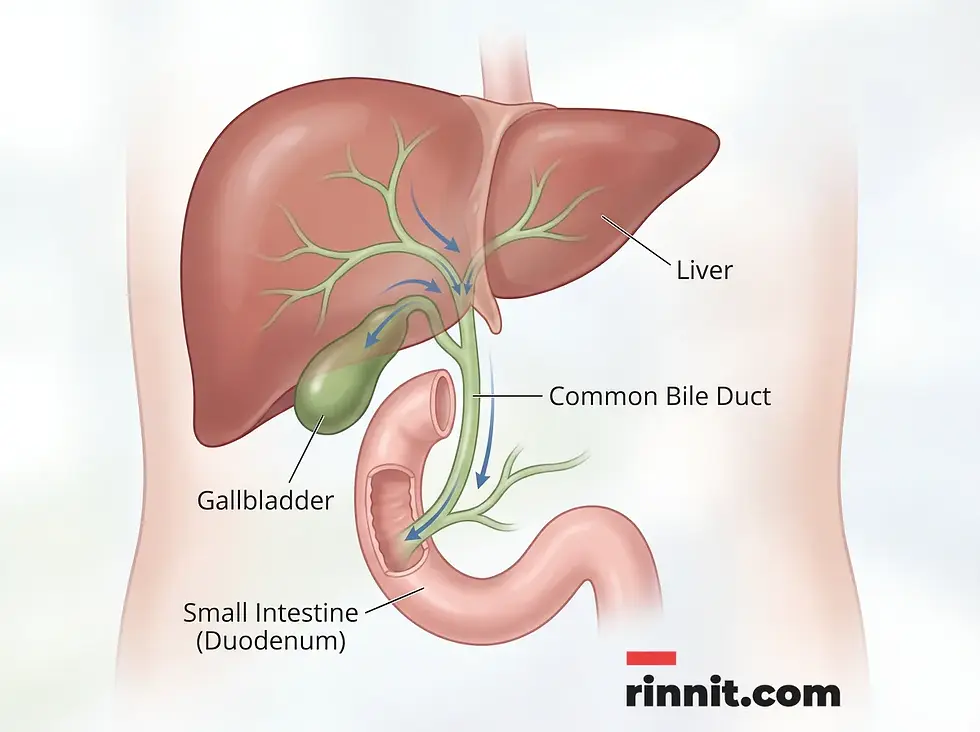
What is bile made of, and how does the gallbladder store it?
Bile is not a simple fluid; it is a complex mixture primarily composed of cholesterol, bilirubin, and bile salts. These components work together to break down large fat globules into smaller droplets that digestive enzymes can process more efficiently. Between meals, the gallbladder remains full and active, concentrating the bile to increase its potency. Once the digestive process is triggered by eating, the gallbladder empties its contents, waiting to be refilled by the liver’s continuous production.
Component | Description |
Cholesterol | A fatty substance that is a key ingredient in bile production. |
Bilirubin | A pigment formed from the breakdown of red blood cells. |
Bile Salts | Compounds that help emulsify fats in the small intestine. |
Location | Upper right abdomen, directly beneath the liver. |
Shape | Small, pear-shaped, and expandable. |
What are the common gallbladder conditions?
Common gallbladder conditions include gallstones, inflammation of the gallbladder (cholecystitis), gallstone pancreatitis and, rarely, gallbladder cancer. The most prevalent issue is the formation of gallstones, which are pebble-like deposits made of hardened bile materials. These stones can range in size from tiny grains of sand to objects as large as golf balls. While many people have gallstones without ever knowing it, problems arise when a stone blocks the flow of bile.
Inflammation and Obstruction
Cholecystitis is the medical term for inflammation of the gallbladder, a condition that often occurs when a gallstone becomes lodged in the exit of the organ [1]. This blockage prevents bile from leaving, leading to pain, fever, and potential infection. In some cases, a gallstone may travel further down the biliary tract and block the pancreatic duct, causing a painful condition known as gallstone pancreatitis. While rare, gallbladder cancer can also occur, though its symptoms often mimic more common conditions like gallstones.
What are the symptoms of gallbladder problems?
Gallbladder problems often manifest as intense pain in the upper right or middle of the abdomen. This discomfort frequently radiates to the right shoulder or back and is particularly common after consuming a fatty or greasy meal. Because the gallbladder is responsible for processing fats, a heavy meal can trigger a “gallbladder attack” as the organ struggles to release enough bile through a blocked or inflamed passage.
Abdominal Pain: Intense pain in the upper right quadrant or mid-abdomen.
Jaundice: A yellowing of the skin and the whites of the eyes due to bile buildup.
Digestive Distress: Nausea, vomiting, and bloating after eating.
Systemic Signs: Fever and chills, indicating potential inflammation or infection. Get medical care right away if you have severe belly pain, fever, or yellowing of your skin or eyes.
Changes in Waste: Dark urine or unusually light-colored stools.

How are gallbladder problems treated, and when is the gallbladder removed?
The most common treatment for recurring gallbladder issues is the surgical removal of the organ, a procedure known as a cholecystectomy. Because the gallbladder is not an essential organ, the body can adapt to its absence. After surgery, bile flows directly from the liver through the bile ducts into the small intestine, rather than being stored and concentrated first [1]. Most procedures today are performed laparoscopically, using small incisions that allow for a faster recovery and less scarring.
Surgery Type | Description |
Laparoscopic | Performed through small incisions; the most common method with fast recovery. |
Open | Uses one large incision; reserved for severe inflammation or scarring. |
Robotic | A newer, minimally invasive technique available at specialized centers. |
How can people live well without a gallbladder?
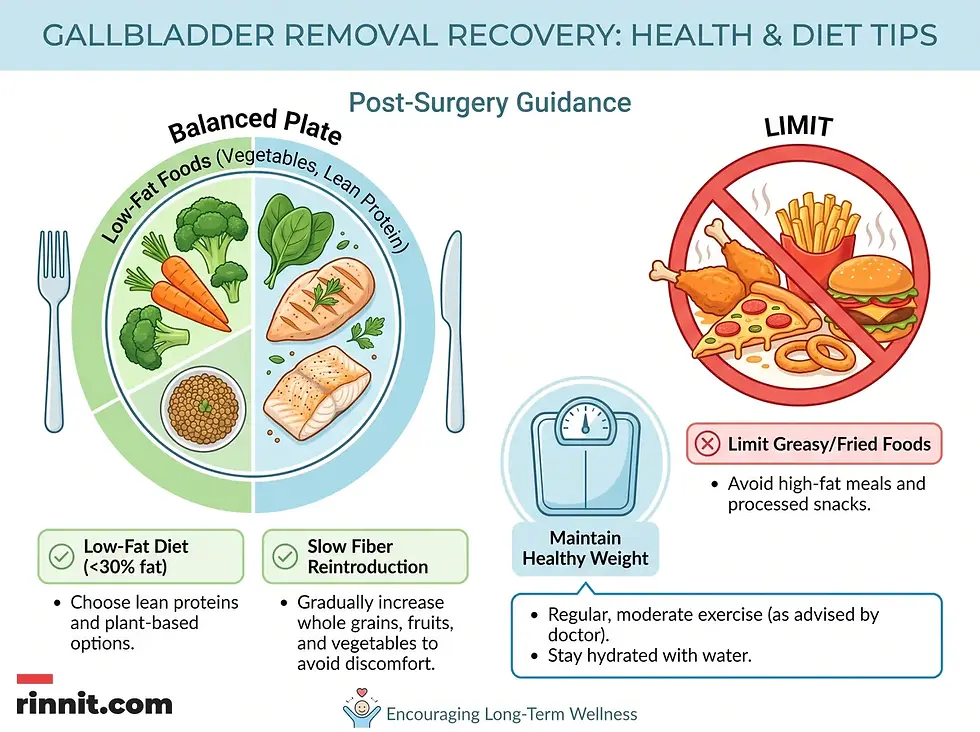
Living a healthy life after gallbladder removal is entirely possible, though it requires some initial dietary mindfulness. For the first few weeks following surgery, it is advisable to avoid fried, greasy, and high-fat foods, as the digestive system needs time to adjust to the continuous flow of bile. Most healthcare providers recommend that fat calories should make up no more than 30% of the total daily intake during the recovery period.
Gradually reintroducing high-fiber foods is also important, as eating them too quickly after surgery can cause gas and bloating. Over time, most individuals find they can return to a normal, balanced diet without significant restrictions. Maintaining a healthy weight through slow, steady weight loss can also help prevent future complications, as rapid weight loss is a known risk factor for developing gallstones [1].
Conclusion
The gallbladder plays a specialized role in the digestive system by storing and concentrating bile to help break down fats. While conditions like gallstones can cause significant pain and may lead to the removal of the organ, the body is remarkably resilient and can function effectively without it. By understanding the symptoms of gallbladder distress and following professional guidance for post-surgical care, individuals can maintain excellent digestive health and a high quality of life.
Next step: If you are experiencing persistent abdominal pain after meals or other symptoms of gallbladder distress, consult a healthcare professional for a comprehensive evaluation. Early diagnosis and a personalized care plan are essential for managing your digestive wellness effectively.
Frequently Asked Questions
What is the gallbladder?
The gallbladder is a small, pear-shaped organ located under the liver that stores and releases bile to help the body digest fats.
Is the gallbladder an essential organ?
No, the gallbladder is not an essential organ, and most people can live a normal, healthy life after it has been surgically removed.
What are gallstones?
Gallstones are pebble-like objects made of hardened bile material that can develop in the gallbladder or bile ducts, sometimes causing pain or blockages.
What causes gallbladder inflammation?
Inflammation, or cholecystitis, often occurs when a gallstone blocks the exit of the gallbladder, preventing bile from being released.
Where is the gallbladder located?
The gallbladder is situated in the upper right part of the abdomen, tucked just beneath the liver.
Can weight affect gallbladder health?
Yes, being overweight can increase the amount of cholesterol in the bile, which may lead to the formation of gallstones.
What is a cholecystectomy?
A cholecystectomy is the surgical procedure used to remove the gallbladder, often performed to treat gallstones or inflammation.
How does diet change after gallbladder removal?
Immediately after surgery, it is recommended to avoid greasy or fried foods and limit fat intake to about 30% of total calories.
What is jaundice?
Jaundice is a yellowing of the skin and eyes that can occur if gallstones block the flow of bile into the digestive system.
Does rapid weight loss cause gallstones?
Losing weight too quickly may raise the chance of forming gallstones, whereas slow, steady weight loss may help prevent them.
Related Reading
Gallbladder Disease: Symptoms, Causes, Diagnosis, Treatment and Outlook — What You Need to Know explains the most common gallbladder problems and how they are treated.
Cholecystectomy (Gallbladder Removal): Surgery, Recovery and Risks describes surgery to remove the gallbladder and what recovery involves.
Bile: The Essential Digestive Fluid for Fat Absorption explains how bile helps the body digest and absorb fat.
HIDA Scan (Hepatobiliary Scan): Purpose, Preparation, Procedure and Results covers the imaging test that checks how well the gallbladder works.
References
Cleveland Clinic. Gallbladder. Cleveland Clinic. Last updated July 28, 2021. https://my.clevelandclinic.org/health/body/21690-gallbladder
Innes K, Ahmed I, Hudson J, et al. Laparoscopic cholecystectomy versus conservative management for adults with uncomplicated symptomatic gallstones: the C-GALL RCT. Health Technology Assessment. 2024;28(26):1-151. PMID 38943314. https://doi.org/10.3310/MNBY3104
Yuan S, Gill D, Giovannucci EL, Larsson SC. Obesity, type 2 diabetes, lifestyle factors, and risk of gallstone disease: a Mendelian randomization investigation. Clinical Gastroenterology and Hepatology. 2022;20(3):e529-e537. PMID 33418132. https://doi.org/10.1016/j.cgh.2020.12.034
Medical disclaimer
The information provided in this article is for educational purposes only and should not be used as a substitute for professional medical advice, diagnosis, or treatment. Always seek the advice of your physician or other qualified health provider with any questions you may have regarding a medical condition.



Comments