Cystolitholapaxy for Bladder Stone Removal: Procedure, Recovery, Risks and Outlook

Updated: 2 days ago
Medically reviewed by Dr. Baraa Alnahhal, MD · Last reviewed: September 2026
Quick answer
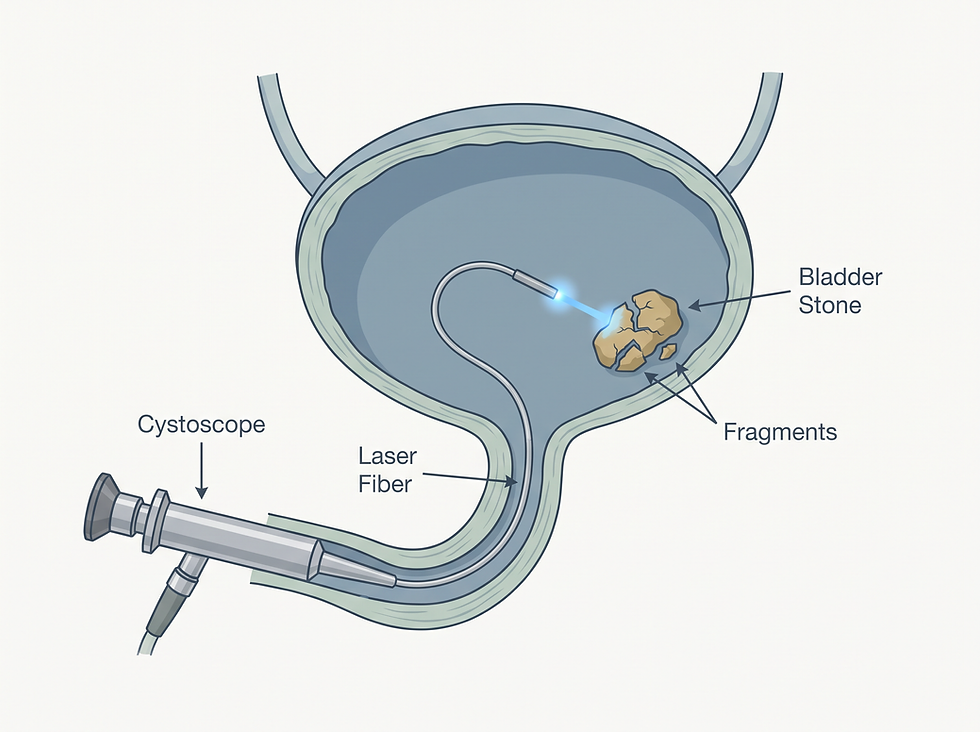
A cystolitholapaxy is a urological procedure designed to eliminate bladder stones, the hard mineral deposits that form in the bladder. During the surgery, which typically lasts 30 to 60 minutes, a surgeon uses a laser to crush the stones into small fragments. Performed under anesthesia, it is an outpatient procedure that allows patients to return home the same day, with most individuals achieving a full recovery within two weeks.
TL;DR
Cystolitholapaxy is a minimally invasive surgical procedure used to break up and remove bladder stones. By using a specialized camera called a cystoscope and a laser, surgeons can fragment stones into tiny pieces that are easily washed out of the body. This outpatient procedure offers a quick recovery time and is highly effective at preventing complications like chronic infections or organ damage.
A modern solution for bladder stones
Bladder stones are mineral deposits that can cause significant discomfort and lead to long-term health issues if left untreated. Cystolitholapaxy has emerged as the standard minimally invasive treatment for these deposits, offering a way to clear the bladder without the need for major open surgery. By using advanced imaging and laser technology, urologists can address stones of various sizes with high precision and minimal impact on surrounding tissues. (Stones that form higher up in the urinary tract are covered in our guide to kidney stones.)
The procedure is primarily performed through the urethra, meaning no external incisions are required in most cases. This approach, known as transurethral cystolitholapaxy, is favored for its ability to reduce postoperative pain and shorten the overall healing period. For patients with particularly large stones or anatomical considerations, a percutaneous approach may be used, involving a small incision in the lower abdomen to provide direct access to the bladder.
The surgical process and preparation
Preparing for a cystolitholapaxy involves several standard medical steps to ensure patient safety. Urologists typically advise patients to fast after midnight on the night before the surgery and may request that certain medications be temporarily paused. Because the procedure is performed under either local or general anesthesia, patients must also arrange for a responsible adult to drive them home following their discharge from the outpatient facility.
During the actual procedure, which generally takes less than an hour, the surgeon inserts a cystoscope, a thin tube equipped with a camera, to locate the stones. Once identified, a tiny laser or ultrasound device is used to break the stones into fragments small enough to be flushed out with fluids. This systematic approach ensures that the bladder is thoroughly cleared, significantly reducing the likelihood of immediate stone recurrence.
Types of cystolitholapaxy compared
Feature | Transurethral approach | Percutaneous suprapubic |
Primary use | Standard cases / most adults | Children / very large stones |
Access point | Through the urethra | Small abdominal incision |
Invasiveness | Minimally invasive | Slightly more invasive |
Recovery time | Very quick | Quick |
Anesthesia | Local or general | Usually general |
Recovery and postoperative care
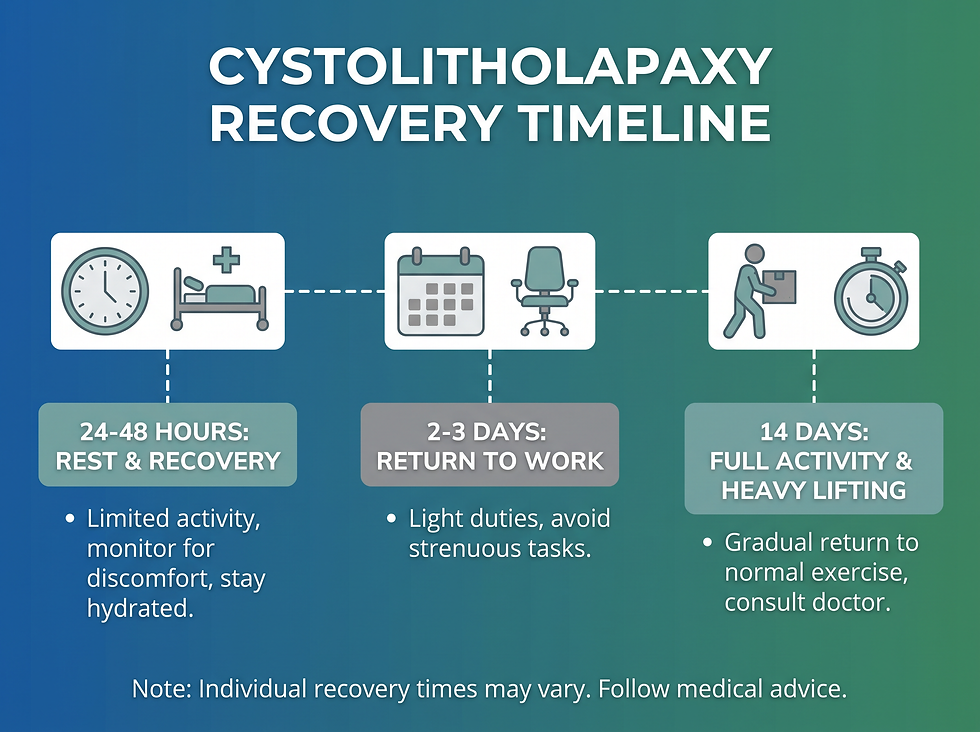
Recovery from a cystolitholapaxy is typically rapid, with most patients returning to their normal activities within a few days. In the first 72 hours, it is common to experience a burning sensation during urination or to notice small amounts of blood in the urine. These symptoms are a normal part of the healing process and generally subside quickly. Drinking plenty of water is essential during this time to help flush the bladder and prevent potential infections.
While the procedure is highly effective, patients are advised to follow specific activity restrictions for about two weeks. This includes avoiding strenuous exercise and refraining from lifting objects heavier than 10 pounds. Walking is encouraged to promote circulation and prevent blood clots, but it should be done at a comfortable pace. Urologists may also prescribe a short course of antibiotics to minimize the risk of a urinary tract infection, which is the most common minor complication following the surgery.
Long-term outlook and prevention
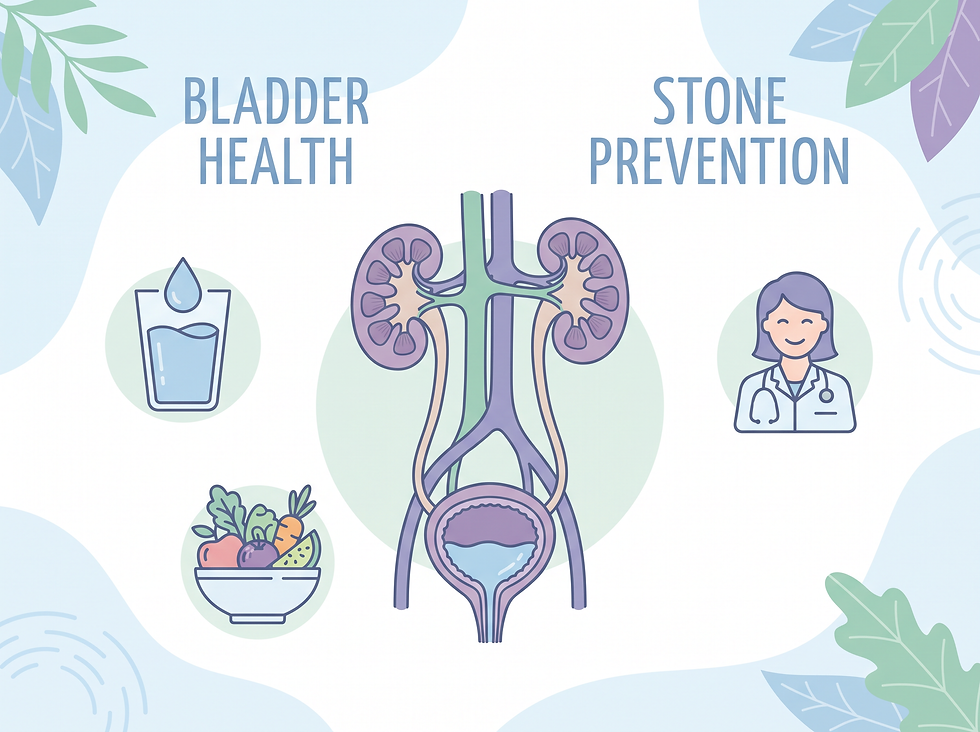
The long-term success of a cystolitholapaxy depends largely on addressing the underlying conditions that caused the stones to form initially. Without managing factors such as dehydration or bladder outlet obstruction, new stones may develop over time. Follow-up appointments, which usually occur one to two weeks after the procedure, allow the healthcare team to monitor healing and discuss strategies for preventing future mineral deposits.
For most individuals, the outlook following a cystolitholapaxy is excellent. The removal of stones not only alleviates immediate symptoms like pain and frequent urination but also protects the bladder and kidneys from permanent damage. By adhering to the recommended follow-up schedule and staying hydrated, patients can maintain a healthy urinary system and avoid the complications associated with untreated bladder stones.
Post-surgery warning signs
Symptom | Significance | Action |
Severe pain | May indicate a blockage | Call your provider immediately |
Fever above 101°F | Possible infection | Seek medical attention |
Inability to pee | Urgent clinical concern | Contact your urologist or the ER |
Heavy bleeding | Excessive tissue trauma | Seek immediate care |
Conclusion
Cystolitholapaxy represents a significant advancement in urological care, providing a safe and efficient method for bladder stone removal. Its minimally invasive nature, combined with a high success rate and rapid recovery, makes it an ideal choice for patients seeking relief from the symptoms of mineral deposits. Through proper preparation, careful recovery, and proactive long-term management, individuals can achieve lasting bladder health.
Consult your urologist: if you are experiencing symptoms of bladder stones, such as persistent pain or changes in urination, consult a urologist to discuss your treatment options. They can determine if a cystolitholapaxy is the most appropriate path forward for your specific health needs.
Frequently asked questions
What is a cystolitholapaxy?
It is a surgical procedure to break up and remove stones from the bladder using a laser and a cystoscope.
Is the procedure painful?
No. It is performed under anesthesia, so you will not feel pain during the surgery.
How long does the surgery take?
The procedure typically lasts between 30 and 60 minutes.
Will I have to stay in the hospital?
No. It is an outpatient procedure, meaning you can usually go home the same day.
What is the difference between this and a cystoscopy?
A cystoscopy is a diagnostic exam to look inside the bladder, while a cystolitholapaxy is a treatment to remove stones.
How are the stones broken up?
Surgeons use a tiny laser or ultrasound device to crush the stones into small pieces.
Are there different types of this procedure?
Yes. The two main types are transurethral (through the urethra) and percutaneous (through a small abdominal incision).
What is the recovery time?
Most people achieve a full recovery within two weeks, though they can return to work or school in 2 to 3 days.
Can I drive home after surgery?
No. Because of the anesthesia, you must arrange for someone else to drive you home.
Is it normal to see blood in my urine afterward?
Yes. A small amount of blood or minor clots is normal for the first few days after the procedure.
Do I need a catheter after the surgery?
Some patients may require a temporary catheter for up to a week to help the bladder heal.
What are the common risks?
The most common complication is a urinary tract infection (UTI), which occurs in about 1 in 10 patients.
Can bladder stones come back?
Yes. They can return if the underlying cause of the stones is not addressed.
What should I avoid during recovery?
Avoid strenuous exercise and lifting more than 10 pounds for at least two weeks.
When should I call my doctor?
Call your provider if you have a high fever, severe pain, or are unable to urinate.
Disclaimer: The information provided is for educational purposes only and should not be used as a substitute for professional medical advice, diagnosis, or treatment. Always seek the advice of your physician or other qualified health provider with any questions you may have regarding a medical condition.
Health information, not medical advice. This article is for general education and is not a substitute for professional diagnosis or treatment. Always consult a qualified healthcare provider about your own health, and seek emergency care for urgent symptoms.
Comments