What Is Aspiration? Symptoms, Causes, and Treatment

Updated: 3 days ago
Medically reviewed by Dr. Baraa Alnahhal, MD · Last reviewed: October 2026
Quick Answer: What is aspiration?
Aspiration is when something other than air, such as food, water or stomach acid, enters the airways, often described as going down the wrong pipe. Usually the body coughs out small amounts with only minor irritation. It becomes dangerous when a larger amount enters the lungs, cannot be coughed out or happens silently, leading to aspiration pneumonia or airway blockage. [1]
Key Takeaways
Aspiration is any non-air substance — food, liquid, stomach acid, vomit, mucus, or a foreign object — entering the airways. [1]
The epiglottis, a cartilage flap, normally closes over the vocal cords when you swallow to protect the airways; failure of this flap causes aspiration. [1]
Most mild episodes are cleared by coughing, but larger amounts can cause aspiration pneumonia, lung abscess, ARDS, or even asphyxiation. [1]
Risk is higher with sedatives (including opioids and alcohol), stroke, Parkinson's disease, neuromuscular disorders, GERD, and anatomical differences like a tracheoesophageal fistula. [1]
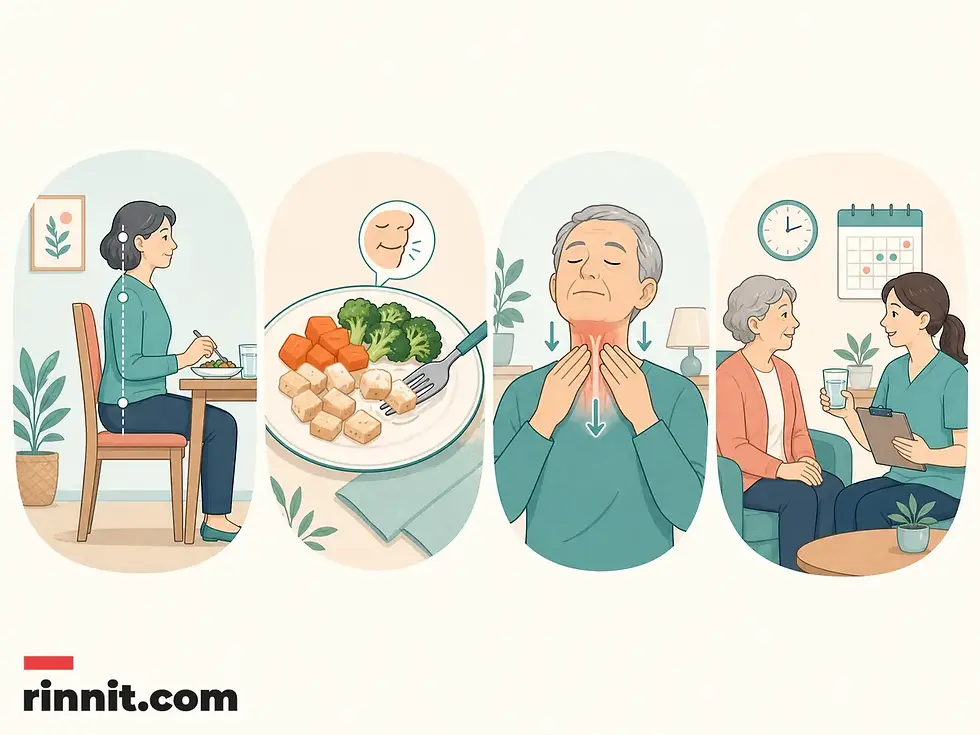
Prevention is possible: sit upright when eating, stay upright for an hour after meals, cut food small, chew well, and learn swallowing techniques from a speech therapist. [1]
What the research says
Swallowing problems are common after stroke, and aspiration sharply raises pneumonia risk. In a systematic review of 24 studies, dysphagia was found in 37–45% of stroke patients with cursory screening, 51–55% with clinical testing, and 64–78% with instrumental testing; pneumonia risk was about 3 times higher with dysphagia (RR 3.17; 95% CI 2.07–4.87) and about 11.6 times higher with confirmed aspiration (RR 11.56; 95% CI 3.36–39.77) (Martino et al., Stroke, 2005). [5]
Swallowing therapy may lower the chance of chest infection. A Cochrane review of 41 trials (2,660 participants) found that swallowing therapy may reduce the incidence of chest infection or pneumonia (OR 0.36; 95% CI 0.16–0.78; 9 studies, 618 participants), although the evidence was rated very low quality (Bath et al., Cochrane Database Syst Rev, 2018). [6]
A simple bedside swallow screen can flag people at risk early. In a systematic review of 8 studies, the Gugging Swallowing Screen had a pooled sensitivity of 0.97 (95% CI 0.93–0.99) and a pooled specificity of 0.67 (95% CI 0.59–0.74), and early nurse-led screening reduced pneumonia compared with the control group (p=0.004) (Park et al., Int J Nurs Stud, 2020). [7]

What Is Aspiration?
Aspiration is when something other than air gets into your airways. Often, it is something you meant to swallow or that belongs in your digestive tract — food, water or other liquid, stomach acid, vomit, mucus or saliva from your mouth or throat, or even a foreign object. [1]
We often talk about aspiration as something "going down the wrong pipe." In most situations, it might cause minor irritation while you cough out the wayward food or water. But in some cases, it can cause you to choke, restrict your breathing, or cause an infection. [1]
Why Do We Have Two Tubes in Our Throat?
You have two tubes that run down your neck and chest — one for food (your esophagus) and one for air (your larynx and trachea, or windpipe). They join in your throat (pharynx). Most of the time, the path from your nose or mouth is open from your throat to your airways and down to your lungs, so you can breathe. But when you swallow, your epiglottis covers your airways so food and liquids go down your esophagus instead of your windpipe. [1]
What Are the Symptoms of Aspiration?
Symptoms of aspiration include coughing, a feeling that something is stuck in your throat, noisy breathing such as stridor or wheezing, shortness of breath or difficulty breathing, bluish skin, lips, fingertips, or nails, trouble swallowing, and fever. [1]
Symptom | Medical Term | What It Looks Like |
Coughing | Cough | Sudden fits, especially during or right after eating |
Feeling something stuck | Throat irritation | Persistent sensation in the throat |
Noisy breathing | Stridor or wheezing | High-pitched or whistling breath sounds |
Shortness of breath | Dyspnea | Difficulty breathing or breathlessness |
Bluish skin, lips, or nails | Cyanosis | Blue or purple tint to skin, lips, fingertips |
Trouble swallowing | Dysphagia | Difficulty moving food or liquid down |
Fever | Fever | Elevated body temperature, often a sign of infection |

What Causes Aspiration?
Anytime your epiglottis — a piece of cartilage that works like a lid closing over your vocal cords when you swallow — fails to protect your airways, you can aspirate. Conditions that reduce your cough or gag reflex can also cause aspiration. These reflexes protect you when something makes it past your epiglottis and into your airways. [1]
Sometimes the epiglottis simply does not move in time to protect your airways. If your body cannot clear a substance out of your airways — for instance, by coughing or clearing your throat — it can get stuck or cause an infection. [1]
What Are the Risk Factors for Aspiration?
Most of us experience moments where we accidentally aspirate something — maybe you took a sip of water just as something surprised you, or small crumbs trickled down the wrong way. But some medical conditions and medications can increase your risk:
Risk Factor | How It Raises Aspiration Risk |
Sedatives | Prescription and non-prescription drugs and alcohol cause sleepiness or a lowered level of consciousness; opioids are a common example. |
Central nervous system conditions | Stroke, brain tumors, and Parkinson's disease reduce the natural reflexes that keep you from aspirating. |
Neuromuscular disorders | Myasthenia gravis and Guillain-Barré syndrome prevent muscles from responding the way they should to prevent aspiration. |
GERD and GI motility disorders | GERD (acid reflux) and achalasia allow acid to back up into the esophagus, where it can spill into the airways. |
Anatomical differences | Structural differences in the airways or esophagus, such as a tracheoesophageal fistula, make it easier for substances to go the wrong way. |
Medical devices | Nasogastric (NG) tubes can interfere with the epiglottis working properly. |
Newborns are also at risk of meconium aspiration syndrome, in which they breathe in thick, sticky meconium just before or during birth. [1]
What Are the Complications of Aspiration?
If your body cannot clear out something you aspirated, it can cause serious complications, including aspiration pneumonia, lung abscess, acute respiratory distress syndrome (ARDS), collapsed lung (pneumothorax), air in the space between your lungs and chest wall (pneumomediastinum), inflammation in your lungs (pneumonitis), and asphyxiation — when airway blockages or large amounts of fluid deprive your body of oxygen. [1]
Severe complications are more likely if you aspirate without realizing it (silent aspiration) or if you have a lowered level of consciousness — for instance, if you throw up while under the influence of alcohol, sedative medications, or non-prescription drugs. [1]
How Is Aspiration Diagnosed?
Depending on your symptoms and whether you remember aspirating something, a provider might diagnose aspiration or its complications with a chest X-ray or CT scan, bronchoscopy, or a sputum culture. [1]
If you think you have aspirated something, or if you have a condition that makes it more likely you could aspirate without knowing it, let your provider know.
How Is Aspiration Treated?
Providers treat aspiration by removing the food or other substance if possible — sometimes during a bronchoscopy. If you are choking and need emergency treatment, they may use the Heimlich maneuver or other techniques to force the material out. [1]
Providers can also open your airways and treat complications with supplemental oxygen, bronchodilators, and antibiotics. You might need ongoing treatment for the underlying conditions that put you at higher risk. You likely will not need treatment at all if you cough up something you aspirated and do not have any underlying medical conditions. [1]
Can Aspiration Clear Up on Its Own?
Your body can clear small amounts of liquid and particles from your lungs and airways. It does this by trapping particles in mucus and using hair-like structures called cilia to push them out. Your body can also break down and absorb the material. [1]
But larger amounts of food, liquid, or other substances can grow bacteria and cause infections — especially if you have a compromised immune system. Aspirated stomach acid can damage your airways over time. [1]
Can You Prevent Aspiration?
You can reduce your risk for aspiration by managing underlying conditions and taking steps to make food more likely to go the right way when eating and drinking. A speech therapist (speech-language pathologist) can help you with specific techniques to reduce your risk. Some common recommendations include:
Prevention Strategy | How It Helps |
Sit upright when eating or drinking | Gravity guides food down the esophagus instead of the airway. |
Stay upright for an hour after eating | Remaining at least at a 45-degree angle reduces backflow risk. |
Cut food into bite-sized pieces | Smaller pieces are easier to swallow and clear. |
Chew well before swallowing | Thorough chewing reduces choking risk. |
Effortful swallowing techniques | Swallowing forcefully uses throat muscles to push foods and liquids down. |
When Should You Seek Emergency Care?
Call 911 or seek emergency medical attention if you cannot swallow normally, are short of breath or feel like you cannot breathe, have skin, lips, or nails that are blue or purple, have chest pain, or think food or an object is stuck in your throat or airway. [1]
What Questions Should I Ask My Doctor?
It might be helpful to ask your healthcare provider: What caused this? How can I reduce my risk for aspiration? What symptoms should I look out for? [1]
Conclusion: Most of the Time, Your Body Handles It — But Risk Should Never Be Ignored
Most of us have experienced something "going down the wrong pipe" and not thought much about it. Most of the time, your body will force out or absorb small particles or liquid. But in certain situations — or with underlying medical conditions — aspiration can be dangerous.
The practical takeaway: know your risk. If you take sedatives, live with a neurological or neuromuscular condition, or manage severe reflux, talk to a healthcare provider about prevention before problems start. Simple habits — sitting upright for meals, staying upright afterward, cutting food small, and learning swallowing techniques from a speech therapist — go a long way. And if aspiration ever brings choking, breathing trouble, bluish skin, or chest pain, seek emergency care immediately.
If you or a loved one aspirate frequently, don't wait for a serious complication. Talk with a healthcare provider about evaluation, treatment of underlying causes, and swallowing therapy. For more clear, verified health information, explore the rest of Rinnit.com — start with our guides on coughing and difficulty swallowing.
Want to share this information visually? Rinnit.com's health infographic templates make it easy to turn articles like this one into shareable visuals for your website, newsletter, or social channels.
FAQ
What is aspiration?
Aspiration is when something other than air enters your airways — most often something meant to be in your stomach or digestive tract, such as food, water, stomach acid, vomit, mucus, saliva, or a foreign object. It is commonly called "going down the wrong pipe." [1]
What causes aspiration?
Aspiration happens when the epiglottis — the cartilage flap that closes over your vocal cords when you swallow — fails to protect your airways, or when your cough and gag reflexes are reduced and cannot clear material that gets in. Anything that interferes with swallowing coordination or throat protection raises the risk. [1]
Is aspiration the same as choking?
Not exactly. Choking is when an airway blockage physically prevents breathing. Aspiration is when material enters the airways — it may or may not block them. Aspiration can lead to choking, but it can also cause infection or irritation even when breathing is not blocked.
What are the warning signs of aspiration?
Warning signs include coughing during or after eating or drinking, a feeling that something is stuck in your throat, noisy breathing (stridor or wheezing), shortness of breath, bluish lips, fingertips, or nails, trouble swallowing, and fever. Fever can signal that aspirated material has caused an infection.
What are the risk factors for aspiration?
Major risk factors include sedatives (opioids, alcohol, sleep medications), central nervous system conditions like stroke, brain tumors, and Parkinson's disease, neuromuscular disorders such as myasthenia gravis and Guillain-Barré syndrome, GERD and GI motility disorders like achalasia, anatomical differences such as a tracheoesophageal fistula, and medical devices like NG tubes. Newborns can also experience meconium aspiration at birth. [1]
Can aspiration cause pneumonia?
Yes. If your body cannot clear aspirated material, bacteria can grow and cause aspiration pneumonia. Other serious complications include lung abscess, acute respiratory distress syndrome (ARDS), collapsed lung, lung inflammation (pneumonitis), and asphyxiation from airway blockage. [1]
What is silent aspiration?
Silent aspiration is when you aspirate without realizing it and without coughing. It carries higher risk for severe complications because the body is not warning you and the material is not being cleared. It is more likely with a lowered level of consciousness, such as when vomiting under the influence of alcohol or sedatives.
Can aspiration clear up on its own?
Your body can clear small amounts on its own by trapping particles in mucus, pushing them out with cilia (hair-like structures), and breaking down and absorbing the material. Larger amounts — especially in people with weakened immune systems — can grow bacteria and cause infections, and stomach acid can damage the airways over time. [1]
How is aspiration treated?
Treatment focuses on removing the substance (sometimes during bronchoscopy), emergency techniques like the Heimlich maneuver if choking, and supporting the airways with supplemental oxygen, bronchodilators, and antibiotics for complications. Ongoing treatment may address the underlying condition causing the aspiration risk. [1]
How do you prevent aspiration?
Sit upright when eating and drinking, and stay upright (at least a 45-degree angle) for an hour afterward. Cut food into bite-sized pieces, chew thoroughly, and practice effortful swallowing techniques taught by a speech-language pathologist. Managing underlying conditions such as GERD, neurological disorders, and medication side effects also reduces risk. [1]
When should I go to the ER for aspiration?
Call 911 or seek emergency care if you cannot swallow normally, are short of breath or feel like you cannot breathe, have blue or purple skin, lips, or nails, have chest pain, or suspect food or an object is stuck in your throat or airway. [1]
Sources
Cleveland Clinic. Aspiration. Cleveland Clinic Health Library. Last updated March 3, 2025. https://my.clevelandclinic.org/health/diseases/aspiration
Cleveland Clinic. Aspiration Pneumonia. Cleveland Clinic Health Library. Last updated December 6, 2024. https://my.clevelandclinic.org/health/diseases/21954-aspiration-pneumonia
Cleveland Clinic. Heimlich Maneuver. Cleveland Clinic Health Library. Last updated February 13, 2024. https://my.clevelandclinic.org/health/treatments/21675-heimlich-maneuver
Cleveland Clinic. Speech-Language Pathologist. Cleveland Clinic Health Library. Last updated March 27, 2025. https://my.clevelandclinic.org/health/articles/24602-speech-language-pathologist
Martino R, Foley N, Bhogal S, et al. Dysphagia after stroke: incidence, diagnosis, and pulmonary complications. Stroke. 2005;36(12):2756-2763. PMID 16269630. https://doi.org/10.1161/01.STR.0000190056.76543.eb
Bath PM, Lee HS, Everton LF. Swallowing therapy for dysphagia in acute and subacute stroke. Cochrane Database Syst Rev. 2018;10(10):CD000323. PMID 30376602. https://doi.org/10.1002/14651858.CD000323.pub3
Park KD, Kim TH, Lee SH. The Gugging Swallowing Screen in dysphagia screening for patients with stroke: a systematic review. Int J Nurs Stud. 2020;107:103588. PMID 32408200. https://doi.org/10.1016/j.ijnurstu.2020.103588
Related Reading
Disclaimer: This article is for informational purposes only and is not medical advice. Always consult a qualified healthcare provider for diagnosis and treatment decisions.
Videofluoroscopic Swallowing Study (VFSS): Modified Barium Swallow explains the video X-ray test that shows how you swallow.



Comments