Sedatives: A Complete Guide to Uses, Types, and Safety

Updated: 3 days ago
Medically reviewed by Dr. Baraa Alnahhal, MD · Last reviewed: October 2026
Sedatives are prescription medications that slow brain activity to treat anxiety, insomnia, and seizures, or to provide anesthesia [1]. While effective for relaxation and medical procedures, they carry a high risk of addiction and misuse. Understanding the different types—such as benzodiazepines and barbiturates—and their levels of sedation is crucial for safe use under professional medical guidance.
Quick Answer
Sedatives are prescription medications that slow central nervous system activity by boosting the effects of GABA in the brain [1]. They are mainly used to treat anxiety, sleep disorders and seizures and for sedation during procedures [1]. They can cause drowsiness and slowed breathing, and because they are habit-forming and can be addictive, they require careful medical supervision [1].
What the research says
Combining a benzodiazepine with an opioid raises overdose risk. In a retrospective analysis of 315,428 privately insured US adults who filled an opioid prescription, the share also using a benzodiazepine rose from 9% in 2001 to 17% in 2013. Concurrent use was associated with higher odds of an emergency room visit or hospital admission for opioid overdose (adjusted odds ratio 2.14, 95% CI 2.05–2.24) than opioid use without a benzodiazepine (Sun et al., BMJ, 2017 [2]).
"Z-drugs" are not risk-free for older adults. A systematic review and meta-analysis of 14 observational studies found that Z-drug use was associated with a higher risk of fractures (odds ratio 1.63, 95% CI 1.42–1.87; 830,877 participants). The increase in falls (odds ratio 2.40, 95% CI 0.92–6.27) was not statistically significant, and the authors cautioned that the studies were observational and susceptible to confounding (Treves et al., Age and Ageing, 2018 [3]).

What are sedatives, and how do they work?
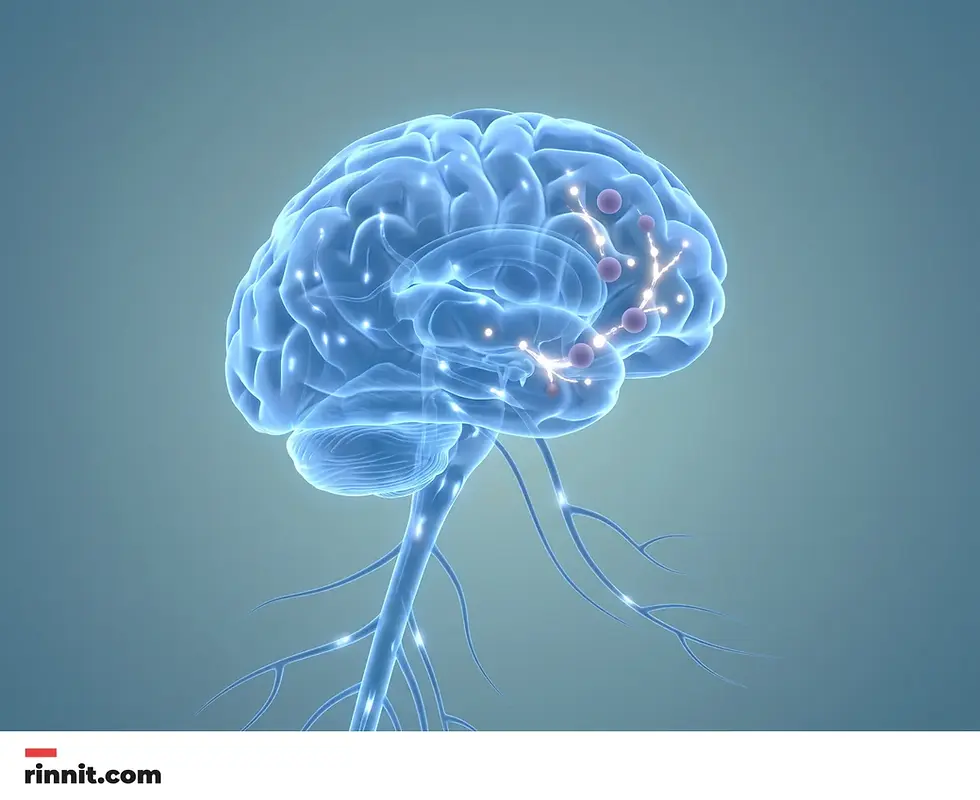
Sedatives encompass any prescription medication that depresses the central nervous system, which includes the brain and spinal cord [1]. These drugs vary significantly in their potency and duration of action [1]. By slowing down nerve communications, sedatives induce a state of calmness and relaxation, making them essential tools in both clinical settings and long-term therapeutic management.
The effects of sedatives are wide-ranging and depend on the specific medication and dosage administered. Common experiences include a profound sense of relaxation, decreased anxiety, and a reduced intensity of physical sensations such as pain or touch. However, they can also lead to side effects like drowsiness, shallow breathing, and slowed heart rate [1]. In some cases, sedatives may even cause temporary interruptions in memory or decreased muscle function [1].
What are the common types of sedatives?
Healthcare providers categorize sedatives into several distinct groups based on their chemical structure and how they interact with the brain. Each type serves specific medical purposes, from managing chronic anxiety to inducing sleep or preventing life-threatening seizures.
Sedative Type | Primary Uses | Common Examples |
Benzodiazepines | Anxiety, insomnia, seizures | Alprazolam, Diazepam, Triazolam |
Barbiturates | Anesthesia, seizures, severe insomnia | Methohexital, Phenobarbital |
Hypnotics (Z-drugs) | Insomnia and sleep disorders | Eszopiclone, Zolpidem, Zaleplon |
Miscellaneous | Specific sleep regulation | Ramelteon, Suvorexant |
Benzodiazepines are currently the most frequently prescribed group, often used for their effectiveness in managing acute anxiety and sleep onset [1]. Barbiturates, while powerful, are now primarily reserved for anesthesia and specific seizure disorders due to their higher risk profile. The newer "Z-drugs" are specifically designed to mimic hypnotic effects with a focus on treating insomnia while attempting to minimize some traditional sedative side effects.
How do sedatives produce different levels of medical sedation?
In medical environments, sedation refers to a controlled state of relaxation or sleepiness induced for procedures or surgeries. This is often called "twilight sedation" or monitored anesthesia care [1]. Unlike general anesthesia, which causes a complete loss of consciousness, medical sedation exists on a spectrum of awareness.

Healthcare providers select the appropriate level of sedation based on the complexity of the procedure and the patient's needs:
Minimal Sedation: The patient remains awake and relaxed, able to follow directions and answer questions easily [1].
Moderate Sedation: Often called conscious sedation, this level makes the patient feel very drowsy. They may fall asleep and might not remember parts of the procedure afterward [1].
Deep Sedation: The patient falls into a deep sleep but is not fully unconscious [1]. They typically have no memory of the procedure.
What are the risks of sedatives, and how can they be used safely?
Sedatives offer real therapeutic benefits but are classified as high-risk medications because of their potential for addiction and misuse. They can be habit-forming even when taken as directed, which is why healthcare providers prescribe them with extreme caution [1]. Misuse can lead to severe consequences, including substance use disorder and life-threatening overdose [1].
Short-term side effects often include dizziness, blurred vision, and difficulty focusing [1]. Long-term use or high doses can result in more serious issues such as chronic fatigue, depression, and significant memory impairment. It is vital to discuss your full medical history and any other substances you use—including alcohol or marijuana—with your provider, as these can dangerously amplify the effects of sedatives [1].
Conclusion
Sedatives are powerful medical tools that offer relief for millions of people struggling with anxiety, sleep disorders, and the stress of medical procedures. However, their potency requires a high level of responsibility from both the provider and the patient. By following medical instructions precisely and maintaining open communication with your healthcare team, you can maximize the benefits of these medications while minimizing their inherent risks.
Next step: If you believe you may benefit from a sedative or have concerns about your current medication, schedule a consultation with your primary care provider to discuss a safe and effective treatment plan.
Frequently Asked Questions
What is the difference between a sedative and anesthesia?
Sedation involves a decrease in awareness and response to external stimuli, resulting in calmness and relaxation. General anesthesia is a controlled, reversible loss of consciousness that includes sedation, pain relief, amnesia, and temporary muscle paralysis.
Are sedatives addictive?
Yes, sedatives have a high potential for addiction and can be habit-forming. Because they can lead to substance use disorder, they must be taken exactly as prescribed by a healthcare provider. Benzodiazepines carry an FDA boxed warning: do not stop them suddenly after regular use, because withdrawal can cause seizures, and do not combine them with opioids unless your provider directs it, because together they can slow or stop breathing.
Can I drive after taking a sedative?
Generally, you should not drive or operate heavy machinery while under the influence of a sedative. These medications cause drowsiness, dizziness, and difficulty focusing, which significantly impair your ability to safely control a vehicle.
What happens if I mix sedatives with alcohol?
Mixing sedatives with alcohol is extremely dangerous. Both substances depress the central nervous system, and combining them can lead to severe respiratory depression, unconsciousness, and even death.
How long do the effects of sedatives last?
The duration of action varies considerably depending on the specific drug and dosage. Some sedatives are short-acting and wear off within a few hours, while others can have lingering effects for 24 hours or longer.
Can sedatives be used for children?
Yes, healthcare providers may use sedatives for children, particularly to help them remain still during medical procedures or to manage specific conditions like seizures, but this is always done under strict medical supervision.
What are "Z-drugs"?
"Z-drugs" are a class of nonbenzodiazepine hypnotics, such as Zolpidem and Eszopiclone. They work similarly to benzodiazepines but are primarily used to treat insomnia and sleep-related disorders. They carry an FDA boxed warning for complex sleep behaviors, such as sleepwalking or driving while not fully awake, which have caused serious injuries; stop the drug and call your provider if this happens.
Do sedatives affect memory?
Yes, sedatives can cause interruptions in memory. At higher levels of sedation, patients often have little to no memory of the medical procedures performed while they were sedated.
What is "twilight sedation"?
Twilight sedation is another term for moderate medical sedation. It induces a state where the patient is very relaxed and drowsy but can still respond to simple commands, often with no memory of the event afterward.
Can sedatives treat bipolar disorder?
Yes, healthcare providers sometimes prescribe specific sedatives as part of a treatment plan for bipolar disorder to help manage certain symptoms, though they are usually not the primary treatment.
Related Reading
Benzodiazepines (Benzos): Uses, Side Effects and Risks explains a common sedative class, its uses and risks.
Sleeping Pills: Types, How They Work and Side Effects covers prescription and over-the-counter sleep aids and their risks.
Respiratory Depression: Symptoms, Causes, and Management explains dangerously slow breathing, a key sedative risk.
Anesthesia Essentials: A Guide to Types, Safety, and Recovery describes types of anesthesia and sedation used for procedures.
References
Cleveland Clinic. Sedative. Cleveland Clinic. Last updated March 21, 2023. https://my.clevelandclinic.org/health/treatments/24880-sedative
Sun EC, Dixit A, Humphreys K, et al. Association between concurrent use of prescription opioids and benzodiazepines and overdose: retrospective analysis. BMJ. 2017;356:j760. PMID 28292769. https://doi.org/10.1136/bmj.j760
Treves N, Perlman A, Kolenberg Geron L, et al. Z-drugs and risk for falls and fractures in older adults—a systematic review and meta-analysis. Age and Ageing. 2018;47(2):201-208. PMID 29077902. https://doi.org/10.1093/ageing/afx167
Medical disclaimer
The information provided in this article is for educational purposes only and should not be used as a substitute for professional medical advice, diagnosis, or treatment. Always seek the advice of your physician or other qualified health provider with any questions you may have regarding a medical condition.



Comments