Anesthesia Essentials: A Guide to Types, Safety, and Recovery

Updated: 1 hour ago
Medically reviewed by Dr. Baraa Alnahhal, MD · Last reviewed: September 2026
TL;DR
Anesthesia is a medical treatment that uses specialized medications to prevent pain during surgical procedures. It ranges from local numbing of small areas to general anesthesia, which induces temporary unconsciousness for invasive surgeries. While generally safe, it requires careful preparation, such as fasting and medication adjustments, and involves a recovery period where certain activities like driving must be avoided for 24 hours.
Quick Answer
Anesthesia works by using anesthetic medications to block sensory signals from nerves to the brain, effectively preventing the sensation of pain during medical procedures. There are four primary types: local anesthesia for small areas, sedation for relaxation, regional anesthesia for larger body sections, and general anesthesia for complete unconsciousness. Most patients recover from temporary side effects within 24 hours, though adherence to pre-operative fasting and post-operative safety guidelines is essential for a successful outcome.
Overview of Anesthesia
Anesthesia is a cornerstone of modern medicine, enabling complex and life-saving procedures by effectively managing pain. By utilizing specific medications known as anesthetics, healthcare providers can temporarily interrupt the transmission of pain signals from the peripheral nerves to the brain's sensory centers. This intervention allows patients to undergo everything from minor skin biopsies to major organ surgeries without experiencing the associated physical trauma.
The choice of anesthesia depends heavily on the nature of the procedure, the patient's health history, and the required level of consciousness. For minor treatments, a simple numbing agent may suffice, while more invasive operations require a coordinated team of specialists to manage the patient's vital functions and depth of sleep. Understanding the different modalities and the rigorous safety protocols involved can help alleviate common anxieties associated with surgical care.
Types of Anesthesia
Modern anesthesia is categorized into four main types, each serving a specific clinical purpose. These ranges allow medical teams to tailor the level of pain relief and sedation to the specific needs of the patient and the complexity of the surgery.
Local: Numbs a small, specific section of the body. Common uses: biopsies, cataract surgery, dental work. The patient is fully awake and alert.
Sedation: Induces a relaxed, "twilight sleep" state. Common uses: colonoscopies, wisdom teeth removal. The patient is drowsy and may drift in and out of sleep.
Regional: Blocks pain in a large area (for example, the lower body). Common uses: childbirth (epidural), limb surgeries. The patient is awake, often combined with sedation.
General: Induces temporary, controlled unconsciousness. Common uses: heart, brain, or abdominal surgeries. The patient is completely unconscious and unaware of pain.
Preparing for Anesthesia
Safety during anesthesia begins long before the patient enters the operating room. Rigorous preparation is necessary to minimize the risk of complications and ensure that the anesthetic medications interact predictably with the body's systems. Patients are typically required to provide a comprehensive list of all medications, vitamins, and herbal supplements, as many substances can interfere with anesthesia or increase bleeding risks.
Key preparatory steps often include fasting for at least eight hours prior to the procedure to prevent aspiration. Additionally, lifestyle adjustments such as stopping smoking at least 24 hours before surgery can significantly improve heart and lung function during recovery. Specialized instructions regarding blood pressure medications and the cessation of certain supplements are provided by the anesthesia team to create the safest possible environment for the patient.
The Recovery Process
The effects of anesthesia typically begin to fade shortly after the procedure is completed, but the body requires time to fully metabolize the medications. For those receiving local anesthesia, recovery is often immediate, allowing a return to normal activities. However, patients who undergo sedation, regional, or general anesthesia must follow strict post-operative guidelines to ensure their safety as the drugs leave their system.
Driving (24 hours): Impaired coordination and reaction time.
Alcohol (24 hours): Dangerous interaction with residual anesthetics.
Legal decisions (24 hours): Potential for clouded judgment or memory gaps.
Operating machinery (24 hours): Risk of injury due to lingering drowsiness.
Safety and Potential Risks
While millions of people receive anesthesia safely every year, it is a significant medical intervention that carries inherent risks. Most side effects, such as nausea, chills, or a sore throat, are temporary and resolve within a day. More serious complications, although rare, can include anesthetic awareness, nerve damage, or malignant hyperthermia, a rare inherited reaction characterized by a rapid rise in body temperature and muscle contractions.
Healthcare providers mitigate these risks through continuous monitoring of vital signs, including heart rate, blood pressure, and oxygen levels. Certain factors, such as advanced age, obesity, smoking, or underlying conditions like sleep apnea and heart disease, may increase the likelihood of complications. Open communication with the anesthesiology team regarding personal and family medical history is the most effective way to ensure a safe anesthetic experience.

Figure 1: A conceptual representation of the anesthesia process, highlighting the monitoring of vital signs and the administration of anesthetic agents to ensure patient safety.

Figure 2: A visual guide comparing local, regional, and general anesthesia, illustrating the areas of the body affected and the typical level of consciousness for each.
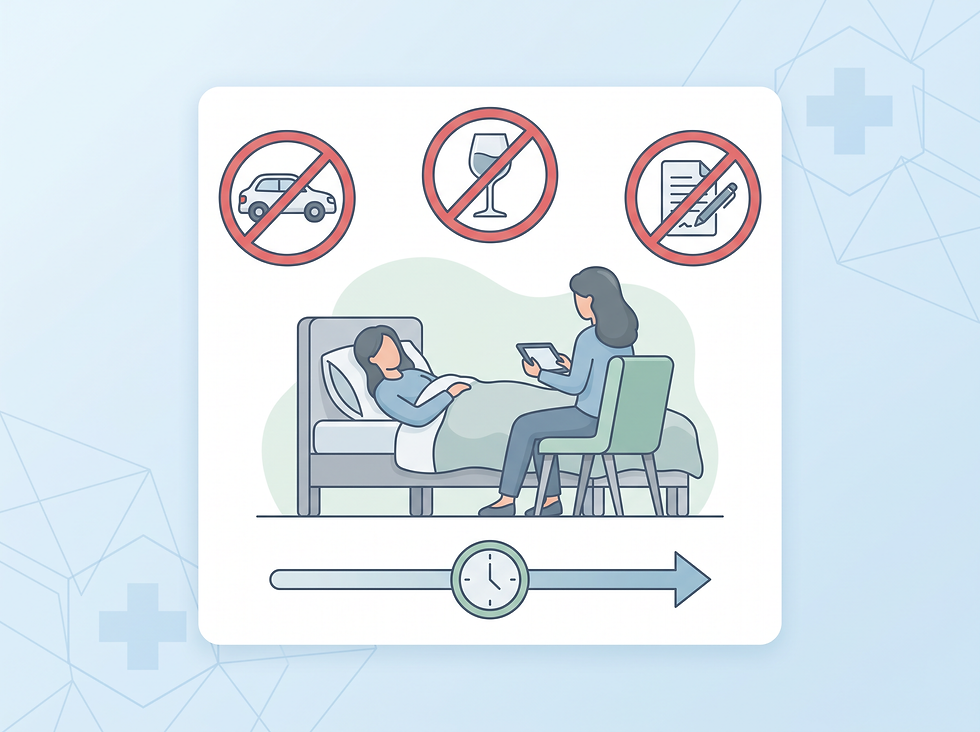
Figure 3: An infographic outlining the essential 24-hour safety restrictions and common recovery steps following the administration of anesthesia.
Frequently Asked Questions
1. What exactly is anesthesia? It is the use of medications to temporarily block pain signals, allowing patients to undergo medical procedures comfortably.
2. Is anesthesia safe? Yes, it is generally very safe, with millions of successful administrations each year, though it does carry some risks that are managed by specialists.
3. Can I eat before my surgery? Most providers require fasting for at least eight hours to prevent complications like aspiration while under anesthesia.
4. How long does it take to wake up? For general anesthesia, patients usually begin to wake up within minutes after the medication is stopped, though full alertness takes longer.
5. Will I remember anything? With general anesthesia and deep sedation, most patients have no memory of the procedure itself.
6. Does anesthesia cause nausea? Nausea and vomiting are common but temporary side effects that can often be managed with anti-nausea medication.
7. What is "twilight sleep"? This refers to sedation, where you are relaxed and sleepy but not completely unconscious.
8. Can I drive myself home? No, if you received sedation, regional, or general anesthesia, you must have a responsible adult drive you home.
9. Why do I have a sore throat? This is often caused by the breathing tube used during general anesthesia and typically resolves within a day or two.
10. What is an anesthesiologist? A physician who specializes in administering anesthesia and monitoring vital signs during and after surgery.
11. Are there risks for older adults? Older patients may be more prone to postoperative delirium, a temporary state of confusion following surgery.
12. What if I have a family history of anesthesia problems? It is crucial to inform your team, as some rare reactions like malignant hyperthermia are inherited.
13. Can I smoke before my procedure? It is recommended to stop smoking at least 24 hours before surgery to improve heart and lung outcomes.
14. How long do side effects last? Most common side effects like fatigue or headaches fade within 24 hours.
15. Can I take my regular medications? You must consult your provider; some medications are continued with a sip of water, while others must be stopped.
Conclusion
Anesthesia is an essential component of modern surgical care, providing a safe and effective means of pain management. By understanding the different types of anesthesia and adhering to professional preparation and recovery guidelines, patients can approach their procedures with greater confidence. The continuous advancements in monitoring technology and anesthetic pharmacology further ensure that patient safety remains the highest priority throughout the surgical journey.
Next Steps
If you are scheduled for a procedure involving anesthesia, ensure you have a detailed consultation with your surgical team. Prepare a full list of your current medications and health conditions, and arrange for a support person to assist with your transportation and home care during the initial 24-hour recovery period. Following all pre-operative instructions precisely is the best way to support a smooth and safe experience.
References
Medical disclaimer: The information provided in this article is for educational purposes only and should not be construed as medical advice. Always seek the counsel of a qualified healthcare professional regarding any medical condition or treatment.
Comments