PFO Closure: Procedure, Benefits, and Recovery

Updated: 2 days ago
Medically reviewed by Dr. Baraa Alnahhal, MD · Last reviewed: September 2026
TL;DR
A PFO closure is a minimally invasive procedure used to plug a small opening between the heart's upper chambers. Utilizing a permanent medical device, this treatment is often recommended to reduce the risk of recurrent strokes or address other health concerns. Recovery is typically rapid, with most patients returning to normal activities within a week.
Quick Answer
PFO closure is a medical procedure used to seal a patent foramen ovale, a hole between the heart's upper chambers that didn't close after birth. A specialist uses a catheter to place a permanent device across the opening, preventing abnormal blood flow and reducing stroke risk. Most procedures take one to two hours, followed by a brief hospital stay and a structured recovery period at home.
Understanding PFO Closure
The heart is divided into four chambers, with the upper two known as the atria. In a developing fetus, an opening called the foramen ovale allows blood to bypass the lungs. While this hole typically seals shortly after birth, it remains open in approximately 25% of the population, a condition known as a patent foramen ovale (PFO). While most people with a PFO never experience symptoms, for some, the opening can allow blood clots or unfiltered blood to move from the right side of the heart to the left, potentially leading to serious complications. To learn more about the condition itself, see our guide to Patent Foramen Ovale (PFO).
A PFO closure is a procedure aimed at permanently sealing this opening. In most cases, this is achieved through a catheter-based approach, which is significantly less invasive than traditional open-heart surgery. A permanent device, often made of a nickel-titanium alloy and synthetic material, is positioned to straddle the hole. Over the course of three to six months, the body's own tissue grows over the device, making it a permanent part of the heart wall.
Feature | Description |
Procedure Type | Minimally invasive catheterization |
Device Material | Nickel-titanium alloy with synthetic fabric |
Tissue Integration | Complete within 3 to 6 months |
Typical Duration | 1 to 2 hours |
Indications for Treatment
Not everyone with a PFO requires a closure procedure. Healthcare providers typically recommend this intervention for individuals who have experienced specific health issues or are at a high risk for future complications. The primary goal is often to prevent the recurrence of "cryptogenic" strokes, which are strokes with no other identifiable cause.
The following table outlines the common reasons why a provider might recommend a PFO closure:
Indication | Description |
Recurrent TIAs | Multiple "mini-strokes" or transient ischemic attacks. |
Cryptogenic Stroke | Strokes occurring without a clearly defined source. |
Blood Oxygen Levels | Persistent low levels of oxygen in the bloodstream. |
Migraines | Chronic, severe headaches associated with the PFO. |
Decompression Sickness | Increased risk for divers due to gas bubbles crossing the PFO. |
Blood Clot Risk | Documented clots traveling through the heart opening. |
The Procedure: What to Expect
Preparation for a PFO closure involves several diagnostic tests to ensure the heart is healthy enough for the procedure and to determine the exact size of the opening. Common pre-operative tests include a chest X-ray, an electrocardiogram (EKG), and specialized blood work. Patients are also typically started on blood-thinning medications like aspirin or clopidogrel several days before the scheduled intervention.
During the procedure, the patient is usually given a local anesthetic to numb the groin area, though intravenous sedation or general anesthesia may be used depending on the specific case. A small incision is made in the inner thigh, and a catheter is carefully advanced through a large vein into the heart. Using advanced imaging techniques like angiography and ultrasound, the surgical team measures the hole and positions the closure device precisely. Once the device is securely in place and its position is verified, the catheter is removed.
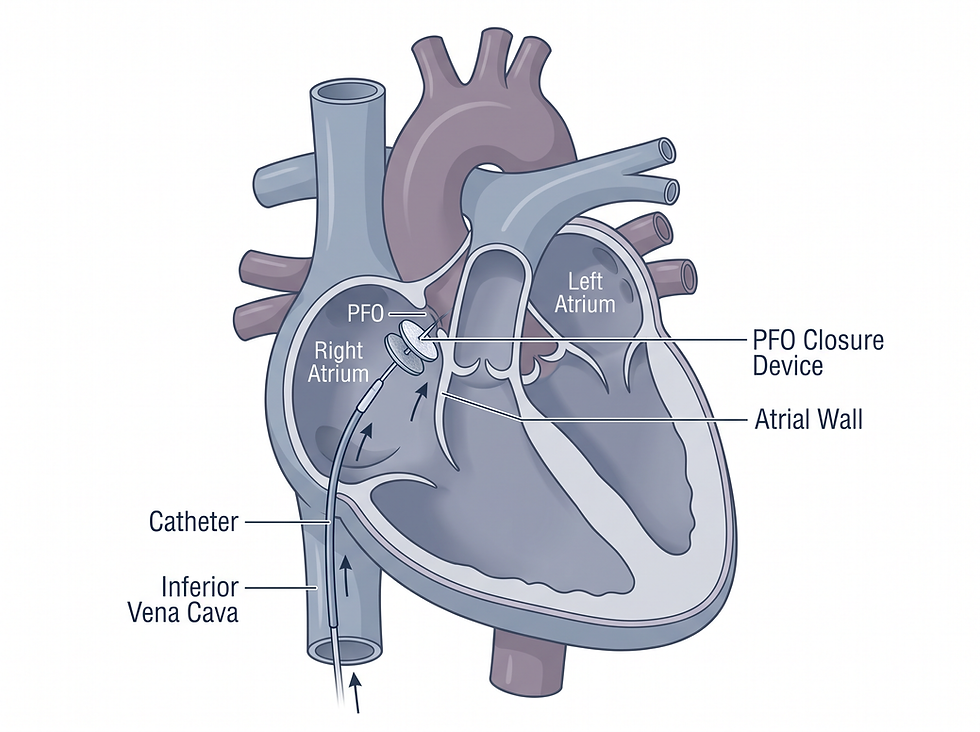
Figure 1: An overview of the catheter-based PFO closure procedure.
Recovery and Postoperative Care
Immediately following the procedure, patients must remain in bed for approximately six hours to allow the incision site to begin healing. While some patients may be discharged the same evening, many stay overnight for observation. Before leaving the hospital, follow-up tests such as an EKG and an echocardiogram are performed to confirm the device remains in the correct position.
At home, recovery is focused on gradual activity and medication adherence. Patients must take blood-thinning medications for at least six months to prevent clots from forming on the new device while heart tissue grows over it. Additionally, antibiotics may be required before certain medical or dental procedures for up to six months to prevent infection of the heart lining (endocarditis).
Activity | Typical Timeline |
Walking | Immediate (avoid brisk walking initially) |
Driving | Wait at least 2 days |
Lifting >10 lbs | Avoid for 1 week |
Strenuous Exercise | Wait at least 1 month |
Lifting >20 lbs | Avoid for 1 month |
Risks and Long-Term Outcomes
While PFO closure is considered a safe and highly successful procedure with an implantation success rate of approximately 96%, it does carry some potential risks. The most common complication is the development of an abnormal heart rhythm, such as atrial fibrillation (Afib), which occurs in a small percentage of patients. Other risks include minor pain at the incision site, device migration, or very rarely, more serious issues like cardiac tamponade.
Long-term outcomes for patients who undergo PFO closure are generally very positive. Research indicates that for individuals who have had a cryptogenic stroke, combining PFO closure with blood-thinning medication can reduce the risk of a future stroke by at least 45% compared to using medication alone. Regular follow-up appointments at one month, six months, and one year are essential to monitor the device and overall heart health.
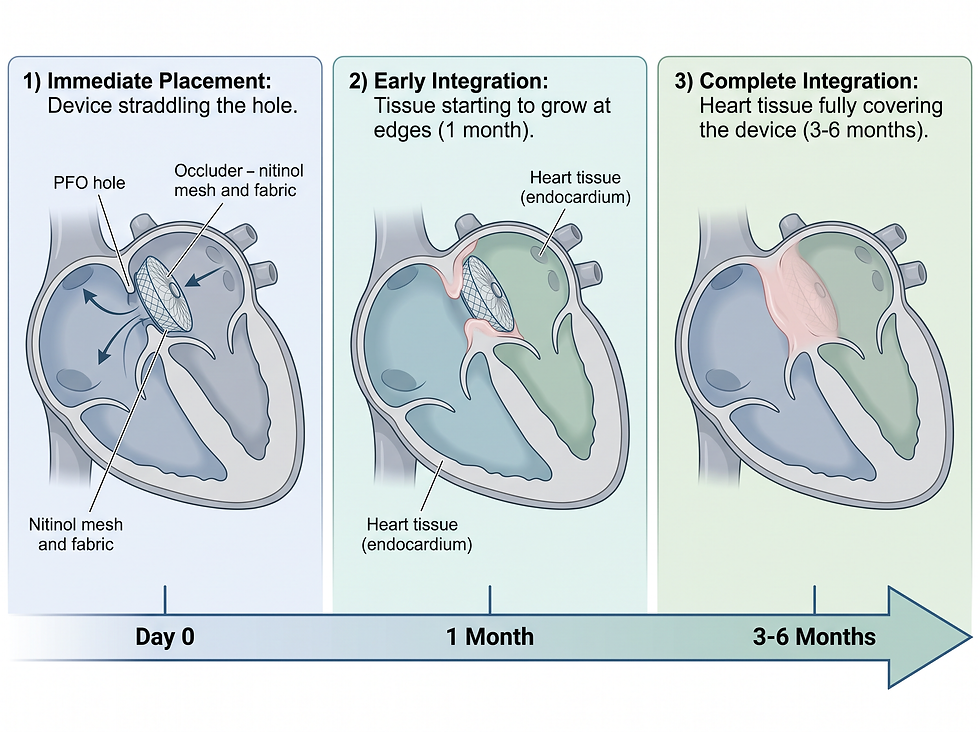
Figure 2: The timeline of tissue growth and device integration following PFO closure.
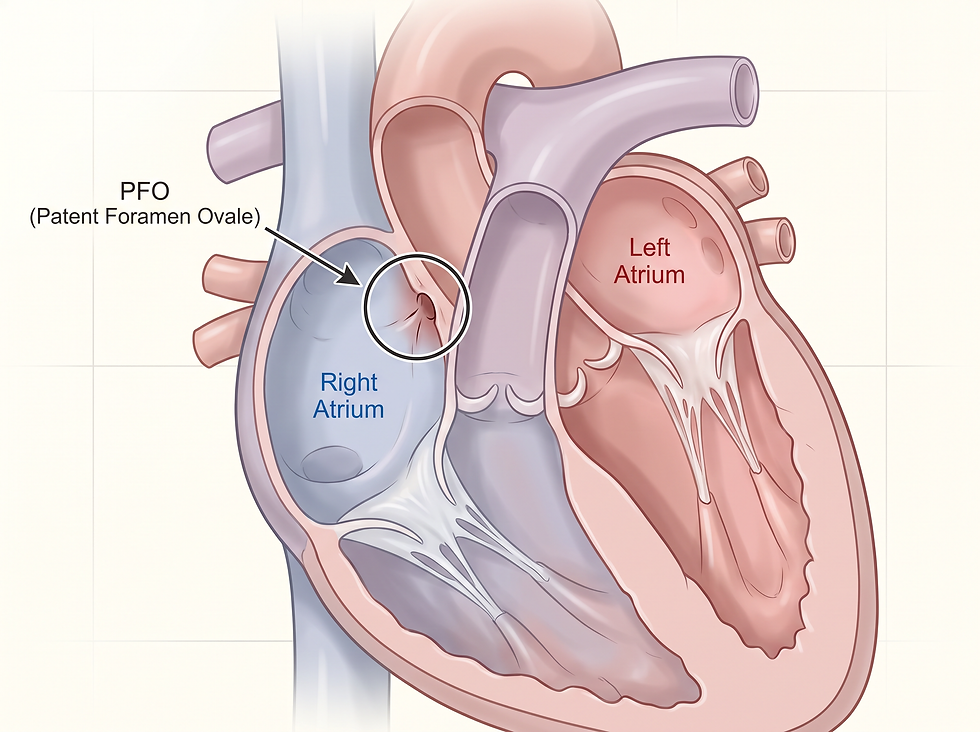
Figure 3: A clinical diagram showing the location of a PFO within the heart's atrial wall.
Conclusion
PFO closure is a transformative procedure for individuals at risk of stroke due to a persistent opening in the heart wall. By utilizing minimally invasive techniques and advanced medical devices, this intervention provides a permanent solution that significantly improves long-term health outcomes. While it requires a period of careful recovery and medication management, the majority of patients return to their normal lives with a substantially reduced risk of future cardiovascular events.
Next Steps
If you have been diagnosed with a PFO or have experienced an unexplained stroke, consider the following actions to manage your heart health:
Consult with a cardiologist to determine if you are a candidate for a closure procedure.
Review your current medications and discuss any necessary adjustments with your healthcare team.
Schedule all recommended pre-operative tests to ensure a safe and effective procedure.
Plan for home support during the first few days of recovery following your discharge.
Frequently Asked Questions
1. How long does a PFO closure procedure take?
The procedure typically takes between one and two hours to complete.
2. Is PFO closure considered major surgery?
No, it is a minimally invasive catheter-based procedure, which is much less intensive than open-heart surgery.
3. Will I be awake during the procedure?
Most patients receive a local anesthetic and sedation, though general anesthesia is sometimes used.
4. How long is the hospital stay?
Most patients go home either the same evening or the following morning.
5. Can I feel the device in my heart?
No, once the device is placed, you will not be able to feel it.
6. How successful is the procedure?
Clinical studies show a success rate of approximately 96% for device implantation without serious complications.
7. What are the most common risks?
The most frequent risk is a temporary abnormal heart rhythm, such as atrial fibrillation.
8. When can I return to work?
Most patients can return to regular activities, including work, within one week.
9. Do I need to take medications after the procedure?
Yes, blood-thinning medications are required for at least six months.
10. Why do I need antibiotics for dental work?
Antibiotics prevent infection of the heart lining while your tissue grows over the device.
11. How long does it take for the device to be covered by tissue?
It typically takes three to six months for heart tissue to completely cover the device.
12. Is the device permanent?
Yes, the PFO closure device is designed to stay in your heart for the rest of your life.
13. Can a PFO reopen after closure?
Once the device is integrated into the heart wall, the opening is permanently sealed.
14. What happens if my PFO is very large?
If the opening is larger than 25 millimeters, traditional surgery may be required instead of a catheter.
15. Does PFO closure cure migraines?
While some patients report relief, the procedure is primarily performed to prevent strokes.
Further Reading
Medical Disclaimer: This content is for informational purposes only and does not constitute medical advice. Always seek the advice of your physician or other qualified health provider with any questions you may have regarding a medical condition or surgical procedure.
Source Date: January 25, 2024
Comments