Gastric Bypass Surgery: A Comprehensive Guide to Weight Loss and Recovery

Updated: 3 days ago
Medically reviewed by Dr. Baraa Alnahhal, MD · Last reviewed: October 2026
Quick Answer: What is gastric bypass surgery?
Gastric bypass surgery is a bariatric procedure that shrinks the stomach to about the size of an egg and connects it directly to the middle of the small intestine. [1] This rerouting limits calorie absorption and triggers metabolic changes that suppress hunger. It is generally considered for adults with a BMI over 35, or over 30 with weight-related health issues. [1]
What the research says
Bariatric surgery is linked to longer survival. A meta-analysis of 174,772 participants found that metabolic-bariatric surgery was associated with a 49.2% lower rate of death from any cause (95% CI 46.3–51.9) and a median life expectancy 6.1 years longer than usual care, with a larger benefit in people with diabetes (9.3 years) than without (5.1 years). Gastric bypass, banding, and sleeve gastrectomy did not differ significantly in this effect (Syn et al., Lancet, 2021). [2]
Gastric bypass beat sleeve gastrectomy for weight loss and blood pressure at 10 years. In a randomized trial of 240 patients, median excess weight loss at 10 years was 50.7% after Roux-en-Y gastric bypass versus 43.5% after sleeve gastrectomy, hypertension remission was 24% versus 8%, and esophagitis was less common after bypass (7% versus 31%), while diabetes remission did not differ significantly (33% versus 26%) (Salminen et al., JAMA Surg, 2022). [3]
Diabetes remission is common but not guaranteed. In a double-blind trial of 114 adults with Type 2 diabetes, 5-year remission occurred in 47% (25 of 53) after banded Roux-en-Y gastric bypass versus 33% (18 of 55) after sleeve gastrectomy, with similar complication rates (Murphy et al., Diabetes Care, 2022). [4]
A Turning Point for Severe Obesity
For many individuals struggling with severe obesity, gastric bypass surgery represents a critical turning point in their health journey. The procedure not only physically restricts the amount of food the stomach can hold but also changes the body's metabolic signaling. By understanding the surgical process and the necessary lifestyle commitments, patients can work toward lasting health improvements and a higher quality of life.
The Mechanics of Roux-en-Y Surgery
The most common form of gastric bypass is the Roux-en-Y procedure, which derives its name from the Y-shaped connection it creates between the stomach and small intestine. During the surgery, the stomach is divided into two sections: a small upper pouch and a larger lower portion. [1] The small pouch becomes the new functional stomach, which significantly reduces the volume of food required to feel satisfied.
Feature | Pre-Surgery Stomach | Post-Surgery Pouch |
Storage Capacity | Approximately 32 ounces | Initially 1 ounce; eventually 8 ounces |
Digestive Path | Full 22 feet of small intestine | Bypasses the first section of small intestine |
Metabolic Impact | Standard hormone signaling | Boosted GLP-1 and PYY; reduced ghrelin |

Eligibility and Preparation
Medical guidelines for gastric bypass are primarily based on Body Mass Index (BMI) and the presence of obesity-related health conditions. Generally, surgery is considered for adults with a BMI of 35 or higher, or those with a BMI between 30 and 35 who also manage conditions like Type 2 diabetes or high blood pressure. [1] Preparation typically involves a strict liquid diet starting two weeks before the procedure to ensure the body is ready for surgery. [1]
The Surgical Procedure and Hospital Stay
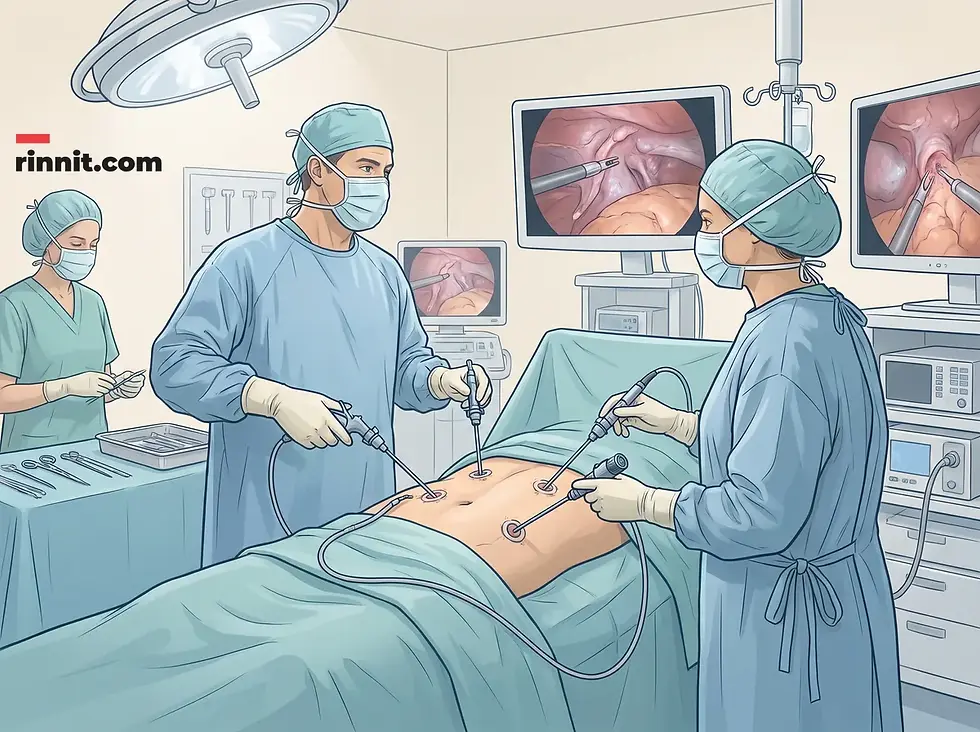
Gastric bypass is usually performed laparoscopically, using small incisions and a tiny camera to guide the surgeon. [1] The procedure takes between two and three hours to complete under general anesthesia. [1] Most patients remain in the hospital for approximately two days following the surgery to monitor for immediate complications and transition to a specialized post-operative diet that begins with clear liquids. [1]
Benefits, Risks, and Long-Term Recovery
The benefits of gastric bypass extend beyond weight loss, often leading to the remission of sleep apnea, heart disease risk factors, and hypertension. [1] [3] However, as with any major surgery, there are risks to consider, including anastomotic leaks, dumping syndrome, and potential nutritional deficiencies due to malabsorption. [1] Recovery requires avoiding strenuous activity for several weeks and a lifelong commitment to nutritional supplements and healthy eating habits.

Conclusion
Gastric bypass surgery is a powerful and effective intervention for severe obesity that offers more than weight reduction. By altering the body's physical structure and metabolic chemistry, it provides a pathway to improving serious health conditions and, according to large studies, longer life expectancy. [2] While the procedure requires significant preparation and lifelong maintenance, the potential for a healthier, more active future makes it a valuable option for eligible patients.
To learn more about bariatric options and how to support your weight loss journey, explore our resources on nutrition and metabolic health.
Next step: If you think you may qualify, ask your doctor for a referral to a bariatric surgery program that can assess your eligibility and prepare you for surgery and long-term follow-up.
Frequently Asked Questions
How much weight can I expect to lose after gastric bypass?
Most patients lose approximately 30% of their baseline weight within the first year following surgery, provided they adhere to recommended lifestyle changes.
Is gastric bypass surgery reversible?
While technically possible to reverse, gastric bypass is intended to be a permanent procedure and reversals are rare, typically performed only for severe medical complications.
What is dumping syndrome?
Dumping syndrome occurs when food moves too quickly from the stomach pouch into the small intestine, causing symptoms like nausea, dizziness, and rapid heartbeat.
Will I need to take vitamins for the rest of my life?
Yes, because the surgery bypasses part of the small intestine where nutrients are absorbed, lifelong supplementation of vitamins and minerals is essential to prevent malnutrition.
How long is the recovery period after surgery?
Most patients can return to light activities within a few days but should avoid strenuous exercise and heavy lifting for at least two to four weeks.
Can gastric bypass cure Type 2 diabetes?
Many patients experience significant improvement or even remission of Type 2 diabetes after surgery due to metabolic and hormonal changes. Remission is not guaranteed, and in clinical trials it occurred in roughly one-third to one-half of patients, so your care team will monitor your blood sugar closely. [3] [4]
What can I eat immediately after surgery?
The post-operative diet begins with clear liquids for the first few days, followed by pureed foods, then soft foods, before eventually returning to solid meals.
Does gastric bypass surgery involve large incisions?
No, most modern gastric bypass surgeries are performed laparoscopically through several small incisions, which reduces pain and speeds up recovery time.
What are the eligibility requirements for adolescents?
Adolescents generally need a BMI of 40 or higher, or a BMI of 35 or higher with a major obesity-related condition like high blood pressure. [1]
Can I regain weight after gastric bypass?
While the surgery is highly effective, it is possible to regain weight if a patient does not maintain a healthy diet and active lifestyle over the long term. [1]
Content reviewed and produced following the Rinnit editorial framework. Last updated: October 8, 2026.
Related Reading
Adolescent Bariatric Surgery: Types, Benefits and Recovery explains bariatric surgery for teens.
Gastric Band Surgery (Lap-Band): Requirements, Procedure and Results explains gastric band surgery.
Gastric Sleeve Surgery: Requirements, Procedure and Results explains gastric sleeve weight-loss surgery.
References
Cleveland Clinic. Gastric Bypass Surgery. Cleveland Clinic Health Library. Medically reviewed; last updated January 12, 2026. https://my.clevelandclinic.org/health/treatments/17157-gastric-bypass-surgery
Syn NL, Cummings DE, Wang LZ, et al. Association of metabolic-bariatric surgery with long-term survival in adults with and without diabetes: a one-stage meta-analysis of matched cohort and prospective controlled studies with 174 772 participants. Lancet. 2021;397(10287):1830-1841. PMID: 33965067. DOI: 10.1016/S0140-6736(21)00591-2
Salminen P, Grönroos S, Helmiö M, et al. Effect of laparoscopic sleeve gastrectomy vs Roux-en-Y gastric bypass on weight loss, comorbidities, and reflux at 10 years in adult patients with obesity: the SLEEVEPASS randomized clinical trial. JAMA Surg. 2022;157(8):656-666. PMID: 35731535. DOI: 10.1001/jamasurg.2022.2229
Murphy R, Plank LD, Clarke MG, et al. Effect of banded Roux-en-Y gastric bypass versus sleeve gastrectomy on diabetes remission at 5 years among patients with obesity and type 2 diabetes: a blinded randomized clinical trial. Diabetes Care. 2022;45(7):1503-1511. PMID: 35554515. DOI: 10.2337/dc21-2498
Medical disclaimer
This article provides general information and is not a substitute for professional medical advice. Always consult a qualified healthcare provider before deciding on weight loss surgery.



Comments