What is Keto Rash?

Updated: 2 days ago
Medically reviewed by Dr. Baraa Alnahhal, MD · Last reviewed: October 2026
Quick Answer
Keto rash is an itchy skin rash that occurs when the body enters ketosis, often because of a low-carb diet, fasting or certain medical conditions. [1] It appears as itchy bumps or blisters that progress through stages, often leaving dark spots. [1] Diagnosis may include blood or urine tests. [1] The main treatment is eating at least 50 grams of carbohydrates daily. [1]
What the research says
About one in four reported cases followed a dietary change, and many of those were ketogenic diets. In a systematic review of 369 patients from 115 studies across 24 countries, a risk or aggravating factor was described in 193 (52.3%). Dietary changes were the most common factor (94 patients, 25.5%), and 38 of those 94 (40.4%) had started a ketogenic diet (Mufti et al., JAAD Int, 2021 [2]).
Oral tetracycline antibiotics are the most common treatment, but they don't work for everyone. Minocycline alone was the most frequently prescribed treatment (77 of 369 patients, 20.9%) and led to complete resolution in 37 of those 77 (48.1%). This is a review of published reports, so individual results may vary (Mufti et al., JAAD Int, 2021 [2]).
Key Takeaways
Feature | Details |
Medical Name | |
Primary Trigger | Ketosis (from keto diet, fasting, or metabolic changes) [1] |
Common Areas | Neck, chest, and back (rarely face or limbs) [1] |
Key Symptoms | Itchy pink bumps, blisters, net-like patterns, and dark spots [1] |
Diagnosis | Physical exam, ketone urine test, and occasionally skin biopsy [1] |
Treatment | Increasing carb intake (50g+ per day) and anti-inflammatory antibiotics [1] |
Prognosis | Treatable and not dangerous; hyperpigmentation may last months [1] |
Prevention | Gradual reduction of carbs and maintaining balanced nutrition |

What is keto rash?
Keto rash, or prurigo pigmentosa, is an inflammatory skin condition characterized by itchy, raised bumps. [1] [2] While the exact cause remains unknown, researchers have identified a strong correlation between the rash and ketosis—a metabolic state where the body burns fat for fuel instead of glucose. [1] This state is most commonly reached through the ketogenic diet, though it can also result from fasting, diabetes, or post-bariatric surgery. [1]
The condition is relatively rare but has seen an increase in reported cases alongside the rising popularity of low-carbohydrate lifestyles. [1] It is most commonly reported in Japan and East Asia, though it can affect anyone regardless of background. [1] [2] The rash is not contagious and is not a sign of poor hygiene; rather, it is a physiological response to metabolic changes.
The Stages of Keto Rash
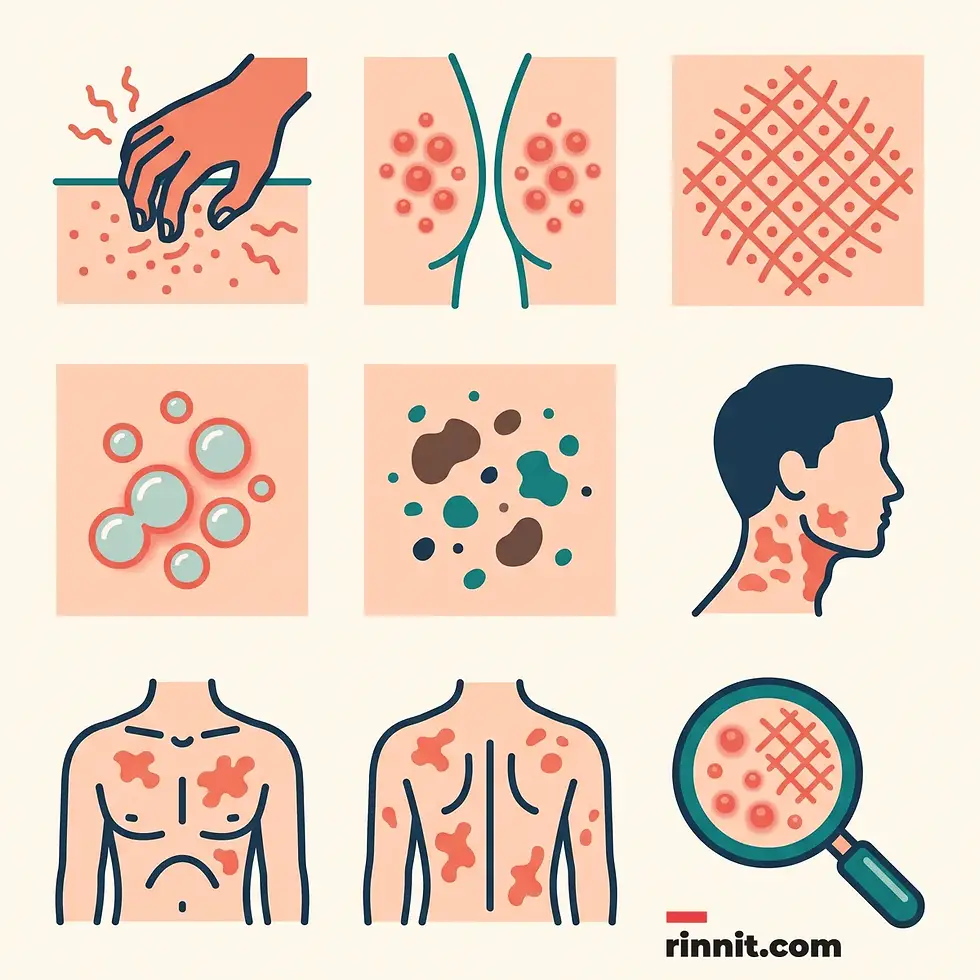
Unlike many common rashes, keto rash follows a specific progression:
Early Stage: The appearance of small, itchy, red to purple bumps that may merge into larger patches called plaques. [1]
Developed Stage: The bumps grow larger and may become fluid-filled blisters. In many cases, they form a distinct, net-like (reticulated) pattern. [1] [2]
Resolving Stage: The inflammation subsides and the itching stops. However, the rash leaves behind dark spots (hyperpigmentation) that can take several months to fade. [1]
What are the symptoms and causes of keto rash?
Recognizing keto rash early is essential for preventing long-term skin discoloration. The rash is almost always symmetrical, meaning it appears on both sides of the body in a similar fashion. [1]
Hallmark Symptoms
Intense Itching: The rash is notoriously itchy, which can lead to skin irritation and potential infection if scratched excessively. [1]
Symmetrical Pattern: It typically concentrates on the midline of the body, specifically the neck, chest, and upper back. [1]
Net-like Appearance: During the developed stage, the way the bumps cluster often looks like a lace or net pattern on the skin. [1] [2]
Hyperpigmentation: The dark spots left behind are a signature of the condition, distinguishing it from other inflammatory rashes.
What Triggers the Rash?
While ketosis is the primary suspect, the specific mechanism by which ketones affect the skin is still being studied. Potential triggers include:
Ketogenic Diets: Extremely low-carb intake (typically under 20-50 grams per day).
Metabolic Stress: Fasting, rapid weight loss, or recovery from weight-loss surgery. [1] [3]
Medical Conditions: Unmanaged diabetes or eating disorders like anorexia nervosa. [1]
External Factors: Some cases are linked to hormonal shifts during pregnancy or allergic reactions to certain metals and chemicals. [1]
How is keto rash managed and treated?
If you suspect you have keto rash, the first step is to consult a dermatologist to rule out other conditions like eczema or contact dermatitis. [1] Once diagnosed, management focuses on reversing the metabolic state that triggered the inflammation.
Nutritional Adjustments
The most effective way to treat keto rash is to exit the state of ketosis. [1] Healthcare providers typically recommend:
Increasing Carbs: Consuming at least 50 grams of carbohydrates per day is often enough to stop the progression of the rash. [1]
Gradual Reintroduction: For those who wish to remain on a low-carb diet, increasing carbs slowly may help the skin adjust without a full flare-up.
Medical Interventions
In cases where dietary changes are not enough or the rash is severe, doctors may prescribe medications:
Antibiotics: Drugs like minocycline, doxycycline, or dapsone are frequently used. These are chosen not for their ability to kill bacteria, but for their potent anti-inflammatory properties. [1] [2]
Topical Care: While creams don't usually cure the underlying cause, they can help manage the intense itching and protect the skin barrier.

What is the outlook for keto rash, and how can it be prevented?
The long-term outlook for keto rash is very positive. It is not a dangerous condition [1], and it does not impact internal organ health. The primary concern for most patients is the aesthetic impact of the dark spots left behind during the resolving stage. [1]
Managing Hyperpigmentation
The dark spots (post-inflammatory hyperpigmentation) will eventually fade on their own. However, if they persist or cause distress, you can:
Use Sun Protection: UV exposure can darken these spots, so wearing sunscreen on the affected areas is crucial.
Consult a Professional: Dermatologists can offer topical treatments or procedures to speed up the fading process.
Prevention Tips
To avoid developing keto rash when starting a new diet:
Avoid Extremes: Don't drop your carb intake to zero overnight. A gradual reduction is easier on your metabolism and your skin.
Stay Hydrated: Proper hydration supports the body's ability to process ketones and maintain skin health.
Monitor Your Skin: At the first sign of symmetrical itching on your chest or back, re-evaluate your carb intake.
Conclusion
Keto rash is a unique intersection of metabolism and dermatology. While the ketogenic diet offers many benefits, prurigo pigmentosa serves as a reminder that significant dietary shifts can have unexpected effects on the body. By understanding the link between ketosis and skin health, you can enjoy the benefits of your lifestyle changes while keeping your skin clear and comfortable.
Understanding the metabolic triggers of skin conditions is vital for both patients and healthcare educators. Explore our infographic templates to create clear, professional guides on the keto diet, skin rash stages, and nutritional health.
Frequently Asked Questions
What is keto rash?
A rare inflammatory skin condition called prurigo pigmentosa linked to the state of ketosis. [1] [2]
What does keto rash look like?
It appears as itchy pink or brown bumps, often in a net-like pattern on the chest and back. [1]
Is keto rash dangerous?
No, it is not harmful to your overall health, though it can be very uncomfortable. [1]
What causes keto rash?
It is triggered by ketosis, which happens when the body burns fat for fuel instead of carbs. [1]
Is it only caused by the keto diet?
No, it can also be caused by fasting, diabetes, or bariatric surgery. [1]
Where does the rash usually appear?
On the neck, chest, and back in a symmetrical pattern. [1]
Does keto rash appear on the face?
It is very rare for this rash to affect the face or limbs. [1]
How soon does it develop?
It can appear within days or months of starting a ketogenic diet. [1]
Is keto rash contagious?
No, it cannot be spread from person to person.
How is it diagnosed?
Through a physical exam, medical history, and sometimes ketone urine tests. [1]
Do I need a skin biopsy?
A doctor might perform one to rule out other similar-looking rashes. [1]
What is the best treatment?
Increasing your carbohydrate intake to at least 50 grams per day. [1]
How long does it take to go away?
It typically improves within a couple of weeks after increasing carbs. [1]
Are antibiotics used for keto rash?
Yes, but for their anti-inflammatory effects, not to treat an infection. [1]
Which antibiotics are common?
Will the rash leave scars?
It usually leaves dark spots (hyperpigmentation) rather than raised scars. [1]
How long do the dark spots last?
They can last for several months before fading completely. [1]
Can I stay on keto if I have the rash?
Most people need to increase their carb intake to resolve the rash. [1]
What is Nagashima disease?
Is the rash itchy?
Can scratching make it worse?
Yes, scratching can cause irritation and lead to secondary infections. [1]
Are there home remedies?
Increasing carbs is the most effective “home” remedy.
Does drinking more water help?
Hydration is good for the skin but won't cure the rash on its own.
Is keto rash common in Japan?
Can hormones trigger it?
Yes, hormonal changes like pregnancy have been linked to some cases. [1]
What is ketosis?
A metabolic state where the body uses fat for energy instead of sugar. [1]
Can diabetes cause keto rash?
Yes, if the diabetes leads to a state of ketosis. [1]
Is it related to eczema?
No, though they can both be itchy and red.
Can I use topical steroids?
They may help with itching but usually don't clear the rash itself.
What is reticulated hyperpigmentation?
The net-like dark pattern left behind as the rash heals.
Does everyone on keto get it?
No, it is a relatively rare condition. [1]
Can I get it from fasting?
Yes, prolonged fasting can trigger ketosis and the rash. [1]
Is it an allergic reaction?
Usually no, but some cases are linked to metal allergies. [1]
What carb count stops the rash?
Most providers suggest at least 50 grams per day. [1]
Can I use sunscreen on the rash?
Yes, it's recommended to prevent the dark spots from darkening further.
Does the rash come back?
It can recur [1] if you enter ketosis again.
Are there specific soaps to use?
Gentle, non-irritating soaps are best for any active rash.
Can children get keto rash?
It is more common in young adults but can affect various ages. [2]
Is it a sign of “keto flu”?
No, keto flu is a different set of symptoms like headache and fatigue.
What is dapsone?
A medication often used for its anti-inflammatory properties in skin conditions. [1]
Can bariatric surgery cause it?
Yes, due to the rapid metabolic changes and weight loss. [3]
Is it related to H. pylori?
Some researchers believe there may be a link to this stomach infection. [1]
What is a patch test?
A test used to check for skin allergies to specific substances. [1]
Does the rash look like acne?
In the early stages, the small bumps might be mistaken for acne.
Is the rash always symmetrical?
Almost always, which is a key diagnostic clue. [1]
Can I use a humidifier?
It won't cure the rash, but it can help soothe dry, itchy skin.
What are plaques?
Large, raised patches of skin that form when small bumps merge. [1]
Is keto rash permanent?
No, it is treatable and the dark spots eventually fade.
Should I see a doctor?
Yes, a dermatologist is the best person to diagnose and treat skin rashes. [1]
Where can I find more info?
Consult a healthcare provider or professional medical websites for updates.
Related Reading
Ketones: A Comprehensive Guide to Ketone Levels and Health Monitoring explains what ketones are and how levels are checked.
Diabetic Ketoacidosis (DKA): Signs, Triggers, and What To Do in an Emergency covers the dangerous ketone buildup that can happen with diabetes.
Skin Biopsy: Types, What to Expect, Results and Aftercare describes how a small skin sample helps confirm a rash diagnosis.
Atopic Dermatitis (Eczema): Symptoms, Causes & Treatment — Complete Guide explains eczema, another itchy rash that keto rash can resemble.
References
Cleveland Clinic. Keto Rash (Prurigo Pigmentosa): What It Is, Stages & Treatment. Cleveland Clinic. Last updated November 4, 2025. https://my.clevelandclinic.org/health/diseases/keto-rash
Mufti A, Mirali S, Abduelmula A, et al. Clinical manifestations and treatment outcomes in prurigo pigmentosa (Nagashima disease): a systematic review of the literature. JAAD Int. 2021;3:79-87. PMID 34409375. https://doi.org/10.1016/j.jdin.2021.03.003
Nagshabandi KN, M Shadid A, Almazro AA, et al. Prurigo pigmentosa following bariatric surgery: a comprehensive clinicopathological review. Dermatol Res Pract. 2026;2026:1993385. PMID 41523335. https://doi.org/10.1155/drp/1993385
Disclaimer
This information is for educational purposes only and does not constitute medical advice. Always seek the counsel of a qualified healthcare professional regarding any medical condition or emergency. If you are experiencing a life-threatening emergency, call 911 or your local emergency services immediately.



Comments