Ketones: A Comprehensive Guide to Ketone Levels and Health Monitoring

Updated: 2 days ago
Medically reviewed by Dr. Baraa Alnahhal, MD · Last reviewed: September 2026
TL;DR
Ketones are acidic compounds produced by the liver when the body switches from burning glucose to burning fat for energy. While a normal part of metabolism during fasting or exercise, excessively high levels can lead to a dangerous condition called ketoacidosis, particularly for individuals with diabetes.
Quick Answer
Ketones, or ketone bodies, are backup energy reserves created by the liver when the body lacks sufficient glucose from carbohydrates. This metabolic state, known as ketosis, occurs naturally during sleep, fasting, or intense exercise. While generally safe in small amounts, high concentrations of ketones in the blood can become toxic, leading to life-threatening complications like diabetes-related ketoacidosis (DKA), which requires immediate medical intervention.
What Are Ketones?
Ketones are biological acids produced as a byproduct of fat metabolism. Under typical conditions, the human body relies on glucose, a simple sugar derived from dietary carbohydrates, as its primary fuel source. However, when glucose levels are low or the body cannot effectively use it, the liver begins breaking down stored fats to bridge the energy gap.
This metabolic transition releases ketones into the bloodstream, where they travel to various tissues, including the brain, to provide necessary fuel. While the presence of some ketones is a normal sign of fat burning, an overaccumulation can alter the blood's pH, leading to a state of toxicity known as ketoacidosis.
The Role of Ketosis
Ketosis is the physiological state in which the body primarily uses ketones for energy. This process is not inherently harmful and occurs frequently in healthy individuals. For example, the body often enters a mild state of ketosis during overnight sleep, prolonged fasting, or strenuous physical activity.
Some individuals choose to induce ketosis intentionally through a ketogenic diet, which emphasizes high fat and very low carbohydrate intake. This dietary approach forces the body to rely on fat stores, potentially offering metabolic benefits for some, though it requires careful medical supervision due to its restrictive nature and significant impact on body chemistry.
State | Primary Fuel Source | Typical Triggers |
Glycolysis | Glucose (Carbohydrates) | Standard diet, post-meal |
Ketosis | Ketones (Fats) | Fasting, exercise, keto diet |
Ketoacidosis | Excessive Ketones | Insulin deficiency, severe dehydration |

Conditions and Health Risks
Monitoring ketone levels is critical for individuals with certain health conditions, most notably diabetes. When the body lacks sufficient insulin, the hormone responsible for moving glucose into cells, blood sugar levels rise while cells remain starved for energy. This triggers a massive release of ketones that can quickly reach dangerous levels.
Diabetes-Related Ketoacidosis (DKA)
DKA is a life-threatening emergency that primarily affects those with Type 1 diabetes, though it can also occur in Type 2. It represents a severe metabolic imbalance where the blood becomes dangerously acidic. Similarly, individuals with alcohol use disorder may face a risk of alcoholic ketoacidosis, often following periods of heavy drinking and inadequate nutrition.
Symptoms of Elevated Ketones
Recognizing the early signs of ketone buildup is essential for preventing severe complications. Initial symptoms often mimic high blood sugar, but as the condition progresses, more severe systemic signs emerge.
Phase | Symptoms |
Early Warning | Frequent urination, extreme thirst, dry mouth, headache |
Advanced (Emergency) | Nausea, vomiting, stomach pain, confusion, shortness of breath |
Specific Sign | Fruity-smelling breath (often called "keto breath") |

Testing and Monitoring
For those at risk of ketoacidosis, regular testing provides a vital safety net. Modern technology offers several ways to measure ketone concentrations, each with its own advantages.
Methods of Measurement
Blood Testing: Using a specialized meter and a finger-prick sample, this method provides a real-time measurement of current ketone levels. It is considered the most accurate way to monitor for DKA risk.
Urine Testing: Dip-and-read strips change color to indicate the concentration of ketones in the urine. While convenient, these results reflect the body's state from several hours prior rather than the immediate present.
Breath Testing: Handheld breathalyzers detect acetone, a specific type of ketone. While popular for those on the keto diet, this technology is not yet recommended for managing medical conditions like DKA.
Understanding the Results
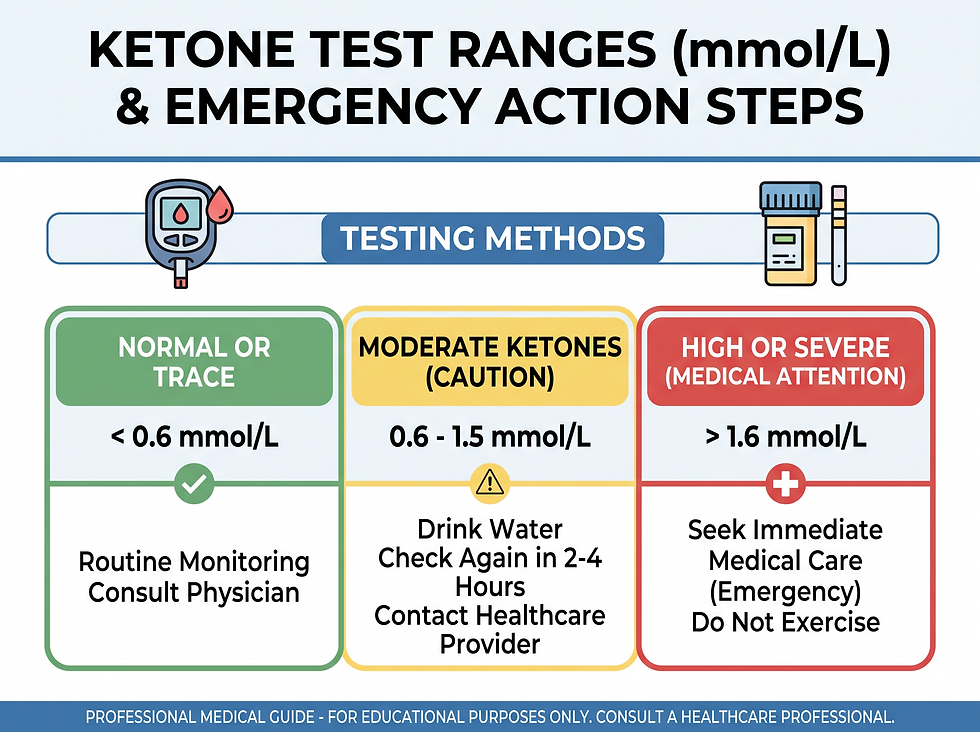
Ketone values are typically measured in millimoles per liter (mmol/L). Understanding these ranges helps determine when to seek medical advice or emergency care.
Result Range | Ketone Level | Recommended Action |
Normal | Less than 0.6 mmol/L | No action needed |
Moderate Risk | 0.6 to 1.5 mmol/L | Contact a healthcare provider |
High Risk | 1.6 to 2.9 mmol/L | Seek emergency care (ER) |
Very High Risk | 3.0 mmol/L or higher | Immediate ER visit required |
Management and Care
Managing ketone levels involves a combination of home monitoring and professional medical intervention. For individuals with diabetes, maintaining a strict insulin regimen and staying hydrated are the most effective ways to prevent ketone buildup.
If levels begin to rise, a healthcare provider may suggest adjusting insulin doses, increasing fluid intake, or modifying activity levels. However, once ketoacidosis has set in, hospital treatment is required. Medical professionals typically use intravenous fluids and insulin to stabilize blood chemistry and safely reduce ketone concentrations.
Frequently Asked Questions
1. What are ketones?
Ketones are acidic substances produced by the liver when the body breaks down fat for energy instead of glucose.
2. Is ketosis the same as ketoacidosis?
No. Ketosis is a normal metabolic state of burning fat, while ketoacidosis is a dangerous, toxic buildup of ketones in the blood.
3. Why does the body make ketones?
The body produces ketones as a backup energy source when it doesn't have enough glucose from carbohydrates to fuel its cells.
4. Who is most at risk for high ketones?
Individuals with Type 1 diabetes are at the highest risk, although those with Type 2 diabetes or alcohol use disorder can also be affected.
5. What are the early signs of high ketones?
Early signs include extreme thirst, frequent urination, dry mouth, and persistent headaches.
6. What does "keto breath" smell like?
High ketone levels can cause the breath to have a distinct fruity or sweet odor, similar to nail polish remover.
7. How are ketones tested at home?
Ketones can be measured using blood meters (finger prick) or urine test strips (dip-and-read).
8. Which ketone test is most accurate?
Blood tests are generally more accurate for medical monitoring as they provide real-time data, whereas urine tests show past levels.
9. Can exercise cause ketones to rise?
Yes, intense or prolonged exercise can trigger the body to burn fat and produce ketones, which is usually a normal process.
10. What is diabetes-related ketoacidosis (DKA)?
DKA is a life-threatening complication where low insulin levels lead to high blood sugar and toxic ketone accumulation.
11. What should I do if my ketones are between 0.6 and 1.5 mmol/L?
You should contact your healthcare provider for advice on how to safely lower your levels.
12. When is a high ketone level considered an emergency?
A level of 1.6 mmol/L or higher, especially when accompanied by vomiting or confusion, requires an immediate visit to the emergency room.
13. How does the hospital treat high ketones?
Treatment typically involves intravenous (IV) fluids to rehydrate the body and insulin to lower blood sugar and ketone levels.
14. Can a specific diet increase ketones?
Yes, the ketogenic (keto) diet, which is high in fat and very low in carbohydrates, is designed to increase ketone production for weight loss or other health reasons.
15. Are ketones found in the urine?
Yes, once ketones have traveled through the bloodstream and fueled the body, they are eventually excreted through urine.
Medical Disclaimer: This content is for informational purposes only and does not constitute medical advice. Always seek the guidance of a qualified healthcare professional regarding any medical condition or treatment.
Comments