What Is Clinical Depression (Major Depressive Disorder)? Symptoms, Causes, Diagnosis and Treatment

Updated: 2 days ago
Medically reviewed by Dr. Baraa Alnahhal, MD · Last reviewed: October 2026
Quick Answer
Clinical depression (major depressive disorder, or MDD) is a mental health condition that causes ongoing sadness, hopelessness and loss of interest lasting at least two weeks [1]. Causes include brain chemistry, genetics and stressful life events [1]. Diagnosis needs five or more symptoms in the same two-week period [1]. Treatment usually involves therapy, antidepressant medication or both [1]. Most people recover, especially with treatment [1].
Key takeaways
MDD lasts at least two weeks. It involves persistent sadness, hopelessness or emptiness plus loss of interest in usual activities [1].
There is no single cause. Genetics, brain chemistry and stressful life events all play a role [1].
No blood test confirms it. Diagnosis comes from conversation, a mental status exam and ruling out other conditions [1].
DSM-5-TR requires five or more symptoms, at least one being depressed mood or loss of interest, over the same two-week period [1].
Therapy and medication work well, alone or together. CBT, IPT, SSRIs and SNRIs are the most common options, and severe cases have other options [1].
Treatment takes time. Antidepressants may start helping in 2 to 4 weeks, and the full effect can take up to 12 [1].
Recovery is common [1], though depression can return.
What the research says
All 21 antidepressants studied worked better than placebo, with differences between drugs smaller than many people expect. A network meta-analysis of 522 trials with 116,477 adults with major depressive disorder found every antidepressant more effective than placebo, with odds ratios ranging from 2.13 for amitriptyline to 1.37 for reboxetine. Differences between active drugs were smaller when placebo-controlled trials were included, and the certainty of evidence ranged from moderate to very low (Cipriani et al., Lancet, 2018 [3]).
Depression often returns, which is why follow-up matters. A systematic review found that recurrence after recovery was high in specialised mental healthcare settings (60% after 5 years, 67% after 10 years, and 85% after 15 years) and lower in the general population (35% after 15 years). The number of previous episodes and leftover subclinical symptoms were the strongest predictors, and data from the general population and primary care were scarce (Hardeveld et al., Acta Psychiatr Scand, 2010 [4]).
What Is Major Depressive Disorder?
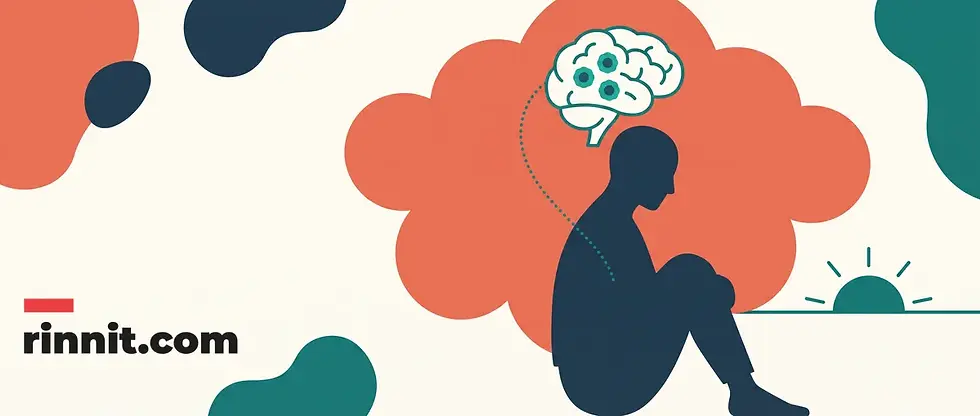
Major depressive disorder (MDD), also known as clinical depression, is a mental health condition that causes feelings of sadness, hopelessness or emptiness that last at least two weeks [1]. It also causes a loss of interest in activities you once enjoyed [1]. Clinical depression often occurs in episodes, which are stretches of time when symptoms flare up.
MDD happens for many reasons. Genetics, brain chemistry and stressful life events can all play a role [1]. The condition can affect your work, relationships and daily routine. Treatment often includes therapy and medications, and your provider might use a combination of these treatments for the best results.
What Is a Major Depressive Episode?
A major depressive episode is a period of at least two weeks when you feel depressed most of the day or lose interest or pleasure in activities you usually enjoy [1]. During this time, it is common to have additional symptoms, like sleep changes, low energy, trouble concentrating or feelings of worthlessness.
An episode can last several weeks or months, and many people with clinical depression experience more than one episode during their lifetime [1].
Types of MDD
This condition does not have completely separate "types." Instead, providers describe it based on the pattern of episodes, how severe it is and certain features [1]:
Description Dimension | Options |
Episode pattern | Single episode, recurrent episodes, partial remission (symptoms improve but do not fully go away) or full remission (no current symptoms) |
Severity | Mild, moderate or severe |
Specifiers | With atypical features, with a seasonal pattern, with postpartum onset (starting after childbirth), or with psychotic features (like hallucinations or delusions) |
Clinical Depression Symptoms and Signs
Symptoms of clinical depression can range from mild to severe, but they typically last most of the day, nearly every day, for at least two weeks. The main symptoms of an episode are a depressed mood and a loss of interest or pleasure in most activities [1].
Symptom | Detail |
Depressed mood | Persistent sadness, hopelessness or emptiness |
Loss of interest or pleasure | Anhedonia, which means losing enjoyment in most activities [2] |
Appetite or weight changes | |
Fatigue or low energy | Feeling drained even without exertion |
Worthlessness or excessive guilt | |
Restlessness or slowed movements | |
Sleep problems | |
Trouble concentrating | |
Thoughts of death or suicide | Repeated thoughts of death or suicide, suicidal thoughts or self-harm |
If you or a loved one is thinking about suicide, call or text 988 (U.S.) on your phone to reach the Suicide and Crisis Lifeline [1]. Someone is available to help you 24/7.
Signs of Clinical Depression
When an episode happens, a healthcare provider or loved one may notice the following signs [1]:
Sign | Detail |
Tearfulness | Appearing tearful or crying often |
Decreased activity | Decreased activity, motivation or trouble functioning at school, home or work |
Irritability | Irritability or angry outbursts |
Weight changes | Noticeable weight loss or weight gain |
Slowed speech or movements | Slowed speech, slowed movements or long pauses before answering [2] |
Speaking less | Speaking less than usual or in a quieter voice |
Social withdrawal | Withdrawing from friends, family or social activities |

How a Major Depressive Episode Affects Daily Life
Living with major depressive disorder can feel heavy and exhausting. Even simple tasks can take much more effort than they used to, and getting through the day may require more energy and focus than you feel you have. Work or school can become harder to manage, and some days, just showing up can feel overwhelming. Relationships might feel strained as you pull away from people without meaning to or disconnect even when you are around others. Daily routines like cooking, cleaning or taking care of yourself can feel difficult, and things that once felt automatic may now take real effort. With support and treatment, it is possible to find ways to manage it and return to activities that matter to you.
What Causes Clinical Depression?
This disorder does not have one single cause. It usually happens because of a mix of factors:
Risk Factors
Clinical depression can affect anyone, including children and adults. Your risk may be higher if you experience the following:
Risk Factor | Detail |
Stressful life events | Trauma, adverse childhood experiences, loss, chronic stress or major life changes may trigger it [1] |
Negative thinking patterns | Ongoing negative thoughts, low self-esteem or difficulty coping with stress might increase risk [1] |
Hormone changes | Shifts during pregnancy, after childbirth, around menopause or with thyroid problems may affect mood [1] |
Medical conditions | Ongoing health problems like diabetes, heart disease or chronic pain might contribute [1] |
Substance use or medications | Addictive substances or some prescription medications may trigger or worsen depression [1] |
Clinical depression often happens alongside other mental health conditions, such as obsessive-compulsive disorder, panic disorder, social anxiety disorder and substance use disorder [1].
Clinical depression can run in families, but there is no single "depression gene." Many genes may slightly increase a person's risk [1]. If you have a close family member with depression, your risk may be higher [2]. Still, genetics is only part of the picture. Life experiences, stress and overall health also play an important role, and having a family history does not mean you will definitely develop depression.
Complications
Clinical depression can lead to serious complications:
Complication | Detail |
Suicidal thoughts or attempts | Suicidal thoughts or suicide attempts |
Functioning problems | Trouble functioning at work, school or home [1] |
Relationship problems | Social withdrawal and relationship problems |
Other mental health conditions | Anxiety, substance use disorder or eating disorders [1] |
How Is Clinical Depression Diagnosed?
Medical providers diagnose this condition through a detailed conversation and exam. There is no single blood test or brain scan that confirms it [1]. Your provider will ask about your symptoms, how long they have lasted and how they affect your daily life, and will complete a mental status exam, assessing your mood, speech, thinking patterns and concentration [1]. They may order blood tests to rule out medical conditions, like thyroid problems or vitamin deficiencies, that can cause similar symptoms [1]. It is important to be honest with your provider about how you are feeling. Opening up about your emotions might be difficult, but your provider is there to listen, support you and help you feel better.
DSM-5-TR Diagnostic Criteria
Your provider will review your symptoms with the criteria in the Diagnostic and Statistical Manual of Mental Disorders (DSM-5-TR), a professional reference book on mental health and brain-related conditions. The criteria for clinical depression include:
Criterion | Requirement |
Symptom count | Five or more symptoms during the same two-week period [1] |
Core symptom | At least one symptom is either depressed mood or loss of interest or pleasure [1] |
Change in functioning | The symptoms are a clear change from how you usually function [1] |
Life impact | The symptoms cause significant problems at work, school or home |
Not from another cause | Symptoms are not caused by a medical condition, substance or medication [1] |
No mania history | You have never had a manic or hypomanic episode [1] (periods of unusually high energy or elevated mood) |
Clinical Depression Treatment Options
Treatment for clinical depression depends on how severe your symptoms are. Therapy is often the first step, different medications may also help, and many people improve with a combination of both [1]. In severe cases, providers may recommend other treatments.
Therapies
Therapy can help you understand your thoughts, feelings and behaviors, and it teaches coping skills. The most common types include:
Medication
Antidepressants help balance brain chemicals that affect your mood and may reduce symptoms like sadness, low energy and loss of interest. All antidepressants carry an FDA boxed warning: in children, teens and young adults under 25 they can increase suicidal thoughts, especially in the first weeks or after a dose change, so close follow-up is important. The most commonly used medications are:
Other Treatments for Severe Depression
These treatments may help with severe clinical depression [1], and your provider may recommend them if other treatments have not worked well:
Treatment | Detail |
Electroconvulsive therapy (ECT) | For severe cases that do not respond to other treatments |
Ketamine and esketamine | Alternative options for treatment-resistant depression |
Transcranial magnetic stimulation (TMS) | Noninvasive brain stimulation |
Vagus nerve stimulation (VNS) | A nerve stimulation approach |

How Long Does Treatment Take to Start Working?
Treatment does not work right away, and that is normal. Antidepressant medications may start to help within two to four weeks, and it can take up to 12 weeks to feel the full effect [1]. It is important to keep taking the medication as prescribed, even if you do not feel better right away. Therapy usually takes several sessions before you notice clear improvement, and progress often happens gradually.
Many people begin to feel some relief within a few weeks. Treatment often continues for several months or longer to prevent symptoms from coming back [1], and if depression happens more than once, you may need longer-term treatment. Follow-up is important. If the treatment is not working after a while, talk to your healthcare provider, who may adjust the dose or suggest a different option.
Outlook and Prognosis
Most people recover from a major depressive episode, especially with treatment [1]. Symptoms may improve over several months, and treatment can help shorten the episode and reduce how severe it feels.
But depression can return, and the risk of another episode is higher if you have had one before [1] [4]. With proper care and follow-up, many people are able to manage symptoms and return to their usual activities.
Prevention
This condition cannot always be prevented, but certain steps may lower the risk [1]:
Strategy | Detail |
Avoid addictive substances | Substance use can trigger or worsen depression |
Build strong coping skills | Through school or family support programs |
Get early help | Seek help as soon as symptoms begin |
Keep a consistent sleep routine | Regular sleep supports mood |
Manage underlying medical conditions | Chronic conditions like diabetes or thyroid problems can contribute |
Stay connected | Keep in touch with friends and family |
Stay physically active | Regular exercise supports mental health |
Conclusion
Clinical depression is far more than a rough patch. It is a real medical condition marked by sadness, hopelessness and loss of interest that lasts at least two weeks and touches nearly every part of daily life. Its causes are layered, involving brain chemistry, genetics and life stress, and no single test can confirm it. Instead, careful diagnosis follows clear criteria: five or more symptoms over the same two-week period, with at least one being depressed mood or loss of pleasure. The good news is that treatment works. Therapy, antidepressant medication, or both together help most people recover from an episode, and options like brain stimulation exist for severe cases that do not respond to first-line care. Improvement usually arrives gradually, in small shifts like sleeping a little better or feeling a bit more motivated, and those small changes matter. If symptoms sound familiar, reaching out to a healthcare provider is the most important first step.
Want to explain health topics like this one visually? If you want to turn mental health guidance into clear, shareable visuals, Rinnit's infographic templates can help you make that information easy for anyone to follow.
Frequently Asked Questions
What is clinical depression?
Major depressive disorder (MDD), a mental health condition that causes sadness, hopelessness or emptiness lasting at least two weeks, plus loss of interest in activities you once enjoyed.
Is clinical depression the same as major depressive disorder?
Yes. MDD and clinical depression are two names for the same condition.
How long do symptoms have to last to count as clinical depression?
At least two weeks, most of the day, nearly every day.
What is a major depressive episode?
A period of at least two weeks when you feel depressed most of the day or lose interest or pleasure in usual activities, often with additional symptoms like sleep changes and low energy.
How long does a depressive episode last?
It can last several weeks or months, and many people experience more than one episode in a lifetime.
Are there different types of clinical depression?
Not completely separate types. Providers describe it by episode pattern (single, recurrent, partial or full remission), severity (mild, moderate, severe) and specifiers (atypical features, seasonal pattern, postpartum onset, psychotic features).
What are the main symptoms of clinical depression?
Depressed mood and loss of interest or pleasure in most activities are the two main symptoms.
Can depression change your appetite?
Yes. Appetite or weight can increase or decrease.
Does depression affect sleep?
Yes. Insomnia or sleeping too much are both common symptoms.
Why do I feel tired all the time with depression?
Fatigue and low energy are common symptoms of the condition.
Can depression cause guilt?
Yes. Feelings of worthlessness or excessive guilt are recognized symptoms.
Does depression slow you down?
It can. Restlessness or slowed movements and speech are common signs.
Does depression make it hard to concentrate?
Yes. Trouble concentrating or making decisions is a recognized symptom.
Can depression make you tearful?
Yes. Appearing tearful or crying often is a sign others may notice.
Why do I isolate myself when depressed?
Withdrawing from friends, family or social activities is a common sign of a depressive episode.
What causes clinical depression?
There is no single cause. It is usually a mix of brain chemistry changes, differences in brain function, genetics and stressful life events.
Which brain chemicals are involved in depression?
Changes in how serotonin, dopamine and norepinephrine function may play a role.
Is clinical depression genetic?
It can run in families, but there is no single "depression gene." Many genes may slightly increase risk, and genetics is only part of the picture.
What are the main risk factors for clinical depression?
Stressful life events, negative thinking patterns, hormone changes, chronic medical conditions, and substance use or certain medications.
Can life events trigger depression?
Yes. Trauma, adverse childhood experiences, loss, chronic stress or major life changes may trigger it.
Can hormones cause depression?
Shifts during pregnancy, after childbirth, around menopause or with thyroid problems may affect mood.
Can medical conditions cause depression?
Ongoing health problems like diabetes, heart disease or chronic pain might contribute.
What other conditions occur alongside clinical depression?
Obsessive-compulsive disorder, panic disorder, social anxiety disorder and substance use disorder often occur together with it.
What are the complications of clinical depression?
Suicidal thoughts or attempts, trouble functioning at work, school or home, social withdrawal, relationship problems, and other mental health conditions.
How is clinical depression diagnosed?
Through a detailed conversation and exam, sometimes with blood tests to rule out other conditions. No single blood test or brain scan confirms it.
Is there a test for depression?
No blood test or brain scan confirms it. Diagnosis uses symptoms, duration, a mental status exam and the DSM-5-TR criteria.
What are the DSM-5-TR criteria for depression?
Five or more symptoms during the same two-week period, at least one being depressed mood or loss of interest or pleasure, representing a clear change from usual functioning, causing significant problems, not caused by another condition, and with no history of manic or hypomanic episodes.
What is a mental status exam?
An assessment of your mood, speech, thinking patterns and concentration during the diagnostic process.
Why would a doctor order blood tests for depression?
To rule out medical conditions like thyroid problems or vitamin deficiencies that can cause similar symptoms.
What is the first-line treatment for clinical depression?
Therapy is often the first step, and many people improve with a combination of therapy and medication.
What is cognitive behavioral therapy (CBT)?
A therapy that helps you identify and change negative thought patterns.
What is interpersonal therapy (IPT)?
A therapy focused on improving relationships and communication.
Which antidepressants are most common?
SSRIs like fluoxetine and sertraline, and SNRIs like venlafaxine and duloxetine.
How do antidepressants work?
They help balance brain chemicals that affect your mood, which may reduce sadness, low energy and loss of interest.
How long do antidepressants take to work?
They may start helping within two to four weeks, with the full effect taking up to 12 weeks.
Should I keep taking antidepressants if I do not feel better right away?
Yes. It is important to keep taking the medication as prescribed even if you do not feel better right away, and to talk to your provider if you have concerns.
What treatments are used for severe depression?
Electroconvulsive therapy (ECT), ketamine and esketamine, transcranial magnetic stimulation (TMS), and vagus nerve stimulation (VNS).
What is TMS for depression?
Transcranial magnetic stimulation, a noninvasive brain stimulation option for severe cases that have not responded to other treatments.
How long does depression treatment last?
Often several months or longer to prevent symptoms from returning. Recurring depression may need longer-term treatment.
What if my depression treatment is not working?
Talk to your healthcare provider. They may adjust the dose or suggest a different option.
What is the outlook for a major depressive episode?
Most people recover, especially with treatment. Symptoms may improve over several months, and treatment can shorten the episode and reduce how severe it feels.
Can depression come back?
Yes. The risk of another episode is higher if you have had one before.
Can clinical depression be prevented?
Not always, but certain steps may lower risk: avoiding addictive substances, building coping skills, getting early help, keeping a consistent sleep routine, staying active and connected, and managing medical conditions.
Does exercise help prevent depression?
Regular physical activity is one of the strategies that may lower the risk.
Can children get clinical depression?
Yes. It can affect anyone, including children and adults.
How does depression affect work or school?
Staying focused and finishing tasks becomes harder, and some days just showing up can feel overwhelming.
How does depression affect relationships?
You may pull away from people without meaning to or disconnect even when you are around others, which can strain relationships.
What should I do if I have thoughts of suicide?
Call or text 988 (U.S.) to reach the Suicide and Crisis Lifeline. Someone is available to help 24/7.
Is improvement gradual with treatment?
Yes. Improvement usually happens gradually, often in small shifts like sleeping a little better or feeling a bit more motivated.
Is seasonal depression the same as clinical depression?
A seasonal pattern is one specifier of MDD, a recognized form of the same condition tied to the seasons.
Can depression start after childbirth?
Yes. Postpartum onset is one specifier of MDD, starting after childbirth.
What are psychotic features in depression?
Hallucinations or delusions, listed as a specifier of severe MDD.
What is partial versus full remission?
Partial remission means symptoms improve but do not fully go away. Full remission means no current symptoms.
Do I need therapy if I take medication?
Many people improve with a combination of both, and providers often use them together for the best results.
Why is honesty with my provider important?
Opening up about your emotions helps your provider listen, support you and help you feel better, and it is central to accurate diagnosis and care.
Related Reading
NDRIs: Uses, Examples and Side Effects explains NDRI medicines.
Ketamine Therapy: Uses, How It Works and Side Effects explains ketamine therapy for depression and pain.
Psychotherapy (Talk Therapy): Types, Uses and What to Expect explains how talk therapy works and its main types.
References
Cleveland Clinic. Clinical Depression (Major Depressive Disorder). Cleveland Clinic Health Library. Last updated May 28, 2026. https://my.clevelandclinic.org/health/diseases/24481-clinical-depression-major-depressive-disorder
American Psychiatric Association. What Is Depression? psychiatry.org. Accessed November 4, 2026. https://www.psychiatry.org/patients-families/depression/what-is-depression
Cipriani A, Furukawa TA, Salanti G, et al. Comparative efficacy and acceptability of 21 antidepressant drugs for the acute treatment of adults with major depressive disorder: a systematic review and network meta-analysis. Lancet. 2018;391(10128):1357-1366. PMID: 29477251. https://doi.org/10.1016/S0140-6736(17)32802-7
Hardeveld F, Spijker J, De Graaf R, et al. Prevalence and predictors of recurrence of major depressive disorder in the adult population. Acta Psychiatr Scand. 2010;122(3):184-191. PMID: 20003092. https://doi.org/10.1111/j.1600-0447.2009.01519.x
If you are experiencing thoughts of self-harm or suicide, call or text 988 (U.S.) to reach the Suicide and Crisis Lifeline, available 24/7.
Medical disclaimer
This article is for informational purposes only and is not a substitute for professional medical advice, diagnosis, or treatment. Always seek the advice of a qualified healthcare provider with any questions about a medical condition or before making decisions about treatment. Never disregard professional medical advice or delay seeking it because of something you have read here.



Comments