What Is Bronchopulmonary Dysplasia (BPD)? Symptoms, Causes, and Treatment for Premature Babies

Updated: 3 days ago
Medically reviewed by Dr. Baraa Alnahhal, MD · Last reviewed: October 2026
Quick Answer: What is bronchopulmonary dysplasia (BPD)?
Bronchopulmonary dysplasia (BPD) is a chronic lung condition in premature babies whose underdeveloped lungs needed oxygen therapy or mechanical ventilation, which can overstretch and inflame the fragile air sacs. There is no cure, but nutrition support, diuretics, bronchodilators, corticosteroids and CPAP help the lungs heal. Most babies recover by age 5, though some have lasting breathing problems. [1]
Key takeaways
BPD is a lung disorder affecting preterm babies with underdeveloped lungs who need long-term oxygen therapy or mechanical ventilation. [1]
The pressure from oxygen and ventilation can overstretch the fragile air sacs (alveoli), causing inflammation and lung tissue damage (dysplasia). [1]
The earlier a baby is born, the greater the risk; babies born more than 10 weeks early or weighing under 2 pounds are most at risk. [1] [2]
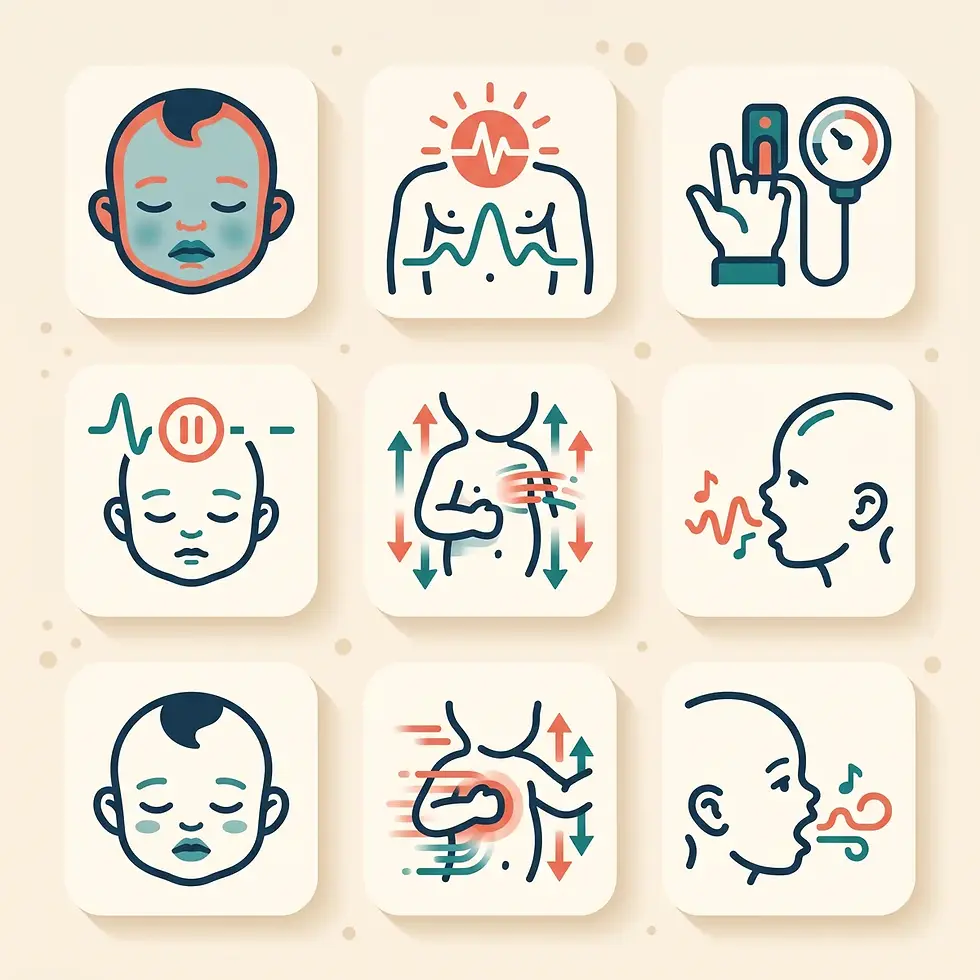
Symptoms include cyanosis, respiratory distress, low blood oxygen, apnea, rapid breathing, and wheezing [1].
There is no cure, but treatment helps the lungs grow and heal, with the goal of weaning the baby off supplemental oxygen. [1]
Cleveland Clinic reports most infants recover by age 5, though some face feeding difficulties, developmental delays, and lifelong lung complications [1].
What the research says
BPD has not become less common, even as care has improved. A review in Clinics in Chest Medicine describes BPD as a chronic lung disease of premature birth whose incidence has stayed unchanged because advances in neonatal care let babies of lower gestational age and birth weight survive. The authors note there are few effective interventions to prevent BPD, but careful attention to BPD phenotypes and interdisciplinary team care have improved outcomes (Enzer et al., Clin Chest Med, 2024) [3].
No single drug has settled evidence for preventing BPD. A network meta-analysis of 36 randomized trials with 11,414 preterm infants found that several drug treatments showed signals of lower BPD odds compared with placebo, but the certainty of evidence was moderate for BPD incidence and low for deaths before discharge. The authors describe the results as hypothesis-generating rather than treatment recommendations (Zhao & Guo, BMC Pediatr, 2026) [5].
Pulmonary hypertension in BPD is linked to poorer development later on. In a meta-analysis of 7 observational studies, infants with BPD who also had pulmonary hypertension scored lower on cognitive (standardized mean difference −0.47), language (−0.28), and motor (−0.50) tests after 12 months of corrected age, and had higher odds of an adverse neurodevelopmental outcome (OR 2.80, 95% CI 1.57–4.98) (Peng & Yang, Pak J Med Sci, 2026) [6].
What Is Bronchopulmonary Dysplasia (BPD)?

Bronchopulmonary dysplasia (BPD) is a lung disorder that can affect preterm babies. When a baby is born early, their lungs are underdeveloped. Because of this, they may need long-term oxygen therapy or mechanical ventilation to help them breathe. [4] [1]
While these therapies can save your infant's life, they can also overstretch the tiny air sacs (alveoli) in their lung tissue. This can damage your infant's lungs and airways (bronchi) over time, causing tissue destruction (dysplasia). [1]
The earlier your baby is born, the greater their risk of developing bronchopulmonary dysplasia. [4] [1] The severity of the condition can vary. While most babies recover from BPD, some may have a lifetime of breathing difficulties and other complications. [1]
Bronchopulmonary Dysplasia Symptoms
Signs and symptoms of bronchopulmonary dysplasia (BPD) vary widely but can include:
Symptom | What it involves |
Cyanosis | A blue tone of a white baby's skin and lips, or a yellow-gray, gray, or white tone in newborns of color |
Difficulty breathing | Respiratory distress |
Low blood oxygen | Low oxygen levels in your baby's blood |
Apnea | Pauses in breathing |
Tachypnea | Rapid breathing |
Wheezing | A whistling sound when breathing |
What Causes Bronchopulmonary Dysplasia?
When your baby is born early, they sometimes need help breathing because their lungs are underdeveloped. This means your baby may need to be on a ventilator. The ventilator provides oxygen and pressure to help your baby's lungs expand and support their breathing. [1]
Your baby's lungs are vulnerable right after birth, and the delivery of oxygen and pressure can overstretch their fragile air sacs (alveoli). This can lead to inflammation and damage to their lung tissue over time. [4] [1]
Risk Factors
Newborns who are especially at risk of developing bronchopulmonary dysplasia include:
Risk factor | Details |
Born more than 10 weeks early | The earlier the birth, the greater the risk |
Low birth weight | Weighing less than 2 pounds at birth |
Underdeveloped lungs | Babies with underdeveloped lungs or breathing problems |
It is rare for babies born after 32 weeks to develop BPD. [1]
What Are the Complications of Bronchopulmonary Dysplasia?
Cleveland Clinic reports that most infants recover from BPD by the time they are 5 years old. [1] But they are at risk of developing other health conditions, including:
Complication | Details |
Feeding difficulties | Trouble feeding that can lead to growth faltering (failure to thrive) |
GERD | Gastroesophageal reflux disease |
Learning disabilities and disorders | Cognitive and learning challenges |
Neurological disorders | Conditions affecting the brain and nervous system |
Hearing or vision problems | Sensory impairments |
Pulmonary hypertension | High blood pressure in the lungs |
Some children and adults who had the condition as newborns are at risk of developing certain lung complications [4]:
Later-life lung risk | Details |
Asthma | Chronic airway inflammation |
Bronchitis | Inflammation of the bronchi |
Obstructive sleep apnea | Breathing pauses during sleep |
Pneumonia | Lung infections |
Reactive airway disease | Airway sensitivity and constriction |
Severe RSV infections | Serious respiratory syncytial virus infections |
How Is Bronchopulmonary Dysplasia Diagnosed?
If your baby is born preterm and needs help breathing for the first 28 days of their life, their healthcare provider will likely diagnose them with BPD. [4] [1] [2] There are no specific tests to diagnose the condition. [1] But some tests that can suggest and help manage the diagnosis include:
Test | Why it is used |
Blood tests | Identify how much oxygen is in your baby's blood |
Chest X-ray | Imaging to look at your baby's lungs |
How Is Bronchopulmonary Dysplasia Treated?
Is there a cure for bronchopulmonary dysplasia? There is no cure for BPD. But treatment reduces the risk of further lung damage and helps your baby's lungs grow and heal. [4] [1]
The goal of bronchopulmonary dysplasia treatment is to wean your baby off supplemental oxygen as soon as possible. Treatment improves your baby's lung function and their ability to breathe on their own. [1] Treatment may include:

Treatment | What it does |
Nutrition | Increasing the amount of calories your baby takes in helps their lungs grow |
Diuretics | Reduce the amount of fluid in and around your baby's lungs |
Bronchodilators | Relax the muscles around your baby's airways, making breathing easier |
Corticosteroids | Reduce or prevent inflammation in and around your baby's lungs |
Nirsevimab (or palivizumab) | Helps prevent viral infections like RSV in babies |
Nasal CPAP (nCPAP) | Gently pushes air into your baby's lungs through special prongs placed in their nose |
Tracheostomy | For severe cases, a surgically inserted tube in the windpipe to help breathing |
How soon after treatment will my baby be able to breathe on their own? After treatment, your baby's health will gradually improve over several months. During this time, their lungs will continue to heal and grow, with the goal of breathing on their own. [1]
When Should My Baby See Their Healthcare Provider?
After treatment, your baby should see their healthcare provider if they have:
Sign to watch | What it looks like |
Chronic cough | Ongoing persistent coughing |
Chronic snoring | Persistent noisy sleep |
Difficulty eating | Trouble feeding or gaining weight |
Flaring nostrils | Nostrils flaring during each breath |
Heavy, quick breathing | Labored, rapid breathing effort |
Viral illness symptoms | Fever, sneezing, or coughing |
Wheezing | Whistling breathing sounds |
When to seek emergency care: Visit the emergency room or call 911 immediately if your baby stops breathing, has trouble breathing, or if their skin or lips become discolored. [1]
What Can I Expect If My Baby Has Bronchopulmonary Dysplasia?
Your baby's lungs will continue to develop after they leave the hospital. Their lungs will still be vulnerable, and it is important to keep them as healthy as possible. You can do this by:
Home care step | Why it matters |
Avoid people with respiratory infections | Including RSV, which is especially dangerous for babies with BPD |
Flu vaccinations for the family | Getting all family members vaccinated against the flu protects your baby |
Avoid secondhand smoke and fumes | Especially from cigarettes |
Your baby may experience feeding difficulties, which could lead to growth faltering. Taking your baby to all scheduled appointments is very important to address these issues sooner. [1]
Because babies with bronchopulmonary dysplasia are born early, they can experience a delay in their developmental milestones. Most babies will catch up with various therapies, including physical therapy, speech therapy, and occupational therapy. [1]
Severe cases of bronchopulmonary dysplasia can be life-threatening. [4] But most babies survive, with their health gradually improving as they get older and gain weight. [1]
How Can I Reduce the Risk of BPD?
If you are pregnant, it is important to keep yourself healthy and take steps to avoid preterm labor. The risk of having a baby with BPD significantly reduces if the fetus's lungs have enough time to develop. [4] You can reduce your risk of having your baby preterm by:
Prevention step | Why it matters |
Avoid tobacco, recreational drugs, and alcohol during pregnancy | These increase the risk of preterm birth |
Eat healthy, nutritious foods | Supports fetal lung development |
Get regular prenatal check-ups | Helps identify and manage risks early |
Minimize stress | Reduces risk factors associated with preterm labor |
Conclusion
Bronchopulmonary dysplasia is a challenging condition for families of premature babies — one that often begins with the very treatments that save a baby's life. The oxygen and ventilation a fragile newborn needs can overstretch delicate air sacs, leading to inflammation and lung tissue damage. Yet the story of BPD is ultimately one of healing: with nutrition support, carefully managed medications, nasal CPAP, and in severe cases surgical airway support, most babies see their lungs grow stronger over the months that follow.
Many infants recover by around age 5 and go on to breathe independently and thrive — though they may need ongoing monitoring for feeding, development, and later respiratory risks like asthma. Keeping a baby with BPD away from smoke, illness, and secondhand exposures, and attending every scheduled appointment, gives them the best possible foundation.
Make health information easy to understand — and shareable. If you create health education materials, Rinnit's library of infographic templates can help you turn topics like this one into clear, visual guides your audience will actually read.
Frequently Asked Questions
What is bronchopulmonary dysplasia (BPD)?
BPD is a lung disorder that can affect preterm babies. When a baby is born early, their lungs are underdeveloped and may need long-term oxygen therapy or mechanical ventilation. Over time, the pressure from this life-saving treatment can overstretch the tiny air sacs (alveoli), damaging the lungs and airways.
Who gets bronchopulmonary dysplasia?
BPD affects preterm babies, especially those born more than 10 weeks early, those weighing less than 2 pounds at birth, and those with underdeveloped lungs or breathing problems. It is rare for babies born after 32 weeks to develop BPD.
Why do premature babies need breathing help?
When a baby is born early, their lungs are underdeveloped and may not be able to breathe on their own. A ventilator provides oxygen and pressure to help the lungs expand and support breathing.
How does BPD damage the lungs?
A baby's lungs are vulnerable right after birth. The delivery of oxygen and pressure from a ventilator can overstretch their fragile air sacs (alveoli), leading to inflammation and damage to lung tissue over time.
What are the symptoms of bronchopulmonary dysplasia?
Symptoms vary widely but can include cyanosis (bluish skin tone in white babies; yellow-gray, gray, or white tone in newborns of color), difficulty breathing (respiratory distress), low oxygen levels in the blood, apnea (pauses in breathing), tachypnea (rapid breathing), and wheezing.
What does cyanosis look like in a baby?
Cyanosis appears as a blue tone of a white baby's skin and lips, or a yellow-gray, gray, or white tone in newborns of color.
What is apnea in premature babies?
Apnea is pauses in breathing. It is one of the signs that can suggest bronchopulmonary dysplasia in a premature baby.
What is tachypnea?
Tachypnea is rapid breathing — breathing faster than normal — which can be a sign of lung distress in a baby with BPD.
Is bronchopulmonary dysplasia curable?
There is no cure for BPD. But treatment reduces the risk of further lung damage and helps your baby's lungs grow and heal.
What is the goal of BPD treatment?
The goal of treatment is to wean your baby off supplemental oxygen as soon as possible, while improving lung function and the ability to breathe on their own.
What medications are used to treat BPD?
Treatment may include diuretics (to reduce fluid in and around the lungs), bronchodilators (to relax muscles around the airways), corticosteroids (to reduce inflammation), and nirsevimab or palivizumab (to prevent viral infections like RSV in babies).
What are diuretics used for in BPD?
Diuretics help reduce the amount of fluid in and around your baby's lungs, making it easier for them to breathe.
What are bronchodilators used for in BPD?
Bronchodilators help relax the muscles around your baby's airways, making breathing easier.
How does nasal CPAP help a baby with BPD?
An nCPAP machine gently pushes air into your baby's lungs through special prongs placed in their nose, helping keep the airways open.
When is a tracheostomy needed for BPD?
If your baby has a severe case of BPD, their provider may surgically insert a tube into the windpipe to help them breathe.
How does nutrition help treat BPD?
Increasing the amount of calories your baby takes in can help their lungs grow and heal.
How soon will my baby breathe on their own?
After treatment, your baby's health will gradually improve over several months. Their lungs will continue to heal and grow, with the goal of breathing on their own.
How is BPD diagnosed?
If your baby is born preterm and needs help breathing for the first 28 days of their life, their healthcare provider will likely diagnose them with BPD. There are no specific tests; blood tests measure oxygen in the blood and chest X-rays look at the lungs.
What complications can follow BPD?
Infants are at risk of feeding difficulties, GERD, learning disabilities, neurological disorders, hearing or vision problems, and pulmonary hypertension. Later-life lung risks include asthma, bronchitis, obstructive sleep apnea, pneumonia, reactive airway disease, and severe RSV infections.
When should I call my baby's doctor after BPD treatment?
Contact the healthcare provider if your baby has a chronic cough, chronic snoring, difficulty eating, flaring nostrils during each breath, heavy or quick breathing, symptoms of a viral illness (fever, sneezing, coughing), or wheezing.
When should I seek emergency care for a baby with BPD?
Visit the emergency room or call 911 immediately if your baby stops breathing, has trouble breathing, or if their skin or lips become discolored.
How can I keep my BPD baby healthy at home?
Avoid people with respiratory tract infections including RSV, get all family members vaccinated against the flu, and keep your baby away from secondhand smoke and fumes, especially from cigarettes.
Will my baby catch up developmentally?
Babies with BPD can experience delayed developmental milestones, but most catch up with therapies including physical therapy, speech therapy, and occupational therapy.
Can I prevent my baby from getting BPD?
There is no guaranteed way, but you can reduce the risk of preterm birth by avoiding tobacco, recreational drugs, and alcohol during pregnancy; eating healthy, nutritious foods; getting regular prenatal check-ups; and minimizing stress. The risk of BPD significantly reduces if the fetus's lungs have enough time to develop.
What is the long-term outlook for BPD?
Severe cases can be life-threatening, but most babies survive. Their health gradually improves as they get older and gain weight, and Cleveland Clinic reports most infants recover from BPD by the time they are 5 years old. Some people have lasting breathing difficulties or other complications into later life.
Related Reading
Preterm Labor Guide: Symptoms, Causes, Diagnosis, and Treatment
RSV in Babies and Children: Symptoms, Risks, and Emergency Care
Pulmonary Hypertension: Complete Guide to Symptoms, Causes, Diagnosis, and Treatment
Childhood Asthma: Symptoms, Triggers, Diagnosis & Treatment — Complete Parent's Guide
Pediatric Sleep Apnea: Symptoms, Causes, and Treatment Explained
What Is Infant Acid Reflux? A Plain-Language Guide for Parents
What Is Bronchomalacia? Symptoms, Causes, Diagnosis, and Treatment in Babies and Adults
References
Cleveland Clinic. Bronchopulmonary Dysplasia. Cleveland Clinic. Last updated April 11, 2022. https://my.clevelandclinic.org/health/diseases/22675-bronchopulmonary-dysplasia
National Heart, Lung, and Blood Institute (U.S.). Bronchopulmonary Dysplasia (BPD). NHLBI. Last updated March 24, 2022. https://www.nhlbi.nih.gov/health/bronchopulmonary-dysplasia
Enzer KG, Baker CD, Wisniewski BL. Bronchopulmonary Dysplasia. Clin Chest Med. 2024;45(3):639-650. PMID 39069327. https://doi.org/10.1016/j.ccm.2024.03.007
Sahni M, Mowes AK. Bronchopulmonary Dysplasia. StatPearls [Internet]. Treasure Island, FL: StatPearls Publishing; updated June 12, 2023. PMID: 30969701. https://www.ncbi.nlm.nih.gov/books/NBK539879/
Zhao R, Guo W. Efficacy of pharmacologic therapies for reducing bronchopulmonary dysplasia and mortality in preterm infants: a network meta-analysis. BMC Pediatr. 2026;26(1):782. PMID 42642729. https://doi.org/10.1186/s12887-026-07408-y
Peng Y, Yang J. Impact of pulmonary hypertension on long-term neurodevelopmental outcomes in preterm neonates with bronchopulmonary dysplasia: a meta-analysis. Pak J Med Sci. 2026;42(7):1860-1868. PMID 42487863. https://doi.org/10.12669/pjms.42.7.16628
Medical disclaimer
This article is for general informational purposes only and is not a substitute for professional medical advice, diagnosis, or treatment. Always seek the advice of a qualified healthcare provider with any questions about a medical condition. Seek emergency care immediately if your baby stops breathing, has trouble breathing, or if their skin or lips become discolored.



Comments