What Is Astrovirus? Symptoms, Transmission, and Treatment

Updated: 2 days ago
Medically reviewed by Dr. Baraa Alnahhal, MD · Last reviewed: October 2026
Quick Answer: What is astrovirus and is it dangerous?
Astrovirus is a common, usually mild virus that causes watery diarrhea, most often in young children, and most people recover at home within 1 to 4 days by drinking plenty of fluids. [1] Complications are rare in healthy people, but those with weakened immunity should see a provider early. [1] Go to the ER for signs of severe dehydration. [1]
Key Takeaways
Astrovirus is a common form of gastroenteritis; its name comes from its star-shaped appearance under a microscope. [1]
About 90% of children have had an astrovirus infection by age 9; most adults are immune. [1]
The main symptom is mild, watery diarrhea, with possible nausea, vomiting, abdominal pain, or fever. [1]
It spreads through the fecal-oral route: contaminated water, food, and surfaces. [1]
Infections usually last 1–4 days and resolve without treatment in people with healthy immune systems. [1]
Hydration is the treatment — and handwashing (not hand sanitizer) is the prevention. [1]
Children under 5, adults over 65, and immunocompromised people are at highest risk. [1]
What the research says
Astrovirus is a real but modest cause of gastroenteritis. A meta-analysis of 302,423 gastroenteritis patients in 69 countries found astrovirus in 3.48% of them (95% CI 3.11%–3.89%), compared with 2.01% of 11,342 healthy controls. It was most common in children under 5 and in developing countries. (Farahmand et al., Microb Pathog, 2023) [2]
The virus is linked to illness, not just silent carriage. A review of 223 studies found astrovirus in 4.2% of people with acute gastroenteritis (95% CI 3.8%–4.8%), and case-control studies showed an odds ratio of 2.06 (95% CI 1.44–2.95) between astrovirus and gastroenteritis. (Razizadeh et al., Rev Med Virol, 2022) [3]
Serious complications are rare and tied to weak immunity. A report of 2 children with cancer described a novel astrovirus (HAstV-VA1) found in spinal fluid during encephalitis after the first round of testing found no cause; the authors note there is no proven treatment. (Bami et al., J Pediatric Infect Dis Soc, 2022) [4]

What Is Astrovirus?
Astrovirus is a common virus that can give you diarrhea. [1] Sometimes people call it a “stomach bug” or “stomach flu,” though it is not related to influenza. [1] Astrovirus infections are a form of gastroenteritis [1] — inflammation of the stomach and intestines.
When you look at it under a microscope, astrovirus appears to be shaped like a star. [1] The name astrovirus comes from the Greek word for “star” (pronounced “aster”). [1]
Most cases are mild and do not last long. [1] They most commonly affect young children, adults over 65, and people with compromised immune systems. [1]
How Common Is Astrovirus?
Astrovirus is very common. [1] Studies suggest that around 90% of kids have had an astrovirus infection by the time they are 9 years old. [1] Adults are less likely to get sick if they are exposed, because most have immunity from an infection when they were younger. [1]
What Are the Symptoms of Astrovirus?
The main symptom of an astrovirus infection is mild, watery diarrhea. [1] You might also experience:
Some people may have an astrovirus infection without any symptoms at all. [1]
The incubation period for astrovirus — how long it takes to get sick after exposure — is four to five days. [1]

How Do You Catch Astrovirus?
Astrovirus spreads through the fecal-oral route, which means you get it from accidentally swallowing stool that has the virus in it. [1]
Transmission Route | How It Happens |
Contaminated water | Drinking untreated water, or swallowing water from lakes, swimming pools, water parks, or other recreational water areas [1] |
Contaminated food | Unwashed fruits and vegetables, unpasteurized milk, and foods made with unpasteurized milk [1] |
Contaminated items and surfaces | Touching items someone with astrovirus touched, caring for someone with the infection, and changing diapers [1] |
Is Astrovirus Contagious?
Yes, astrovirus is contagious, and there are many ways you can catch it from other people. [1] For example, you can get it from eating food prepared by someone with the infection who did not wash their hands after going to the bathroom. [1]
If someone in your household has symptoms of astrovirus or another stomach bug, be sure to wash your hands and surfaces thoroughly and keep some distance for a few days. [1]
Who Is at Risk?
While anyone can get astrovirus, it is more common in certain groups: [1]
Because of these risk factors, astrovirus outbreaks can occur at daycare centers and long-term living facilities, where many at-risk people are around each other. [1]
What Are the Complications?
Complications from astrovirus in adults and kids with healthy immune systems are rare. [1] But if you have a compromised immune system, astrovirus can sometimes infect your central nervous system (brain and spine) and cause encephalitis (brain inflammation) and meningitis (inflammation of the membranes around the brain and spinal cord). [1]
How Is Astrovirus Diagnosed?
Healthcare providers typically do not test for astrovirus, but often diagnose it based on your symptoms or by ruling out other illnesses. [1]
If your provider thinks you should be tested — for example, if your symptoms are severe or you have a compromised immune system — they might perform a stool test. [1] Your provider will give you a sterile container and instructions on how to collect a stool sample, which is sent to a lab to look for astrovirus. [1]
Both are highly sensitive tests and can detect even low levels of antigens (in the EIA test) or the virus (in the PCR test) in your stool. [1]
How Is Astrovirus Treated?
There are no antiviral medications that treat astrovirus. [1] Most people with healthy immune systems will get better without treatment. [1] The key is to always make sure you or your child is drinking plenty of fluids to stay hydrated anytime you have diarrhea. [1]
Care Step | Details |
Hydration | Water, broth, sports drinks, or oral rehydration solutions are good choices [1] |
Nutrition | Try to get whatever nutrition you can when you have diarrhea [1] |
Avoid | Alcohol and caffeine, which make diarrhea and dehydration worse [1] |
Severe cases | A provider may prescribe oral or IV hydration, or antidiarrheal medications [1] |
Over-the-counter medications like loperamide (Imodium) and bismuth subsalicylate (Pepto-Bismol, Kaopectate) can help stop diarrhea, but check with your healthcare provider before taking them. [1] Loperamide can cause heart rhythm problems in high doses — tell your provider if you have a heart or liver condition before taking it. [1] Do not give medicines to your infant or child without asking their pediatrician first; some medications that are safe for adults are not approved for children. [1]
If you have an underlying condition that weakens your immune system, your provider will help you manage that condition, which may help you fight off an astrovirus infection. [1]
What Is the Outlook?
You usually do not need to have a healthcare provider treat you for astrovirus. [1] You can take care of yourself at home by staying hydrated and keeping an eye on your symptoms. [1] If you have a weakened immune system, your healthcare provider may want to monitor you for worsening symptoms or complications. [1]
Astrovirus infections last one to four days in most people. [1]
Can Astrovirus Be Prevented?
Washing your hands frequently — especially before eating and after going to the bathroom — is the best way to reduce your risk of astrovirus infection. [1] Hand sanitizers are not effective against astrovirus. [1]
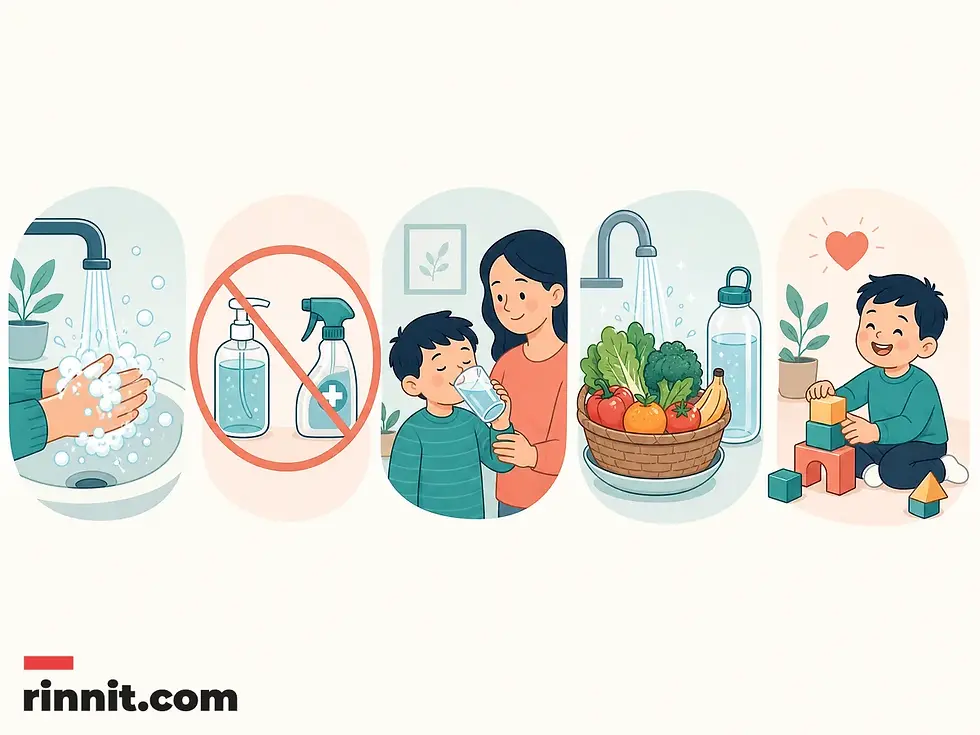
Prevention Step | Why It Matters |
Wash hands frequently | Best prevention — especially before eating and after the bathroom [1] |
Remember hand sanitizer doesn’t work | Sanitizers are not effective against astrovirus [1] |
Don’t swim with diarrhea | Wait at least two weeks after diarrhea stops to swim [1] |
Keep pool water out of your mouth | Avoid getting water in your mouth in lakes, rivers, or public pools [1] |
Skip untreated water and unpasteurized milk | Common sources of the virus [1] |
Wash, peel, or cook produce [1] | Use clean water on fruits and vegetables |
Use bottled water when unsure | If drinking or cooking water quality is uncertain [1] |
Teach kids handwashing early | Kids should wash hands after the bathroom and before eating [1] |
When Should I See a Healthcare Provider?
See a healthcare provider if your symptoms last longer than a few days or you have large amounts of watery diarrhea (several episodes per day). [1] If you have a compromised immune system, see your provider right away if you have any symptoms of an infectious disease. [1]
Go to the ER If | Description |
Cannot keep food or liquid down [1] | Persistent vomiting prevents hydration |
More than 10 watery diarrhea episodes per day [1] | Indicates severe fluid loss |
Confusion | Sign of severe dehydration [1] |
Weakness or light-headedness | Sign of severe dehydration [1] |
Dizziness when standing | Sign of severe dehydration [1] |
Not urinating or barely urinating | Sign of severe dehydration [1] |
Dark-colored urine | Sign of severe dehydration [1] |
What Questions Should I Ask My Doctor?
It might be helpful to ask your healthcare provider: How can I manage my symptoms at home? What medications can I take? What should I eat or drink, and what should I avoid? What is the best way to stay hydrated? What should I do if my symptoms get worse or change? And which symptoms should prompt me to call or go to the ER?
Conclusion: A Star-Shaped Virus With a Simple Fix — Stay Hydrated
Astrovirus may sound exotic, but it is one of the most common causes of diarrhea in young children — so common that about 90% of kids have encountered it by age 9. [1] Named for its star shape under the microscope, it earns its “stomach bug” nickname honestly: most cases are mild, watery, and brief, lasting just 1 to 4 days. [1]
There is no antiviral medication for astrovirus — and you do not need one in most cases. [1] The treatment plan fits in one sentence: drink plenty of fluids and eat small bites of food until you feel better. [1] Water, broth, sports drinks, and oral rehydration solutions do the heavy lifting. [1] The prevention plan is just as simple: wash your hands with soap and water (hand sanitizer will not cut it), keep sick children home from pools and water parks for at least two weeks after diarrhea stops, and wash or cook your produce.
If you or a family member has diarrhea, stay hydrated and watch for the warning signs in this guide — and never hesitate to contact a healthcare provider if symptoms last more than a few days, if anyone in the household is immunocompromised, or if signs of severe dehydration appear. [1] For more clear, verified health information, explore the rest of Rinnit.com — start with our guides on diarrhea and dehydration.
Frequently Asked Questions
What is astrovirus?
Astrovirus is a common virus that causes diarrhea, often referred to as a “stomach bug” or “stomach flu” — though it is not related to influenza. [1] It is a form of gastroenteritis, and its name comes from the star shape it shows under a microscope (from the Greek word “aster” for star). [1]
Is astrovirus contagious?
Yes. Astrovirus spreads through the fecal-oral route — accidentally swallowing stool containing the virus. [1] This happens through contaminated water, contaminated food (including unwashed produce and unpasteurized milk), and contaminated surfaces — including food prepared by someone with unwashed hands and diaper changing. [1]
How common is astrovirus?
Very. Studies suggest about 90% of children have had an astrovirus infection by age 9. [1] Most adults have immunity from earlier infections and are less likely to get sick when exposed. [1]
What are the symptoms of astrovirus?
The main symptom is mild, watery diarrhea. [1] Some people also experience nausea, vomiting, abdominal pain, or fever. [1] Some infections cause no symptoms at all. [1]
How long does astrovirus last?
Astrovirus infections last one to four days in most people. [1] Symptoms usually appear four to five days after exposure (the incubation period). [1]
How is astrovirus treated?
There is no antiviral medication for astrovirus. [1] Most people with healthy immune systems recover without treatment. [1] The key is hydration: drink plenty of water, broth, sports drinks, or oral rehydration solutions, and avoid alcohol and caffeine, which worsen diarrhea and dehydration. [1]
Is there a vaccine for astrovirus?
No. There is currently no vaccine for astrovirus. Prevention relies on handwashing, safe food and water practices, and keeping sick children away from pools and group settings until they recover.
Does hand sanitizer kill astrovirus?
No — hand sanitizers are not effective against astrovirus. [1] Washing your hands frequently with soap and water, especially before eating and after going to the bathroom, is the best way to prevent infection.
Who is at risk for astrovirus?
While anyone can get it, astrovirus is most common in children younger than 5, adults older than 65, and people with compromised immune systems (from conditions like HIV, certain cancers, or immunosuppressant medications). [1] Outbreaks can occur at daycare centers and long-term living facilities. [1]
Can astrovirus cause serious complications?
Complications are rare in people with healthy immune systems. [1] In people with compromised immune systems, astrovirus can sometimes infect the central nervous system and cause encephalitis or meningitis. [1]
Should I go to the ER for astrovirus?
Go to the nearest emergency room if you cannot keep any food or liquid down, have more than 10 episodes of watery diarrhea in a day, or show signs of severe dehydration: confusion, weakness or light-headedness, dizziness when standing, little or no urination, or dark-colored urine. [1]
Can I swim after having astrovirus?
Not immediately. Do not swim while you have diarrhea, and wait at least two weeks after your diarrhea stops before swimming in pools or recreational water areas. [1] Avoid swallowing water in lakes, rivers, and public pools. [1]
When should I see a doctor for diarrhea?
See a healthcare provider if symptoms last longer than a few days, if you have large amounts of watery diarrhea (several episodes per day), or if you have a compromised immune system and develop any infectious symptoms. [1] People with weakened immune systems should contact their provider right away at the first sign of infection. [1]
Are over-the-counter diarrhea medicines safe for astrovirus?
Loperamide (Imodium) and bismuth subsalicylate (Pepto-Bismol, Kaopectate) can help stop diarrhea, but check with your healthcare provider before taking them. [1] Loperamide can cause heart rhythm problems in high doses. [1] Never give medicines to an infant or child without asking their pediatrician first. [1]
Related Reading
References
Cleveland Clinic. Astrovirus. Cleveland Clinic Health Library. Last updated May 8, 2023. https://my.clevelandclinic.org/health/diseases/24957-astrovirus
Farahmand M, Khales P, Salavatiha Z, et al. Worldwide prevalence and genotype distribution of human astrovirus in gastroenteritis patients: a systematic review and meta-analysis. Microb Pathog. 2023;181:106209. PMID 37385570. https://doi.org/10.1016/j.micpath.2023.106209
Razizadeh MH, Pourrostami K, Kachooei A, et al. An annoying enteric virus: a systematic review and meta-analysis of human astroviruses and gastrointestinal complications in children. Rev Med Virol. 2022;32(6):e2389. PMID 36030520. https://doi.org/10.1002/rmv.2389
Bami S, Hidinger J, Madni A, et al. Human astrovirus VA1 encephalitis in pediatric patients with cancer: report of 2 cases and review of the literature. J Pediatric Infect Dis Soc. 2022;11(9):408-412. PMID 35849135. https://doi.org/10.1093/jpids/piac045
Medical disclaimer
This article is for informational purposes only and is not medical advice. Always consult a qualified healthcare provider for diagnosis and treatment decisions, especially for young children and people with compromised immune systems.



Comments