What Is a Bone Bruise (Bone Contusion)? Symptoms, Causes, and Treatment Options

Updated: 3 days ago
Medically reviewed by Dr. Baraa Alnahhal, MD · Last reviewed: October 2026
Quick Answer: What is a bone bruise?
A bone bruise is a bone injury in which blood is trapped under the bone surface after trauma such as a sports injury, fall or car accident. It causes a deeper, dull ache than a skin bruise and heals more slowly. Treatment uses rest, ice, compression and elevation. See a provider, and go to the emergency room after severe trauma. [1]
Key takeaways
A bone bruise (bone contusion) is blood trapped under the surface of a bone after an injury. It is similar to a skin bruise, but it is more serious because bone damage takes longer to heal and may lead to fractures (broken bones). [1]
There are three types of bone contusions based on where the bone is damaged: periosteal contusions (the outer bone membrane), subchondral lesions (under joint cartilage), and intraosseous contusions (inside the bone itself). [1]
The most common symptoms are bone pain, tenderness around the bone, swelling, and skin bruising or discoloration. A bone bruise feels like a dull, throbbing ache from deeper inside your body than a typical surface bruise. [1]
Most people manage symptoms with the RICE method — rest, ice, compression, and elevation. Some may also need medications, physical therapy, or a splint, brace, or cast. Most bone bruises heal in a few weeks, but severe ones can take months. [1]
What the research says
After an ACL tear, bone bruises cluster on the outer side of the knee. A systematic review of 30 studies of acute ACL tears found bruises at the lateral tibial plateau in 82.8% of cases and the lateral femoral condyle in 71.4%, compared with 41.5% at the medial tibial plateau and 32.4% at the medial femoral condyle; the most common pattern was bruising at both lateral sites (Sohn et al., Bioengineering, 2024). [6]
A bone bruise may be most useful as a clue to other knee injuries. A clinical review that included 25 studies (from 93 found) reported a high prevalence of bone bruises with acute ACL injury, little evidence linking them to functional outcomes or later osteoarthritis, and an association with concomitant injuries such as medial meniscal ramp lesions seen on MRI (Ward et al., Sports Health, 2022). [5]
A larger bruise did not predict a slower return to sport after ACL surgery. In a cohort of 60 people with pre-surgery MRI, total bone bruise volume was not significantly associated with time to return to play or with self-reported knee function at return to play or 2 years later. These findings apply to people recovering from ACL reconstruction, not to every bone bruise (Galloway et al., Orthop J Sports Med, 2023). [7]
What Is a Bone Bruise (Bone Contusion)?

A bone bruise is a bone injury. It is similar to a bruise you might get on the surface of your skin. But it is more serious than a mark left over from roughhousing with your kids or playing pickup basketball. [1]
Healthcare providers sometimes refer to bone bruises as bone contusions. Contusion is the medical name for a bruise. [1]
Bone contusions are blood trapped under the surface of your bone after an injury. Your bones are living tissue that can get bruised in lots of the same ways your skin can. It takes much more force to bruise a bone than your skin, but the injury is very similar. If something hits your bones with enough force, they can bleed without being broken. [1]
Visit a healthcare provider or go to the emergency room if you have experienced trauma like a fall or car accident — especially if you feel sharp, intense pain that feels like it is coming from a bone. [1]
Types of Bone Contusions
A healthcare provider may classify a bone contusion based on where your bone is damaged:
Type | Where the damage is | What it involves |
Periosteal contusion | The outer surface of the bone | The periosteum — a membrane of blood vessels and nerves — that wraps around most of your bones is damaged [1] |
Subchondral lesion | A joint, under the cartilage | The bruise sits in a joint beneath the protective cartilage [1] |
Intraosseous contusion | Inside the bone itself | The bruising occurs within the bone tissue [1] |
What Is the Most Common Bone Bruise?
Bone bruises are common after traumas or other severe injuries. [1] For example, experts estimate that around 80% of people who tear their ACL also bruise a bone in their knee joint. [1] [4]
Bone bruises can affect any bone in your body, but they are more common in longer bones, especially in your legs, including your femur (thigh bone), tibia (shin bone), and fibula (calf bone). [1]
Symptoms: What Does a Bone Bruise Feel Like?
The most common bone contusion symptoms include bone pain, tenderness around the bone, swelling, and skin bruising or discoloration. [1]
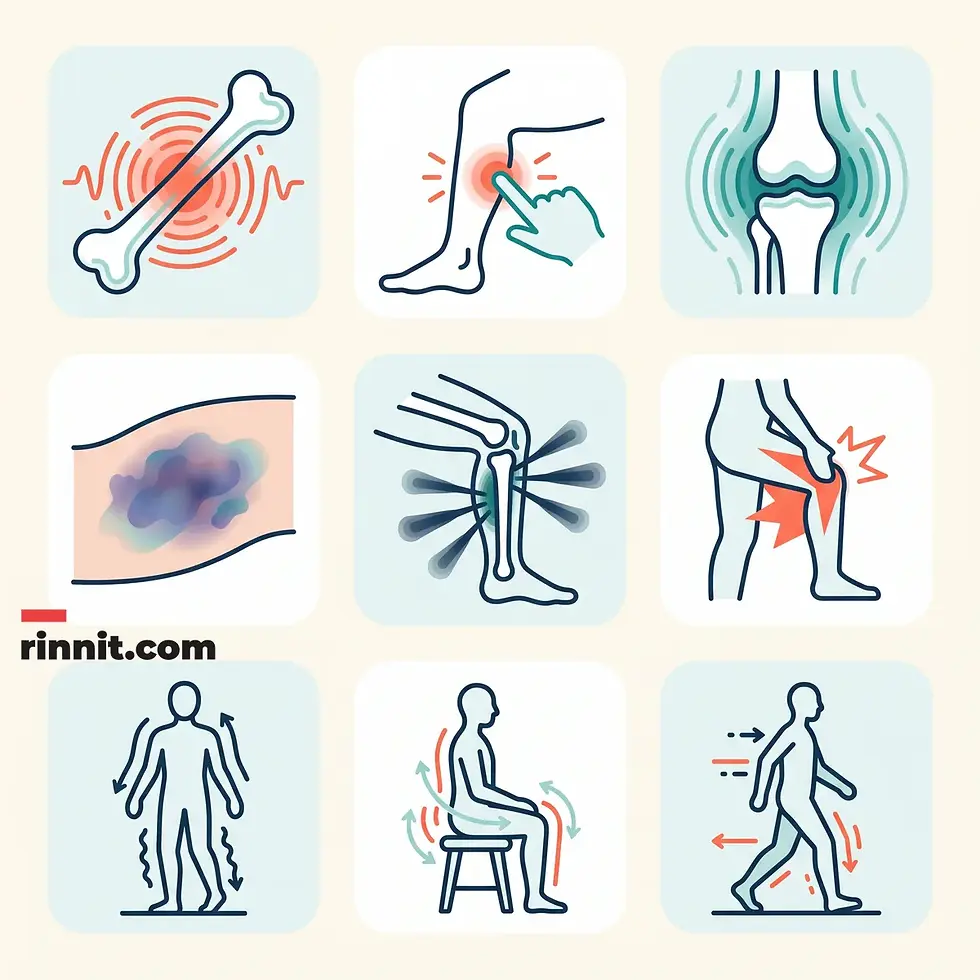
A bone bruise will feel like a more intense version of a typical surface bruise. A bruise on your skin or in a muscle will feel tender or painful, especially when you touch that spot. A bone bruise usually feels like a dull, throbbing ache that is coming from deeper inside your body. [1]
Depending on which bone is bruised, the pain might get worse when you move, stand, or sit in certain positions. [1]
What Causes Bone Bruises?
Anything that hits your bones with enough force to damage them can cause a bone bruise. Traumas and injuries are the most common causes, including sports injuries, falls, and car accidents. [1]
Injuries that twist your joints or body are more likely to cause bone contusions. Sprains (especially in your ankle and knee) can put enough pressure on your bones to bruise them. [1]
Risk Factors
Anyone can bruise a bone, but some people have a higher risk:
Risk factor | Details |
Contact sports athletes | Athletes who play contact sports face frequent impacts |
Physically demanding work or hobbies | Jobs and hobbies that are physically demanding raise exposure to trauma |
Blood disorders | Conditions that affect blood can increase bruising risk |
Arthritis | People who have arthritis have a higher risk [1] |
Complications of Bone Contusions
Untreated bone contusions can weaken your bone enough to cause a bone fracture (broken bone). Many of the same injuries that cause bone bruises can also break your bones. [1]
If trauma bruises your bone and you keep using it or putting stress on it, the damage can worsen to the point that your bone cracks or breaks. [1]
How Are Bone Bruises Diagnosed?
A healthcare provider will diagnose a bone bruise with a physical exam and some imaging tests. [1]
Your provider will examine your injured bone and the area around it. Tell them what you were doing when you first noticed symptoms like pain and swelling and if you know what caused the injury (like a fall or sports injury). Tell your provider if certain activities, motions, or physical positions make your symptoms worse (or better). [1]
Diagnostic test | What it shows |
Physical exam | Examines the injured bone and surrounding area; reviews your symptoms and injury history [1] |
MRI (magnetic resonance imaging) | Can show soft tissue and bone bruising beneath the surface |
Ultrasound | Uses sound waves to image the injured area |
CT scan (computed tomography) | Provides detailed cross-sectional images of the bone and surrounding area |
X-ray |
How Are Bone Bruises Treated?
Your provider will suggest treatments to take pressure off your injured bone and help it heal. [1]
Most people can manage bone bruise symptoms at home with the RICE method: [1]
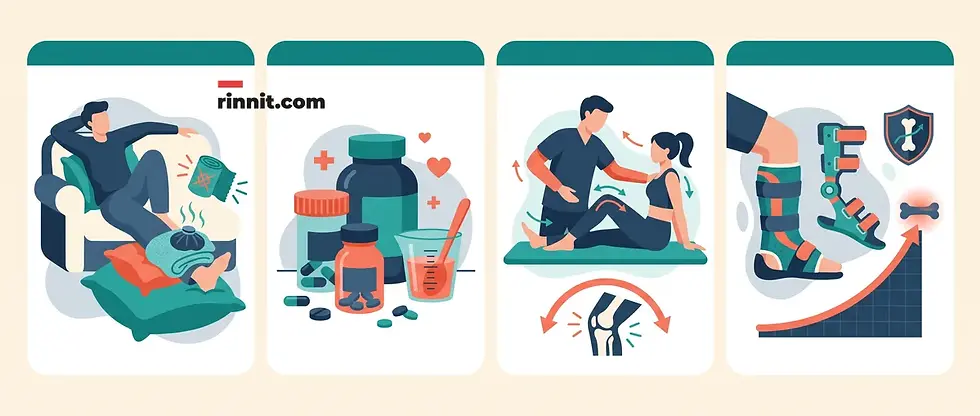
Rest. Avoid intense physical activity. Try not to use the injured part of your body while it heals. [1]
Ice. Apply a cold compress to your injury 15 minutes at a time, a few times a day. [1] Wrap ice packs in a towel or thin cloth so they are not directly touching your skin. [1] [2]
Compression. Wrap an elastic bandage around your injured bone to help reduce swelling. Your provider can show you how to apply a compression wrap safely. [1]
Elevation. Keep your injured bone above the level of your heart as often as you can. [1]
Other bone bruise treatments include the following.
Treatment | What it involves |
Medications | Over-the-counter (OTC) NSAIDs and acetaminophen reduce inflammation and relieve pain. Your provider will tell you how often it is safe to take these anti-inflammatory medications. Don't take pain relievers for more than 10 days in a row without talking to your provider. [1] |
Physical therapy | A physical therapist will give you stretches and exercises to strengthen your muscles, increase your flexibility, and restore your range of motion (how far you can move a body part). This is especially helpful if the contusion is in or near a joint. [1] |
Immobilization | Your provider may suggest that you wear a splint, brace, or cast. These devices hold your bone in a neutral position and reduce stress on it while it heals. Your provider will tell you how long you'll need to keep your bone immobilized. [1] |
Recovery: How Soon Will I Feel Better?
You should start feeling better as soon as you begin managing any symptoms. The pain, swelling, and tenderness should improve gradually after you start taking anti-inflammatory medications and reduce how often you use your injured bone. [1]
Don't resume any physical activities until your provider says it is safe. Your bone still needs time to heal completely before it has all its usual strength. [1]
If you put too much stress on a bone bruise before it heals (by returning to sports, work, or doing intense physical activity), the weak spot near the bruise has a higher risk of becoming a fracture. [1]
Outlook: How Long Does a Bone Bruise Last?
You should expect a bone contusion to heal. [1] But it might take time, and it can be a frustrating process.
It is usually hard to make a typical skin bruise worse (even if it can hurt a lot when you forget it is there and touch that spot). A bone bruise is different. Because it is damaged bone, it is important to give your body time to heal. Depending on where the bone contusion is, you might have to avoid certain activities. [1] This can be extra annoying if you have to skip your favorite workout, sport, or hobby for a while.
Bone bruises can take a while to heal. Most bone bruises last a few weeks. More severe bruises can take months (or longer) to heal completely. How long a bone bruise lasts depends on which type it is, which bone it is in, and if you experienced any other injuries at the same time. [1]
Prevention: Can Bone Bruises Be Prevented?
You might not be able to prevent a bone bruise because it is usually caused by traumas you can't plan for. But you can reduce your general injury risk with these safety tips: [1]
Prevention tip | How it helps |
Always wear your seatbelt | Reduces injury risk in car accidents |
Wear protective equipment | Use the right gear for all sports, work, or physical activities [1] |
Keep spaces clutter-free | Make sure your home and workspace are free from clutter that could trip you or others [1] |
Use the proper tools to reach things | Never stand on chairs, tables, or countertops [1] |
Use walking aids when needed | Use a cane or walker if you have difficulty walking or have an increased risk of falls [1] |
When to See a Healthcare Provider
Yes, absolutely — you should always see a healthcare provider if you think you have a bone bruise. Most typical bruises don't need to be diagnosed and treated by a provider, but bone bruises do. [1]
Visit a provider if you feel bone pain for more than a few days, or if you have other symptoms like swelling, a reduced range of motion, or pain when you use a body part. [1]
Go to the emergency room if you experience trauma like a severe fall or car accident. [1]
Questions you may want to ask your provider include: Do I have a bone contusion or another injury? Which bone is bruised, and which type of bruise is it? Which treatments will I need? When can I resume playing sports, exercising, or doing other intense physical activities?
Conclusion
A bone bruise may look like nothing on the outside, but inside, your bone is bleeding. Because bones are living tissue, a contusion is a genuine injury that deserves real rest — not just a quick shrug. The RICE method, medications, physical therapy, and sometimes a splint, brace, or cast can all help your bone heal safely. The most important rule is simple: don't rush back. Putting stress on a bruised bone before it heals raises the risk of turning it into a fracture. If you think you've bruised a bone, see a healthcare provider and give your body the time it needs to recover its full strength.
Make health information easy to understand — and shareable. If you create health education materials, Rinnit's library of infographic templates can help you turn topics like this one into clear, visual guides your audience will actually read.
Frequently Asked Questions
What is a bone bruise?
A bone bruise (bone contusion) is blood trapped under the surface of a bone after an injury. It is similar to a skin bruise but more serious, because bone damage takes longer to heal and may lead to fractures. [1]
What does a bone bruise feel like?
A bone bruise usually feels like a dull, throbbing ache coming from deeper inside your body than a typical surface bruise. Depending on which bone is bruised, the pain might get worse when you move, stand, or sit in certain positions. [1]
Is a bone bruise worse than a skin bruise?
Yes. It takes much more force to bruise a bone than your skin, and the injury takes longer to heal. Untreated bone contusions can also weaken the bone enough to cause a fracture. [1]
What are the three types of bone contusions?
The three types are periosteal contusions (damage to the periosteum, the membrane wrapping around bones), subchondral lesions (bruising in a joint under the cartilage), and intraosseous contusions (bruising inside the bone itself). [1]
Which bones are most commonly bruised?
Bone bruises can affect any bone, but they are more common in the longer bones of the legs: the femur (thigh bone), tibia (shin bone), and fibula (calf bone). [1]
How common are bone bruises with ACL tears?
Experts estimate that around 80% of people who tear their ACL also bruise a bone in their knee joint. [1] [4]
What causes bone bruises?
Anything that hits your bones with enough force to damage them — most commonly sports injuries, falls, and car accidents. Twisting injuries like ankle and knee sprains can also put enough pressure on bones to bruise them. [1]
Who is at higher risk of bone bruises?
Athletes who play contact sports, people with physically demanding jobs or hobbies, people who have blood disorders, and people who have arthritis. [1]
Can a bone bruise turn into a fracture?
Yes. Untreated bone contusions can weaken your bone enough to cause a fracture. If you keep using or stressing a bruised bone, the damage can worsen until the bone cracks or breaks. [1]
How is a bone bruise diagnosed?
A healthcare provider uses a physical exam and imaging tests such as MRI, ultrasound, and CT scans. X-rays cannot show bone bruises but may be used to check for a fracture. [1]
How do you treat a bone bruise?
Most people manage symptoms at home with the RICE method: rest, ice (15 minutes at a time, wrapped in a cloth), compression with an elastic bandage, and elevation above heart level. Other treatments include OTC NSAIDs and acetaminophen, physical therapy, and immobilization with a splint, brace, or cast. [1]
How long should I ice a bone bruise?
Apply a cold compress 15 minutes at a time, a few times a day. [1] Wrap ice packs in a towel or thin cloth so they are not directly touching your skin. [1] [2]
How long does a bone bruise take to heal?
Most bone bruises last a few weeks. More severe bruises can take months or longer to heal completely, depending on the type, the bone involved, and any other injuries. [1]
Can I play sports with a bone bruise?
Not until your provider says it is safe. If you put too much stress on a bone bruise before it heals, the weak spot near the bruise has a higher risk of becoming a fracture. [1]
Can you prevent bone bruises?
You might not be able to prevent them entirely since they are usually caused by unplanned traumas. But you can reduce your injury risk by wearing a seatbelt, using protective equipment, keeping your spaces clutter-free, using proper tools to reach things, and using a cane or walker if you have difficulty walking. [1]
What is the difference between a bone bruise and a broken bone?
Both are painful injuries from a strong force, but a bone bruise happens when something hits a bone hard enough to make it bleed without cracking or breaking. A fracture happens when the force breaks the bone in at least one place. Fractures are more serious and take longer to heal. [1]
When should I go to the emergency room?
Go to the emergency room if you experience trauma like a severe fall or car accident, especially if you feel sharp, intense pain that feels like it comes from a bone. [1]
When should I see a doctor for a bruised bone?
Always see a healthcare provider if you think you have a bone bruise. Visit a provider if you feel bone pain for more than a few days, or if you have swelling, reduced range of motion, or pain when using a body part. [1]
Related Reading
Bruises (Ecchymosis): What They Are, Why They Change Color, and When to See a Doctor
Bone Fractures: What Happens When a Bone Breaks, and How It Heals
Sprains: Symptoms, Causes, Treatment, and Recovery — Complete Guide
Understanding NSAIDs: A Comprehensive Guide to Nonsteroidal Anti-Inflammatory Drugs
Physical Therapy: Enhancing Mobility, Strength, and Recovery
References
Cleveland Clinic. Bone Bruise (Bone Contusion). Cleveland Clinic. Last updated February 13, 2024. https://my.clevelandclinic.org/health/diseases/bone-bruise-bone-contusion
National Library of Medicine (U.S.). Bruise. MedlinePlus. Accessed October 15, 2026. https://medlineplus.gov/ency/article/007213.htm
National Library of Medicine (U.S.). Bruises. MedlinePlus. Accessed October 15, 2026. https://medlineplus.gov/bruises.html
Physiopedia. Bone Bruise. Physiopedia. Accessed October 15, 2026. https://www.physio-pedia.com/Bone_bruise
Ward P, Chang P, Radtke L, et al. Clinical Implications of Bone Bruise Patterns Accompanying Anterior Cruciate Ligament Tears. Sports Health. 2022;14(4):585-591. PMID 34231443. https://doi.org/10.1177/19417381211029583
Sohn S, AlShammari SM, Hwang BJ, et al. A Systematic Review of Bone Bruise Patterns following Acute Anterior Cruciate Ligament Tears: Insights into the Mechanism of Injury. Bioengineering (Basel). 2024;11(4):396. PMID 38671817. https://doi.org/10.3390/bioengineering11040396
Galloway C, Ward H, Higbie S, et al. Relationship Between Bone Bruise Volume and Patient Outcomes After ACL Reconstruction. Orthop J Sports Med. 2023;11(2):23259671221146205. PMID 36860772. https://doi.org/10.1177/23259671221146205
Medical disclaimer
This article is for general informational purposes only and is not a substitute for professional medical advice, diagnosis, or treatment. Always seek the advice of a qualified healthcare provider with any questions you may have regarding a medical condition. Never disregard professional medical advice or delay in seeking it because of something you have read in this article.



Comments