Physical Therapy: Enhancing Mobility, Strength, and Recovery

Updated: 2 days ago
Medically reviewed by Dr. Baraa Alnahhal, MD · Last reviewed: September 2026
Quick Answer
Physical therapy, also known as physiotherapy, is a healthcare specialty focused on improving how the body performs physical movements. It is a treatment used to improve body function, manage pain, and support recovery after surgery or injury, combining active movements like strength training and stretching with passive techniques such as massage and heat therapy. By addressing the musculoskeletal and nervous systems, it helps treat a wide range of conditions, from sports injuries to chronic diseases like Parkinson's. Whether performed in a clinic, hospital, or at home, physical therapy aims to restore strength, flexibility, and mobility, and most patients see significant improvement over several weeks or months of consistent practice.
The Role and Scope of Physical Therapy
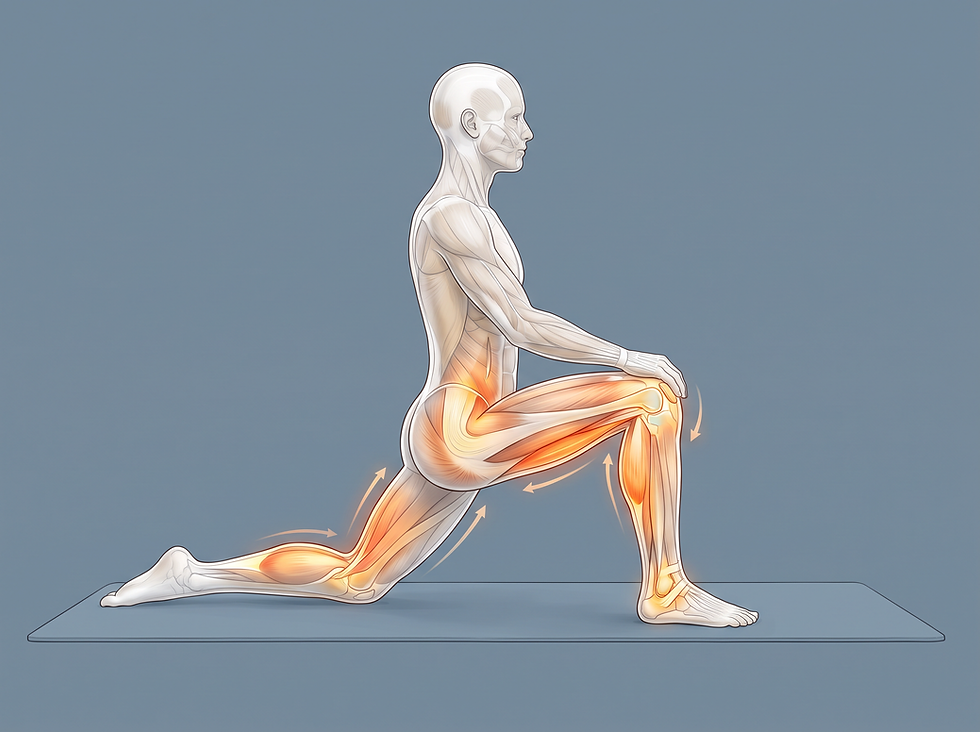
Physical therapy serves as a bridge between injury or illness and the return to full functional capacity. It is not limited to post-surgical recovery; it is also a vital tool for managing long-term health conditions and preventing age-related decline in mobility. A physical therapist works closely with patients to design a customized plan that addresses their specific needs, whether they are recovering from a minor strain or adapting to a major neurological event.
The treatment covers several critical systems within the body. While most people associate physical therapy with the musculoskeletal system (muscles, bones, and joints), it also significantly impacts the nervous system by improving the way the brain sends signals to the limbs. Furthermore, specialized therapy can support the cardiopulmonary system by strengthening the heart and lungs, and even the integumentary system by managing skin health and sensation after trauma.
Conditions and Treatment Modalities
Physical therapy is effective for a diverse array of medical issues. These range from acute injuries that require short-term intervention to chronic diseases that necessitate ongoing management.
Category | Examples of Conditions Treated |
Acute Injuries | Sports injuries, ACL tears, rotator cuff tears, concussions, and TMJ disorders. |
Pain Management | Chronic neck, back, knee, and hip pain, as well as carpal tunnel syndrome. |
Chronic Diseases | Multiple sclerosis (MS), Parkinson's disease, cerebral palsy, and cystic fibrosis. |
Rehabilitation | Post-surgical recovery, stroke rehabilitation, and spinal cord injury management. |
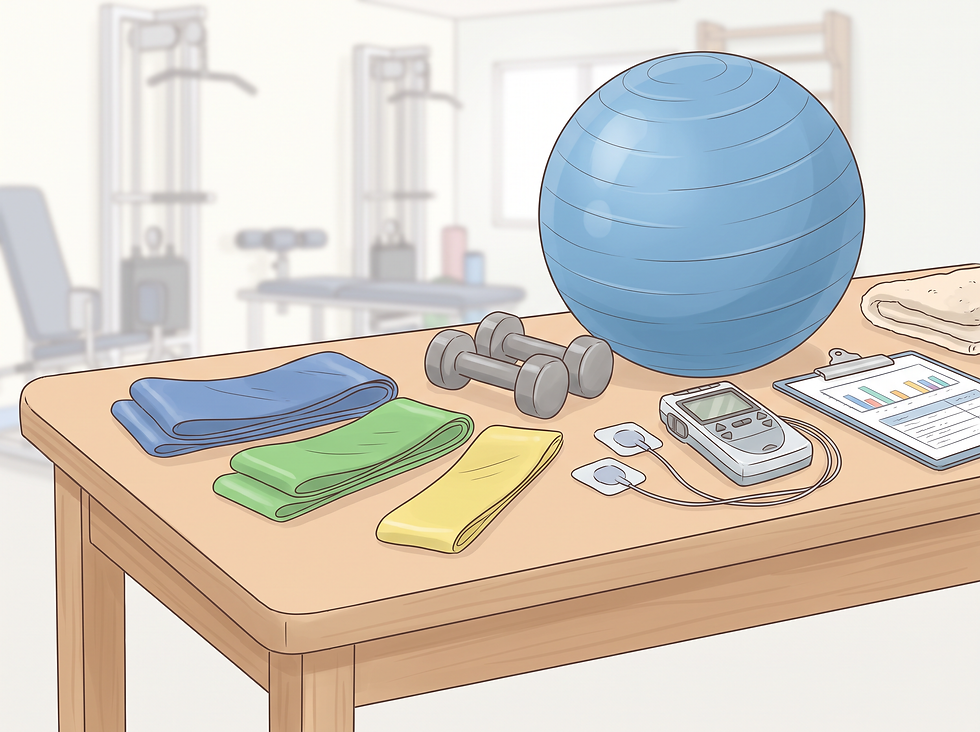
To address these conditions, therapists employ various techniques. Active treatments require the patient to perform movements like strength training or balance exercises. Passive treatments involve the therapist applying techniques to the patient, such as manual massage, heat or cold application, hydrotherapy, or Transcutaneous Electrical Nerve Stimulation (TENS) to manage pain and inflammation.
Physical Therapy vs. Occupational Therapy
While both fields aim to improve a patient's quality of life through movement, their primary goals differ. Understanding these distinctions helps patients and caregivers coordinate the most effective care plan.
Feature | Physical Therapy (PT) | Occupational Therapy (OT) |
Primary Focus | Improving specific movements, strength, and mobility. | Enhancing the ability to perform daily tasks (occupations). |
Core Goals | Reducing pain, stiffness, and instability in body parts. | Improving independence in activities like dressing or shopping. |
Common Scenarios | Rehabbing a knee after surgery or treating back pain. | Learning to use a computer or kitchen tools after an injury. |

Conclusion
Physical therapy is a cornerstone of modern rehabilitative medicine, offering a safe and effective way to restore the body's natural movement. By focusing on the interconnected systems of the body, it provides patients with the tools they need to overcome physical limitations and regain their independence. While the process requires dedication and persistence, the long-term benefits of improved strength and mobility are invaluable for maintaining a high quality of life.
Next Steps
Consultation: Speak with a healthcare provider to determine if physical therapy is appropriate for your specific condition.
Goal Setting: Work with your therapist to establish realistic short-term and long-term milestones for your recovery.
Home Exercise: Commit to performing your prescribed stretches and exercises between professional sessions to accelerate progress.
Monitoring: Keep a log of your symptoms and energy levels to help your therapist adjust your treatment plan as you improve.
Frequently Asked Questions
Is physical therapy the same as physiotherapy?
Yes, both terms are used interchangeably to describe the same field of treatment.
How long does a typical session last?
Most sessions last between 30 and 60 minutes, depending on the treatment plan.
Do I need a doctor's referral for physical therapy?
In many regions, you can see a physical therapist directly, though some insurance plans may require a referral for coverage.
Will physical therapy be painful?
While some exercises may be challenging or cause temporary soreness, the goal is to reduce pain over time. Always communicate discomfort to your therapist.
Can I do physical therapy at home?
Yes, many therapists provide home exercise programs, and some offer telehealth visits or in-home sessions.
How soon will I see results?
Some patients feel better after a few sessions, but significant improvements in strength and mobility usually take several weeks.
What should I wear to my appointment?
Wear loose, comfortable clothing and athletic shoes that allow you to move freely.
Is physical therapy safe for seniors?
Yes, it is highly beneficial for seniors to help manage balance, prevent falls, and treat arthritis.
What is TENS therapy?
TENS stands for Transcutaneous Electrical Nerve Stimulation, which uses low-voltage electrical currents to provide pain relief.
How often should I attend sessions?
Frequency varies by condition; some patients go two to three times a week, while others may go once a month for monitoring.
Can physical therapy help with breathing issues?
Yes, specialized pulmonary physical therapy can help manage conditions like COPD and cystic fibrosis.
What happens during the first visit?
The first visit usually involves an initial evaluation where the therapist assesses your movement, strength, and pain levels.
Is hydrotherapy different from regular physical therapy?
Hydrotherapy is a type of physical therapy performed in water, which reduces impact on the joints while providing resistance.
What is the difference between active and passive therapy?
Active therapy involves movements you perform yourself, while passive therapy involves treatments the therapist performs on you.
Can physical therapy prevent surgery?
In some cases, strengthening the muscles around a joint can provide enough support to avoid or delay the need for surgical intervention.
This article is for informational purposes only and does not constitute medical advice. Always seek the guidance of your physician or other qualified health provider with any questions you may have regarding a medical condition or treatment.
Comments