Vein Ligation and Stripping for Varicose Veins

Updated: 3 days ago
Medically reviewed by Dr. Baraa Alnahhal, MD · Last reviewed: October 2026
Editorial note: This article is provided for educational purposes only. It is not medical advice. Always consult a qualified healthcare professional about your individual health situation.
Quick Answer: What is vein ligation and stripping?
Vein ligation and stripping is a surgical procedure that treats severe varicose veins and chronic venous insufficiency. [1] A vascular surgeon ties off and removes the affected veins through small incisions, eliminating blood pooling, relieving leg pain and swelling and improving circulation. [1] It is typically an outpatient surgery with a recovery period of two to four weeks. [1]
What the research says
Stripping closes the great saphenous vein as well as laser ablation does, and better than radiofrequency or foam in some comparisons. A systematic review of 73 studies (45 randomized trials) supporting updated U.S. vascular guidelines found high ligation and stripping had higher vein-closure rates at 30 days and 5 years than radiofrequency ablation and ultrasound-guided foam sclerotherapy, with no significant difference from endovenous laser ablation at 5 years. Thermal treatments had a lower risk of recurrent incompetence than foam (Farah et al., J Vasc Surg Venous Lymphat Disord, 2022 [2]).
Recurrence after stripping is similar to laser ablation in randomized trials. A Cochrane review of 24 randomized trials with 5,135 participants found recurrence was comparable between laser ablation and surgery within 3 years (odds ratio 0.78, 95% CI 0.47–1.29) and at 5 years (odds ratio 1.09, 95% CI 0.68–1.76), with moderate-certainty evidence. Complications were generally low for all treatments, and quality-of-life improvements were comparable (Whing et al., Cochrane Database Syst Rev, 2021 [3]).
Guidelines have favored heat-based ablation over stripping for most people. The 2011 Society for Vascular Surgery and American Venous Forum guidelines recommend endovenous thermal ablation (radiofrequency or laser) rather than high ligation and stripping for an incompetent great saphenous vein (GRADE 1B). That is why stripping is now mostly reserved for large or complex veins, and why you should ask your surgeon which option fits you (Gloviczki et al., J Vasc Surg, 2011 [4]).
Understanding Vein Ligation and Stripping
Varicose veins develop when the small valves inside the veins become weakened or damaged, causing blood to pool instead of flowing efficiently toward the heart. [1] This condition, which affects approximately 35% of adults in the United States, can lead to significant discomfort and visible, rope-like bulges. Vein ligation and stripping addresses this issue by removing the malfunctioning veins entirely.
The procedure is often recommended for individuals experiencing chronic symptoms that interfere with daily life, such as persistent aching, muscle cramps, or skin sores. While newer techniques like thermal ablation exist, traditional ligation and stripping remain highly effective, particularly for very large or severe varicose veins. [1] Removing the diseased vein treats it directly, although varicose veins can still come back over time, sometimes from new vessels that grow near the treated area. [1]
The Surgical Procedure
Vein ligation and stripping is typically performed in an outpatient surgery center. [1] Patients receive either general anesthesia or regional anesthesia with sedation to ensure comfort throughout the process. [1] The surgery generally takes between one and three hours [1], depending on the extent of the venous disease.
Procedure Phase | Description |
Preparation | Fasting and medication adjustments as directed by the surgeon. [1] |
Anesthesia | Administration of general or regional anesthesia. [1] |
Incisions | Small openings are made near the groin and lower leg. [1] |
Ligation | The affected vein is tied off to stop blood flow. [1] |
Stripping | The vein is physically removed from the body. [1] |
Closure | Incisions are closed, and the leg is bandaged. |
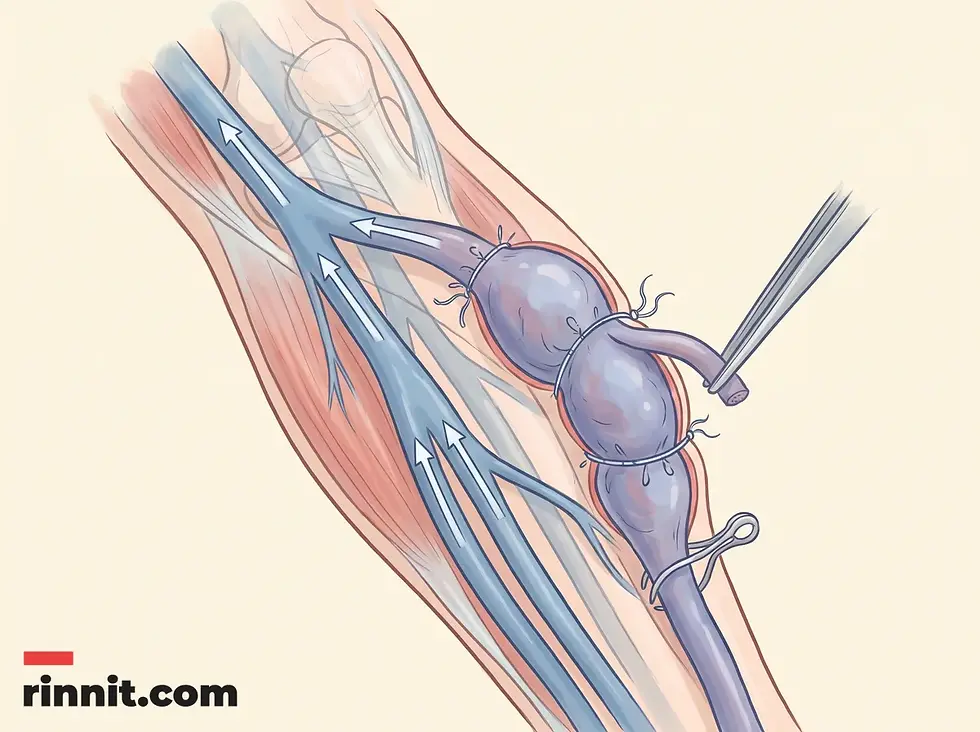
Figure 1: Illustration of the vein ligation and stripping mechanism, showing the removal of diseased venous segments to restore healthy circulation.
Indications and Benefits
Beyond cosmetic improvement, this surgery offers significant health benefits by treating the underlying causes of venous congestion. It is a primary treatment for chronic venous insufficiency (CVI), a condition often linked to previous blood clots or deep vein thrombosis (DVT). [1]
Benefit Category | Expected Outcomes |
Symptom Relief | Reduction in pain, swelling, itching, and heaviness. |
Health Improvement | Treatment of chronic venous insufficiency and prevention of skin sores. |
Aesthetic Results | Removal of visible, bulging, or discolored veins. |
Permanence | Removed veins cannot recur, though new varicose veins may develop in other vessels. |
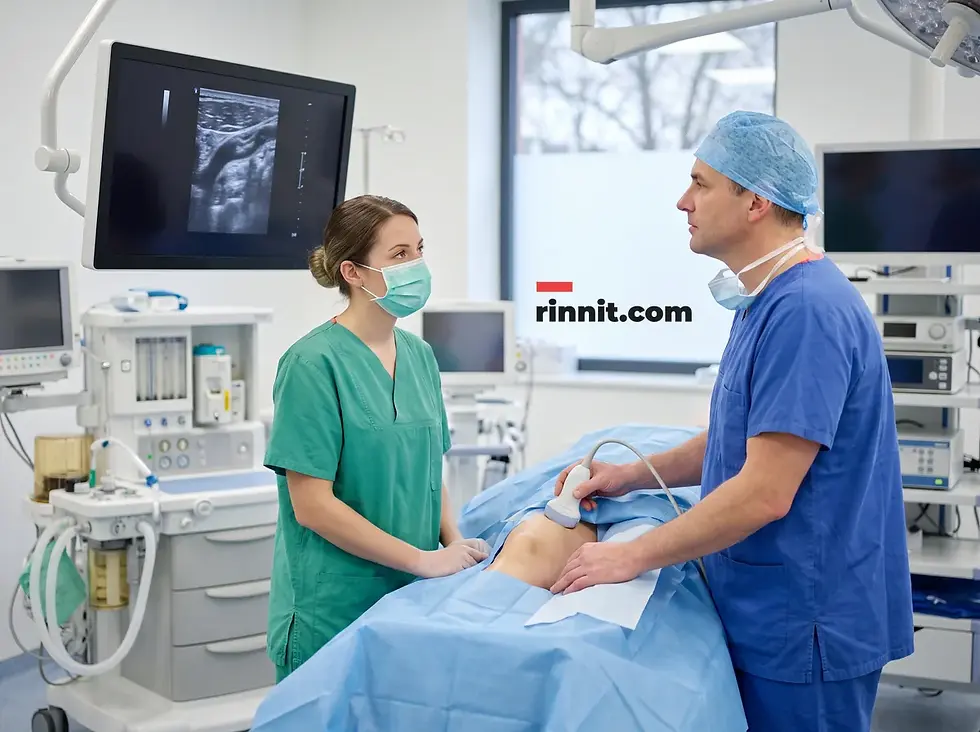
Figure 2: A professional clinical setting depicting the collaborative care environment for vascular surgery patients.
Recovery and Aftercare
Full recovery from vein ligation and stripping typically takes two to four weeks. [1] Patients are encouraged to move and walk frequently immediately after surgery to promote healthy circulation and prevent blood clots. [1] While a normal diet can be resumed right away, vigorous exercise should be avoided until the surgeon provides clearance. [1]
Effective aftercare is crucial for optimal healing. This includes keeping incision sites clean and dry, elevating the affected leg whenever resting, and wearing prescribed compression stockings. [1] These stockings provide gentle pressure that helps the remaining healthy veins move blood more efficiently toward the heart.
Risks and Complications
While generally safe when performed by an experienced vascular surgeon, all surgical procedures carry some degree of risk. Patients should discuss these potential complications with their healthcare provider during the consultation phase.
Commonly reported risks include:

Figure 3: Symbolic representation of the restored mobility and long-term wellness following successful venous treatment.
Conclusion
Vein ligation and stripping remains a cornerstone of vascular surgery for the treatment of advanced varicose veins. By removing diseased vessels and redirecting blood flow, the procedure provides lasting relief from the physical and aesthetic burdens of venous disease. For many patients, this surgery is a vital step toward restoring leg health and improving overall quality of life.
Next Steps
Consult a Specialist: Schedule an appointment with a vascular surgeon to evaluate your symptoms.
Review Medical History: Prepare a list of current medications and previous health conditions.
Plan for Recovery: Arrange for a driver on the day of surgery and prepare your home for post-operative care.
Follow Instructions: Strictly adhere to pre-surgical fasting and medication guidelines provided by your clinical team.
Sources: Cleveland Clinic — Varicose Vein Stripping and Ligation | Farah et al., 2022 | Whing et al., 2021 | Gloviczki et al., 2011
Frequently Asked Questions
1. What is the main difference between ligation and stripping?
Ligation involves tying off the vein to stop blood flow, while stripping is the physical removal of the vein from the body.
2. Is this procedure performed in a hospital?
Vein ligation and stripping is typically performed in an outpatient surgery center or a specialized vascular office.
3. How long does the surgery take?
The procedure generally lasts between one and three hours.
4. Will I be awake during the surgery?
Most patients receive general anesthesia or regional anesthesia with sedation, so they are not fully awake or feeling pain.
5. When can I go home after the procedure?
Since it is an outpatient surgery, most patients return home the same day once the anesthesia wears off.
6. How long is the total recovery time?
Most patients achieve a full recovery within two to four weeks.
7. Do I need to wear special stockings after surgery?
Yes, wearing compression stockings is a standard part of the recovery process to support circulation.
8. Can the varicose veins come back?
A removed vein cannot return, but varicose veins come back in some people within a few years, at rates similar to laser treatment.
9. Is the procedure only for cosmetic reasons?
No, it is frequently performed to treat medical symptoms like pain, swelling, and chronic venous insufficiency.
10. What are the most common side effects?
Temporary bruising, swelling, and minor discomfort at the incision sites are common.
11. When should I start walking after surgery?
Walking and moving around frequently is encouraged immediately after surgery to prevent blood clots.
12. Are there any dietary restrictions during recovery?
No, patients can typically resume their normal diet immediately after the procedure.
13. What kind of doctor performs this surgery?
A vascular surgeon, who specializes in blood vessel and circulation disorders, performs the procedure.
14. What are the signs of a post-operative infection?
Signs include fever, worsening pain, or skin that feels unusually warm to the touch near the incisions.
15. Does insurance usually cover vein ligation and stripping?
Coverage often depends on whether the procedure is deemed medically necessary due to symptoms or complications.
Related Reading
What Are Varicose Veins? A Plain-Language Guide to the Bulging, Twisted Veins That Most Often Show Up on the Legs explains why varicose veins form and the treatment options.
Endovenous Thermal Ablation: Procedure, Recovery, and Risks describes the heat-based vein closure that has largely replaced stripping.
Sclerotherapy: A Minimally Invasive Treatment for Varicose and Spider Veins explains injection treatment for smaller varicose and spider veins.
Chronic Venous Insufficiency (CVI): What It Is, Why It Happens, and How It Gets Treated covers the faulty vein valves behind leg swelling and varicose veins.
References
Cleveland Clinic. Varicose Vein Stripping and Ligation. Cleveland Clinic. October 19, 2022. https://my.clevelandclinic.org/health/treatments/17614-venous-disease-vein-ligation--stripping
Farah MH, Nayfeh T, Urtecho M, et al. A systematic review supporting the Society for Vascular Surgery, the American Venous Forum, and the American Vein and Lymphatic Society guidelines on the management of varicose veins. J Vasc Surg Venous Lymphat Disord. 2022;10(5):1155-1171. Epub 2021 Aug 24. PMID 34450355. https://doi.org/10.1016/j.jvsv.2021.08.011
Whing J, Nandhra S, Nesbitt C, Stansby G. Interventions for great saphenous vein incompetence. Cochrane Database Syst Rev. 2021;8(8):CD005624. PMID 34378180. https://doi.org/10.1002/14651858.CD005624.pub4
Gloviczki P, Comerota AJ, Dalsing MC, et al. The care of patients with varicose veins and associated chronic venous diseases: clinical practice guidelines of the Society for Vascular Surgery and the American Venous Forum. J Vasc Surg. 2011;53(5 Suppl):2S-48S. PMID 21536172. https://doi.org/10.1016/j.jvs.2011.01.079
Medical disclaimer
This content is for informational purposes only and does not constitute medical advice. Always seek the advice of a qualified healthcare provider with any questions regarding a medical condition or treatment.



Comments