Understanding Microcytic Anemia: Causes, Symptoms, and Management

Updated: 2 days ago
Medically reviewed by Dr. Baraa Alnahhal, MD · Last reviewed: September 2026
TL;DR
Microcytic anemia is a condition where red blood cells are smaller than normal because they lack sufficient hemoglobin, the protein responsible for carrying oxygen. While iron deficiency is the most common cause, other factors like genetics, chronic inflammation, or lead poisoning can also trigger the condition. Treatment focuses on addressing the underlying cause, which often resolves the anemia and restores healthy red blood cell function.
Quick Answer
Microcytic anemia occurs when your red blood cells are unusually small, typically due to low hemoglobin levels. This condition is most often caused by an iron deficiency, but it can also result from genetic disorders like thalassemia or chronic inflammatory diseases. Symptoms include fatigue, dizziness, and pale skin. Diagnosis involves blood tests like a CBC to measure cell size (MCV), and treatment varies based on the cause, ranging from iron supplements to managing chronic illnesses.
Microcytic anemia is a hematological condition characterized by red blood cells that are smaller than what is typically expected. The term "microcytic" literally means "small cell." This reduction in size occurs because the cells do not contain enough hemoglobin, the vital protein that enables red blood cells to transport oxygen throughout the body. When hemoglobin levels are low, the cells also tend to appear paler under a microscope, a characteristic known as being "hypochromic." Consequently, healthcare providers often refer to this condition as microcytic hypochromic anemia.
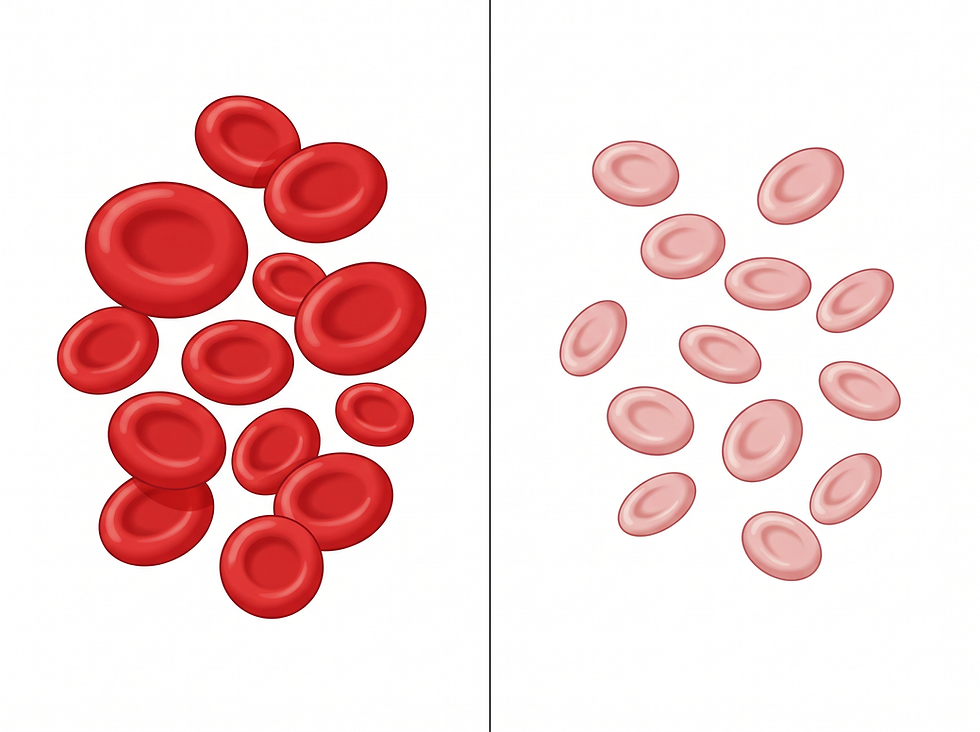
Because red blood cells are responsible for delivering oxygen to every tissue and organ, a deficiency in healthy, full-sized cells can significantly impact overall health. Microcytic anemia is not always a standalone disease; it is frequently a sign of an underlying medical issue that requires investigation and targeted treatment.
Common Causes of Microcytic Anemia
The most frequent cause of microcytic anemia is a deficiency in iron, which is a necessary building block for hemoglobin production. However, several other medical conditions and environmental factors can also lead to the development of small red blood cells.
Iron-Deficiency Anemia: The most common cause, resulting from blood loss or inadequate dietary iron.
Thalassemias: Genetic disorders that impair the body's ability to produce hemoglobin and red blood cells.
Anemia of Chronic Disease: Inflammation from long-term illnesses like cancer or autoimmune diseases affecting cell production.
Lead Poisoning: Chronic exposure to lead, which interferes with healthy blood cell development.
Sideroblastic Anemia: A rare condition where the bone marrow fails to produce normal red blood cells.
In addition to these primary causes, other factors such as nutritional deficiencies in copper, excessive zinc intake, certain prescription medications, and chronic alcohol use can contribute to the condition.
Recognizing the Symptoms
The symptoms of microcytic anemia often develop gradually, meaning an individual might not notice changes in their health immediately. As the body struggles to circulate enough oxygen, several common signs may emerge:
Fatigue and Weakness: A persistent feeling of tiredness that does not improve with rest.
Dizziness: Feeling lightheaded or unsteady, especially when standing up quickly.
Pallor: Skin that appears noticeably paler than usual.
Tachycardia: A fast or irregular heartbeat as the heart works harder to pump oxygen.
Dyspnea: Shortness of breath, particularly during physical activity.
Skin Changes: Dry skin or skin that bruises more easily than normal.
Diagnostic Procedures
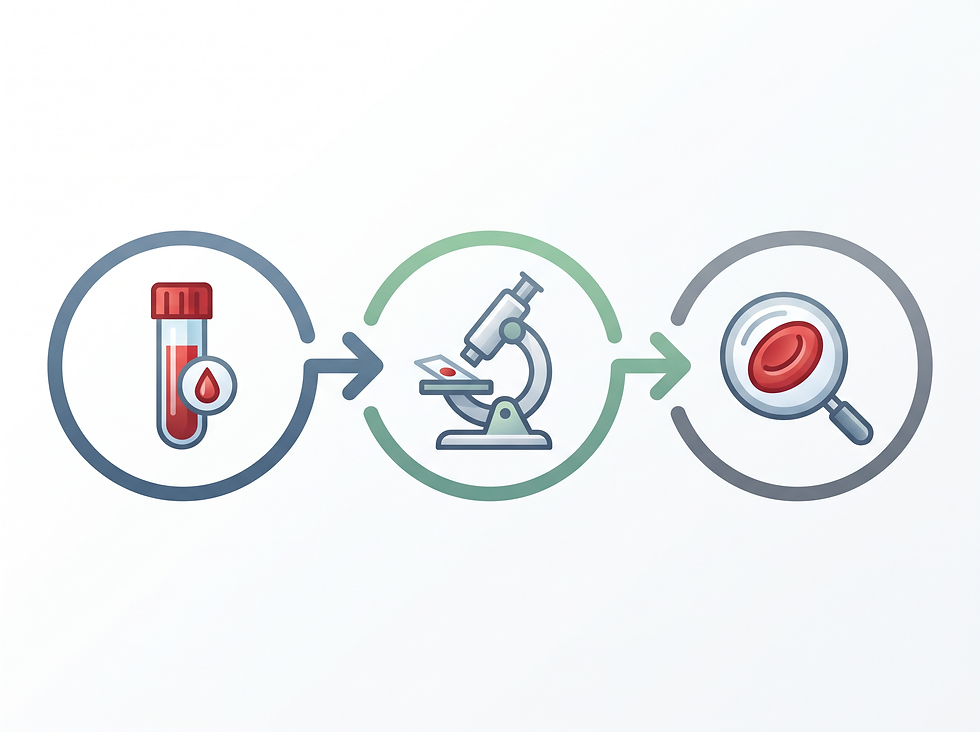
Healthcare providers primarily use blood tests to diagnose microcytic anemia and determine its severity. The most common starting point is a Complete Blood Count (CBC), which provides detailed information about hemoglobin levels and the physical characteristics of red blood cells.
A key measurement in the CBC is the Mean Corpuscular Volume (MCV), which measures the average size of the red blood cells. A diagnosis of microcytosis is typically made if the MCV value is less than 80 femtoliters (fL). Following a CBC, providers may perform a Peripheral Blood Smear (PBS) to visually examine the cells under a microscope for size and color. Iron studies, including ferritin and Total Iron-Binding Capacity (TIBC) tests, are also used to assess how the body stores and utilizes iron.
Management and Treatment Strategies
Treatment for microcytic anemia is entirely dependent on identifying and addressing the underlying cause. Once the primary issue is managed, the anemia usually improves or resolves completely.
For those with iron-deficiency anemia, the standard treatment involves oral iron supplements. In cases where the body cannot absorb oral iron or if the deficiency is severe, iron infusions may be necessary. If the anemia is caused by a chronic inflammatory disease, such as rheumatoid arthritis or chronic kidney disease, treating that condition is the most effective way to restore healthy blood cell levels. In emergency situations involving significant blood loss, a blood transfusion may be required to quickly stabilize the patient.
Outlook and Prevention
The long-term outlook for someone with microcytic anemia is generally positive, especially when the cause is a reversible factor like iron deficiency. In such cases, something as simple as dietary changes or temporary supplementation can reverse the condition. However, if the anemia is a sign of a chronic or genetic disorder, it may require lifelong management.
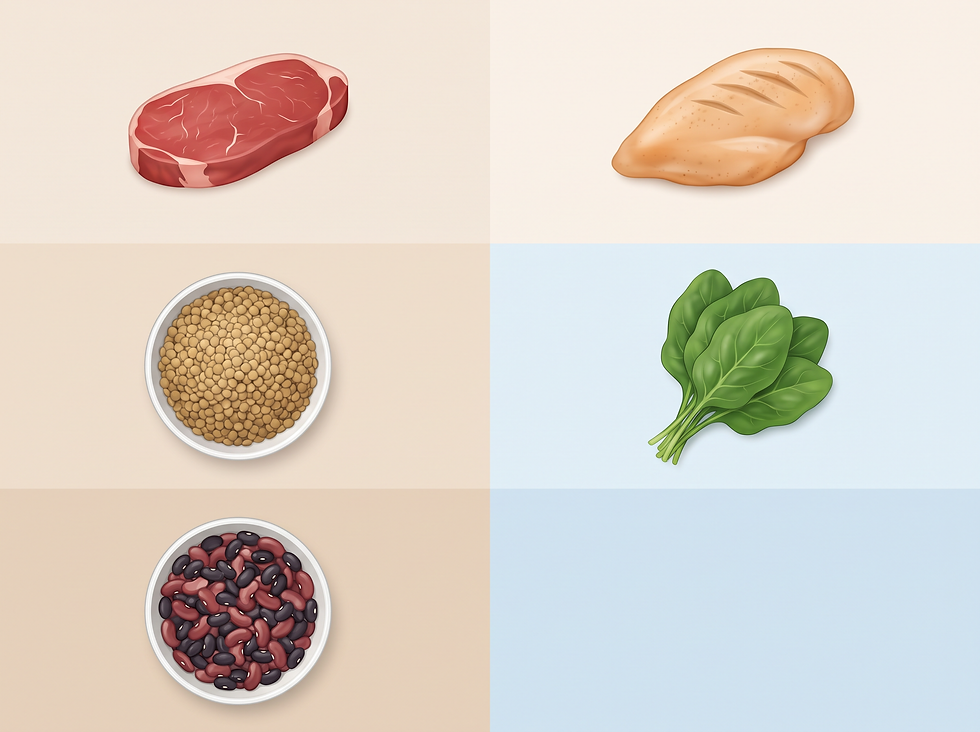
While not all causes of microcytic anemia are preventable, maintaining a diet rich in iron can lower the risk of the most common form. Iron-rich foods include beef, chicken, lentils, beans, broccoli, and dark leafy greens. Additionally, staying hydrated, getting adequate sleep, and limiting alcohol intake are important self-care steps for maintaining overall blood health.
Conclusion
Microcytic anemia serves as an important indicator of a person's internal health, often pointing toward nutritional gaps or underlying inflammatory processes. While the symptoms like fatigue and dizziness can be disruptive, modern diagnostic tools allow for precise identification of the cause. By working closely with a healthcare team to address the root issue, most individuals can successfully manage the condition and regain their energy and well-being.
When to Seek Care
If you are experiencing persistent fatigue, unexplained bruising, or shortness of breath, consult a healthcare provider for a blood evaluation. Early diagnosis of the underlying cause of microcytic anemia is the most effective way to prevent complications and start a personalized treatment plan.
Frequently Asked Questions
What is microcytic anemia?
It is a condition where red blood cells are smaller than normal due to a lack of hemoglobin.
What does "hypochromic" mean?
It refers to red blood cells that are paler than normal, usually because they contain less hemoglobin.
What is the most common cause of microcytic anemia?
Iron deficiency is the leading cause, often due to blood loss or poor diet.
What are the symptoms of microcytic anemia?
Common symptoms include fatigue, dizziness, pale skin, fast heartbeat, and shortness of breath.
How is microcytic anemia diagnosed?
It is diagnosed through blood tests like a Complete Blood Count (CBC) and iron studies.
What is a normal MCV value?
A Mean Corpuscular Volume (MCV) below 80 femtoliters (fL) typically indicates microcytic anemia.
Can genetics cause microcytic anemia?
Yes, genetic disorders like thalassemia affect the body's ability to make healthy hemoglobin.
What is the treatment for iron-deficiency anemia?
Treatment usually involves iron supplements or, in some cases, iron infusions.
Can chronic diseases cause this type of anemia?
Yes, long-term inflammatory conditions like cancer or autoimmune diseases can lead to anemia of chronic disease.
Is microcytic anemia reversible?
It is often reversible if the cause is nutritional, but genetic causes may require lifelong management.
What foods are high in iron?
Beef, chicken, lentils, beans, broccoli, and dark leafy greens are excellent sources of iron.
Can lead poisoning cause microcytic anemia?
Yes, long-term exposure to lead can interfere with the production of healthy red blood cells.
Do I need a blood transfusion for microcytic anemia?
Transfusions are generally reserved for severe cases involving heavy blood loss.
Can alcohol use affect red blood cells?
Excessive alcohol consumption is a potential cause of microcytic anemia.
When should I see a doctor about these symptoms?
You should see a provider if you notice persistent fatigue, dizziness, or any other changes in your health.
Medical Disclaimer
The information provided in this article is for educational purposes only and is not intended as a substitute for professional medical advice, diagnosis, or treatment. Always seek the advice of your physician or other qualified health provider with any questions you may have regarding a medical condition.
Comments