Recognizing Pyromania: More Than Just a Fascination with Fire

Updated: 2 days ago
Medically reviewed by Dr. Baraa Alnahhal, MD · Last reviewed: September 2026
Pyromania is a rare impulse control disorder characterized by a repeated, irresistible urge to deliberately set fires. Unlike arson committed for profit or crime, pyromania is driven by internal emotional tension and a subsequent sense of relief or pleasure. While often chronic if left untreated, it is manageable through a combination of cognitive behavioral therapy and specific medications.
Quick answer: Pyromania is a rare psychiatric condition where individuals experience an uncontrollable desire to start fires to release emotional tension. It is classified as an impulse control disorder, primarily affecting males and often developing around age 18. Diagnosis requires deliberate fire-setting on multiple occasions accompanied by emotional arousal before the act and gratification afterward. Treatment typically involves cognitive behavioral therapy and may include medications like antiseizure drugs or SSRIs to manage underlying impulses.
What Is Pyromania?
Pyromania represents a complex behavioral health challenge where the act of setting fires serves as a maladaptive mechanism for emotional regulation. Individuals with this condition often recognize the inherent danger and harm associated with fire but find themselves unable to resist the psychological pressure to ignite one. This internal conflict is a hallmark of impulse control disorders, where the brain's rational thought centers struggle to communicate effectively with emotional control regions.
The condition is relatively rare, which has limited the scope of large-scale clinical studies. However, it is understood that the behavior is not motivated by external gains such as financial profit, political statements, or the concealment of criminal activity. Instead, the motivation is purely psychological, centered on the cycle of tension and release.
Clinical Symptoms and Behavioral Patterns
The primary indicator of pyromania is the presence of frequent, irresistible urges to start fires. These urges are often accompanied by an intense fascination with fire and a strong interest in fire-related objects, tools, or facts. Many individuals may spend excessive time at local fire departments or even seek employment as firefighters to remain in close proximity to fire.
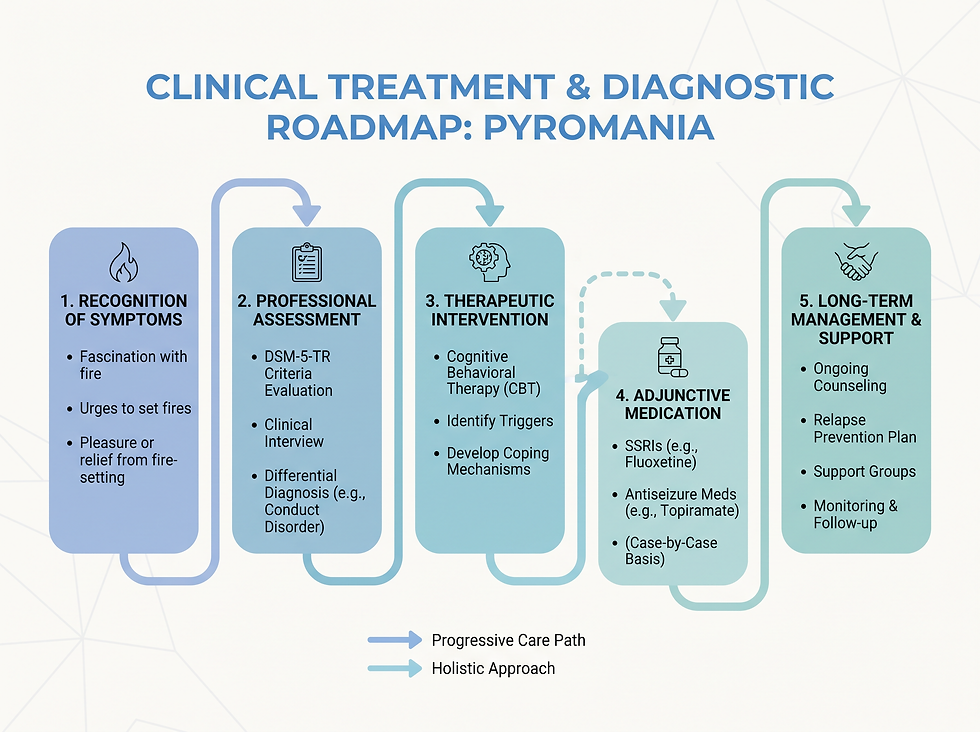
Signs and symptoms of pyromania include frequent, irresistible urges to set fires, intense fascination with fire, and feeling relief or pleasure once you set a fire.
Symptom Category | Common Behaviors |
Emotional State | Intense tension or arousal before setting a fire; gratification or relief afterward. |
Fascination | Excessive interest in fire-starting tools, fire facts, and witnessing the aftermath of fires. |
Obsessive Actions | Regularly watching neighborhood fires; creating incendiary devices; visiting fire stations. |
Causes and Risk Factors
While the exact etiology of pyromania remains under investigation, clinical evidence suggests a combination of genetic, biological, and environmental factors. Research indicates that miscommunication between the brain's emotional control center and the regions responsible for rational planning may play a significant role.
Several specific risk factors have been identified that increase the likelihood of developing the condition:
Demographics: The condition most frequently affects males and typically emerges around the age of 18.
Psychological Profile: A lower-than-average IQ and a history of childhood abuse are common among affected individuals.
Co-occurring Conditions: Pyromania often exists alongside other mental health challenges, including depression, bipolar disorder, and substance use disorders.
Family History: A strong biological family history of impulse control or mood disorders may increase susceptibility.

Diagnosis and Treatment Pathways
A formal diagnosis of pyromania is based on specific criteria outlined in the DSM-5-TR. Mental health professionals must confirm that fire-setting is deliberate, repeated, and specifically motivated by emotional release rather than external factors like financial gain or delusions.
Diagnostic Step | Purpose |
Clinical Interview | Assessing the history and frequency of fire-setting behaviors. |
Psychological Assessment | Evaluating for co-occurring conditions like ADHD or mood disorders. |
Motivator Screening | Ruling out other motives such as profit, crime, or hallucinations. |
Treatment is primarily focused on psychotherapy, specifically Cognitive Behavioral Therapy (CBT). Through CBT, individuals learn to identify negative thought patterns and develop healthier coping mechanisms to manage their impulses. Family or multisystemic therapy may also be utilized to create a supportive and safe environment for the patient.
Medications are often used as an adjunct to talk therapy. Common options include antiseizure medications like topiramate, antipsychotics such as olanzapine, and selective serotonin reuptake inhibitors (SSRIs) to address underlying mood or impulse issues.
Outlook and Safety Considerations
Without professional intervention, pyromania typically becomes a chronic, lifelong condition. The consequences can be severe, including significant personal injury, legal complications such as arson charges, and long-term imprisonment. In extreme cases, the inability to control the urge to set fires can lead to life-threatening situations for both the individual and the community.

Conclusion and Next Steps
Pyromania is a serious psychiatric condition that requires specialized clinical attention. By understanding the underlying psychological drivers and recognizing the early warning signs, patients and their families can seek the necessary support to break the cycle of impulsive behavior. With dedicated therapy and appropriate medical management, individuals can learn to regulate their emotions and maintain a safe, productive life.
If you or a loved one is experiencing uncontrollable urges to set fires or an obsessive fascination with fire that interferes with daily life, contact a mental health professional immediately. Early intervention is essential for managing impulse control disorders and preventing serious legal or physical consequences.
Frequently Asked Questions
Is pyromania the same as arson?
No, arson is a legal term for setting fires for motives like profit or crime, whereas pyromania is a psychiatric condition driven by emotional tension.
Can children have pyromania?
Yes, though it most often develops around age 18, it can affect children as well.
What is the primary cause of pyromania?
The exact cause is unknown but involves a mix of genetics, environment, and brain biology.
Is there a cure for pyromania?
While it is often chronic, it is highly treatable with therapy and medication.
Does ADHD cause pyromania?
No, but ADHD can affect impulse control, which may increase the risk of developing pyromania.
Are pyromaniacs dangerous?
The behavior is inherently dangerous due to the risk of uncontrolled fire, which can lead to injury or death.
Do people with pyromania feel guilty?
People with pyromania typically feel relief or pleasure after setting a fire, though they may recognize that the behavior is harmful.
How rare is pyromania?
It is considered a very rare behavioral condition.
Can medication stop the urges?
Medications like antiseizure drugs or SSRIs can help manage the impulses when used with therapy.
Is pyromania lifelong?
Without treatment, it typically becomes a chronic, lifelong condition.
What is the "tension" felt before a fire?
It is an internal emotional arousal that builds up until the act of setting a fire provides release.
Can firefighters have pyromania?
Some individuals with the condition may become firefighters to be closer to fires.
Is pyromania linked to abuse?
A history of child abuse is a recognized risk factor for the condition.
How is it diagnosed?
A psychiatrist or psychologist uses DSM-5-TR criteria through interviews and assessments.
What should I do if I suspect someone has pyromania?
Encourage them to speak with a healthcare provider or mental health professional immediately.
Medical Disclaimer: The information provided in this article is for educational purposes only and should not be used as a substitute for professional medical advice, diagnosis, or treatment. Always seek the advice of your physician or other qualified health provider with any questions you may have regarding a medical condition.
Comments