Parotidectomy: Understanding Salivary Gland Tumor Surgery

Updated: 2 days ago
Medically reviewed by Dr. Baraa Alnahhal, MD · Last reviewed: September 2026
TL;DR: A parotidectomy is a surgical procedure to remove all or part of the parotid gland, the largest salivary gland, located in front of the ear. It is primarily used to treat tumors, salivary stones, or chronic infections. While major surgery, it is highly effective at curing benign conditions and managing cancerous growths. Recovery typically takes a few weeks, though full nerve function restoration may take up to a year.
Quick Answer: What Is a Parotidectomy?
A parotidectomy involves the surgical removal of part or all of the parotid salivary gland to treat tumors or obstructions. Performed under general anesthesia, the procedure takes two to four hours and requires careful navigation around the facial nerve. Most patients return to normal activities within two weeks, though minor side effects like facial numbness can persist for several months. Long-term monitoring is essential for cancerous cases to ensure early detection of recurrence.
Overview of the Procedure
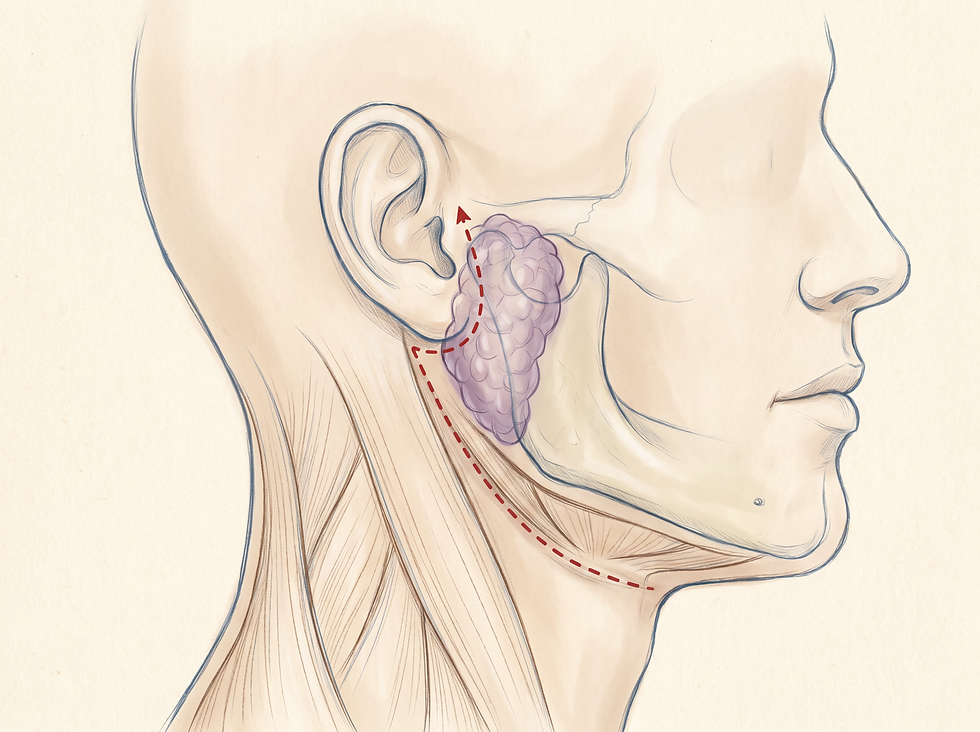
The parotid gland is one of the major salivary glands responsible for producing saliva that aids in swallowing and digestion. When this gland develops a tumor, whether noncancerous or malignant, or becomes blocked by a salivary stone, a parotidectomy may be necessary. Surgeons categorize the procedure based on the depth of the tissue being removed relative to the facial nerve, which controls facial expressions and passes directly through the gland.
Feature | Superficial Parotidectomy | Total Parotidectomy |
Primary Target | Tumors in the superficial layer | Tumors in the deep layer or both layers |
Nerve Relation | Tissue above the facial nerve removed | Tissue below or on both sides removed |
Common Use | Benign tumors and small stones | Larger tumors or extensive disease |
Preparing for Surgery
Preparation for a parotidectomy begins with a thorough evaluation by an otolaryngologist. Diagnostic steps often include fine-needle aspiration (FNA) to determine if a tumor is cancerous and imaging scans like CT or MRI to map the location of the facial nerve. Patients are generally advised to quit smoking and may need to adjust their current medications or supplements. Fasting is required before the procedure as it is performed under general anesthesia.
Surgical Experience and Risks
During the surgery, which typically lasts between two and four hours, an incision is made in front of the ear and extended down toward the neck. Surgeons often use facial nerve monitoring devices to protect the delicate nerve fibers while removing the affected tissue. Once the gland is removed, a surgical drain is inserted to manage fluid collection before the incision is closed.
While the procedure is effective, it carries specific risks related to the proximity of the facial nerve. Temporary numbness or facial weakness is common and can last from a few weeks to a year. Rare complications include Frey's syndrome, characterized by sweating while eating, and first bite syndrome, which causes sharp pain during the initial bite of a meal.
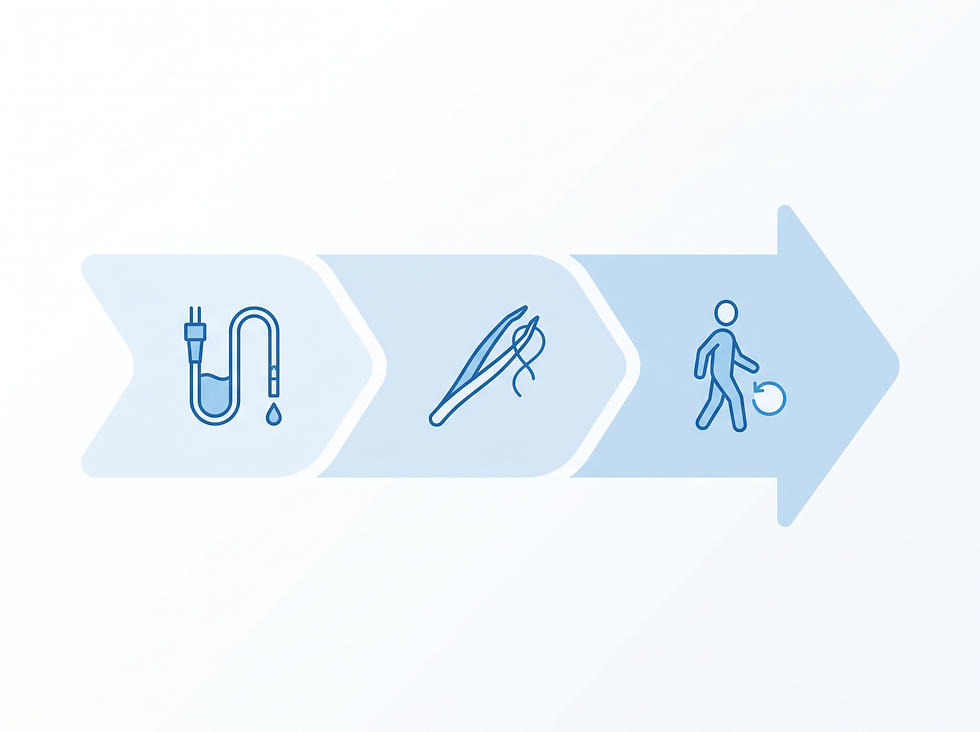
Milestone | Expected Timeline |
Hospital Stay | Same-day or overnight depending on complexity |
Drain Removal | 1 to 2 days post-surgery |
Suture Removal | 5 to 7 days post-surgery |
Return to Activity | Approximately 2 weeks |
Nerve Recovery | 3 months to 1 year for full sensation |
Recovery and Long-Term Outlook
Immediate recovery occurs in a monitored setting where healthcare providers check vital signs and confirm facial nerve function by asking the patient to smile or close their eyes. Patients must follow specific wound care instructions and monitor for signs of infection, such as persistent pain, bad smells, or unusual discharge.
For those treated for cancerous tumors, a long-term follow-up schedule is established, which may span up to 20 years. This rigorous monitoring ensures that any recurrence is caught early. While the process can be stressful, survivorship support services are often available to help manage the emotional aspects of long-term care.
Conclusion
A parotidectomy is a vital intervention for addressing salivary gland tumors and chronic obstructions. By carefully removing the affected tissue while preserving the facial nerve, surgeons can effectively treat both benign and malignant conditions. Although the recovery period requires patience, particularly regarding nerve sensation, most patients successfully return to their daily routines within a few weeks of the operation.
Next Steps
Consult with an otolaryngologist to discuss the specifics of your diagnosis and the recommended type of parotidectomy.
Complete all prescribed diagnostic tests, including FNA and imaging, to assist in surgical planning.
Arrange for a caregiver to assist you during the first 24 to 48 hours following your discharge from the hospital.
Establish a clear follow-up schedule with your care team to monitor healing and long-term health.

Frequently Asked Questions
1. What is a parotidectomy? It is a surgical procedure to remove part or all of the parotid salivary gland, usually to treat a tumor or a salivary stone.
2. Where is the parotid gland located? It is located in front of and slightly below each ear.
3. Is the surgery performed under general anesthesia? Yes, patients are asleep during the entire two-to-four-hour procedure.
4. What is the difference between superficial and total parotidectomy? Superficial removes the layer above the facial nerve, while total removes the deep layer or the entire gland.
5. How long does the surgery take? The procedure typically lasts between two and four hours.
6. Will I have a scar after the procedure? An incision is made in the natural creases of the skin to minimize the visibility of the scar as it heals.
7. What is a surgical drain? A small tube inserted at the wound site to catch blood or fluid that collects after surgery; it is usually removed within two days.
8. Is facial numbness normal after surgery? Yes, numbness in the ear or face is common and typically resolves within three months to a year.
9. What is Frey's syndrome? A potential side effect where a person sweats on the side of their face when eating.
10. What is first bite syndrome? A condition where a patient feels sharp pain in the jaw area when taking their first bite of food.
11. When can I return to work? Most patients can return to their usual activities, including work, after about two weeks.
12. How long do I need follow-up care for cancer? Follow-up care for cancerous tumors can last for up to 20 years.
13. Can parotid tumors come back? While many surgeries are curative, cancerous tumors have a risk of recurrence, necessitating long-term monitoring.
14. When should I call my doctor during recovery? Contact your provider if you experience fever, pus from the wound, persistent pain, or a bad smell from the incision.
15. Does the surgery affect my ability to make saliva? Since you have other salivary glands, removing one parotid gland generally does not cause significant dryness in the mouth.
Further Reading
Medical disclaimer: This article is for informational purposes only and does not constitute medical advice. Always seek the guidance of a qualified healthcare provider for any questions regarding a medical condition or treatment.
Source date: June 3, 2025.
Comments