Natural Antidepressants: Boosting Mood Through Lifestyle and Nutrition

Updated: 3 days ago
Medically reviewed by Dr. Baraa Alnahhal, MD · Last reviewed: October 2026
Natural antidepressants are non-medication options, including foods, supplements, physical activity, and daily habits, that may ease symptoms of depression and support mood and brain function [1].
Quick Answer: What are natural antidepressants?
Natural antidepressants are non-medication options that may relieve depression symptoms, including omega-3-rich foods, supplements, physical activity, sleep, sunlight and mindfulness. They are mostly considered for mild to moderate depression or alongside standard treatment. Exercise is usually safest, while supplements carry risks like drug interactions. Talk to your healthcare provider before starting or stopping anything. [1]
What the research says
Exercise worked as a treatment for depression in a large pooled analysis. A network meta-analysis of 218 randomized trials (14,170 participants with major depression) found moderate reductions in depression compared with active controls for walking or jogging (Hedges' g −0.62), yoga (−0.55), and strength training (−0.49). Confidence in the evidence was low to very low, and the effect grew with exercise intensity (Noetel et al., BMJ, 2024).
Omega-3s help mainly when they are rich in EPA. A meta-analysis of 26 double-blind, placebo-controlled trials (2,160 participants) found a small overall benefit on depression symptoms (SMD −0.28). Formulations with at least 60% EPA at 1 g/day or less showed clinical benefit, while DHA-only formulations did not (Liao et al., Transl Psychiatry, 2019).
A guided diet program improved depression in one small trial. In the 12-week SMILES trial of 67 adults with moderate to severe depression, 32.3% of the diet group reached remission versus 8.0% of the social-support group. The trial was small and the diet support was added to existing treatment (Jacka et al., BMC Med, 2017).
What Are Natural Antidepressants?
Natural antidepressants are non-medication treatment options that may relieve depression symptoms. The group includes foods, supplements, and activities you can try. Many people think of “natural” as anything not made by humans, but some supplements are considered natural, which blurs that definition [1].
Natural options are mainly considered for mild symptoms or as extra support alongside standard treatment; evidence that supplements can replace antidepressant medicine or therapy is limited, so decide any change with your healthcare provider [1].
Types of Natural Antidepressants
Type | Examples |
Nutritional supplements | Omega-3 fatty acids (fish oil), SAMe, probiotics |
Herbs and plant extracts | Saffron |
Vitamins and minerals | B-vitamins (thiamine, L-methylfolate, B12), magnesium, vitamin D |
Foods | Mediterranean diet; limiting processed foods, refined carbohydrates, and sugars; omega-3-rich and nutrient-dense foods such as seafood and leafy greens |
Physical activities | Aerobic exercise (walking, swimming), strength training, yoga, cycling, dance |
Habit changes | Sunlight exposure, enough sleep, meditation, mindfulness techniques |
Alternative therapies | Acupuncture and massage therapy |
Source: Cleveland Clinic [1].
How do natural antidepressants work?
Natural antidepressants may support brain health in several ways [1]:
Encouraging brain cells to communicate better
Supporting gut health, which can affect how you feel
Lowering inflammation, which may benefit the brain
Supporting mood-regulating chemicals such as serotonin and dopamine
Not all options work the same way, and some still need more research to confirm how effective they are.
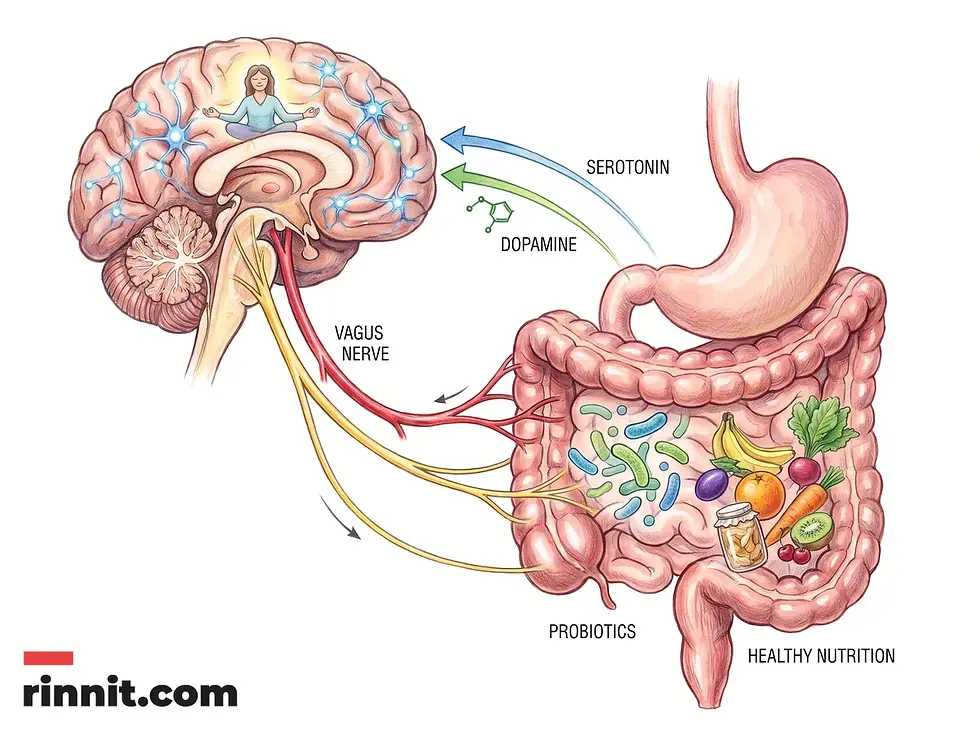
The gut-brain connection: nutrition, probiotics, and the vagus nerve all influence the chemicals that shape mood.
Who may consider natural antidepressants?
You may consider these options if you [1]:
Have mild to moderate depression symptoms
Prefer non-medical treatments over other options
Need extra support along with standard depression treatment
The decision should be made with guidance from your healthcare provider.
Which natural antidepressants are the most studied?
No single natural antidepressant works for everyone, but well-studied options include exercise, L-methylfolate, omega-3 fatty acids, probiotics, saffron, SAM-e and vitamin D. These are some of the most studied options to discuss with your provider [1]:
Exercise
L-methylfolate
Omega-3 fatty acids (fish oil)
Probiotics
Saffron
SAM-e
Vitamin D
Exercise: The Safest Starting Point
Physical activity is usually a safe choice. You might feel sore or risk a small injury, but walking, yoga, or swimming can offer many mental health benefits [1]. Exercise can lift mood quickly, but staying active is what builds lasting results.

Gentle activity such as yoga, combined with sunlight and a calm space, is a low-risk way to support mood.
What are the benefits and risks of natural antidepressants?
Natural antidepressants may improve mood with fewer side effects than medications, but they can cause dangerous interactions, allergic reactions or toxicity and have unknown long-term safety.
What to know | |
Potential benefits | Better treatment support when combined with other therapies; easier availability; fewer side effects than medications; improved mood; stronger overall health and well-being |
Potential risks | Dangerous interactions with other medications; poor quality in some products; side effects such as allergic reactions or toxicity; unknown long-term safety for many supplements; lack of safety with certain health conditions |
Even though these products are natural, they are not completely safe for everyone [1]. Many natural remedies can interact with your current medications or affect your body if you have certain health conditions, so always talk to your provider before starting anything new.
How Long Does It Take to Feel Better?
Natural treatments take time and do not work right away. You may need to use them every day for a few weeks before you feel better. Eating nutrient-dense foods can improve mood and energy, but usually gradually. Staying consistent is key, and if you do not feel better after a couple of months, talk to your healthcare provider about other options [1].

A balanced approach combines healthy habits with professional guidance.
When should you talk to a healthcare provider about natural antidepressants?
Talk to your healthcare provider before starting or stopping any natural antidepressant, tell them about side effects and seek help right away if you have thoughts of suicide or self-harm.
Follow your provider's instructions when using any remedy, and tell them about any side effects.
Do not stop or start a treatment without their guidance.
If you have thoughts of suicide, self-harm, or harming others, contact your healthcare provider right away or call your local emergency number. In the U.S., you can call or text 988 to reach the Suicide and Crisis Lifeline, available 24/7.
What is the bottom line on natural antidepressants?
Natural antidepressants, including exercise, nutrient-dense foods, certain supplements, and healthy habits, can support mood and brain health, especially for mild to moderate depression or alongside standard care. They work best when used consistently and with your healthcare provider's guidance, because natural does not always mean safe [1].
Frequently Asked Questions
What are natural antidepressants?
Natural antidepressants are non-medication options, such as specific foods, supplements, and lifestyle habits, that may help relieve symptoms of depression and improve mood.
What is the safest natural antidepressant?
Physical activity is usually a safe choice. Walking, yoga, or swimming can offer many mental health benefits, though you might feel sore or risk a small injury.
How do natural antidepressants work in the brain?
Natural antidepressants may encourage better communication between brain cells, support gut health, lower inflammation, and support mood-regulating chemicals such as serotonin and dopamine. Not all options work the same way, and some still need more research.
What are the most studied natural options for mood?
The most studied options include exercise, L-methylfolate, omega-3 fatty acids (fish oil), probiotics, saffron, SAM-e, and vitamin D.
Can natural antidepressants replace medication?
Evidence that natural options can replace antidepressant medicine or therapy is limited, so any change should only be decided with your healthcare provider. They are most often considered for mild to moderate depression or as extra support alongside standard treatment. Never stop or change a prescribed medication on your own.
How long does it take to see results?
Natural treatments take time. You may need to use them every day for a few weeks before you feel better. Exercise can lift mood right away, but you need to stay active for lasting results. If you do not feel better after a couple of months, talk to your healthcare provider about other options.
What foods act as natural antidepressants?
Foods linked to better mood include those rich in omega-3 fatty acids (such as seafood), leafy greens and other nutrient-dense foods, and a Mediterranean-style diet. Cleveland Clinic also advises avoiding processed foods, refined carbohydrates, and sugars.
Are natural supplements regulated by the FDA?
Most supplements are not approved by the U.S. Food and Drug Administration, so they are not held to the same strict regulations as prescription medications. Quality and safety can vary between products.
Can natural remedies interact with prescriptions?
Yes. Many natural remedies can interact with your current medications or affect your body if you have certain health conditions, so talk to your healthcare provider before starting anything new.
What are the risks of using natural antidepressants?
Possible risks include dangerous interactions with other medications, poor product quality, side effects such as allergic reactions or toxicity, unknown long-term safety for many supplements, and lack of safety with certain health conditions.
Related Resources
Related reading on Rinnit:
External resource for deeper reading:
References
Cleveland Clinic. Natural antidepressants. Cleveland Clinic Health Library. Medically reviewed; last updated August 29, 2025. https://my.clevelandclinic.org/health/treatments/natural-antidepressants
Noetel M, Sanders T, Gallardo-Gómez D, et al. Effect of exercise for depression: systematic review and network meta-analysis of randomised controlled trials. BMJ. 2024;384:e075847. PMID: 38355154. DOI: 10.1136/bmj-2023-075847
Liao Y, Xie B, Zhang H, et al. Efficacy of omega-3 PUFAs in depression: a meta-analysis. Transl Psychiatry. 2019;9(1):190. PMID: 31383846. DOI: 10.1038/s41398-019-0515-5
Jacka FN, O'Neil A, Opie R, et al. A randomised controlled trial of dietary improvement for adults with major depression (the 'SMILES' trial). BMC Med. 2017;15(1):23. PMID: 28137247. DOI: 10.1186/s12916-017-0791-y
Medical disclaimer
This article is for informational purposes only and is not a substitute for professional medical advice, diagnosis, or treatment. Always seek the advice of your physician or other qualified health provider with any questions you may have about a medical condition.



Comments