Lumbar Sympathetic Block: Purpose, Procedure, Risks and Recovery

Updated: 2 days ago
Medically reviewed by Dr. Baraa Alnahhal, MD · Last reviewed: October 2026
Quick Answer: What is a lumbar sympathetic block?
A lumbar sympathetic block is an image-guided injection near the sympathetic nerves in the lower back. It may temporarily reduce leg or foot pain, help show whether those nerves contribute to pain or help manage pain after surgery. Relief varies: some people notice an immediate change, and longer-term relief may last from a few days to several weeks.

What the research says
For complex regional pain syndrome, high-quality evidence that sympathetic blocks reduce pain is lacking. A Cochrane review of local-anesthetic sympathetic blockade (12 studies, 461 participants; all at high or unclear risk of bias, with low to very low quality evidence) found no significant short-term benefit over placebo or sham in two small trials (32 participants). The authors concluded that the limited data do not suggest the block is effective for reducing pain in this condition, and the six studies that reported adverse events described only minor effects (O’Connell et al., Cochrane Database of Systematic Reviews, 2016; DOI).
In a lower-limb CRPS cohort, fewer than half of patients had a successful response to lumbar sympathetic blocks. Among 98 people with lower-extremity CRPS type 1 who received two lumbar sympathetic blocks within a month, 43.9% (43 of 98) had at least a 50% reduction in pain scores. A disease duration under 12 months and a low baseline sympathetic skin response amplitude (below 510 µV) predicted success (Xu et al., Pain and Therapy, 2023; DOI).
Serious complications are very rare, but they can happen. A 2025 case report described an 81-year-old woman with CRPS who developed a retroperitoneal hemorrhage after an ultrasound-guided lumbar sympathetic block. She needed emergency drainage and arterial embolization, and her limb function fully recovered. The authors describe this bleeding as an extremely rare and severe complication (Bai et al., BMC Neurology, 2025; DOI).
Key Takeaways
Feature | Details |
What it is | An image-guided injection near sympathetic nerves in the lower back that may temporarily reduce pain in a leg or foot. [1] |
Possible purposes | Temporary pain relief, help identifying the source of pain, and pain control around surgery. [1] |
Setting | Usually an outpatient procedure; you lie on your stomach and X-ray imaging guides the needle. [1] |
Duration | Usually fewer than 30 minutes. [1] |
After the block | The leg may feel warm, numb, weak or “different” for a short time; avoid rigorous activity for 24 hours. [1] |
How long relief lasts | A few days to several weeks; some people need a series of injections. [1] |
Not guaranteed | Not everyone experiences relief, and other treatment options may be needed. [1] |
What is the sympathetic nervous system?
Nerves carry electrical signals between the brain and the rest of the body. These signals support sensation, including touch and pain, and help muscles move. [1]
Sympathetic nerves are part of the autonomic nervous system. They help maintain functions such as sweating, blood pressure and breathing without requiring conscious attention. After an injury, sympathetic nerves can sometimes contribute to pain signals. [1]
Lumbar sympathetic nerves are located near the front of the lumbar spine, close to the L1 through L4 vertebrae. A lumbar sympathetic block targets these nerves to change pain signaling and, in some cases, influence blood flow or excessive sweating. [1]
Why might a lumbar sympathetic block be recommended?
Healthcare professionals may use a lumbar sympathetic block for lower-extremity symptoms when sympathetic nerves are thought to contribute to pain or other body functions. There are three broad purposes: treatment, diagnosis and pain management around surgery. [1]
Temporary pain relief
A block may provide temporary relief for acute pain or chronic pain. It may reduce inflammation in affected nerves and allow damaged nerves to heal. [1]
Diagnostic information
If the source of pain is uncertain, a block may help test whether the targeted nerves contribute to the symptoms. Relief after the injection generally suggests that the targeted nerves may be involved. Lack of relief suggests that the pain may be coming from another source. [1]
This diagnostic role is one part of a professional evaluation. It should not be interpreted as a self-diagnosis or as proof that a single structure explains every symptom. [1]
Pain control around surgery
An anesthesiologist or surgeon may administer a lumbar sympathetic block before surgery to help manage pain after the procedure. [1]
Which conditions may involve a lumbar sympathetic block?
A healthcare professional may consider the block when certain conditions affect a lower extremity. The list below names conditions for which it may be considered; it is not a diagnosis checklist. [1]
Condition or symptom context | How it relates to the block |
A possible pain-related indication involving a lower extremity. [1] | |
A possible indication after limb loss. [1] | |
Hyperhidrosis | The block may affect excessive sweating. [1] |
Critical limb ischemia | A possible lower-extremity vascular indication. [1] |
A possible nerve-pain indication. [1] | |
Nerve pain after shingles may be considered. [1] | |
A possible condition involving blood-flow symptoms. [1] | |
Cancer pain | A possible pain-related indication. [1] |
Vascular pain | A possible lower-extremity pain context. [1] |
Having one of these conditions does not mean that a lumbar sympathetic block is appropriate. The treating professional considers the symptoms, medical history, examination and other treatment options. [1]
How should you prepare for a lumbar sympathetic block?
Most people do not need special preparation. If sedation is planned, the healthcare professional may instruct you to fast for six to eight hours and arrange for someone else to drive you home. [1]
Follow the instructions provided for your appointment. Ask what to do about regular medicines, food, drink, transportation and the expected length of the visit. Regular diet and medications can usually continue immediately after the procedure, but appointment-specific instructions should take priority. [1]
Before the procedure | What to know |
Fasting | Usually not needed unless sedation is planned; sedation may require six to eight hours of fasting. [1] |
Transportation | Someone else should drive you home if you receive sedation. [1] |
Medicines | Follow the treating provider’s instructions. Regular medications can usually continue immediately afterward. [1] |
Questions | Ask the healthcare team what to do if anything and discuss concerns before the injection. [1] |
What happens during the procedure?
Lumbar sympathetic blocks are typically performed in an outpatient setting. You are not usually admitted to a hospital and can go home shortly afterward. [1]
You generally lie on your stomach on a procedure table. A mild sedative may be given through an IV line to help you relax. The skin is cleaned with an antiseptic solution, and a local anesthetic numbs the area. You may still feel a pinch or discomfort as the needle enters the skin. [1]
X-ray imaging guides the needle along the outside of the spine. A contrast dye may be injected to confirm that the medication will reach the intended location. The healthcare professional then injects a steroid anti-inflammatory medication. [1]
The procedure usually takes fewer than 30 minutes. The precise medicines, monitoring and technique depend on the treating team and the individual procedure plan. [1]
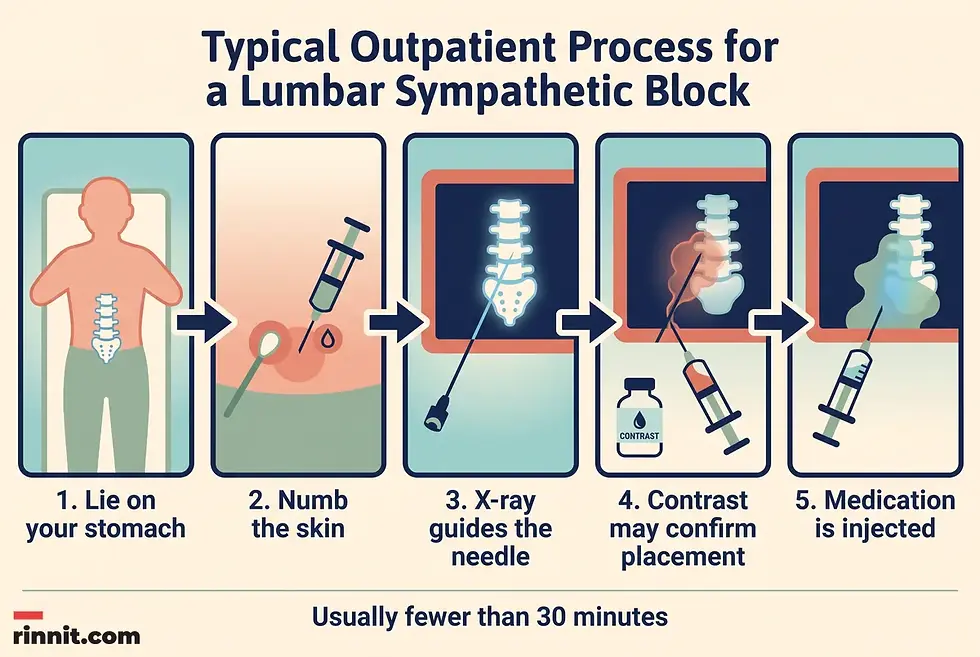
Figure 2. A lumbar sympathetic block is usually an outpatient, X-ray-guided injection that may include local anesthetic, optional contrast dye and anti-inflammatory medication.
What might you feel afterward?
The lower back and leg may feel warm or “different.” Pain may begin to decrease. The leg on the treated side may temporarily feel numb or weak, and this feeling should go away as the anesthetic wears off. [1]
Temporary warmth, numbness or weakness is different from a new or worsening nerve problem. Contact the healthcare team immediately if you develop burning pain, weakness or tingling that is new, concerning or not resolving as expected. [1]
What activity and routine follow a lumbar sympathetic block?
You can continue your regular diet and medications immediately after the procedure. Avoid rigorous activities for 24 hours, take it easy and return to normal activities the next day unless the treating provider gives different instructions. [1]
Arrange your schedule so that you can rest after the appointment. If sedation was used, follow transportation and activity instructions from the healthcare team. [1]
After the procedure | Guidance |
Diet | Regular diet may continue immediately, unless the treating team says otherwise. [1] |
Medicines | Regular medicines may continue immediately, unless the treating team gives different instructions. [1] |
First 24 hours | Avoid rigorous activity and take it easy. [1] |
Next day | Normal activities can usually resume the next day. [1] |
Symptoms | Warmth, a different sensation, temporary numbness or weakness may occur as anesthetic wears off. [1] |
What are the benefits and limitations of a lumbar sympathetic block?
Potential benefits include temporary pain relief that may make day-to-day function easier, temporary reduction of inflammation in affected nerves and diagnostic information about a possible pain source. [1]
Not everyone experiences relief. Some people may need other treatment options, and continued relief may require a series of injections. Some people need as few as two injections, while others need more than 10 over time. [1]
A lumbar sympathetic block should therefore be viewed as one component of a broader care plan rather than a guaranteed cure. The expected duration and next step depend on the individual response. [1]
How long does pain relief last?
Pain relief may last from a few days to several weeks, and each person responds differently. Some people experience relief immediately after the injection, but pain may return a few hours later when the numbing medicine wears off. [1]
Longer-term relief usually begins in two to three days when the steroid starts to work. A series of injections may be recommended for continued relief; the number varies from person to person. [1]
Time after injection | Possible experience |
Immediately afterward | Warmth or a different sensation in the back or leg; pain may lessen. [1] |
Several hours later | Pain may return as the numbing medication wears off. [1] |
Two to three days | Longer-term relief may begin as the steroid takes effect. [1] |
Days to several weeks | Relief may continue, depending on the individual response. [1] |
What side effects and complications can a lumbar sympathetic block cause?
Most injection-site side effects are mild and resolve within hours to days. They include bruising, swelling and soreness. [1]
Less common complications include bleeding, dizziness, headache, temporary numbness and weakness of the leg on the injected side. Rare but more serious complications include infection, accidental injection into a blood vessel or lymph node, ureter injury, kidney injury, Horner’s syndrome and an allergic reaction to medication. [1]
Frequency | Possible effect |
Common and usually mild | Bruising, swelling or soreness at the injection site. [1] |
Less common | Bleeding, dizziness, headache, temporary numbness or temporary injected-side leg weakness. [1] |
Very rare but serious | Infection, accidental blood-vessel or lymph-node injection, ureter injury, kidney injury, Horner’s syndrome or allergic reaction. [1] |
This table is educational, not a prediction of what will happen to you. Ask the treating professional about your personal risks, the medicines planned and the alternatives available. [1]

Figure 3. Recovery may include temporary warmth, numbness or weakness, while new infection symptoms, burning pain, weakness or tingling warrant prompt contact with the healthcare team.
When should you call a provider after a lumbar sympathetic block?
Contact the healthcare provider immediately if you develop new symptoms or complications after the nerve block. Symptoms of infection or nerve issues such as burning pain, weakness or tingling need prompt attention. [1]
Do not wait for a routine follow-up if symptoms are severe, rapidly worsening or concerning. If you are unsure whether a symptom is expected, contact the treating team and describe when it started, where it is located and how it is changing. [1]
What questions should you ask before a lumbar sympathetic block?
Question | Why it matters |
What is the purpose of the block in my care plan? | The procedure may be intended for temporary relief, diagnosis or pain management around surgery. [1] |
Will sedation be used? | Sedation may change fasting and transportation requirements. [1] |
What symptoms should I expect as the anesthetic wears off? | Warmth, a different sensation, temporary numbness or weakness may occur. [1] |
What activity restrictions apply? | Rigorous activity should be avoided for 24 hours. [1] |
How will we judge whether it helped? | Relief may be immediate, delayed or absent, and may last days to weeks. [1] |
Could I need more than one injection? | Some people need a series, ranging from two to more than 10 over time. [1] |
What are my alternatives? | Not everyone benefits, and other options may be needed. [1] |
When should I call? | New infection symptoms, burning pain, weakness or tingling need immediate contact. [1] |
Conclusion
A lumbar sympathetic block is an outpatient injection near sympathetic nerves in the lower back. It may provide temporary pain relief, help clarify a possible pain source or support pain management around surgery. It can also affect blood flow and sweating in the lower extremity. [1]
The procedure is usually brief, but relief and side effects vary. Ask the treating team about sedation, fasting, expected sensations, activity restrictions, the possibility of repeat injections and other options. Contact the healthcare provider immediately for infection symptoms, burning pain, weakness or tingling after the block. [1]
Frequently Asked Questions
Is a lumbar sympathetic block a surgery?
A lumbar sympathetic block is an injection-based procedure, usually performed in an outpatient setting. It typically takes fewer than 30 minutes, and most people go home shortly afterward. [1]
Is the injection painful?
The skin is numbed with a local anesthetic, but you may still feel a pinch or discomfort as the needle enters the skin. Sedation may be offered in some cases. [1]
Do I need to fast?
Usually, no special preparation is required. If sedation is planned, the treating team may require fasting for six to eight hours. [1]
Will I be awake?
You may receive a mild sedative through an IV to help you relax, but not every person necessarily receives sedation. Ask the treating team what is planned for your appointment. [1]
Why is X-ray imaging used?
X-ray imaging guides the needle along the outside of the spine. Contrast dye may be used to confirm that the medication will reach the intended location. [1]
How quickly can it help?
Some people notice relief immediately, but pain may return when the numbing medicine wears off. Longer-term relief may begin in two to three days as the steroid takes effect. [1]
How long can relief last?
Relief may last a few days to several weeks. Each person responds differently, and some people need a series of injections for continued relief. [1]
Can the block diagnose my pain?
A lumbar sympathetic block may provide diagnostic information. Relief after the injection generally suggests that the targeted nerves may contribute to the pain, while no relief suggests the pain may come from another source. [1]
What should I avoid after the block?
Avoid rigorous activity for 24 hours and take it easy. Normal activities can usually resume the next day, unless your treating team gives different instructions. [1]
Is temporary leg weakness normal?
Temporary numbness or weakness in the injected-side leg can occur while the anesthetic wears off. Contact the healthcare team immediately for new or concerning weakness, burning pain or tingling. [1]
What are the most common side effects?
The most common side effects are bruising, swelling and soreness at the injection site. They are usually mild and resolve within hours to days. [1]
Does everyone get pain relief?
No. Not everyone experiences relief, and other treatment options may be needed. [1]
Can I eat and take my medicines afterward?
Regular diet and medications can usually continue immediately afterward. Follow the treating professional’s specific instructions if they differ. [1]
Related Reading
What Is Complex Regional Pain Syndrome (CRPS)? Symptoms, Causes, Diagnosis, Treatment & Outlook — the condition lumbar sympathetic blocks are most often discussed for.
Understanding Phantom Limb Pain: Causes, Symptoms, and Management — nerve pain that can follow limb loss.
Diabetic Neuropathy: Symptoms, Types, Causes & Treatment — a common cause of chronic nerve pain in the feet and legs.
What Is Raynaud’s Disease? A Plain-Language Guide to the Cold-Fingers Condition, Its Causes, and Its Treatment — a blood-flow condition related to sympathetic nerve activity.
Postherpetic Neuralgia: Symptoms, Causes, Diagnosis, and Treatment — nerve pain that can persist after shingles.
References
Cleveland Clinic. Lumbar Sympathetic Block: Purpose, Procedure & Side Effects. Cleveland Clinic. Last updated March 31, 2023. https://my.clevelandclinic.org/health/treatments/17187-lumbar-sympathetic-block
O’Connell NE, Wand BM, Gibson W, et al. Local anaesthetic sympathetic blockade for complex regional pain syndrome. Cochrane Database Syst Rev. 2016;7(7):CD004598. PMID 27467116. https://doi.org/10.1002/14651858.CD004598.pub4
Xu Y, Wu J, Jiang Q, et al. Prediction of the efficacy of lumbar sympathetic block in patients with lower extremity complex regional pain syndrome type 1 based on the sympathetic skin response. Pain Ther. 2023;12(3):785-796. PMID 37014620. https://doi.org/10.1007/s40122-023-00499-w
Bai Y, Zhou X, Zeng L, et al. Diagnosis and management of a giant retroperitoneal hematoma compressing the femoral nerve, following an ultrasound-guided lumbar sympathetic block: a case report. BMC Neurol. 2025;25(1):70. PMID 39979867. https://doi.org/10.1186/s12883-024-03808-8
Disclaimer
The information provided in this article is for educational purposes only and is not intended as medical advice. Always seek the advice of a qualified healthcare provider with any questions you may have regarding a medical condition. Never disregard professional medical advice or delay in seeking it because of something you have read in this article.



Comments