Lactic Acid (Lactate): Myths, Functions, and Metabolic Health

Updated: 2 days ago
Medically reviewed by Dr. Baraa Alnahhal, MD · Last reviewed: September 2026
TL;DR: Lactic acid, or lactate, is a vital chemical produced by the body during the breakdown of carbohydrates for energy. While often misunderstood as a cause of muscle soreness, it actually serves as a critical fuel source and signaling molecule that supports metabolic efficiency and tissue healing.
Quick Answer: Lactic acid is a natural byproduct of anaerobic metabolism, created when cells break down glucose for energy in the absence of sufficient oxygen. Produced primarily by muscles and red blood cells, it serves as a temporary fuel source during intense physical activity. The liver and kidneys eventually recycle lactic acid back into glucose, ensuring the body maintains a steady supply of energy for future use.
The Role of Lactic Acid in Metabolism
Lactic acid is frequently associated with the "burn" felt during a strenuous workout, yet its physiological role is far more supportive than many realize. Under normal aerobic conditions, the body uses oxygen to fuel muscle activity. However, during periods of high-intensity exertion, such as sprinting or lifting heavy weights, the demand for energy outpaces the body's ability to deliver oxygen. In these moments, cells switch to anaerobic metabolism, producing lactic acid to maintain energy production.
Beyond its role as an immediate fuel source, lactic acid acts as a molecular messenger. It travels through the bloodstream to signal the immune system, aiding in wound healing and the response to infections. Once the period of intense activity concludes, the body efficiently processes this lactate, transporting it to the liver and kidneys where it is converted back into usable blood sugar.
Feature | Aerobic Metabolism | Anaerobic (Lactic Acid) Metabolism |
Oxygen Usage | High (Primary fuel source) | Low (Oxygen supply is limited) |
Primary Byproduct | Carbon dioxide and water | Lactic acid (Lactate) |
Exertion Level | Low to moderate intensity | High intensity or sudden bursts |

Debunking the Muscle Soreness Myth
A long-standing misconception suggests that lactic acid buildup is responsible for the muscle soreness experienced in the days following exercise. Scientific evidence has clarified that this is not the case. Lactic acid is flushed out of the muscle tissues almost as quickly as it is produced, typically returning to baseline levels shortly after activity stops.
The soreness felt 24 to 48 hours post-workout, known as Delayed Onset Muscle Soreness (DOMS), is actually caused by microscopic tears in the muscle fibers. These microtears are a natural part of the strengthening process, as the body repairs them to build larger and more resilient muscles. While a temporary rise in lactic acid is a normal part of physical performance, it is not the cause of post-exercise pain or long-term tissue damage.
Lactic Acidosis: When Levels Become Dangerous
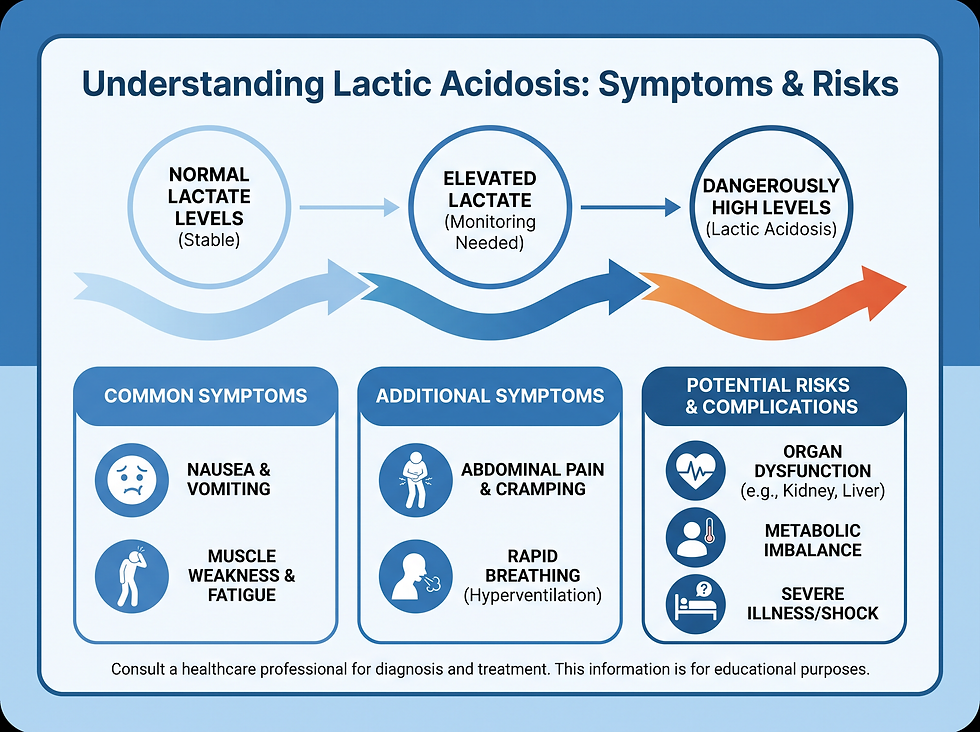
While temporary increases in lactic acid are safe, a condition known as lactic acidosis occurs when the body cannot process the chemical fast enough, leading to dangerously high levels in the bloodstream. This is rarely caused by exercise alone and is typically a complication of serious underlying health issues that deprive cells of oxygen.
Lactic acidosis is a medical emergency that can damage organs and tissues if left untreated. It is often linked to failures in the organs responsible for filtering the blood, such as the kidneys and liver.
Condition | Symptoms to Watch For | Potential Underlying Causes |
Lactic Acidosis | Nausea, vomiting, extreme weakness | Sepsis, heart failure, organ failure |
Temporary Lactate Rise | Rapid breathing, muscle fatigue | Intense exercise, heavy lifting |
Testing and Performance
For most individuals, lactic acid levels are only measured during a medical crisis. However, athletes often use specialized testing to optimize their training. A "lactate threshold test" monitors how lactic acid builds up in the blood during increasingly difficult exercise. By identifying the point where lactate begins to accumulate faster than the body can clear it, athletes can establish their peak endurance limits and train more effectively.
In a clinical setting, a simple blood test is used to diagnose lactic acidosis. High levels are often interpreted as a sign that the body's tissues are not receiving adequate oxygen, prompting further investigation into cardiovascular or respiratory health.

Care and Prevention
Maintaining metabolic health involves supporting the body's natural ability to process energy. Proper warm-ups and stretching before intense activity can increase flexibility and reduce the risk of muscle strain. While it is healthy to test the limits of physical endurance, it is crucial to listen to the body's signals and avoid pushing through extreme exhaustion, which can increase the risk of metabolic imbalances.
If you experience persistent muscle weakness, unexplained abdominal pain, or nausea following physical activity, it is important to consult a healthcare professional. These symptoms may indicate that your body is struggling to maintain its oxygen balance.
Frequently Asked Questions
1. What exactly is lactic acid?
Lactic acid is a chemical produced when your body breaks down carbohydrates for energy, especially when oxygen levels are low.
2. Is lactic acid the same as lactate?
Yes, the terms are often used interchangeably in a biological context to describe the same metabolic byproduct.
3. Does lactic acid cause muscle soreness after a workout?
No. Scientific studies have shown that lactic acid is cleared from the muscles quickly and does not cause the soreness felt days later.
4. What actually causes muscle soreness?
Post-exercise soreness is typically caused by microtears in the muscle fibers that occur during intense activity.
5. Why does the body produce lactic acid?
It is produced as an alternative fuel source when the body cannot deliver oxygen to the muscles fast enough during high-intensity exercise.
6. Where is lactic acid produced in the body?
While primarily produced in the muscles and red blood cells, it can be generated by the skin, brain, and digestive tract.
7. What is lactic acidosis?
Lactic acidosis is a life-threatening condition where lactic acid builds up in the bloodstream faster than the body can remove it.
8. What are the symptoms of high lactic acid?
Common symptoms of dangerously high levels include nausea, vomiting, muscle weakness, and abdominal pain.
9. Can exercise cause lactic acidosis?
Extreme overexertion can lead to high levels, but true lactic acidosis is usually a complication of serious illnesses like sepsis or organ failure.
10. How does the body get rid of lactic acid?
The liver and kidneys filter it from the blood and convert it back into glucose for future energy use.
11. What is a lactate threshold test?
It is a test used by athletes to find the highest intensity of exercise they can maintain before lactic acid starts to build up rapidly.
12. Is lactic acid used in birth control?
Certain prescription vaginal gels use a formulated version of lactic acid as a contraceptive, but this is different from the body's natural lactate.
13. Does lactic acid have any benefits?
Yes, it serves as a fuel source for cells and acts as a signal for the immune system to help heal wounds.
14. Should I try to "flush" lactic acid after a workout?
The body clears lactic acid naturally and very quickly on its own; active recovery like light walking can assist this natural process.
15. When should I be worried about lactic acid levels?
You should seek medical attention if you experience symptoms like extreme weakness or persistent nausea, especially if you have an underlying health condition.
Medical Disclaimer: This content is for informational purposes only and does not constitute medical advice. Always seek the guidance of a qualified healthcare professional regarding any medical condition or treatment.
Comments