In Vitro Fertilization (IVF): A Comprehensive Patient Guide

Updated: 2 days ago
Medically reviewed by Dr. Baraa Alnahhal, MD · Last reviewed: September 2026
TL;DR
In Vitro Fertilization (IVF) is a sophisticated fertility treatment where eggs are combined with sperm in a laboratory setting to achieve pregnancy. As a leading form of assisted reproductive technology, IVF involves several critical stages, including ovarian stimulation, egg retrieval, and embryo transfer. While the process is complex and spans several weeks, it remains one of the most effective methods for overcoming infertility and helping individuals and couples build their families.
Quick Answer
IVF is a fertility procedure where fertilization occurs outside the human body. Eggs are retrieved from the ovaries and combined with sperm in a specialized lab. Once fertilized, the resulting embryos are monitored for several days before being transferred into the uterus. This multi-step process typically takes four to six weeks and is a highly effective option for those facing various reproductive challenges or wishing to pursue parenthood independently.
Understanding Assisted Reproductive Technology
Assisted Reproductive Technology (ART) encompasses a range of medical procedures designed to address infertility and support conception. Among these, IVF is recognized for its high efficacy and ability to address diverse reproductive needs. Since the first successful birth in 1978, over 8 million babies have been born through this technology, providing a reliable pathway for individuals of advanced maternal age, same-sex couples, and those with specific health conditions.
Why IVF Is Recommended
Individuals and couples may choose IVF for various clinical and personal reasons. It is often recommended when other fertility treatments have not been successful or when specific physical barriers to natural conception exist. By facilitating fertilization in a controlled environment, IVF bypasses common reproductive hurdles, such as damaged fallopian tubes or low sperm counts, significantly increasing the likelihood of a successful pregnancy.
Common Indications for IVF Treatment
Fallopian tube issues: Blocked or damaged tubes that prevent natural egg-sperm meeting.
Endometriosis: A condition where uterine-like tissue grows outside the uterus, affecting fertility.
Sperm impairments: Low sperm count or poor motility that hinders natural fertilization.
Ovarian conditions: Issues like PCOS that can disrupt regular ovulation and egg quality.
Genetic screening: Reducing the risk of passing on specific inherited diseases to offspring.
Comparing IVF and IUI
It is important for patients to distinguish between IVF and Intrauterine Insemination (IUI), as these are the two most common fertility treatments. While IUI is less invasive and involves placing sperm directly into the uterus during ovulation, its success rates are generally lower. IVF offers a more comprehensive approach by ensuring fertilization occurs before the embryo is introduced to the uterine environment, making it a preferred choice for complex infertility cases.
IVF vs. IUI: Key Differences
Fertilization site: IVF takes place outside the body (laboratory); IUI takes place inside the body (uterus).
Complexity: IVF is a high-complexity, multi-stage process; IUI is a single, low-complexity procedure.
Success rate: IVF is higher per clinical cycle; IUI is lower per clinical cycle.
Invasiveness: IVF is more invasive and requires egg retrieval; IUI is less invasive and catheter-based.
The IVF Treatment Roadmap
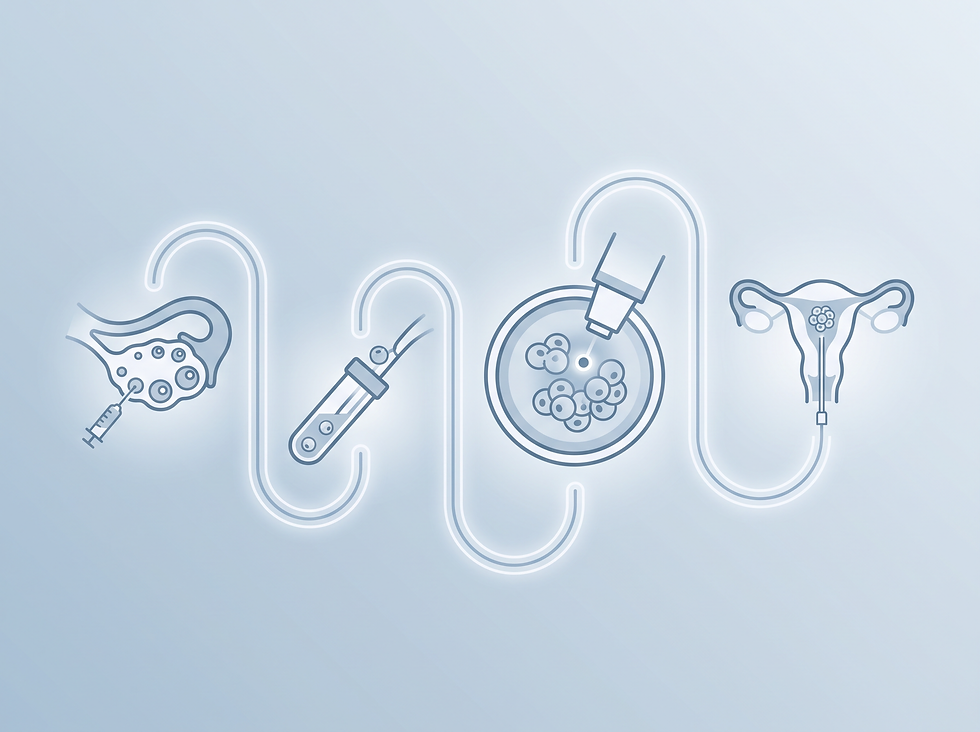
The IVF process is a carefully timed sequence of events that typically spans four to six weeks. It begins with cycle preparation using hormone medications to control the timing of ovulation. This is followed by ovarian stimulation to encourage the growth of multiple follicles. Once mature, eggs are retrieved in a minor clinical procedure and fertilized in the lab. The final stage involves transferring the most viable embryo back into the uterus to achieve implantation.
Embryo Development and Transfer
Following fertilization, embryologists monitor the developing embryos for five to six days. The goal is to identify embryos that reach the blastocyst stage, as these have the highest potential for successful implantation. Depending on the clinical plan, a "fresh" transfer may occur a few days after retrieval, or embryos may be frozen for a "frozen embryo transfer" at a later date. Frozen transfers are increasingly common due to their high success rates and logistical flexibility.

Conclusion
In Vitro Fertilization stands as a monumental achievement in reproductive medicine, offering hope and tangible results to millions of people worldwide. By combining advanced laboratory techniques with personalized clinical care, IVF provides a structured and effective pathway to parenthood. While the journey requires commitment and resilience, the high success rates and the potential for a healthy pregnancy make it a life-changing option for those seeking to expand their families.
What you can do now: If you are considering IVF, schedule a consultation with a reproductive endocrinologist. They will perform a comprehensive fertility assessment and discuss whether IVF is the most appropriate option for your situation. Preparing for the journey involves understanding the timeline, discussing financial options, and ensuring you have a supportive environment as you begin your treatment cycle.
Frequently Asked Questions (FAQ)
1. What is IVF?
It is a fertility treatment where eggs and sperm are combined in a lab to create embryos for pregnancy.
2. How long does the process take?
An average IVF cycle lasts between four and six weeks from start to pregnancy testing.
3. Is IVF painful?
Most patients experience minor discomfort during stimulation and are sedated during the egg retrieval procedure.
4. What is the success rate?
Success depends on many factors, but IVF is one of the most effective fertility treatments available.
5. What is the difference between IVF and IUI?
IVF involves lab fertilization, while IUI involves placing sperm inside the body for natural fertilization.
6. Can I choose the gender of the baby?
While technically possible through genetic screening, this depends on clinical policies and local regulations.
7. What is a "trigger shot"?
It is a hormone injection given 36 hours before retrieval to finalize egg maturation.
8. What happens during egg retrieval?
A provider uses ultrasound guidance to retrieve eggs from the ovaries through the vagina.
9. How many embryos are transferred?
Usually, one or two embryos are transferred to balance the chance of pregnancy with the risk of multiples.
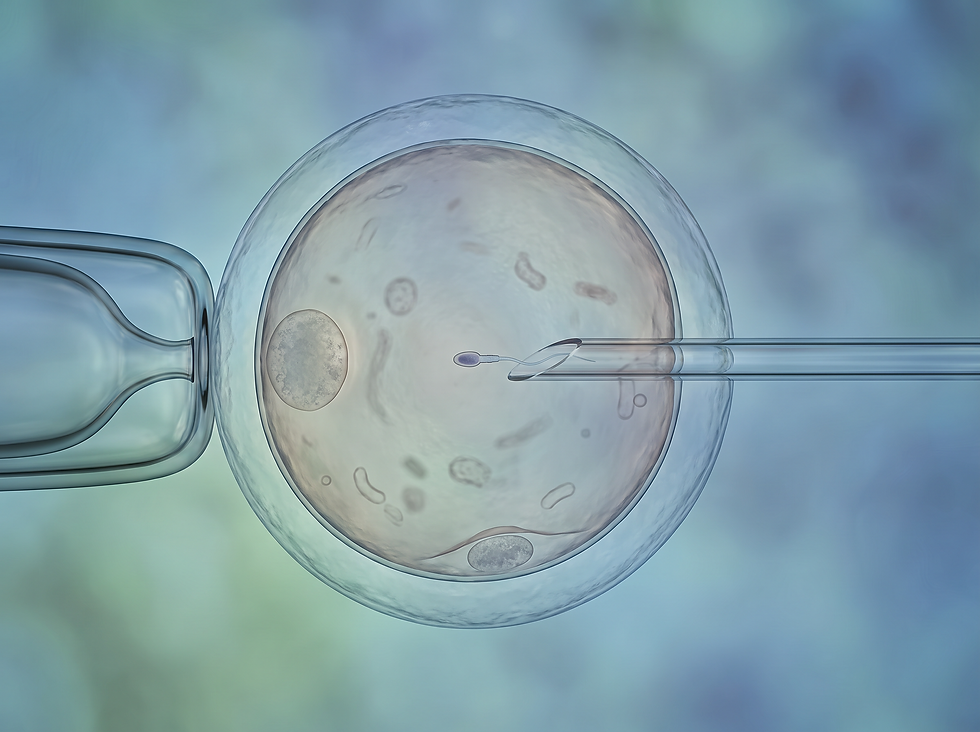
10. What is ICSI?
It stands for Intracytoplasmic Sperm Injection, where a single sperm is injected directly into a mature egg.
11. Are there any risks?
Potential risks include ovarian overstimulation or minor complications from the retrieval procedure.
12. Can I use donor eggs or sperm?
Yes, IVF is a common pathway for those using donors or gestational surrogates.
13. What is a blastocyst?
It is an embryo that has developed for five to six days and is highly suitable for transfer.
14. When is a pregnancy test done?
A blood pregnancy test is typically performed about two weeks after the embryo transfer.
15. Does insurance cover IVF?
Coverage varies significantly by provider and plan; patients should verify their specific benefits.
Medical disclaimer: The information provided is for educational purposes only and should not be used as a substitute for professional medical advice, diagnosis, or treatment. Always seek the advice of your physician or other qualified health provider with any questions you may have regarding a medical condition or treatment plan. Based on information dated March 2, 2022.
Comments