Hyperuricemia (High Uric Acid Level): Causes, Symptoms, and Treatments

Updated: 2 days ago
Medically reviewed by Dr. Baraa Alnahhal, MD · Last reviewed: October 2026
Quick Answer
Hyperuricemia is a condition in which too much uric acid stays in the body. Uric acid is a waste product made when the body breaks down purines from food and drinks, and it normally leaves in urine. Excess uric acid can form sharp crystals in the joints, causing gout, or build up in the kidneys as kidney stones. [1]

What the research says
Hyperuricemia is common and rising. A meta-analysis of 177 studies including 2,277,712 people in mainland China estimated a pooled prevalence of 16.4%. Among people aged 20 to 29, men had about twice the prevalence of women (21.5% vs 8.9%), and prevalence estimates climbed from 8.5% in 2001 to 18.4% in 2017 (Li et al., Global Health Action, 2021) [2].
A treat-to-target approach gets far more people to a healthy uric acid level. In 517 people with gout, nurse-led care with education and a target serum urate below 6 mg/dL (360 μmol/L) got 95% of patients to target at 2 years, compared with 30% with usual care (risk ratio 3.18). The cost per quality-adjusted life-year gained was about £5,066 (Doherty et al., Lancet, 2018) [3].
Lowering uric acid with allopurinol did not protect the heart in people without gout. In 5,721 people aged 60 or older with ischemic heart disease and no history of gout, followed for a mean of 4.8 years, major cardiovascular events occurred in 11.0% on allopurinol and 11.3% with usual care (hazard ratio 1.04, no significant difference) (Mackenzie et al., Lancet, 2022) [4].
Key Takeaways
Feature | Details |
Definition | High levels of uric acid in the blood. [1] |
Prevalence | About 1 in 5 people; about 4% of U.S. adults have gout. [1] |
Primary Risks | Gout and kidney stones; links with kidney disease, heart disease, high blood pressure, diabetes, fatty liver disease, and metabolic syndrome. [1] |
Causes and Risk Factors | High-purine foods and drinks, alcohol, obesity, family history, hypothyroidism, and some medicines. [1] |
Symptoms | Usually none until gout or kidney stones develop. [1] |
Diagnosis | A blood test that measures uric acid. [1] |
Treatment | Low-purine diet, more water, exercise, and medicines when needed. People with no symptoms may not need treatment. [1] |
Understanding Hyperuricemia
Hyperuricemia can stay silent for a long time, especially if levels are only slightly raised. Over time, uric acid crystals can build up and cause pain and damage. Untreated high uric acid can lead to permanent damage to the bones, joints, tendons, and ligaments. [1] Research also links high uric acid with kidney disease, heart disease, high blood pressure, diabetes, fatty liver disease, and metabolic syndrome. [1] Managing uric acid is therefore about more than preventing pain.
Symptoms
Hyperuricemia itself usually does not cause symptoms. [1] Most people do not know they have it until levels are high enough to cause gout or kidney stones.
Gout Attack Symptoms
Kidney Stone Symptoms

Causes and Risk Factors
Extra uric acid in the blood causes hyperuricemia. Your body makes uric acid when it breaks down purines. [1] They are harmless in small amounts, but regularly eating high-purine foods can raise levels over time. [1]
High-Purine Foods and Drinks
Other Risk Factors
Sex: Males are four times more likely to develop gout than females. [1]
Health conditions: Obesity and hypothyroidism. [1] High insulin levels are also associated with high uric acid (see hyperinsulinemia).
Medicines: Diuretics (water pills) and immunosuppressants can raise uric acid. [1]
Family history: Relatives with hyperuricemia or gout. [1]
Habits: Regular alcohol use and regularly eating high-purine foods.
Diagnosis
A healthcare provider diagnoses hyperuricemia with a blood test that measures uric acid. [1] Having it does not mean you will develop gout. [1] To diagnose gout, your provider takes a sample of joint fluid during an attack to look for uric acid crystals, and may use ultrasound, CT scans, or X-rays. [1] If you pass or have a kidney stone removed, the stone itself may be tested. [1]
Treatment Strategies
If you have high uric acid but no symptoms, you may not need treatment. [1] Your provider will tell you how often to have blood tests to track your levels. [1]
Diet and Lifestyle
Limit high-purine foods and drinks: Red meat and organ meats, alcohol, drinks sweetened with high fructose corn syrup, and fish, especially shellfish. [1]
Follow a low-purine diet as advised by your provider. [1]
Drink more water. For kidney stones, Cleveland Clinic suggests at least 64 ounces of water a day. [1]
Stay active and keep a healthy weight. [1]
Medicines
Your provider may prescribe medicines that help your kidneys remove extra uric acid or dissolve crystals that have already formed. [1] For a gout attack, treatment usually combines over-the-counter NSAIDs for symptoms with prescription medicines to lower uric acid. [1] Colchicine, which helps prevent attacks, or corticosteroids may also be used. [1] Kidney stones may pass on their own, and large stones that block urine flow or cause infection may need to be removed surgically. [1]
Outlook and Prevention
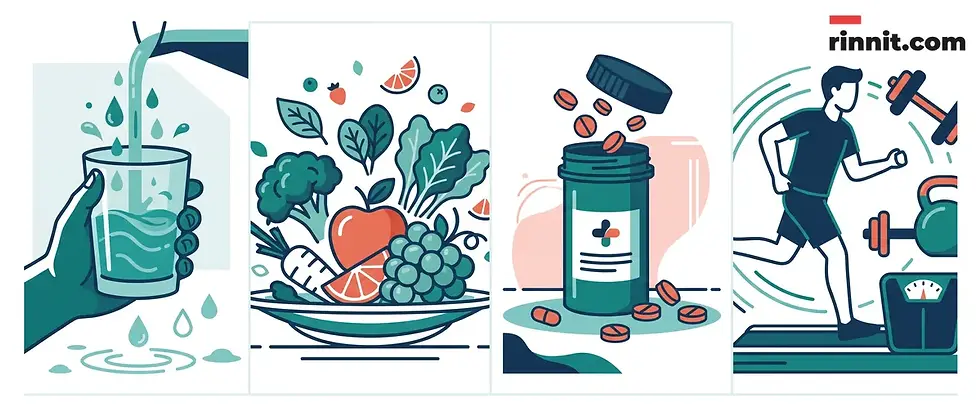
Expect to monitor your uric acid with blood tests. Some people have only temporarily high levels. [1] Making changes to your diet, drinking more water, and exercising can reduce the chances of gout flares and other symptoms. [1] The best way to prevent hyperuricemia is a healthy diet and exercise plan that limits high-purine foods and drinks. [1]
When to See a Healthcare Provider
Visit your provider if you have new swelling, redness or discoloration, a warm or hot joint, trouble urinating, or pain while or after urinating. [1]
Conclusion
Hyperuricemia is common and manageable. By limiting high-purine foods, staying hydrated, keeping a healthy weight, and working with your healthcare provider, you can lower your uric acid and reduce your risk of painful gout and kidney stones.
Frequently Asked Questions
Does high uric acid always mean I have gout?
No. Many people have high uric acid and never develop gout, although their risk is higher.
Can women get hyperuricemia?
Yes, although it is more common in men. Males are four times more likely to develop gout than females. [1]
Is hyperuricemia curable?
It is very treatable. Diet, hydration, weight management, and medicines can bring uric acid down, and some people have only temporarily high levels.
How much water should I drink?
Drinking more water helps. Cleveland Clinic suggests at least 64 ounces a day if you have kidney stones. [1] Ask your provider what is right for you, especially if you have kidney or heart disease.
Are there safer meats?
Poultry is generally lower in purines than red meat and organ meats, but moderation still matters. Ask your provider for a personal list.
Can exercise help?
Yes. Regular activity helps maintain a healthy weight, and lower uric acid. [1]
Is coffee okay to drink?
Some studies suggest moderate coffee may be linked to lower uric acid, but it is not a treatment. Ask your provider.
What is a normal uric acid level?
Normal ranges vary by lab. For people with gout, one treatment target is a serum urate below 6 mg/dL (360 μmol/L). [3]
Should I avoid all seafood?
Not necessarily, but shellfish such as shrimp and lobster, and fish such as salmon and sardines, are high in purines and are often limited. [1]
Is beer worse than other alcohol?
Beer is especially high in purines, including nonalcoholic beer. [1] Alcohol in general is something to limit with high uric acid.
Do I need treatment if I have no symptoms?
Not always. If you have high uric acid and no symptoms, you might not need treatment, but your provider may suggest regular blood tests. [1]
Will lowering uric acid protect my heart?
High uric acid is linked to heart disease, but in a large trial of people with ischemic heart disease and no gout, allopurinol did not reduce heart events. [4] Diet, exercise, and managing blood pressure and diabetes still matter.
Which medicines can raise uric acid?
Diuretics (water pills) and immunosuppressants can. [1] Do not stop a medicine without talking to your provider.
Does hyperuricemia affect the kidneys?
It can. Uric acid crystals can form kidney stones, and high uric acid is linked with kidney disease. [1]
How is gout diagnosed?
By taking a sample of joint fluid during an attack to look for uric acid crystals. Providers may also use ultrasound, CT scans, or X-rays. [1]
What are the symptoms of a gout attack?
Intense joint pain, redness or discoloration, swelling, stiffness, warmth, and tenderness even to light touch. [1]
What should I do if I have a gout attack?
Contact your healthcare provider. Over-the-counter NSAIDs are often used for symptoms, and prescription options include colchicine and corticosteroids. [1]
Is high fructose corn syrup a problem?
Yes. Foods and drinks sweetened with high fructose corn syrup, such as soda, can raise uric acid. [1]
Can family history raise my risk?
Yes. Having relatives with hyperuricemia or gout raises your risk. [1]
Can hypothyroidism cause high uric acid?
Hypothyroidism is a risk factor for hyperuricemia. [1] Treating thyroid problems is part of overall care.
When should I see a doctor?
See a provider for new swelling, redness, a hot joint, trouble urinating, or pain while or after urinating. [1]
Do kidney stones always come from uric acid?
No. Uric acid crystals can form kidney stones, but stones can have other causes. A provider may test a stone that you pass. [1]
Related Reading
Gout: Symptoms, Causes, Diagnosis, Treatment & Complete Guide explains the painful joint disease caused by high uric acid.
Kidney Stones: Symptoms, Causes, and Treatment Guide explains how kidney stones form, including uric acid stones.
Managing Gout: The Essential Guide to a Low-Purine Diet explains foods that raise uric acid and diet changes that help.
Tumor Lysis Syndrome: A Critical Guide to Cancer Treatment Complications explains a cancer treatment complication that sharply raises uric acid.
References
Cleveland Clinic. Hyperuricemia (High Uric Acid Level). Cleveland Clinic. Last updated July 17, 2023. https://my.clevelandclinic.org/health/diseases/17808-hyperuricemia-high-uric-acid-level
Li Y, Shen Z, Zhu B, et al. Demographic, regional and temporal trends of hyperuricemia epidemics in mainland China from 2000 to 2019: a systematic review and meta-analysis. Global Health Action. 2021;14(1):1874652. PMID 33475474. https://doi.org/10.1080/16549716.2021.1874652
Doherty M, Jenkins W, Richardson H, et al. Efficacy and cost-effectiveness of nurse-led care involving education and engagement of patients and a treat-to-target urate-lowering strategy versus usual care for gout: a randomised controlled trial. Lancet. 2018;392(10156):1403-1412. PMID 30343856. https://doi.org/10.1016/S0140-6736(18)32158-5
Mackenzie IS, Hawkey CJ, Ford I, et al. Allopurinol versus usual care in UK patients with ischaemic heart disease (ALL-HEART): a multicentre, prospective, randomised, open-label, blinded-endpoint trial. Lancet. 2022;400(10359):1195-1205. PMID 36216006. https://doi.org/10.1016/S0140-6736(22)01657-9
Disclaimer
This article is for informational purposes only and does not constitute medical advice. Always seek the advice of your physician or other qualified health provider with any questions you may have regarding a medical condition.



Comments