Anger Management: Techniques for Emotional and Physical Health

Updated: 2 days ago
Medically reviewed by Dr. Baraa Alnahhal, MD · Last reviewed: October 2026
Quick Answer
Anger management is a form of cognitive behavioral therapy that teaches people to recognize triggers and develop healthy coping strategies, including communication skills, relaxation techniques and changing negative thought patterns. [1] It matters for physical health, because chronic outbursts are linked to heart disease, high blood pressure and digestive issues. [1] Consistent practice can improve emotional control and relationships.
What the research says
Anger and hostility are linked to more heart disease. A meta-analysis of prospective studies found that anger and hostility were associated with more coronary heart disease events in initially healthy people (25 studies; combined hazard ratio 1.19; 95% CI 1.05 to 1.35) and with a worse outlook in people who already had heart disease (19 studies; hazard ratio 1.24; 95% CI 1.08 to 1.42). The authors noted signs of publication bias, and they suggested that psychological management of anger and hostility may help in preventing and treating heart disease (PubMed: Chida et al., J Am Coll Cardiol, 2009 [2]).
Cognitive behavioral treatments are the most widely used approach for anger and show at least moderate effectiveness. A review of existing meta-analyses found that cognitive behavioral treatments are the most commonly delivered interventions for anger and aggression. Anger treatments have consistently shown at least moderate effectiveness in both non-clinical and psychiatric populations, while results for aggression treatments were less consistent (PubMed: Lee et al., Curr Opin Psychol, 2018 [3]).
What is anger and how does it work?
Anger is a natural and common emotional reaction to perceived threats, unfairness, or unmet needs. It serves as a motivational force that stimulates the sympathetic nervous system, triggering a "fight-or-flight" response. During this process, the body experiences significant physiological changes, including an increased heart rate, faster breathing, and a surge in stress hormones. [1] While these responses are designed to help navigate physical danger, they can become harmful when triggered frequently by social or emotional stressors.
Individuals experience anger in varying degrees, ranging from mild irritation to intense rage. [1] The way anger is expressed is influenced by personal history, medical status, and current life circumstances. When anger is not managed healthily, it can become chronic, leading to persistent psychological and physical strain.

Physical Health Consequences of Chronic Anger
Failing to find healthy outlets for anger can take a severe toll on the body. Research has established clear links between chronic, poorly managed anger and a variety of systemic health problems. [1]
Body System | Associated Health Issues |
Cardiovascular | High blood pressure, heart disease |
Neurological | Chronic headaches |
Dermatological | Eczema (atopic dermatitis), psoriasis |
Digestive | Abdominal pain, constipation, diarrhea |
What are the core strategies in anger management?
Anger management therapy, often utilizing Cognitive Behavioral Therapy (CBT), focuses on developing practical skills to recognize and reframe angry feelings. [1] The goal is not to eliminate anger entirely but to handle it in a way that is healthy and sustainable.
Cognitive Restructuring
A primary technique in anger management is changing the way an individual thinks about challenging situations. This involves identifying negative self-talk and replacing it with more balanced, positive perspectives. For example, instead of thinking, "This is the worst thing that could happen," a person might learn to say, "This is a difficult situation, and it is okay to be upset, but it is manageable."
Communication and Relaxation
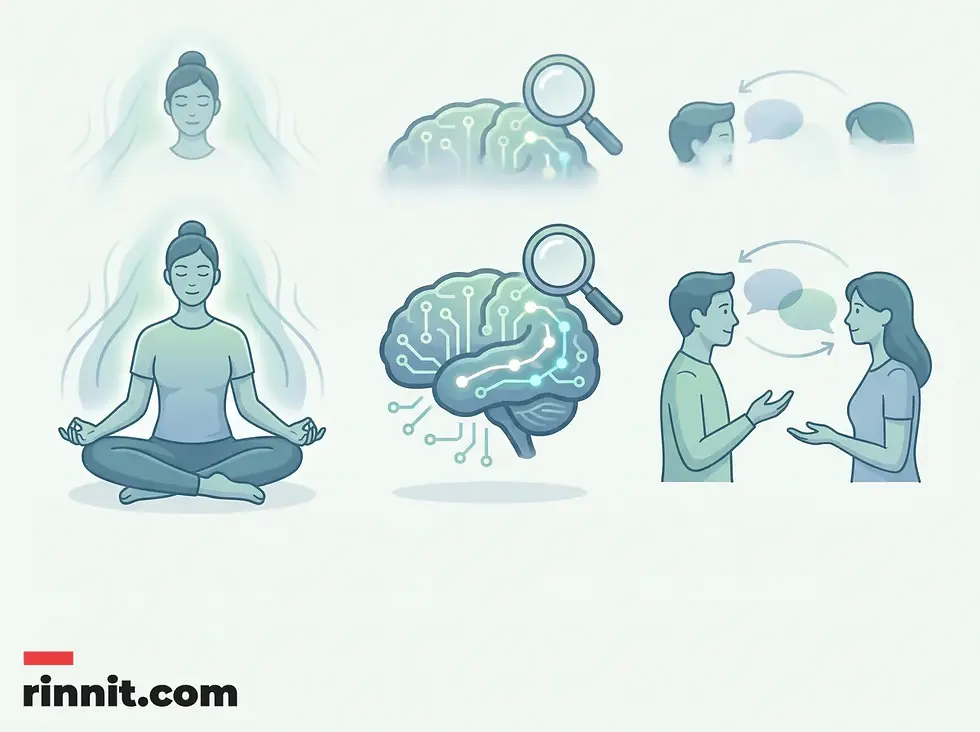
Developing healthy communication skills is essential for expressing needs without resorting to aggression. Assertiveness training helps individuals speak their truth calmly and clearly. Additionally, relaxation techniques provide a necessary pause between a trigger and a reaction. [1] Common methods include:
Breathing Exercises: Controlled breathing to lower the heart rate.
Meditation: Mindfulness practices to stay present and calm.
Physical Activity: Using yoga or other exercise to release tension.
Who Benefits from Therapy?
Everyone can benefit from anger management skills, but therapy is particularly impactful for people with conditions such as ADHD, bipolar disorder and intermittent explosive disorder. These conditions often involve difficulties with emotional regulation, making structured support a vital component of treatment.
Conditions that frequently benefit from anger management include Attention-Deficit/Hyperactivity Disorder (ADHD), Bipolar Disorder, and Intermittent Explosive Disorder. Therapy sessions typically take place over several months and may involve one-on-one counseling or group classes. [1] During these sessions, patients practice their new skills in a safe environment before applying them to real-world situations.

Conclusion
Managing anger is a critical component of both mental and physical wellness. By recognizing triggers and employing proven therapeutic techniques, individuals can protect their health and improve their relationships. Whether through self-guided practice or professional therapy, the journey toward better emotional control leads to a more balanced and fulfilling life.
Frequently Asked Questions
1. What is anger management?
Anger management is a form of therapy, typically cognitive behavioral therapy, that teaches skills to recognize triggers and handle anger in healthy, sustainable ways.
2. How does anger affect physical health?
Chronic anger is linked to several health issues, including high blood pressure, heart disease, headaches, skin disorders like eczema, and digestive problems.
3. What is cognitive restructuring?
Cognitive restructuring is a technique where individuals learn to identify and change negative thought patterns, replacing them with more balanced and positive perspectives.
4. What are some common relaxation techniques?
Common techniques used in anger management include deep breathing exercises, meditation, yoga, and mindfulness practices.
5. Who can benefit from anger management therapy?
Everyone can benefit, but it is especially helpful for those with conditions like ADHD, Bipolar disorder, depression, or intermittent explosive disorder.
6. How long does anger management therapy last?
Therapy typically involves a series of sessions over several months, though individuals may start seeing effects fairly quickly with diligent practice.
7. Is anger always a bad emotion?
No, anger is a natural and useful emotion that can motivate change. It only becomes harmful when it is chronic or expressed in unhealthy ways.
8. What happens to the body during anger?
The sympathetic nervous system triggers a fight-or-flight response, increasing heart rate and breathing while flooding the body with stress hormones.
9. Can medication help with anger issues?
While there isn't a specific "anger pill," therapists may recommend seeing a physician for medications to treat underlying issues like depression or anxiety.
10. What should I do if my anger affects my relationships?
If anger is impacting your job or personal relationships, it is recommended to seek professional help through anger management therapy or classes.
Related Reading
Cognitive Behavioral Therapy (CBT): What It Is, What It Treats and What to Expect describes how CBT changes unhelpful thoughts and behaviors.
Dialectical Behavior Therapy (DBT): What It Is, the 4 Skills, and How It Works covers DBT skills for managing strong emotions.
Anxiety Disorders: Symptoms, Types, Causes, Treatment & Complete Guide explains anxiety disorders and the therapies that help.
High Blood Pressure: Silent Symptoms, Serious Risks, and Proven Ways to Lower It explains high blood pressure risks and how to lower it.
References
Cleveland Clinic. Anger Management: What It Is, Skills & Techniques. Cleveland Clinic. Jul. 26, 2023. https://my.clevelandclinic.org/health/treatments/12195-anger-management
Chida Y, Steptoe A. The association of anger and hostility with future coronary heart disease: a meta-analytic review of prospective evidence. J Am Coll Cardiol. 2009;53(11):936-946. PMID 19281923. https://doi.org/10.1016/j.jacc.2008.11.044
Lee AH, DiGiuseppe R. Anger and aggression treatments: a review of meta-analyses. Curr Opin Psychol. 2018;19:65-74. PMID 29279226. https://doi.org/10.1016/j.copsyc.2017.04.004
Medical Disclaimer
This article is for informational purposes only and does not constitute medical advice. Always seek the advice of your physician or other qualified health provider with any questions you may have regarding a medical condition. Never disregard professional medical advice or delay in seeking it because of something you have read here.



Comments