What Is Diabetes Insipidus? A Plain-Language Guide to the Rare Condition That Makes Your Body Let Go of Too Much Water

Updated: 1 day ago
Quick Answer
Diabetes insipidus refers to two rare, treatable conditions, AVP deficiency and AVP resistance, in which the body passes too much urine and can't retain water because of problems with the hormone arginine vasopressin [1]. Symptoms include frequent urination, large amounts of clear urine and extreme thirst [1] [3]. A water deprivation test diagnoses it, and desmopressin is first-line treatment for AVP deficiency [1].
What the research says
A copeptin blood test was more accurate than the water deprivation test. In a study of 156 people with excessive dilute urine at 11 medical centers, measuring copeptin after a salt-water (hypertonic saline) infusion gave the correct diagnosis in 96.5% of patients, compared with 76.6% for the indirect water deprivation test (Fenske et al., N Engl J Med, 2018) [4].
A simpler arginine test also works well. In a prospective study of 98 patients plus healthy volunteers, measuring copeptin 60 minutes after an arginine infusion told diabetes insipidus apart from excessive drinking (primary polydipsia) with 93% accuracy (sensitivity 93%, specificity 92%), and the test was safe and well tolerated (Winzeler et al., Lancet, 2019) [5].
Many different conditions can cause AVP deficiency, so finding the cause matters. A 2026 clinical review explains that arginine vasopressin (AVP) deficiency, formerly called central diabetes insipidus, can follow neurosurgical or traumatic injury, granulomatous, inflammatory or autoimmune disease, vascular events, infections, or genetic defects; that copeptin-based stimulation tests have substantially improved diagnostic accuracy; and that apparently idiopathic cases need careful longitudinal follow-up because they may be the first sign of an underlying disease. Treatment is desmopressin replacement plus management of the cause (Atila et al., Endocr Relat Cancer, 2026) [7].
A blood marker called copeptin may make diagnosis easier than the water deprivation test. A mini-review describes copeptin, a stable surrogate for AVP, as useful for telling AVP deficiency, AVP resistance, and primary polydipsia apart; copeptin-based approaches were described as more accurate and better tolerated than traditional water deprivation testing (Khattri Bhandari and Fan, J Appl Lab Med, 2026) [8].
Lithium can quietly reduce the kidneys' ability to concentrate urine. In a study of 98 people treated with lithium who underwent a desmopressin test, 51% had mildly impaired maximal urine concentrating capacity, 16% moderately impaired, and 1% severely impaired; copeptin and urine concentrating capacity were associated with later decline in kidney function (Zittema et al., Nephrol Dial Transplant, 2026) [9].
What Is Diabetes Insipidus (Arginine Vasopressin Disorder)?
Arginine vasopressin disorder, formerly known as diabetes insipidus, represents two conditions that happen when your body lets go of too much urine (pee) and can't keep (retain) water properly [1]. These conditions are rare but treatable [1].
The main cause is an issue with arginine vasopressin (AVP), a hormone. Healthcare providers may also call AVP antidiuretic hormone (ADH) [1]. AVP plays a large role in helping your kidneys balance the amount of fluid in your body [1].
The two conditions are:
Type | What happens |
AVP deficiency (AVP-D) | Your body doesn't make enough AVP — formerly called central diabetes insipidus; the most common type |
AVP resistance (AVP-R) | Your body releases enough AVP, but your kidneys don't use it properly — formerly called nephrogenic diabetes insipidus |
There's also a rare pregnancy-related form known as gestational arginine vasopressin disorder (gAVP-d). During pregnancy, the placenta may make too much of an enzyme that breaks down AVP [1] [3]. You're more likely to get it if you're pregnant with multiples or have a condition that affects your liver function, like preeclampsia or HELLP syndrome [1]. gAVP-d usually goes away two to three weeks after the pregnancy is over [1].

Figure 1: AVP is the hormone that tells your kidneys to hold onto water — and the two disorders are the two ways that signal breaks down.
Why Was It Renamed?
You may have heard this condition called diabetes insipidus — that's its former name. In 2022, several medical organizations decided to change the name to arginine vasopressin deficiency and arginine vasopressin resistance [1] [2]. The main reason is that the shared term "diabetes" was causing confusion and leading to harmful health effects [1] [2].
What most people just call "diabetes" is diabetes mellitus, which happens when you have high blood sugar and also causes frequent thirst and urination. It's much more common than AVP-D and AVP-R, and its treatment is very different [1]. The word "diabetes" comes from the Greek word "diabainein," meaning "go through" — a fitting description of the liquids that quickly go through your body in both conditions [1].
According to PubMed, the 2022 position statement behind the rename noted that people with a diagnosis of diabetes insipidus were coming to harm, and gave the rationale for renaming central and nephrogenic diabetes insipidus as arginine vasopressin deficiency and resistance, respectively [2] (Arima et al., J Clin Endocrinol Metab; DOI: 10.1210/clinem/dgac547).
What Does It Look Like?
The main symptoms of arginine vasopressin deficiency and resistance include needing to pee often, including through the night (a symptom called nocturia), passing large amounts of light-colored or clear pee, and extreme thirst (a symptom called polydipsia) [1] [3].
Here's the scale of the difference: most people make 1 to 3 quarts of pee a day [1] [3]. People with AVP-D or AVP-R can make up to 20 quarts of pee a day [1] [3].
If you have arginine vasopressin deficiency or resistance and you stop drinking fluids or don't get treatment, you can quickly develop dehydration [1]. These symptoms are a significant sign that something in your body isn't working as it should. It's essential to get medical help as soon as possible.
Daily urine output | What it suggests |
1 to 3 quarts | The normal range for most people |
Up to 20 quarts | Possible AVP-D or AVP-R — paired with intense thirst, this is a strong signal to see a healthcare provider |
What Are the Symptoms in Children?
Children may show a different pattern. Symptoms of arginine vasopressin deficiency or resistance in children may include severe dehydration, constipation, vomiting, fevers, irritability, and growth faltering (failure to thrive) [1].
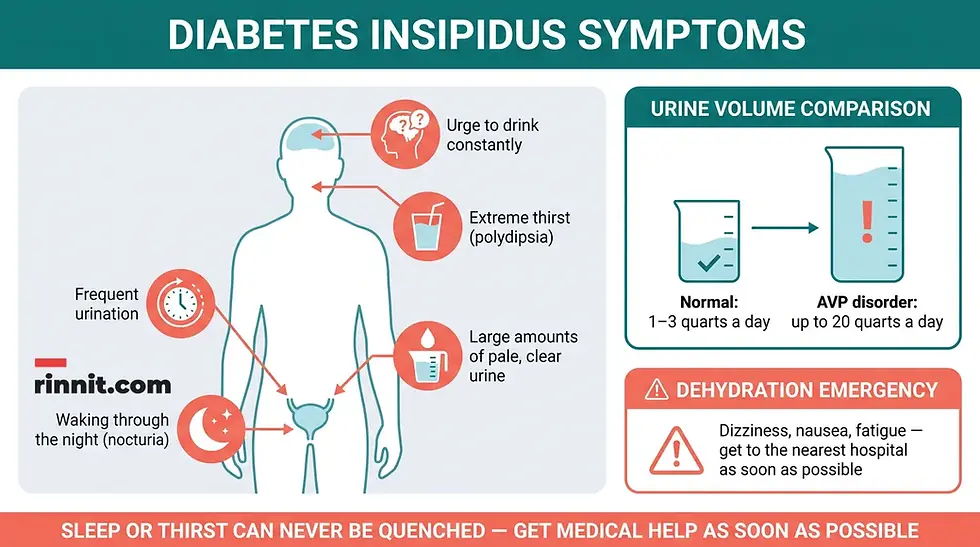
Figure 2: Around the clock, the body struggles to hold water — and the dehydration risk is the part that needs fast action.
When Should You See a Doctor?
If you're noticing constant urination, extreme thirst, and urine that's unusually large in volume and light in color, get medical help as soon as possible. These symptoms are a significant sign that something in your body isn't working as it should.
Dehydration is the danger zone. You can usually make up for all the fluids you pass in your pee by drinking more liquids — but if you don't, you could quickly become dehydrated, and dehydration can be life-threatening [1]. If you have symptoms of dehydration — like dizziness, nausea, and fatigue — get to the nearest hospital as soon as possible [1].
What Causes Diabetes Insipidus?
The causes vary based on the type.
What Causes AVP-D?
AVP-D (formerly central diabetes insipidus) happens when there's an issue with your hypothalamus or pituitary gland — the brain areas connected to AVP production and release [3]. Specific causes include an inherited gene variation, damage from surgery or a head injury, inflammation (granulomas) from conditions like sarcoidosis or tuberculosis, and tumors [1].
Notably, up to half of AVP-D cases have an unknown cause — a situation doctors call idiopathic, meaning the cause is never found [1].
What Causes AVP-R?
Specific causes of AVP-R include a blocked urinary tract, an inherited gene variation, certain medications, hypercalcemia (too much calcium in your blood), hypokalemia (low potassium levels in your blood), and lithium toxicity [1] [3].
Type | Root of the problem | Specific causes |
AVP-D (deficiency) | Issue with the hypothalamus or pituitary gland | Inherited gene variation; damage from surgery or head injury; inflammation (granulomas) from sarcoidosis or tuberculosis; tumors; up to half of cases have an unknown (idiopathic) cause |
AVP-R (resistance) | Kidneys don't respond to AVP properly | Blocked urinary tract; inherited gene variation; certain medications; hypercalcemia; hypokalemia; lithium toxicity |
gAVP-d (gestational) | Placenta makes an enzyme that breaks down AVP during pregnancy | More likely if pregnant with multiples or having preeclampsia or HELLP syndrome; usually resolves 2–3 weeks after pregnancy ends |
How Serious Can It Get?
The main complication of arginine vasopressin disorders is dehydration — when your body loses too much fluid and electrolytes to function as it's meant to [1].
Dehydration can be life-threatening [1]. If you have symptoms of dehydration — like dizziness, nausea, and fatigue — get to the nearest hospital as soon as possible [1].
Who needs extra watchfulness | Why |
Infants | May have difficulty recognizing thirst or acting on it |
People over 65 | Thirst recognition and response may decline |
People with certain mental health conditions or developmental disabilities | May have difficulty recognizing their thirst, or may not be able to act on it |
How Is Diabetes Insipidus Diagnosed?
Other, more common conditions cause frequent thirst and peeing. So part of diagnosing AVP-D or AVP-R involves ruling out those conditions — including diabetes mellitus (the common blood-sugar form of diabetes) [1]. A diagnosis involves finding the type and the cause. Your healthcare provider may order several tests.
Test | What it does |
Water deprivation test | A long-used way to diagnose either type, though newer copeptin tests have proved more accurate; you don't drink any liquid for several hours under constant supervision (because it can cause dehydration) — with AVP-D or AVP-R, you continue to pee large amounts of watery, light-colored urine; without the condition, you pee only a small amount of concentrated, dark yellow urine |
Copeptin blood test | Measures copeptin, a byproduct of AVP |
Blood glucose test | Rules out diabetes mellitus as the cause of thirst and urination |
Urinalysis | Checks osmolality — the concentration of your urine — and/or ketones |
Imaging tests (MRI) | Checks for damage to your pituitary gland or hypothalamus |
During a water deprivation test, the provider tracks changes in body weight, urine output, and the levels of sodium, potassium and other substances in the urine and blood, and may give a lab-made form of the hormone as a tablet or nasal spray to show whether the body makes enough of it and whether the kidneys respond to it [6]. Blood tests can also check the level of substances such as sodium, which helps with the diagnosis and may identify the type [6]. Genetic testing may be suggested if other family members have had problems with too much urination or a diagnosis of diabetes insipidus [6].
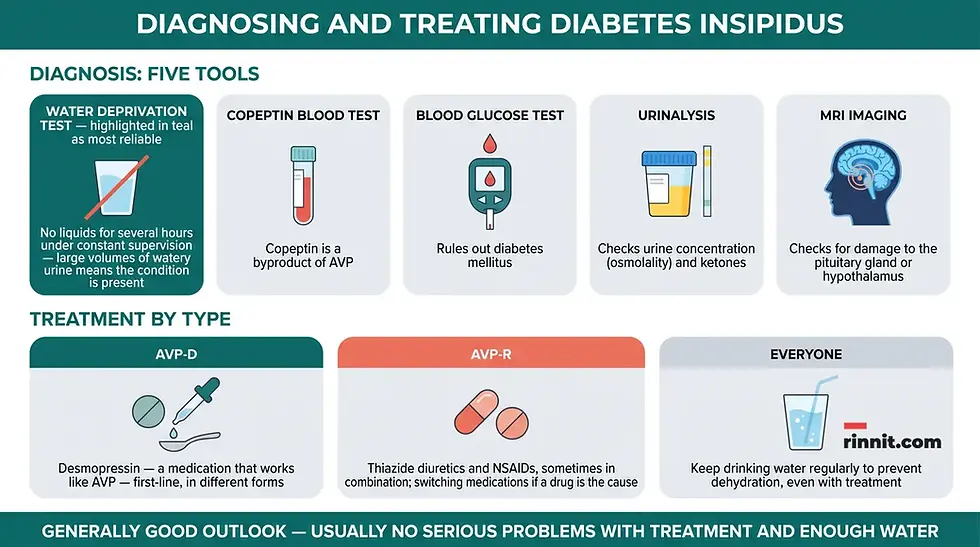
Figure 3: The water deprivation test is a standard diagnostic tool, newer copeptin tests can be more accurate, and treatment differs sharply between the two types.
How Is It Treated?
Treatment depends on whether you have AVP-D or AVP-R. Even with medical treatment, it's important to drink water regularly to prevent dehydration [1].
For AVP-D: Desmopressin is the first-line treatment for arginine vasopressin deficiency [1]. It's a medication that works like AVP, and it comes in different forms [1] [3]. Healthcare providers may also use desmopressin to treat the rare gestational form (gAVP-d) [3]. Drinking more water alone may be enough for the gestational form [1].
For AVP-R: Treatment is more complicated and sometimes involves a combination of approaches, including taking thiazide diuretics (water pills) and nonsteroidal anti-inflammatory drugs (NSAIDs) [1] [3]. If a medication you take causes AVP-R, your provider can sometimes treat the condition by switching you to a different one [1] [3].
If the condition is mild, drinking more water to prevent dehydration may be all you need [6]. When AVP-D is caused by a problem in the pituitary gland or hypothalamus, such as a tumor, treatment first aims to treat that cause [6]. Desmopressin comes as a pill or a nasal spray, or is given through a vein in the arm in the hospital, and the dose may need to change because the body still makes some of the hormone and the amount varies from day to day [6]. Taking more desmopressin than you need can make the body hold water and can cause low sodium levels in the blood that can be serious [6]. In AVP-R, desmopressin will not help because the kidneys do not respond to the hormone; a low-salt, low-protein diet may be recommended to lessen the amount of urine the kidneys make [6].
Treatment path | Options |
AVP-D | Desmopressin (works like AVP, comes in different forms) — first-line; also used for the rare gestational form, where drinking more water alone may be enough |
AVP-R | Thiazide diuretics, NSAIDs, sometimes in combination; switching medications if a drug you take is the cause |
Everyone | Keep drinking water regularly to prevent dehydration, even with medical treatment |
What Can I Expect in the Long Run?
The outlook (prognosis) for AVP-D and AVP-R is generally good. It usually doesn't cause serious problems as long as you get treatment and drink enough water [1].
How Should You Prepare for Your Appointment?
If you have AVP-D or AVP-R, it's important to see your healthcare provider regularly. They'll want to run tests to monitor the condition and make sure your treatment is working.
It may be helpful to ask your provider the following questions: Do I have AVP-D or AVP-R? What caused it? Is it chronic or temporary? What are my treatment options? How much water should I be drinking in a day? Is there anything else I can do to manage this condition? Are my family members at risk for developing arginine vasopressin disorder [1]?
Before your visit, it can also help to track your urine output and fluid intake for a few days, note how often you wake at night to urinate, and list every medication and supplement you take — since certain medications can cause AVP-R, and switching to a different one can sometimes treat it.
What is the bottom line on diabetes insipidus?
Arginine vasopressin disorder — the condition formerly called diabetes insipidus — is a pair of rare, treatable conditions in which the body can't retain water: either it doesn't make enough AVP, the hormone that tells the kidneys to hold onto fluid (AVP-D), or the kidneys don't respond to the hormone (AVP-R). The signature symptoms are unmistakable once you know them: constant urination including through the night, large volumes of light or clear urine (up to 20 quarts a day versus a normal 1 to 3), and intense thirst. The stakes are real — stop drinking fluids or skip treatment and dehydration can develop fast and become life-threatening, with dizziness, nausea, and fatigue as red flags. The good news is that the outlook is generally good with treatment and adequate water intake: desmopressin is the first-line treatment for AVP-D, AVP-R can be managed with diuretics, NSAIDs, or a medication switch, and the rare pregnancy-related form usually resolves on its own. If your thirst and urination feel out of proportion, don't brush it off — the water deprivation test and a few straightforward blood and urine checks can pinpoint what's happening, and a plan built with your provider can keep the condition well managed.
Take the Next Step
If you're peeing frequently day and night, passing unusually large amounts of pale or clear urine, and feeling thirsty no matter how much you drink, ask your healthcare provider about arginine vasopressin disorder (formerly diabetes insipidus). Even if it turns out to be something more common, the symptoms deserve a prompt check — dehydration from these conditions can become life-threatening. Until your appointment, keep drinking water regularly, and go to the nearest hospital right away if you develop dizziness, nausea, or fatigue. If you're diagnosed, plan regular follow-ups to monitor your condition and ask your provider exactly how much water you should drink each day.
Frequently Asked Questions
Q: What is diabetes insipidus?
A: The former name for arginine vasopressin disorder — two rare, treatable conditions in which your body lets go of too much urine and can't retain water properly, mainly because of an issue with the hormone arginine vasopressin (AVP), also called antidiuretic hormone (ADH).
Q: Is it the same as regular diabetes?
A: No. What most people call "diabetes" is diabetes mellitus, which involves high blood sugar. The shared term "diabetes" (from the Greek "diabainein," meaning "go through") describes liquids that quickly go through your body in both conditions — but diabetes mellitus is much more common and its treatment is very different. In 2022, medical organizations changed the name to arginine vasopressin deficiency/resistance because the shared name was causing confusion and harmful health effects.
Q: What are the two types?
A: AVP deficiency (AVP-D) — your body doesn't make enough AVP; formerly called central diabetes insipidus and the most common type. And AVP resistance (AVP-R) — your body releases enough AVP but your kidneys don't use it properly; formerly called nephrogenic diabetes insipidus.
Q: What does it feel like?
A: Needing to pee often, including through the night (nocturia), passing large amounts of light-colored or clear pee, and extreme thirst (polydipsia). Most people make 1 to 3 quarts of urine a day; people with AVP-D or AVP-R can make up to 20 quarts.
Q: Is there a pregnancy-related form?
A: Yes — a rare gestational form (gAVP-d). During pregnancy, the placenta may make too much of an enzyme that breaks down AVP. You're more likely to get it if you're pregnant with multiples or have a liver-affecting condition like preeclampsia or HELLP syndrome. It usually goes away two to three weeks after the pregnancy ends, and drinking more water alone may be enough for it.
Q: What causes AVP-D?
A: An issue with your hypothalamus or pituitary gland. Specific causes include an inherited gene variation, damage from surgery or a head injury, inflammation (granulomas) from conditions like sarcoidosis or tuberculosis, and tumors. Up to half of AVP-D cases have an unknown cause (idiopathic).
Q: What causes AVP-R?
A: Specific causes include a blocked urinary tract, an inherited gene variation, certain medications, hypercalcemia (too much calcium), hypokalemia (low potassium), and lithium toxicity.
Q: What's the most dangerous complication?
A: Dehydration — when your body loses too much fluid and electrolytes to function. You can usually make up for the fluids you pass by drinking more liquids, but if you don't, you could quickly become dehydrated. Dehydration can be life-threatening.
Q: When is dehydration an emergency?
A: If you have symptoms of dehydration — dizziness, nausea, and fatigue — get to the nearest hospital as soon as possible.
Q: How is it diagnosed?
A: A standard test is the water deprivation test (newer copeptin blood tests after a salt-water or arginine infusion have proved more accurate), done under constant supervision because it can cause dehydration — you don't drink liquid for several hours, and the response shows whether the condition is present. Providers may also order a copeptin blood test (copeptin is a byproduct of AVP), a blood glucose test to rule out diabetes mellitus, a urinalysis to check osmolality (urine concentration) and/or ketones, and imaging such as an MRI to check for damage to the pituitary gland or hypothalamus.
Q: How is AVP-D treated?
A: Desmopressin is the first-line treatment — a medication that works like AVP, available in different forms. While taking it, follow your provider's advice on how much to drink, because drinking too much fluid can cause dangerously low sodium levels; get urgent care for headache, nausea, confusion or seizures.
Q: How is AVP-R treated?
A: It's more complicated and sometimes involves a combination of thiazide diuretics and nonsteroidal anti-inflammatory drugs (NSAIDs). If a medication you take causes AVP-R, switching to a different one can sometimes treat it.
Q: Do I still need to drink water if I'm on treatment?
A: Yes. Even with medical treatment, it's important to drink water regularly to prevent dehydration. If you take desmopressin, ask your provider how much to drink, since too much fluid can lower your sodium to dangerous levels.
Q: What's the long-term outlook?
A: Generally good. It usually doesn't cause serious problems as long as you get treatment and drink enough water.
Q: Who is at higher risk of complications?
A: Infants, people over 65, and people with certain mental health conditions or developmental disabilities — these groups may have difficulty recognizing their thirst or acting on it.
Q: What are the symptoms in children?
A: Severe dehydration, constipation, vomiting, fevers, irritability, and growth faltering (failure to thrive).
Q: What questions should I ask my provider?
A: Do I have AVP-D or AVP-R? What caused it? Is it chronic or temporary? What are my treatment options? How much water should I be drinking in a day? Is there anything else I can do to manage this condition? Are my family members at risk?
Q: Will I need follow-up care?
A: Yes — it's important to see your healthcare provider regularly. They'll run tests to monitor the condition and make sure your treatment is working.
Related Reading
Diabetes: Symptoms, Types, Causes, Diagnosis and Treatment — How the more common blood-sugar condition differs from arginine vasopressin disorders, and why the names get confused.
Dehydration: Symptoms, Causes, Risk Groups and Treatment — The dizziness, nausea, and fatigue red flags and why fast action matters.
Central Diabetes Insipidus (CDI): The Rare Thirst Condition Caused by a Hormone Shortage — A closer look at AVP deficiency.
Panhypopituitarism: Understanding the Total Lack of Pituitary Hormones — How pituitary problems can affect many hormones, including AVP.
Sources
Cleveland Clinic. Arginine Vasopressin Disorders (Formerly Known as Nephrogenic Diabetes Insipidus). Cleveland Clinic. Last updated April 8, 2025. https://my.clevelandclinic.org/health/diseases/16618-diabetes-insipidus
Arima H, Cheetham T, Christ-Crain M, et al. Changing the Name of Diabetes Insipidus: A Position Statement of the Working Group for Renaming Diabetes Insipidus. J Clin Endocrinol Metab. 2022;108(1):1-3. PMID 36355385. https://doi.org/10.1210/clinem/dgac547
National Institute of Diabetes and Digestive and Kidney Diseases (NIDDK). Diabetes Insipidus. NIDDK. Last reviewed September 2021. https://www.niddk.nih.gov/health-information/kidney-disease/diabetes-insipidus
Fenske W, Refardt J, Chifu I, et al. A Copeptin-Based Approach in the Diagnosis of Diabetes Insipidus. N Engl J Med. 2018;379(5):428-439. PMID 30067922. https://doi.org/10.1056/NEJMoa1803760
Winzeler B, Cesana-Nigro N, Refardt J, et al. Arginine-stimulated copeptin measurements in the differential diagnosis of diabetes insipidus: a prospective diagnostic study. Lancet. 2019;394(10198):587-595. PMID 31303316. https://doi.org/10.1016/S0140-6736(19)31255-3
Mayo Clinic Staff. Diabetes insipidus - Diagnosis and treatment. Mayo Clinic. August 14, 2026. https://www.mayoclinic.org/diseases-conditions/diabetes-insipidus/diagnosis-treatment/drc-20351274
Atila C, Consoli C, Christ-Crain M. Arginine vasopressin deficiency: towards a better characterization. Endocr Relat Cancer. 2026;33(9). PMID 42677919. https://doi.org/10.1530/ERC-26-0090
Khattri Bhandari S, Fan SL. Copeptin as a Marker for Vasopressin Dysregulation and Diagnosis. J Appl Lab Med. 2026;11(1):143-154. PMID 41070791. https://doi.org/10.1093/jalm/jfaf153
Zittema D, van der Aa M, Doornebal J, et al. Copeptin and urine concentrating capacity predict kidney function decline in lithium-treated patients. Nephrol Dial Transplant. 2026. PMID 42847926. https://doi.org/10.1093/ndt/gfag219
Medical disclaimer
This guide is for general information only and is not a substitute for professional medical advice, diagnosis, or treatment. Dehydration from arginine vasopressin disorders can be life-threatening — seek emergency care immediately for dizziness, nausea, or fatigue. Always seek the advice of a physician or other qualified health provider with any questions about a medical condition. Never disregard professional medical advice or delay seeking it because of something you have read here.



Comments