Uterine Artery Embolization: Effective Relief for Fibroids and Bleeding

Updated: 3 days ago
Medically reviewed by Dr. Baraa Alnahhal, MD · Last reviewed: October 2026
Editorial note: This article is provided for educational purposes only. It is not medical advice. Always consult a qualified healthcare professional about your individual health situation.
Quick Answer: What is uterine artery embolization (UAE)?
Uterine artery embolization (UAE) is a minimally invasive procedure that blocks the blood supply to the uterus by releasing tiny particles through a catheter into the uterine arteries. [1] It shrinks fibroids and controls heavy bleeding without major surgery. [1] Nearly 90% of people treated for fibroids get partial or full relief, and most resume normal activities within weeks. [1]
What the research says
Myomectomy gave better quality of life than UAE at two years. In the FEMME randomized trial of 254 women with symptomatic fibroids, quality-of-life scores at two years were 84.6 after myomectomy and 80.0 after UAE (adjusted difference 8.0, 95% CI 1.8–14.1); by four years the difference was 5.0 (95% CI −1.4 to 11.5), and complications occurred in 29% of the myomectomy group and 24% of the UAE group (Daniels et al., Health Technology Assessment, 2022) [2].
UAE trades fewer major complications for more repeat procedures. Pooling 10 randomized trials with 986 patients, UAE had a lower risk of major complications (RR 0.45, 95% CI 0.22–0.95) but a higher risk of minor complications (RR 1.65) and of re-intervention up to two years (RR 3.74) and up to five years (RR 5.01) (Fonseca et al., Clinical Therapeutics, 2017) [3].
Compared with myomectomy, UAE had more reinterventions but fewer early complications. In a meta-analysis of 13 studies (9 observational, 4 randomized), UAE had a higher reintervention rate (OR 1.84) and hysterectomy rate (OR 4.04) at four years and a lower rate of early complications (OR 0.44), while improvement in pregnancy rates and abnormal uterine bleeding was comparable (Peng et al., Scientific Reports, 2024) [4].
When to See a Doctor
Talk with your healthcare provider if you have fibroid symptoms such as heavy menstrual bleeding, pelvic pressure, constipation, painful intercourse, or frequent urination, or if you want to understand your options for treating them.
After UAE, expect cramping for the first day or two. Contact your provider if you still have pain and discomfort two weeks after the procedure. [1] Seek medical advice promptly for a high or persistent fever, severe or worsening pain, or foul-smelling discharge, which can signal infection.
Understanding Uterine Artery Embolization
UAE is most commonly used to treat vaginal bleeding caused by uterine fibroids, noncancerous tumors inside the uterus. [1] It can also treat heavy bleeding in emergencies caused by trauma, malignant gynecological tumors, or postpartum hemorrhage. [1] It is considered minimally invasive because it needs only a tiny puncture in the skin rather than a surgical incision. [1]
UAE and uterine fibroid embolization (UFE) are often used interchangeably, but they are not identical. UFE is a particular kind of UAE that treats fibroids. [1] UAE is the broader category and also covers other conditions that cause vaginal bleeding. [1]
Who Should Not Have UAE?
UAE shouldn’t be performed if you have fibroids without symptoms, are pregnant, have a pelvic infection, have a disease that affects your veins, arteries, or blood vessels, or have had an allergic reaction to the contrast dyes used for the procedure. [1]
How the Procedure Works
An interventional radiologist performs UAE, usually as an outpatient procedure that takes about 90 minutes. [1] Before the procedure your provider will review your health history, discuss your pregnancy plans, and use MRI or ultrasound to find the cause of bleeding. [1] A biopsy of the uterine lining may be taken to check for cancer cells. [1] You will be asked to stop aspirin, NSAIDs, and blood thinners and to avoid eating or drinking beforehand. [1]
You lie on an exam table while your heart rate and blood pressure are monitored. [1]
Local anesthetic numbs the skin around your groin, and IV sedation helps you relax and may make you sleepy. [1]
A tiny puncture is made near the groin, in the femoral artery. [1]
Using fluoroscopy (real-time X-ray) and contrast dye, the radiologist guides a thin catheter to the uterine arteries. [1]
The catheter releases embolic agents, typically made of gelatin or plastic and about the size of grains of sand, that block blood flow to the uterus. [1]
The catheter is removed, bleeding at the puncture site is controlled, and a bandage is applied. [1]

Comparing Treatment Options
UAE is an alternative to surgery such as myomectomy (removing fibroids) or hysterectomy (removing the uterus). [1] Because it needs only a tiny puncture and no organ removal, recovery is typically shorter. [1] The trade-off is a higher chance of needing another procedure later. [3] [4]
Feature | Uterine artery embolization | Myomectomy | Hysterectomy |
Invasiveness | Minimally invasive (tiny puncture) | Surgical removal of fibroids | Surgical removal of the uterus |
Uterus | Preserved | Preserved | Removed |
Hospital stay | Typically outpatient | Surgical stay | Surgical stay |
Chance of needing another procedure | Higher than myomectomy in trials [4] | Lower than UAE | Fibroids cannot recur |
Future pregnancy | Effects not fully known; UAE is generally advised for people who don’t want to become pregnant [1] | Possible, and often preferred when pregnancy is desired | Not possible |
Recovery and What to Expect
Most people can go home within a few hours. [1] You may be asked to lie down for several hours, and your provider may prescribe pain medication and antibiotics. [1]
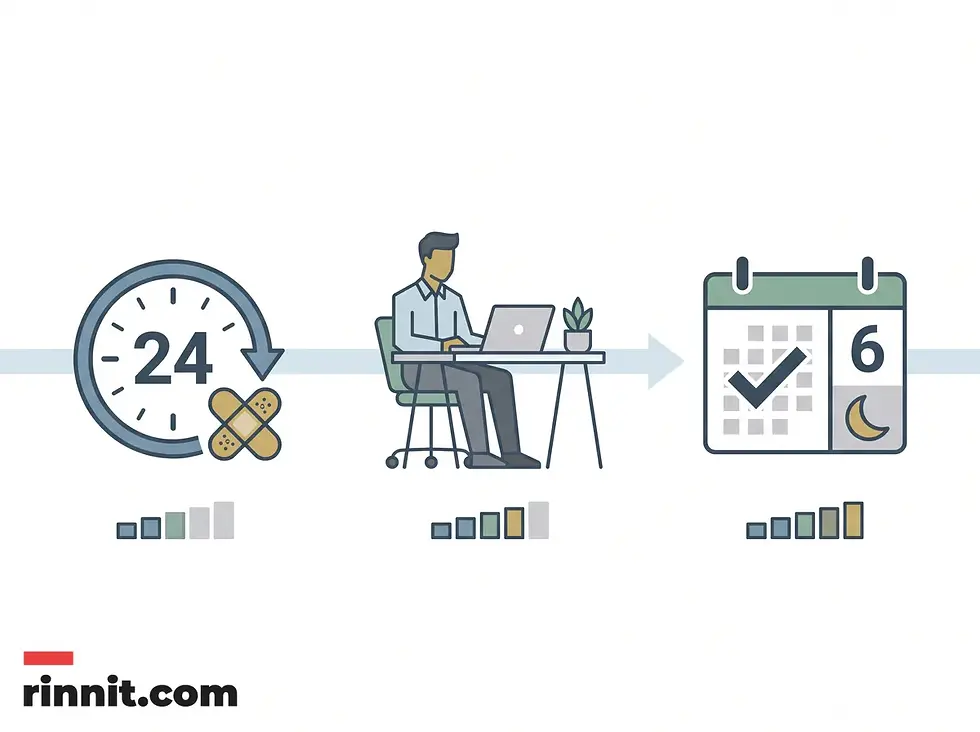
First 24 hours: Moderate to severe pelvic cramps are common. [1]
Discharge: Expect a watery or mucus-like discharge for several weeks. [1]
Activity: Most people resume normal activities within one to two weeks, and up to 90% within 10 days. [1]
Periods: You may not get a period for several cycles. When it returns, bleeding may be lighter and then gradually increase. [1]
Fibroid symptoms: They begin to improve in about two to three weeks, and most people have complete relief after six months. [1] Some people pass fibroid tissue vaginally. [1]
Results and Outlook
Up to 92% of people who have UAE have no symptoms of uncontrolled vaginal bleeding 12 months later. [1] Fibroids can come back, though: in studies cited by Cleveland Clinic, 32% of people had fibroid symptoms again after five years, and a repeat UAE may be needed. [1]

Risks and Long-Term Considerations
UAE is safe in most cases, but it carries risks: [1]
Infection: Inserting a catheter can damage other blood vessels or cause an infection. [1]
Injury to healthy tissue: Particles can be deposited in the wrong blood vessel and cut off blood supply to healthy tissue. [1]
Allergic reaction: To X-ray contrast dye or sedative medicines. [1]
Loss of menstrual periods: In about 1% to 5% of people, periods stop permanently. [1]
Procedure failure: Symptoms may return, and a second UAE or a hysterectomy may be needed. [1]
Infertility: Some people lose the ability to become pregnant. [1]
Pregnancy and Fertility
It is still unclear how UAE affects a future pregnancy. [1] Pregnancies after UAE may have higher rates of miscarriage and are more likely to involve cesarean delivery and postpartum hemorrhage. [1] Some providers prefer surgical removal of fibroids when a person wants more children. In the FEMME trial, 12 women in the UAE group and 6 in the myomectomy group reported pregnancies over four years, a difference that was not statistically significant. [2] If you are pregnant or hope to become pregnant, discuss these risks with your provider.
Conclusion
Uterine artery embolization is a valuable, minimally invasive option for fibroids and for controlling serious uterine bleeding. It avoids major surgery and offers a quick return to daily life, with nearly 90% of people treated for fibroids reporting partial or full relief.
The decision between UAE, myomectomy, and hysterectomy should weigh recovery time, the chance of needing further treatment, and fertility goals. A conversation with your gynecologist and an interventional radiologist is the best way to decide.
Your next step: If UAE might be right for you, schedule a consultation with an interventional radiologist or your gynecologist. They will review your history, order imaging such as MRI or ultrasound, and tell you whether you are a suitable candidate. Bring a list of your medicines and your plans for pregnancy.
Related reading: Heavy Menstrual Bleeding (Menorrhagia) | Robotic-Assisted Hysterectomy | Pelvic Congestion Syndrome | Chronic Pelvic Pain
Sources: Cleveland Clinic — Uterine Artery Embolization | Daniels et al., 2022 | Fonseca et al., 2017 | Peng et al., 2024
Frequently Asked Questions
1. What exactly is uterine artery embolization?
Uterine artery embolization is a minimally invasive procedure that blocks blood flow to the uterus to treat fibroids, other tumors, or heavy bleeding.
2. Is UAE the same as uterine fibroid embolization (UFE)?
UFE is a particular kind of UAE that treats uterine fibroids. UAE also treats other causes of vaginal bleeding, such as trauma, cancerous tumors, and childbirth.
3. How successful is UAE for fibroids?
Nearly 90% of people treated for fibroids have partial or full relief of symptoms, and most have complete relief by six months.
4. Will I need to stay in the hospital overnight?
UAE is typically an outpatient procedure, and most people can leave within a few hours.
5. How long does the procedure take?
About 90 minutes.
6. What kind of anesthesia is used?
Local anesthetic numbs the skin at the groin, and IV sedation keeps you relaxed and sleepy.
7. How long is recovery?
Most people resume normal activities within one to two weeks, and up to 90% do so within 10 days. Pelvic pain, cramps, and discomfort can last up to two weeks.
8. Are there large scars?
No. The procedure needs only a tiny puncture near the groin and no large incisions or stitches.
9. Can I get pregnant after UAE?
Healthy pregnancies have been reported, but data are limited and pregnancies after UAE may have higher rates of miscarriage, cesarean delivery, and postpartum hemorrhage. UAE is generally recommended for people who don’t wish to become pregnant.
10. What side effects are common right after UAE?
Moderate to severe pelvic cramping in the first 24 hours, plus possible fatigue, mild nausea, and low-grade fever.
11. What are the embolic particles made of?
Typically medical-grade gelatin or plastic, about the size of grains of sand.
12. Will my periods stop?
Your period may not return for several cycles and may be lighter at first. In about 1% to 5% of people, periods stop permanently.
13. Can UAE treat cancerous tumors?
UAE can be used to control heavy bleeding from malignant gynecological tumors, particularly in emergencies. It controls the bleeding rather than treating the cancer itself.
14. What are the risks?
Infection, injury to healthy tissue if particles reach the wrong vessel, allergic reaction to contrast dye or sedatives, permanent loss of periods, symptoms returning, and possible loss of fertility.
15. What happens to the fibroids afterward?
The fibroids gradually shrink because their blood supply is cut off, and some people pass fibroid tissue through the vagina.
16. Can fibroids come back after UAE?
Yes. In one set of studies cited by Cleveland Clinic, 32% of people had fibroid symptoms again after five years, and a second UAE may be needed.
17. How does UAE compare with myomectomy?
Trials and meta-analyses find that UAE has a shorter recovery but a higher chance of needing another procedure. In the FEMME trial, quality-of-life scores at two years favored myomectomy.
References
Cleveland Clinic. Uterine Artery Embolization. Cleveland Clinic. October 24, 2022. https://my.clevelandclinic.org/health/treatments/17954-uterine-artery-embolization
Daniels J, Middleton LJ, Cheed V, et al. Uterine artery embolisation versus myomectomy for premenopausal women with uterine fibroids wishing to avoid hysterectomy: the FEMME RCT. Health Technol Assess. 2022;26(22):1-74. PMID 35435818. https://doi.org/10.3310/ZDEG6110
Fonseca MCM, Castro R, Machado M, et al. Uterine artery embolization and surgical methods for the treatment of symptomatic uterine leiomyomas: a systemic review and meta-analysis followed by indirect treatment comparison. Clin Ther. 2017;39(7):1438-1455.e2. PMID 28641997. https://doi.org/10.1016/j.clinthera.2017.05.346
Peng J, Wang J, Shu Q, et al. Systematic review and meta-analysis of current evidence in uterine artery embolization vs myomectomy for symptomatic uterine fibroids. Sci Rep. 2024;14(1):19252. PMID 39164326. https://doi.org/10.1038/s41598-024-69754-0
Medical disclaimer
This article is for education only and is not a substitute for professional medical advice, diagnosis, or treatment. Fever, severe or worsening pelvic pain, heavy bleeding, or foul-smelling discharge after a uterine procedure warrants prompt medical attention. Always consult a qualified healthcare professional about your individual health situation.



Informative and clear! This breakdown of Uterine Artery Embolization makes it easy to understand why Non-Surgical Embolization is such a great, minimally invasive option for managing fibroids and heavy bleeding. Thanks for sharing!