Understanding the Indiana Pouch: A Comprehensive Guide to Urinary Diversion

Updated: 3 days ago
Medically reviewed by Dr. Baraa Alnahhal, MD | Last reviewed: October 7, 2026

Quick Answer: What is an Indiana pouch?
An Indiana pouch is a surgically created internal reservoir that stores urine after bladder removal (cystectomy). [1] Built from sections of the large and small intestines, it acts as a new bladder inside the body. [1] Patients keep control by draining the pouch with a catheter through a small abdominal opening, or stoma, approximately six times daily. [1]
What the research says
Continent diversions like the Indiana pouch are generally linked to better body image and less decision regret than urostomy bag diversions, but the evidence is imperfect. A systematic review of 31 studies (5,180 patients) found that most comparative studies reported favorable body image and lower decision regret with continent versus incontinent urinary diversions; most studies had moderate to serious risk of bias, and only 61 of the patients had a continent cutaneous diversion (Roessler et al., European Urology Focus, 2026) [2].
In one center’s 16-year experience with robotic cystectomy and Indiana pouch, continence was excellent but complications were common. Among 97 patients with a median follow-up of 93 months, the urinary continence rate was 99.0%. The overall complication rate was 73.2% at 30 days and 76.5% at 90 days, major complications (Clavien III–V) affected 17.5% at 30 days and 22.7% at 90 days, and 21.4% were readmitted; the most common major complications were abdominal infection and uretero-colonic stricture (Kim et al., Urology, 2024) [3].
Quality-of-life research on continent diversions is limited. A systematic review of 85 quality-of-life studies (8,417 patients) found that 39.8% of patients had an ileal conduit, 38.8% a neobladder and only 12.8% a continent urinary diversion (Rangarajan & Somani, Arab Journal of Urology, 2019) [4].
Overview of the Indiana Pouch
When a patient’s bladder must be removed due to severe conditions like bladder cancer or neurogenic bladder, surgeons must create a new way for the body to store and eliminate urine. The Indiana Pouch is one of the most effective forms of continent urinary diversion. It is designed to mimic the storage function of a natural bladder, holding urine until the patient is ready to empty it. [1]
The pouch itself is crafted from a portion of the large intestine (colon), while the exit valve, or stoma, is made from the small intestine. This internal design eliminates the need for an external appliance or collection bag [1], offering a more discreet and manageable lifestyle for many patients.
Comparison of Urinary Diversion Types
Choosing the right urinary diversion is a critical decision made by the healthcare team based on the patient’s overall health and lifestyle needs.
Feature | Indiana Pouch (Continent) | Incontinent Diversion (Urostomy) |
Storage | Internal reservoir made from intestines. | External collection bag (appliance). |
Control | Patient drains manually via catheter. | Urine flows constantly into a bag. |
Discretion | High; only a small stoma is visible. | Lower; requires wearing a bag. |
Maintenance | Requires catheterization and irrigation. | Requires bag changes and skin care. |
The Surgical Procedure
The creation of an Indiana Pouch is a complex reconstructive surgery typically performed by a specialized urological team. The procedure involves several critical stages to ensure the new system functions correctly.
Radical Cystectomy: The surgeon first removes the diseased or damaged bladder. [1]
Pouch Construction: Sections of the colon are removed and reshaped into a spherical reservoir.
Stoma Creation: A small piece of the small intestine is used to create a one-way valve that connects the pouch to the skin of the abdomen.
Ureteral Reattachment: The ureters—the tubes that carry urine from the kidneys—are carefully attached to the new pouch. [1]
Intestinal Reconnection: The remaining ends of the intestines are reattached to allow for normal digestion to continue. [1]

Post-Operative Care and Maintenance
Living with an Indiana Pouch requires a commitment to a specific daily routine to ensure the health of the kidneys and the integrity of the pouch.
Maintenance Task | Frequency | Purpose |
Catheterization | ~6 times per day | To empty urine from the internal reservoir. |
Irrigation | 1–2 times per day | To flush out mucus produced by the intestinal lining. |
Hand Washing | Before every task | To prevent infections in the stoma or pouch. |
Hydration | Throughout the day | To keep urine dilute and reduce mucus thickness. |
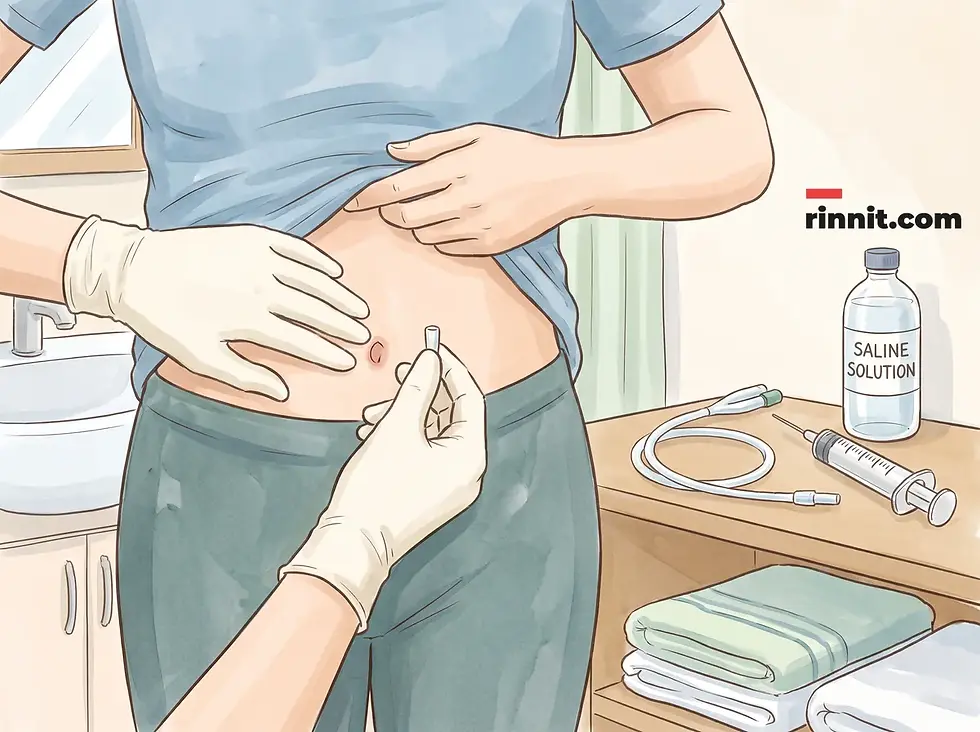
Because the pouch is made from intestinal tissue, it naturally continues to produce mucus. [1] If this mucus is not regularly flushed out through irrigation with a saline solution, it can lead to blockages or the formation of stones. [1]
Conclusion
The Indiana Pouch reconstruction is a transformative procedure that offers a continent and discreet alternative for patients who have undergone bladder removal. By using the body’s own tissues to create a new reservoir, it allows for a high degree of normalcy and control. While it requires a dedicated maintenance routine, many patients find that the benefits of internal storage and the absence of an external bag significantly improve their quality of life.
Next Steps
If you are preparing for a cystectomy, discuss the Indiana Pouch with your urologist to see if you are a candidate for continent diversion. Understanding the daily requirements for catheterization and irrigation is essential before surgery. Your healthcare team will provide detailed training on these techniques during your recovery to ensure you feel confident in managing your new pouch.
Frequently Asked Questions
What is an Indiana Pouch?
An Indiana pouch is an internal reservoir made from your own intestines that stores urine after your bladder has been removed.
How do I empty the pouch?
You insert a small, flexible tube called a catheter through a discreet opening (stoma) in your abdomen to drain the urine.
Does urine leak from the stoma?
The surgery creates a one-way valve that keeps urine inside the pouch until you drain it with a catheter. Leaking from the stoma can still happen occasionally, so tell your healthcare provider if it does.
How often do I need to drain it?
Most people need to catheterize approximately six times a day, similar to the frequency of normal urination.
Why do I need to rinse or “irrigate” the pouch?
The pouch is made of intestinal tissue which produces mucus. Irrigation with saline flushes this mucus out to prevent blockages.
Is the surgery painful?
The procedure is performed under general anesthesia, so you will not feel pain during the surgery. Post-operative pain is managed with medication.
How long is the hospital stay?
Patients typically stay in the hospital for a few days to a week, depending on the surgical approach and their recovery progress.
Can I still exercise with an Indiana Pouch?
Many people return to work or school and resume light physical activity within a few weeks, though full recovery from the surgery can take several months. Ask your care team when it is safe to resume more strenuous exercise.
Will I need to wear an external bag?
No, one of the primary benefits of an Indiana Pouch is that it stores urine internally, eliminating the need for a collection bag.
What is the pouch made of?
The reservoir is made from a section of your large intestine (colon), and the valve is made from your small intestine.
Are there risks involved with the surgery?
As with any major surgery, risks include infection and bleeding. After an Indiana pouch, there can also be a higher risk of urinary tract infections and kidney stones, mucus that clogs the catheter, stoma leaking or narrowing, and, rarely, electrolyte abnormalities in the blood.
Can everyone get an Indiana Pouch?
Not everyone is a candidate. Factors like kidney function, intestinal health, and the ability to perform self-catheterization are considered.
What happens if I forget to drain the pouch?
The pouch can become overstretched, which may lead to discomfort or leaking. It is important to maintain a regular schedule.
Does the stoma require special clothing?
No, the stoma is small and flat, allowing you to wear your normal clothes without any special modifications.
Will I be able to sleep through the night?
Many patients find they need to wake up once during the night to drain the pouch, especially in the early stages of recovery.
Related reading on Rinnit
Sources
Cleveland Clinic. Indiana Pouch. Cleveland Clinic. Last updated October 19, 2026. https://my.clevelandclinic.org/health/treatments/24765-indiana-pouch
Roessler N, Miszczyk M, Miyajima K, et al. The Influence of Urinary Diversion Type on Body Image and Decision Regret Following Radical Cystectomy: A Systematic Review. Eur Urol Focus. 2026;12(4):785-795. PMID 41390278. https://doi.org/10.1016/j.euf.2025.12.002
Kim AH, Ruel NH, Yamzon J, et al. Indiana Pouch Continent Cutaneous Urinary Diversion After Robotic-assisted Radical Cystectomy: A 16-Year Experience. Urology. 2024;183:e325-e327. PMID 37951362. https://doi.org/10.1016/j.urology.2023.10.023
Rangarajan K, Somani BK. Trends in quality of life reporting for radical cystectomy and urinary diversion over the last four decades: A systematic review of the literature. Arab J Urol. 2019;17(3):181-194. PMID 31489233. https://doi.org/10.1080/2090598X.2019.1600279
Related Reading
Loopogram: How It Checks Your Ileal Conduit After Bladder Removal explains the X-ray test that checks urine drainage through an ileal conduit.
Medical disclaimer
The information provided in this article is for educational purposes only and should not be considered professional medical advice. Always seek the advice of a qualified healthcare provider with any questions regarding a medical condition or surgical procedure.



Comments