Understanding Radial Artery and Saphenous Vein Harvesting

Updated: 2 days ago
Medically reviewed by Dr. Baraa Alnahhal, MD · Last reviewed: October 2026
Definition: Procedures used to obtain healthy blood vessels for coronary artery bypass grafting (CABG). [1]
Vessels used: Surgeons remove either an artery from the forearm or a vein from the leg to create a new pathway for blood to reach the heart, bypassing blocked arteries. [1]
Technique: Most procedures are now performed using minimally invasive endoscopic techniques. [1]
Benefits: Endoscopic harvesting offers faster recovery times and reduced surgical risks compared with traditional open surgery. [1]
Quick Answer
Radial artery and saphenous vein harvesting is the surgical removal of a healthy blood vessel to use as a graft in heart bypass surgery. [1] The radial artery comes from the forearm and the saphenous vein from the leg, and the graft restores blood flow to the heart. [1] It is usually done endoscopically, with smaller incisions and less pain. [1]
What the research says
Radial artery grafts block less often than standard vein grafts. A network meta-analysis of 14 randomized trials (3,651 grafts; mean angiographic follow-up 5.1 years) found that, compared with conventionally harvested saphenous vein, radial artery grafts had lower graft occlusion (incidence rate ratio 0.54; 95% CI 0.35 to 0.82), and the radial artery ranked as the best conduit for patency (Gaudino et al., J Am Heart Assoc, 2021) [2].
Endoscopic vein harvesting reduces leg-wound problems, but the patency evidence is mixed. A systematic review and meta-analysis of 22 studies (27,911 patients, at least 1 year of follow-up) found fewer leg-wound complications with endoscopic than open harvesting (OR 0.19; 95% CI 0.12 to 0.30) and similar all-cause mortality, but more graft injuries and lower mid-term graft patency (OR 0.80; 95% CI 0.70 to 0.91). The authors noted that outcomes may improve as surgical expertise grows (Li et al., Int J Surg, 2019) [3].
What is radial artery and saphenous vein harvesting?
Blood vessel harvesting is a critical component of coronary artery bypass grafting (CABG), a surgical treatment for coronary artery disease. During this procedure, a healthy blood vessel is removed from one part of the body and repurposed to bypass a narrowed or blocked segment of a coronary artery. [1] This allows oxygen-rich blood to flow freely to the heart muscle, significantly improving cardiac function and overall health.

The Radial Artery
The radial artery is one of the two main blood vessels in the forearm, running from the elbow to the wrist along the thumb side of the arm. It lies just beneath the surface of the skin, making it accessible for surgical removal. When a radial artery is harvested, the ulnar artery in the forearm typically takes over the responsibility of providing blood to the hand and fingers. [1]
The Saphenous Vein
The saphenous vein, also known as the great saphenous vein, is the longest vein in the human body. It begins in the foot and travels up the inside of the leg, eventually connecting to the femoral vein in the thigh. Its primary role is to return oxygen-poor blood from the lower extremities to the heart. After harvesting, deeper veins in the leg assume this function. [1]
How is radial artery and saphenous vein harvesting done?
Surgeons typically perform vessel harvesting immediately before the bypass portion of the surgery while the patient is under general anesthesia. [1] The choice of which vessel to harvest depends on several factors, including the patient's overall health, the size of their coronary arteries, and the results of preoperative vascular imaging tests.
Feature | Endoscopic Harvesting | Open Surgical Harvesting |
Incision Size | Small, localized incisions [1] | Multiple long incisions |
Tools Used | Endoscope with camera and light [1] | Standard surgical instruments |
Recovery Time | Faster and less painful [1] | Longer and more intensive |
Scarring | Minimal | Significant |
Infection Risk | Lower | Higher |
Surgical Methods
Most modern harvesting procedures utilize endoscopic surgery. [1] This minimally invasive approach involves making small incisions and using a thin tube equipped with a camera (endoscope) to guide the removal of the vessel. [1] In some cases, traditional open surgery may be necessary, requiring longer incisions to directly access and remove the healthy artery or vein. [1]

What are the risks and benefits of radial artery and saphenous vein harvesting?
The primary benefit of vessel harvesting is that it enables life-saving heart bypass surgery. Endoscopic methods further enhance these benefits by reducing the physical toll on the patient's body. However, like any surgical procedure, there are inherent risks that patients should discuss with their healthcare providers.
Key Benefits
Enabled Bypass: Provides the necessary grafts to restore blood flow to the heart. [1]
Minimally Invasive: Endoscopic techniques reduce trauma to the donor site.
Reduced Complications: Lower rates of bleeding, hematomas, and infections. [1]
Aesthetic Outcomes: Results in much smaller scars compared to open surgery. [1]
Potential Risks
Patients may experience localized swelling (edema), bruising, or pain at the harvesting site. [1] There is also a small risk of blood clots, nerve damage, or a temporary loss of skin sensation in the area where the vessel was removed. In the long term, some vein grafts may develop atherosclerosis, though arterial grafts like the radial artery often demonstrate greater durability over time. [1]
What is recovery like after radial artery and saphenous vein harvesting?
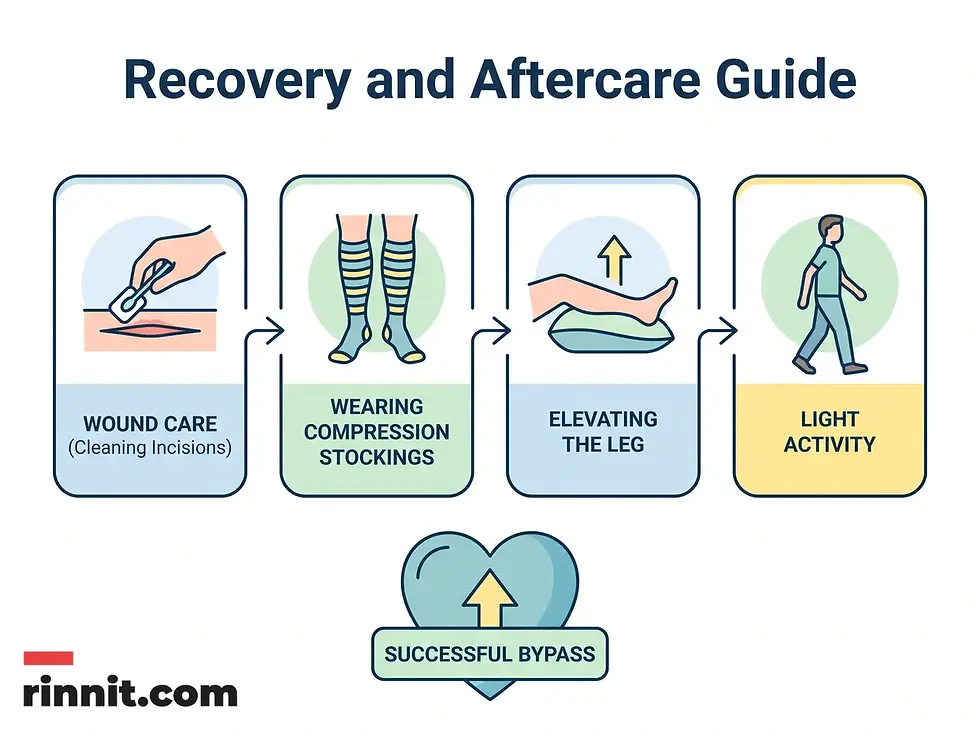
Recovery from vessel harvesting is generally managed alongside the broader recovery from heart bypass surgery. Patients are often prescribed blood thinners and pain relievers to manage the healing process. [1] If a saphenous vein was harvested, wearing compression stockings and elevating the leg can help manage swelling and promote circulation. [1]
Long-Term Success
Coronary artery bypass surgery using harvested vessels is highly effective for treating heart disease. While approximately 10% of vein grafts may face challenges within the first year, arterial grafts tend to have higher long-term success rates. Maintaining a heart-healthy lifestyle is essential for ensuring the longevity of the bypass grafts and preventing further arterial blockages.
Conclusion and Next Steps
Radial artery and saphenous vein harvesting are essential techniques that provide the foundation for successful heart bypass surgery. By repurposing healthy vessels, surgeons can effectively restore life-sustaining blood flow to the heart. Whether performed through minimally invasive endoscopic methods or traditional surgery, these procedures remain a cornerstone of modern cardiovascular medicine, offering patients a renewed path to heart health. If you are preparing for a bypass procedure, consult your surgical team to understand which harvesting method is best suited for your specific needs.
Frequently Asked Questions
What is the difference between a radial artery and a saphenous vein?
The radial artery is located in the forearm, while the saphenous vein is the long vein running up the leg. In bypass surgery, the radial artery is often preferred for its long-term durability, whereas the saphenous vein is frequently used when multiple grafts are required.
How does the body compensate for a removed blood vessel?
When the radial artery is removed, the ulnar artery in the arm takes over the blood supply to the hand. Similarly, when the saphenous vein is harvested, deeper veins in the leg assume the responsibility of returning blood to the heart.
Is endoscopic harvesting better than open surgery?
Endoscopic harvesting is generally preferred because it is minimally invasive, resulting in smaller scars, less pain, and a faster overall recovery compared to the long incisions required for open surgery.
What are the main risks of the harvesting procedure?
Common risks include localized pain, swelling, bruising, and a temporary loss of sensation at the donor site. More serious but less common risks include infection, blood clots, or damage to surrounding nerves.
How long does it take to recover from vessel harvesting?
Recovery from the harvesting site usually takes a few weeks, but it is typically managed as part of the larger 6- to 12-week recovery period for the heart bypass surgery itself.
Why is the radial artery often harvested from the nondominant arm?
Surgeons typically harvest the radial artery from the nondominant arm (e.g., the left arm for a right-handed person) to minimize any impact on the patient's primary hand function during the recovery phase.
What tests are done before the harvesting procedure?
Healthcare providers may order vascular ultrasounds, CT scans, or MRIs to assess the health and size of the potential donor vessels and ensure they are suitable for use as bypass grafts.
Will I have permanent scarring after the procedure?
Endoscopic harvesting results in very small, minimal scars. Open surgery results in longer, more visible scars at the site where the artery or vein was removed.
Do I need to wear special stockings after leg vein harvesting?
Yes, patients who undergo saphenous vein harvesting are often advised to wear compression stockings and elevate their legs to reduce swelling and support circulation during the healing process.
Can a harvested vessel fail over time?
Yes, over many years, a grafted vessel can develop blockages similar to original coronary arteries. Arterial grafts generally last longer than vein grafts, and a heart-healthy lifestyle is key to long-term success.
Related Reading
Coronary Artery Bypass Graft (CABG) Surgery: Procedure and Recovery explains heart bypass surgery and recovery.
References
Cleveland Clinic. Radial Artery & Saphenous Vein Harvesting. Cleveland Clinic Health Library. Accessed October 11, 2026. https://my.clevelandclinic.org/health/treatments/17406-radial-artery--saphenous-vein-harvesting
Gaudino M, Hameed I, Robinson NB, et al. Angiographic patency of coronary artery bypass conduits: a network meta-analysis of randomized trials. J Am Heart Assoc. 2021;10(6):e019206. PMID: 33686866. DOI: https://doi.org/10.1161/JAHA.120.019206
Li G, Zhang Y, Wu Z, Liu Z, Zheng J. Mid-term and long-term outcomes of endoscopic versus open vein harvesting for coronary artery bypass: a systematic review and meta-analysis. Int J Surg. 2019;72:167-173. PMID: 31707009. DOI: https://doi.org/10.1016/j.ijsu.2019.11.003
Medical disclaimer
This article is for informational purposes only and is not a substitute for professional medical advice, diagnosis, or treatment. Always seek the advice of your physician or other qualified health provider with any questions you may have about a medical condition.



Comments