Understanding Phosphate Binders: Managing Mineral Balance in Kidney Health

Updated: 23 minutes ago
Medically reviewed by Dr. Baraa Alnahhal, MD · Last reviewed: September 2026
TL;DR: Phosphate binders are essential medications used primarily by individuals with chronic kidney disease to lower high levels of phosphorus in the blood. By binding to phosphate in the digestive tract, these medications prevent the mineral from entering the bloodstream, thereby protecting bones and the heart. Available in several forms, they must be taken precisely with meals to be effective. Consistent use is vital, as stopping these medications can lead to serious complications, including heart disease and increased bone fracture risk.
Quick Answer: What Are Phosphate Binders?
Phosphate binders are medications that attach to phosphorus in the stomach and intestines, allowing the body to excrete the excess mineral through stool. They are critical for patients with kidney failure, as high phosphate levels (hyperphosphatemia) can cause bone disease, heart attacks, and strokes. Common types include calcium-based and non-calcium options like sevelamer. To work correctly, they must be taken within minutes of eating a meal or snack to trap the phosphate found in food.
The Role of Phosphate and the Need for Binders
Phosphate is a vital electrolyte that the body uses to build strong bones and teeth, produce energy at the cellular level, and form DNA. Under normal conditions, the kidneys filter excess phosphate from the blood and remove it through urine. However, when kidney function declines—such as in chronic kidney disease (CKD) or kidney failure—the body can no longer eliminate this excess, leading to a condition known as hyperphosphatemia.
High levels of phosphate in the blood can trigger a cascade of health issues. It often pulls calcium out of the bones, making them weak and prone to fractures, a condition known as CKD-mineral and bone disorder (CKD-MBD). Furthermore, excess phosphate can contribute to the calcification of blood vessels, significantly increasing the risk of cardiovascular events like heart disease and stroke.
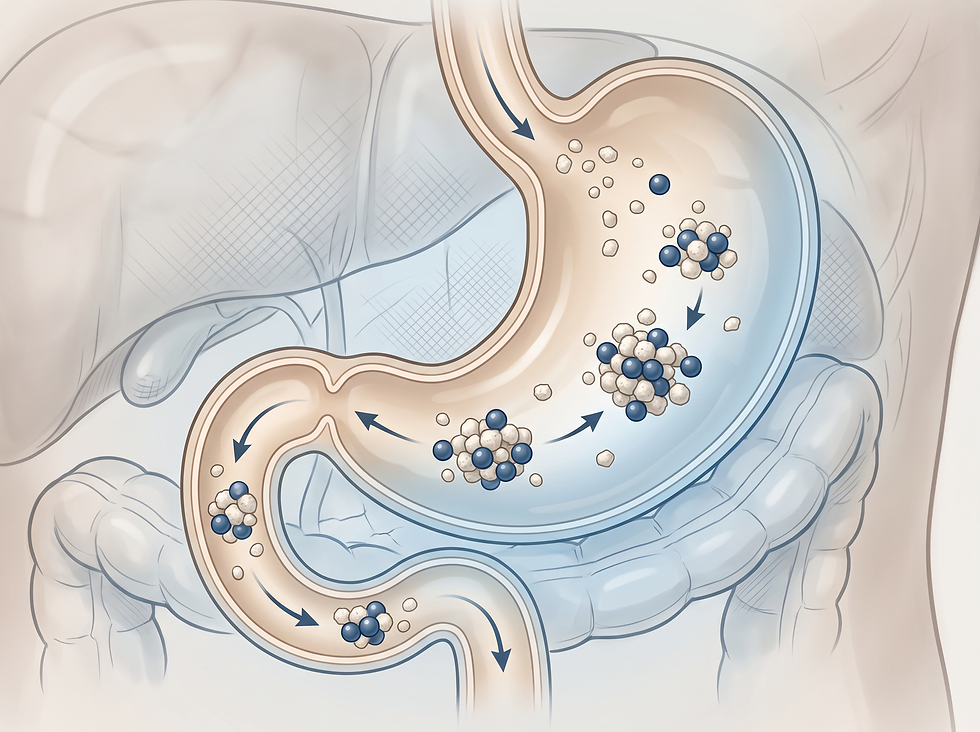
Figure 1: Conceptual illustration of phosphate binders intercepting minerals in the digestive tract.
Types of Phosphate Binders and Their Function
Phosphate binders are categorized based on their chemical composition. While calcium-based binders are common, non-calcium alternatives are often preferred for patients at high risk of vascular calcification.
Binder Type | Common Examples | Considerations |
Calcium-Based | Calcium carbonate, Calcium acetate | Effective and widely available, but may increase the risk of mineral deposits in blood vessels. |
Non-Calcium-Based | Sevelamer, Lanthanum carbonate | Often recommended to avoid the risk of vascular calcification associated with extra calcium intake. |
Iron-Based | Sucroferric oxyhydroxide | A newer class of binders that utilizes iron to trap phosphate in the digestive tract. |
These medications work by intercepting phosphate in the stomach before it reaches the jejunum, the middle section of the small intestine where most mineral absorption occurs. Once bound to the medication, the phosphate becomes too large to be absorbed into the bloodstream and is instead passed safely out of the body during bowel movements.
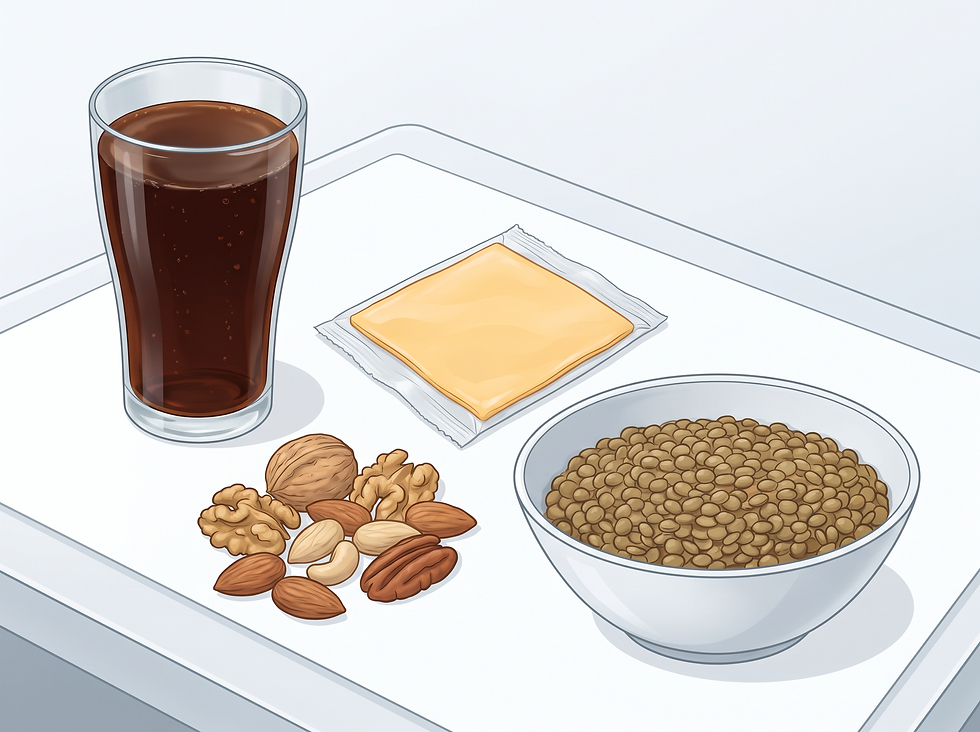
Figure 2: Common high-phosphate foods that require careful monitoring and medication timing.
Administration and Dietary Management
The effectiveness of phosphate binders is heavily dependent on the timing of administration. Because their job is to bind to the phosphate found in food, they must be present in the stomach at the same time as a meal or snack. Depending on the specific prescription, patients may be instructed to chew the medication immediately before eating, swallow it whole with the first few bites of food, or even take it shortly after a meal.
In addition to medication, managing dietary intake is a crucial part of controlling phosphate levels. Many common foods are naturally high in phosphorus or contain phosphate additives.
Food Category | High-Phosphate Examples |
Dairy | Milk, yogurt, processed cheeses. |
Proteins | Nuts, beans, lentils, processed meats. |
Grains | Whole wheat, oats, brown rice. |
Beverages | Soda pop and other dark-colored colas. |
Risks and Side Effects
While phosphate binders are life-saving for many, they can cause digestive side effects. Most commonly, patients report abdominal pain, nausea, indigestion, diarrhea, or constipation. Some binders may also cause a noticeable change in stool color. It is essential to discuss these symptoms with a healthcare provider rather than stopping the medication, as the risks of untreated hyperphosphatemia—such as severe itching, bone pain, and heart complications—are far more dangerous.
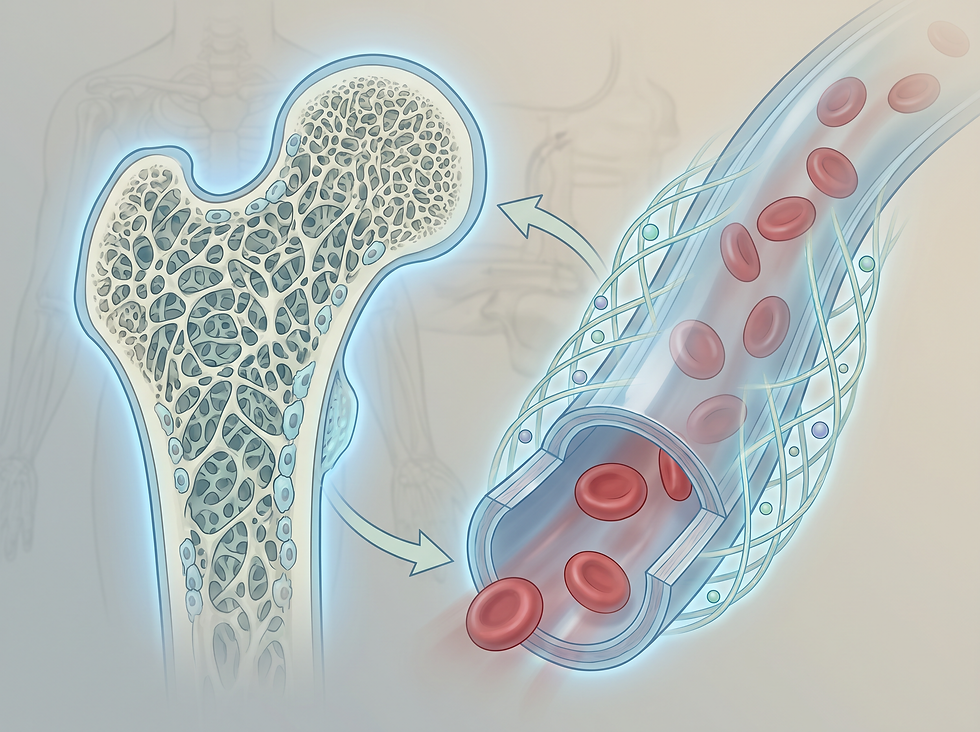
Figure 3: Conceptual representation of bone and vascular health supported by mineral balance.
Conclusion
Phosphate binders are a cornerstone of treatment for those managing advanced kidney disease. By maintaining a delicate balance of minerals in the blood, these medications protect the structural integrity of the skeleton and the health of the cardiovascular system. Success with phosphate binders requires a combination of precise timing, dietary awareness, and consistent communication with a medical team to ensure that the chosen binder is both effective and well-tolerated.
Next Steps
Medication Review: Discuss your current phosphate levels with your nephrologist to determine if your current binder and dosage are optimal.
Dietary Audit: Work with a specialized renal dietitian to identify high-phosphate foods in your diet and find suitable low-phosphate alternatives.
Timing Consistency: Use a pill organizer or phone alerts to ensure you take your binders exactly as prescribed with every meal and snack.
Symptom Monitoring: Keep a log of any digestive side effects and share them with your care team to see if a different type of binder might be better for you.
Frequently Asked Questions (FAQs)
1. What is hyperphosphatemia? It is a condition where there is too much phosphate in your blood, usually caused by kidney disease.
2. Can I take phosphate binders without a prescription? While some forms like calcium carbonate are available over-the-counter, you should never take them for kidney issues without consulting a healthcare provider.
3. What happens if I miss a dose with a meal? If you miss taking your binder with a meal, the phosphate from that food will likely be absorbed into your blood. Consult your doctor for specific instructions on missed doses.
4. Are there natural phosphate binders? While substances like niacin have been studied, they are not effective enough to replace medical phosphate binders on their own.
5. Why do I need to take these if I feel fine? Most people with high phosphate levels have no symptoms until serious damage to the bones or heart has already occurred.
6. Do phosphate binders affect other medications? Yes, they can interfere with how other drugs are absorbed. Always provide a full list of your medications to your healthcare provider.
7. How long does it take for binders to start working? Phosphate binders begin lowering phosphate levels in the blood within 24 hours of the first few doses.
8. Can children take phosphate binders? Yes, they are prescribed for children with kidney issues, though the target phosphate levels are higher for children than for adults.
9. What is a normal phosphate level for an adult? A typical range is between 2.8 and 4.5 milligrams per deciliter (mg/dL).
10. Why does my doctor prefer sevelamer over Tums? Sevelamer does not contain calcium, which reduces the risk of calcium deposits forming in your blood vessels and heart.
11. Do I still need to follow a low-phosphate diet if I take binders? Yes, binders can only remove a portion of the phosphate you eat; dietary control remains essential.
12. Can binders cause bone pain? Actually, binders help prevent bone pain by keeping phosphate levels in check. If you have bone pain, it may be a sign that phosphate levels are still too high.
13. Is itching a side effect of the medication? No, itching is usually a symptom of high phosphate levels in the blood, not the binder itself.
14. What should I do if the binder causes severe constipation? Talk to your doctor. They may adjust your dose, suggest a different binder, or recommend a stool softener.
15. How long will I need to take these medications? If you have chronic kidney disease, you will likely need to take phosphate binders long-term to manage your mineral levels.
Medical disclaimer: This article is for informational purposes only and does not constitute medical advice. Always seek the guidance of your physician or other qualified health provider with any questions you may have regarding a medical condition or treatment.
Source date: February 16, 2023
Comments