Understanding Meningococcemia: Symptoms, Risks, and Emergency Care

Updated: 2 days ago
Medically reviewed by Dr. Baraa Alnahhal, MD · Last reviewed: September 2026
TL;DR
Meningococcemia is a rare but life-threatening bacterial bloodstream infection caused by Neisseria meningitidis. It progresses rapidly, often becoming fatal within hours if left untreated. Key symptoms include high fever, severe muscle pain, and a characteristic purple rash. Immediate emergency medical intervention with intravenous antibiotics is essential for survival. Vaccination remains the most effective preventive measure.
Quick Answer
Meningococcemia is a severe medical emergency where bacteria enter the bloodstream and damage blood vessels, leading to organ failure and tissue death. It is caused by the same bacteria as meningococcal meningitis but affects the blood rather than the brain. Symptoms escalate quickly, including chills, lethargy, and a spreading rash. If you suspect infection, seek emergency care immediately, as treatment with high-dose antibiotics must begin as soon as possible to prevent fatal complications.
What Is Meningococcemia?
Meningococcemia, also known as meningococcal septicemia, represents one of the most aggressive bacterial infections known to modern medicine. It occurs when the bacterium Neisseria meningitidis enters the bloodstream, where it begins to multiply rapidly and release toxins that destroy the walls of blood vessels. This process causes blood to leak into the surrounding tissues, depriving vital organs of oxygen and leading to a cascade of life-threatening complications. While rare, the speed at which this condition progresses makes it a paramount concern for healthcare providers and the public alike.
It shares its underlying cause with sepsis, so it helps to understand how the body responds to widespread infection. For a broader look at that process, see our complete guide to sepsis.
Symptoms and Rapid Progression
The hallmark of meningococcemia is the velocity of its onset. Symptoms can escalate from mild discomfort to a critical state within just a few hours. Early indicators often mimic other illnesses, making awareness of the specific warning signs vital for early detection. Patients frequently report feeling "the worst they have ever felt," experiencing profound lethargy and severe muscle pain, particularly in the legs.
Symptom Category | Early Warning Signs | Advanced Indicators |
|---|---|---|
Physical Sensation | Severe muscle pain, cold hands/feet, lethargy | Violent shivering (rigors), rapid breathing |
Systemic Response | Fever, chills, abdominal pain | Septic shock, dangerously low blood pressure |
Skin Changes | Paleness, small red or purple spots (petechiae) | Large, spreading purple patches (purpura) |
The characteristic rash associated with this infection begins as small, flat spots called petechiae. These are often found in areas where clothing exerts pressure, such as the waistline, armpits, or ankles. As the infection worsens, these spots merge into larger, bruised-looking areas known as purpura. Medical experts emphasize that one should never wait for the rash to spread before seeking emergency assistance.
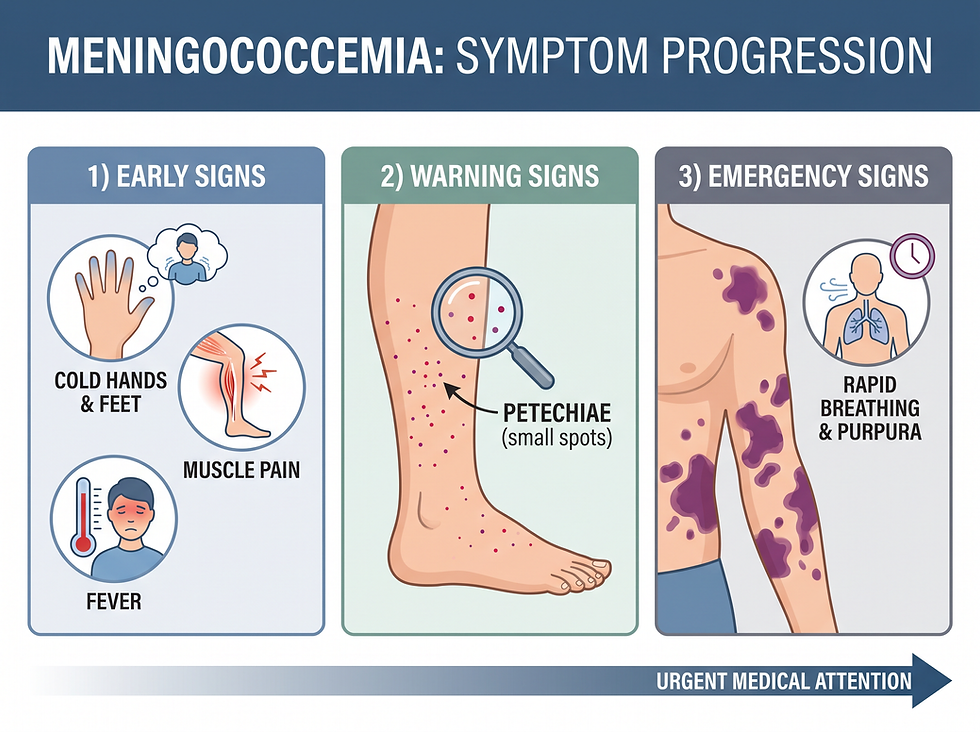
Figure 1: Visual overview of the rapid progression of meningococcemia symptoms, highlighting the transition from early signs to critical emergency indicators.
Causes and Risk Factors
The primary cause of meningococcemia is the inhalation of Neisseria meningitidis bacteria, which can then travel from the lungs into the bloodstream. Transmission occurs through close personal contact, such as kissing or sharing eating utensils and drinks. Consequently, individuals living in high-density environments are at a higher risk.
Infants and Teenagers: These age groups are statistically more vulnerable to infection.
Group Living Settings: College students in dormitories or military personnel in barracks face increased exposure risks.
Geographic Factors: Traveling to or residing in specific regions, such as sub-Saharan Africa, increases the likelihood of contact with the bacteria.
Underlying Health Conditions: Individuals with immune disorders (such as HIV), those without a functional spleen, or patients taking specific complement inhibitor medications are at significantly higher risk.
Diagnostic Procedures and Emergency Treatment
Because meningococcemia is a medical emergency, healthcare providers do not wait for definitive test results before initiating treatment. If the condition is suspected, high-dose intravenous antibiotics are administered immediately. Diagnostic confirmation typically involves blood cultures and a lumbar puncture (spinal tap) to check for the presence of bacteria in the blood or cerebrospinal fluid.
Treatment Component | Description | Goal |
|---|---|---|
Antibiotics | High-dose IV penicillin or cephalosporins | Eliminate the bacterial infection |
Supportive Care | IV fluids and blood pressure medications | Stabilize vital signs and prevent shock |
Oxygen Therapy | Supplemental oxygen or mechanical ventilation | Maintain tissue oxygenation |
Surgical Intervention | Debridement or removal of dead tissue | Prevent the spread of gangrene |

Figure 2: Anatomical illustration showing how bacteria enter the bloodstream, damage vessel walls, and cause systemic complications.
Complications and Long-Term Outlook
Even with prompt medical care, meningococcemia carries a significant risk of mortality, with rates ranging between 10% and 15% among treated patients. Without treatment, the condition is almost universally fatal. Survivors may face long-term health challenges due to the extensive tissue damage caused by the infection.
Complications can include septic shock, multi-organ failure, and disseminated intravascular coagulation (DIC), a condition that disrupts normal blood clotting. In severe cases, tissue death (gangrene) may necessitate the amputation of limbs to save the patient's life.
Prevention and Vaccination
Vaccination is the single most effective strategy for preventing meningococcal disease. Public health guidelines generally recommend the MenACWY vaccine for adolescents aged 11 to 12, with a booster dose at age 16. A separate vaccine, MenB, may be recommended for individuals at higher risk for specific bacterial strains. Additionally, those who have been in close contact with an infected individual, such as household members or romantic partners, should seek preventive antibiotics to reduce their risk of developing the illness.
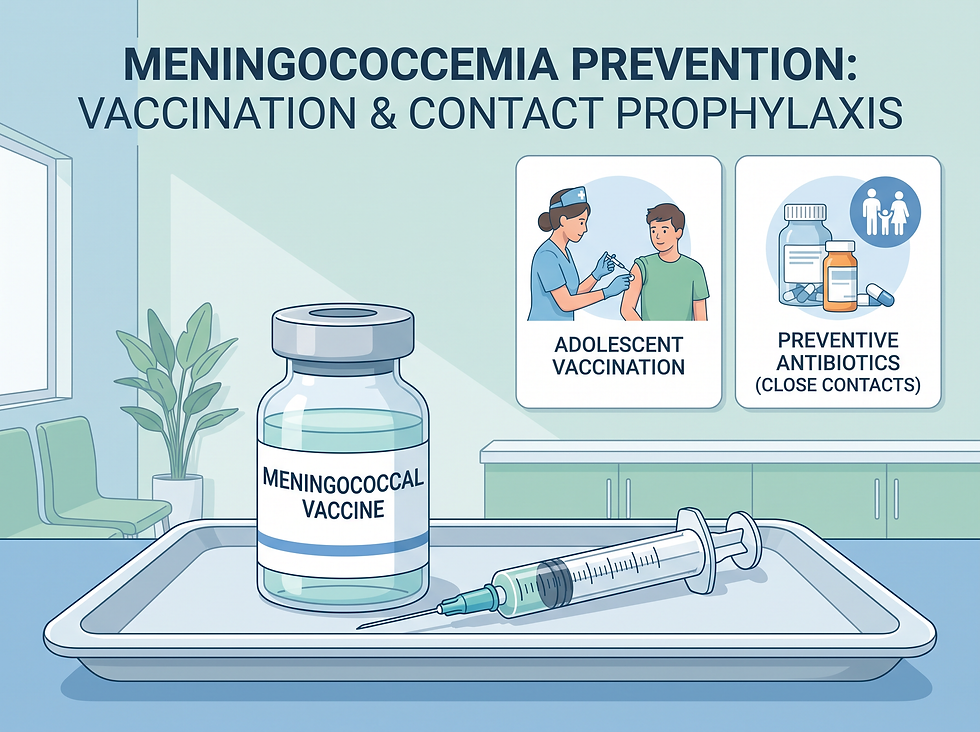
Figure 3: Clinical care pathway focusing on the importance of timely vaccination and post-exposure preventive measures.
Conclusion
Meningococcemia is a devastating illness that demands immediate action. By understanding the rapid progression of symptoms and the vital importance of early antibiotic treatment, individuals can significantly improve the chances of a successful recovery. While the condition is rare, the life-saving impact of prompt emergency care cannot be overstated.
Call to Action
If you or someone you know exhibits symptoms such as sudden high fever, severe muscle pain, and a purple rash, do not delay. Go to the nearest emergency room immediately. Inform the medical staff of your specific concerns regarding a potential bacterial infection, as every hour counts in the successful treatment of meningococcemia.
Frequently Asked Questions
1. Is meningococcemia the same as meningitis?
No, though they are caused by the same bacteria. Meningococcemia is an infection of the blood, while meningitis is an infection of the membranes surrounding the brain and spinal cord.
2. How quickly does meningococcemia progress?
It is extremely fast, often moving from initial symptoms to a life-threatening state within just a few hours.
3. Can I get meningococcemia from someone who doesn't look sick?
Yes. Some people carry the bacteria in their nose or throat without becoming ill themselves, but they can still spread it to others.
4. What does the rash look like?
It starts as small, flat red or purple spots (petechiae) and can quickly spread into large, bruised patches (purpura).
5. Is the rash always present?
Not always in the very early stages. You should seek help based on other symptoms like severe muscle pain and fever even if no rash is visible yet.
6. Can adults get meningococcemia?
Yes, while it is more common in infants and teens, adults of any age can be infected, especially those with certain risk factors.
7. Are there long-term effects for survivors?
Yes, survivors may experience hearing loss, brain damage, kidney issues, or the loss of limbs due to gangrene.
8. How is the infection diagnosed?
Doctors use blood tests and spinal taps to look for the specific bacteria, but they will start treatment before these results are back.
9. Can antibiotics cure it?
Yes, if administered early enough, high-dose antibiotics can eliminate the bacteria.
10. Why is it called a "medical emergency"?
Because it can lead to death or permanent disability in a very short amount of time without hospital intervention.
11. Does the vaccine protect against all types of the bacteria?
No single vaccine protects against all strains, which is why different types (MenACWY and MenB) are used.
12. Who should get preventive antibiotics after exposure?
Close contacts, such as people living in the same house or those who have shared saliva (kissing, sharing drinks), should seek preventive treatment.
13. Can you get meningococcemia more than once?
It is extremely rare to get it again, but it is not impossible, especially for those with specific immune system deficiencies.
14. Is there a specific time of year when it's more common?
While it can occur year-round, cases sometimes increase during the winter and spring months.
15. What is the most important thing to remember about meningococcemia?
Time is the most critical factor. Immediate emergency care is the only way to effectively treat the infection.
Medical Disclaimer: The information provided in this article is for educational purposes only and should not be used as a substitute for professional medical advice, diagnosis, or treatment. Always seek the advice of a qualified healthcare provider with any questions you may have regarding a medical condition.
Comments