Understanding Meconium: A Guide to Your Baby's First Poop

Updated: 2 days ago
Medically reviewed by Dr. Baraa Alnahhal, MD · Last reviewed: September 2026
TL;DR
Meconium is the thick, dark green, and sticky substance that constitutes a newborn's first bowel movement. Formed during fetal development from swallowed amniotic fluid and cellular debris, it serves as a critical indicator that a baby's digestive system is functioning correctly. While passing meconium after birth is standard, passing it in the uterus requires careful medical monitoring to prevent respiratory complications.
Quick Answer
Meconium is a newborn baby's first stool, characterized by its tar-like, sticky consistency and blackish-green color. Unlike later bowel movements, meconium is odorless and composed of materials swallowed in the womb, such as water, mucus, and skin cells. Most infants pass this substance within the first 24 to 48 hours of life, signaling that their intestines are intact and working as they should.
The Nature and Composition of Meconium
Meconium is a unique biological substance that begins to form deep within the fetal intestines long before birth. It is primarily composed of materials the fetus swallows while floating in the amniotic sac, including water, discarded skin cells, fine hair (lanugo), mucus, and even fetal urine. As the fetus processes the amniotic fluid, the water is absorbed, leaving behind a concentrated, sludge-like debris that lines the large intestine by the time the pregnancy reaches full term.
One of the most distinctive features of meconium is its appearance and lack of odor. Because the newborn's digestive tract has not yet been colonized by the bacteria that produce typical fecal smells, meconium remains odorless until the baby begins regular feeding. Its dark color and extreme stickiness are entirely normal, though they can make the first few diaper changes more challenging than those that follow.
Component | Description |
Color | Dark blackish-green |
Consistency | Thick, sticky, and tar-like |
Odor | Odorless (sterile) |
Primary Ingredients | Water, mucus, hair, cells, and amniotic debris |
Clinical Significance and Timing
The timing of a baby's first bowel movement is a vital milestone in neonatal care. Healthcare providers typically expect meconium to be passed within the first two days of life. This event confirms that the digestive system is open and functioning. Once a baby begins consuming colostrum or formula, the digestive process accelerates, gradually pushing out the remaining meconium and transitioning the stool to a lighter, more typical newborn appearance.
If an infant fails to pass meconium within the 48-hour window, it may alert medical teams to potential underlying conditions. These can range from temporary blockages, such as a meconium plug, to more complex issues like meconium ileus (often associated with cystic fibrosis), Hirschsprung disease, or anatomical underdevelopment. Early detection through this simple observation allows for prompt diagnostic testing and intervention.
Meconium in the Uterine Environment
While meconium is ideally passed after delivery, it is not uncommon for a fetus to release it into the amniotic fluid before birth, a phenomenon known as meconium staining. This occurs in approximately 12% to 20% of all deliveries and becomes increasingly likely if a pregnancy extends beyond its 40-week due date. While swallowing meconium-stained fluid is generally harmless to the fetus, the primary concern for medical teams is the risk of inhalation.
If a baby breathes meconium into their lungs before or during delivery, it can lead to Meconium Aspiration Syndrome (MAS). Because of its thick and sticky nature, meconium can obstruct the airways, causing respiratory distress or infection. Medical professionals are trained to identify stained fluid immediately and monitor the newborn for signs of distress, such as grunting or blue-tinted skin, ensuring that suctioning or oxygen support is provided if necessary.
Condition | Description | Clinical Concern |
Meconium Staining | Release of meconium into amniotic fluid before birth | Indicates potential fetal stress or post-term status |
Meconium Aspiration | Inhalation of meconium into the lungs | Risk of respiratory distress and infection (MAS) |
Meconium Ileus | Blockage of the small intestine by thick meconium | Often an early indicator of cystic fibrosis |
Meconium Plug | A temporary obstruction in the lower colon | Usually resolved with mild intervention |
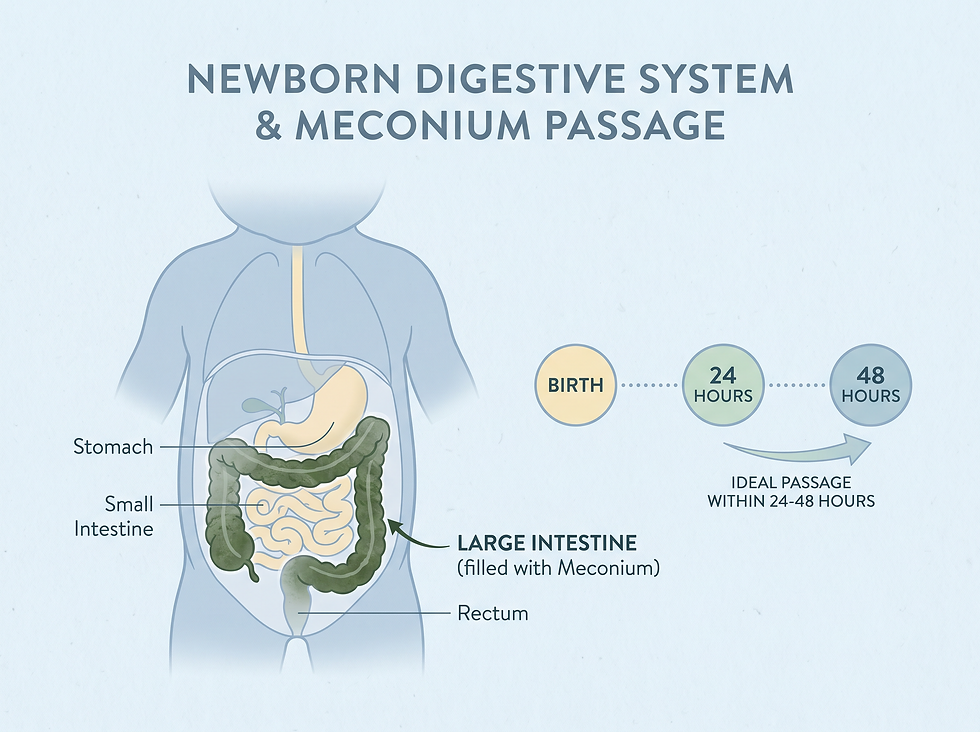
Figure 1: An overview of the newborn's first digestive milestones and the role of meconium in signaling intestinal health.
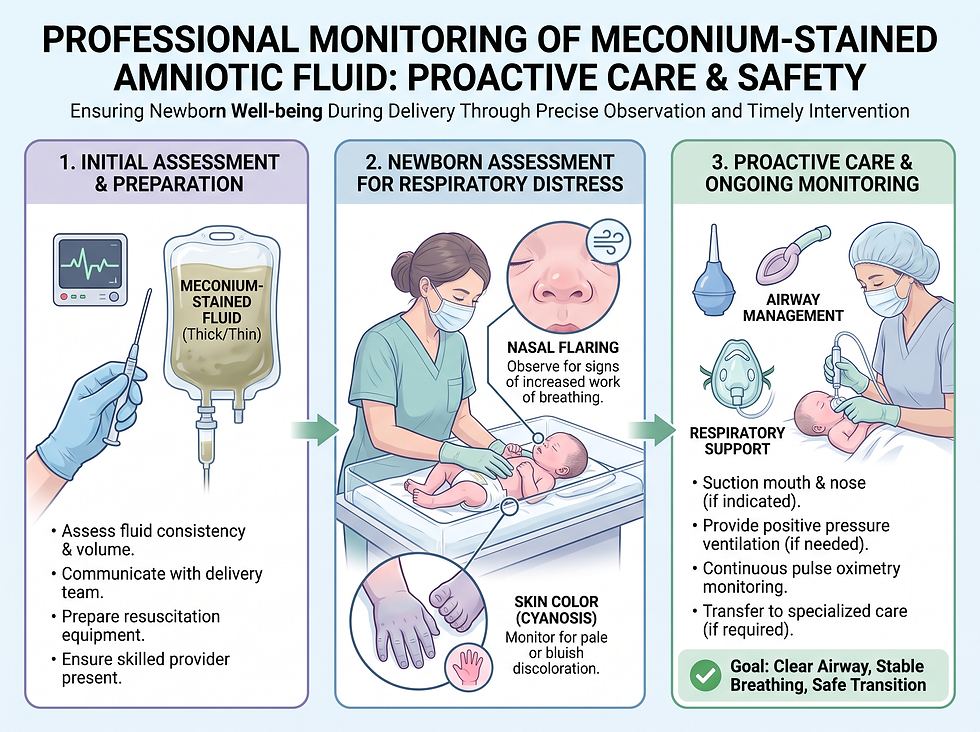
Figure 2: A guide to the clinical observations healthcare providers use to monitor meconium passage and neonatal respiratory safety.
Conclusion
Meconium is a natural and essential part of the transition from life in the womb to the outside world. While its appearance might be surprising to new parents, its presence and timely passage are among the most encouraging signs of a healthy, functioning digestive system. By understanding what meconium is and why medical teams monitor it so closely, parents can feel more confident during their baby's first few days of life.
Take Action Today
Monitor the First Diaper: Keep track of when your baby passes their first stool and report the timing to your nursing team.
Discuss Birth Plans: If you are beyond your due date, talk to your provider about the protocols for meconium-stained amniotic fluid.
Prepare for Cleanup: Have extra-absorbent wipes or a gentle cloth ready, as meconium's sticky nature can require more effort to clean.

Figure 3: Key pillars of neonatal wellness, emphasizing digestive monitoring and respiratory health during the first 48 hours.
Frequently Asked Questions
What is meconium?
Meconium is the dark, sticky, and odorless substance that makes up a newborn baby's first bowel movement.
When should my baby pass meconium?
Most babies pass their first stool within 24 to 48 hours after they are born.
What is meconium made of?
It consists of water, mucus, skin cells, hair, and other debris swallowed by the fetus in the womb.
Why is meconium so sticky?
Its consistency is due to the concentration of amniotic debris after the fetus absorbs the water content.
Does meconium smell bad?
No, meconium is typically odorless because the baby's gut does not yet contain the bacteria that cause smell.
What does meconium-stained fluid mean?
It means the baby passed meconium into the amniotic fluid before birth, often due to stress or being overdue.
Is it dangerous if a baby swallows meconium?
Swallowing meconium is generally safe; the danger arises only if the baby breathes it into their lungs.
What is Meconium Aspiration Syndrome (MAS)?
MAS is a respiratory condition that occurs when a baby inhales meconium, potentially blocking airways.
How do doctors treat meconium inhalation?
Treatment may involve suctioning the baby's nose and throat or providing supplemental oxygen.
Can meconium be used for drug testing?
Yes, meconium testing can detect long-term maternal substance use more accurately than urine tests.
What if my baby doesn't poop in the first 48 hours?
This may indicate a blockage or underlying condition that requires medical evaluation.
Does meconium look different if I'm overdue?
The substance itself is similar, but the likelihood of it being passed before birth increases after 40 weeks.
How long does it take for poop to become normal?
As the baby begins feeding, the stool will transition from dark meconium to a lighter color over several days.
Is meconium green or black?
It is typically a very dark blackish-green, often appearing almost black due to its thickness.
Can meconium cause brain damage?
Only in rare, severe cases where aspiration leads to prolonged oxygen deprivation (hypoxia).
Medical Disclaimer
The information provided in this article is for educational purposes only and is not intended as medical advice. Always consult with a qualified healthcare professional for the diagnosis and treatment of medical conditions or concerns regarding your newborn's health.
Comments