Cystic Fibrosis: Symptoms, Causes, Diagnosis, and Treatment (2026 Guide)

Updated: 2 days ago
Medically reviewed by Dr. Baraa Alnahhal, MD · Last reviewed: September 2026
Last updated: August 2026
TL;DR
Cystic fibrosis (CF) is an inherited condition caused by a faulty gene that makes mucus, sweat, and digestive fluids thick and sticky. These thick fluids block airways in the lungs and ducts in the digestive system. There is no cure, but newborn screening, gene-targeting medicines, and daily airway care mean many people with CF now live into their mid- to late 50s or longer.
Quick Answer
What is cystic fibrosis?
An inherited disorder where a changed CFTR gene makes mucus, sweat, and digestive juices thick and sticky instead of thin and slippery.
It mainly damages the lungs, digestive system, and other organs, and needs daily care to manage.
A child must inherit one changed gene copy from each parent to develop CF; about 1 in 20 people in the U.S. carry the gene.
Newborn screening catches most cases early, and about 90% of people with CF may be helped by newer gene-targeting medicines called CFTR modulators.
What Is Cystic Fibrosis?
Cystic fibrosis (CF) is a condition passed down in families that causes damage to the lungs, digestive system, and other organs in the body. It is an inherited disease caused by a defective gene that can be passed from generation to generation.
CF affects the cells that produce mucus, sweat, and digestive juices. These fluids, also called secretions, are normally thin and slippery. In people with CF, they become thick and sticky. Instead of acting as lubricants, they plug up the tubes, ducts, and airways in the body, especially in the lungs and pancreas.
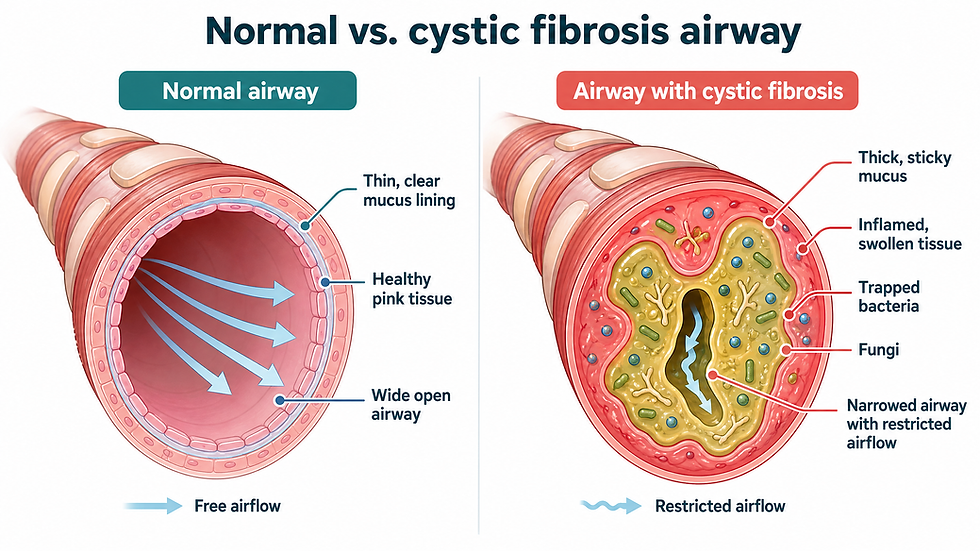
Although there is no cure, people with CF are generally able to live normal lives. CF gets worse over time and needs daily care, but people with CF usually can attend school and work. With better screening and treatments, many people with CF now may live into their mid- to late 50s or longer, and some are diagnosed later in life.
What Causes Cystic Fibrosis?
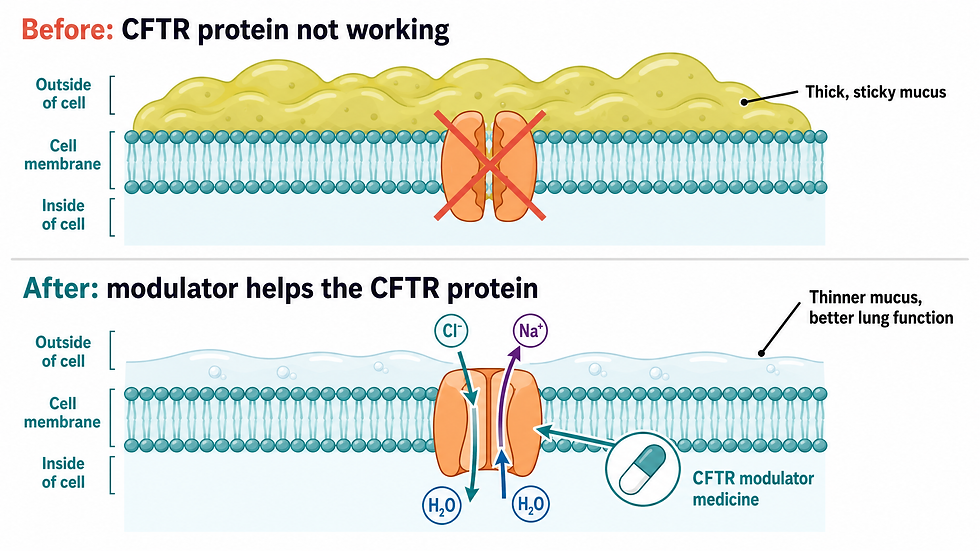
Cystic fibrosis is caused by a change in the cystic fibrosis transmembrane conductance regulator (CFTR) gene. This gene controls how salt and water move in and out of cells. When the CFTR protein does not work as it should, the result is thick, sticky mucus in the respiratory, digestive, and reproductive systems, plus extra salt in sweat.
A child must inherit one copy of the changed CFTR gene from each parent to develop CF. A child who inherits only one copy will not develop CF but becomes a carrier who can pass the changed gene to their own children. Carriers may have no symptoms or only a few mild ones.
The pattern of inheritance is called autosomal recessive. When both parents are carriers, each pregnancy carries these odds:
25%: the child has cystic fibrosis (two changed genes)
50%: the child is a carrier (one changed gene)
25%: the child is unaffected (two normal genes)
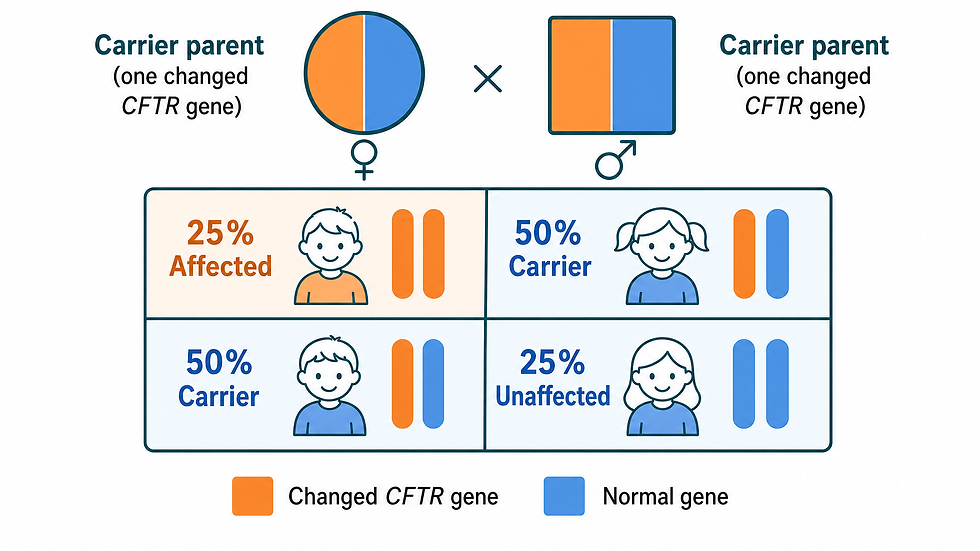
It is very common in the United States for people to carry the gene without knowing it. About 1 in 20 people are CF gene mutation carriers.
Who Is at Risk?
Because CF is inherited, family history is the main risk factor. CF occurs in all races, but it is most common in white people of Northern European ancestry.
Because it is less common in people who are Black, Hispanic, Middle Eastern, Native American, or Asian, diagnosis can come much later in these groups. A late diagnosis may cause worse health issues, which is why early and effective treatment matters so much.
What Are the Signs and Symptoms of Cystic Fibrosis?
In the U.S., most cases are caught by newborn screening within the first month of life, before symptoms appear. When symptoms do show, they vary depending on which organs are affected and how severe the condition is. Even in the same person, symptoms can worsen and improve at different times.
People with CF have a higher-than-usual level of salt in their sweat. Parents often can taste the salt when they kiss their children. Most other symptoms affect the respiratory system and the digestive system.
Respiratory Symptoms
The lungs are most commonly affected. The thick mucus clogs the tubes that carry air in and out of the lungs. This causes a persistent cough with thick mucus, wheezing, limited ability to do physical activity before tiring, repeated lung infections, irritated or swollen nasal passages, a stuffy nose, and repeated sinus infections.
Digestive Symptoms
The same thick mucus can block the tubes that carry digestive enzymes from the pancreas to the small intestine. Without these enzymes, the intestines cannot fully absorb nutrients from food. The result is often foul-smelling, greasy stools, poor weight gain and growth, blocked intestines (more likely in newborns), and ongoing or severe constipation. Severe straining can cause part of the rectum to stick out of the anus, a condition called rectal prolapse.
People not diagnosed until adulthood usually have milder, less typical symptoms. These may include repeated bouts of an inflamed pancreas (pancreatitis), infertility, and repeated bouts of pneumonia. Nearly 10% of CF cases are diagnosed in adulthood.
Quick Reference: CF Symptoms by System
Respiratory: persistent cough with thick mucus, wheezing, exercise intolerance, repeated lung infections, stuffy nose, recurrent sinusitis
Digestive: foul-smelling greasy stools, poor weight gain and growth, intestinal blockage, chronic severe constipation, rectal prolapse
Sweat glands: higher-than-normal salt level in sweat (salty-tasting skin)
Adult presentations: recurrent pancreatitis, infertility, recurrent pneumonia
When Should You See a Doctor?
If you or your child has symptoms of cystic fibrosis, or if someone in your family has CF, talk with your healthcare professional about testing. Ask for a doctor with experience treating CF.
Call your healthcare professional if you notice new or worsening symptoms such as more mucus than usual, a change in mucus color, lack of energy, weight loss, or severe constipation.
Get medical care right away if you are coughing up blood, have chest pain or trouble breathing, or have severe stomach pain and bloating.
Go to the emergency department or call 911 if breathing or talking becomes very difficult, lips or fingernails turn blue or gray, or others notice you are not mentally alert.
What Complications Can Cystic Fibrosis Cause?
Complications can affect the respiratory, digestive, and reproductive systems, plus other organs.
Respiratory Complications
CF is one of the leading causes of bronchiectasis, a long-term condition where the airways widen and scar, making it harder to move air and clear mucus. Thick mucus also creates an ideal breeding ground for bacteria and fungi, so sinus infections, bronchitis, and pneumonia are common and can recur. Infections with bacteria that resist antibiotics are common too.
Other respiratory complications include soft growths in the nose called nasal polyps, coughing up blood (usually small amounts but rarely life-threatening), and collapsed lung (pneumothorax), which is more common in adults and causes sudden chest pain and trouble breathing.
Over time, CF can damage lung tissue so badly that it stops working. Respiratory failure is the most common cause of death with CF. People may also experience exacerbations, bouts where symptoms suddenly worsen. Exacerbations are treated with antibiotics, sometimes at home and sometimes in the hospital.
Digestive Complications
When enzymes cannot reach the intestines, the body cannot absorb protein, fats, or fat-soluble vitamins. This causes poor nutrition, delayed growth, and weight loss. An inflamed pancreas (pancreatitis) is common.
About 20% of teenagers and up to 50% of adults with CF develop diabetes, because the pancreas also makes insulin. The bile duct can become blocked and inflamed, leading to liver problems such as jaundice, fatty liver disease, cirrhosis, and sometimes gallstones.
Intestinal blockage can happen at any age. Distal intestinal obstruction syndrome (DIOS), a blockage where the small intestine meets the large intestine, requires treatment right away.
Reproductive and Other Complications
Almost all men with CF are not fertile, because the tube connecting the testicles and prostate (the vas deferens) is blocked with mucus or missing entirely. Sperm is still produced, so fertility treatments and surgery can make biological fatherhood possible for some men.
Women with CF may be less fertile because of thicker cervical mucus and irregular menstrual cycles, but most can conceive and have normal pregnancies. Pregnancy can worsen CF symptoms, so risks should be discussed with a healthcare professional.
Other complications include osteoporosis (bone thinning), joint and muscle pain, electrolyte imbalance and dehydration from saltier sweat (especially during exercise or hot weather), acid reflux (GERD), and mental health conditions such as depression and anxiety. The risk of digestive tract cancers (esophagus, stomach, bowel, liver, pancreas) is higher, so regular colorectal cancer screening should begin at age 40.
How Is Cystic Fibrosis Diagnosed?
To diagnose CF, healthcare professionals typically do a physical exam, review symptoms, and run tests. Because CF is inherited, family history plays an important role in deciding who should be tested.
Newborn Screening and Diagnosis
Every state in the U.S. routinely screens newborns for cystic fibrosis. Early diagnosis means treatment can begin right away. A positive newborn screen does not automatically mean a baby has CF; most babies with a positive screen do not.
Newborn screening: a few drops of blood are taken from the baby's heel. It checks for elevated immunoreactive trypsinogen (IRT), a chemical released by the pancreas that may suggest CF; IRT can also be high after premature birth or a stressful delivery.
Sweat test: a chemical makes a small area of skin sweat; the sweat is collected and tested to see if it is saltier than typical. It is done once the baby is at least 2 weeks old, and testing at an accredited CF care center helps ensure trusted results.
Genetic testing: a blood sample is analyzed to find specific changes on the CFTR gene. It is used with IRT levels to confirm the diagnosis.
Testing Older Children and Adults
Children and adults who were not screened at birth may be tested if they have repeated bouts of an inflamed pancreas, nasal polyps, chronic sinus infections, lung infections, bronchiectasis, or male infertility. Genetic testing may also be offered to adults with a family history who are planning children.
How Is Cystic Fibrosis Treated?
There is no cure for cystic fibrosis, but treatment can ease symptoms, lessen complications, and improve quality of life. Close monitoring and early, aggressive intervention are recommended to slow the worsening of CF over time, which can lead to a longer life.
Because managing CF is complicated, it is best to get care at a center with a multispecialty team trained in CF. Treatment goals are to prevent and control lung infections, remove and loosen lung mucus, treat and prevent intestinal blockage, and ensure adequate nutrition.
Medicines
Treatment options include antibiotics to treat and prevent lung infections, anti-inflammatory medicines to lessen airway swelling, mucus-thinning medicines such as hypertonic saline, and inhaled bronchodilators that relax airway muscles. Digestive support includes pancreatic enzyme capsules, stool softeners, and acid-reducing medicines that help enzymes work. Specific medicines address diabetes or liver disease when needed.
CFTR modulators target the underlying gene problem. These medicines help the faulty CFTR protein work better, which can improve lung function, help digestion and weight gain, and reduce salt in sweat. Many experts consider them a breakthrough in CF treatment. About 90% of people with CF may be helped by these medicines. Gene testing is needed to find out which gene change a person has and whether a modulator may work.
Elexacaftor + ivacaftor + tezacaftor: approved for ages 2 years and older. The newest combination; shown to be the most effective CFTR modulator.
Ivacaftor + tezacaftor: approved for ages 6 years and older. Combination medicine for qualifying gene changes.
Ivacaftor + lumacaftor: approved for ages 1 year and older. Combination medicine for qualifying gene changes.
Ivacaftor: approved for ages 1 month and older. Single-agent modulator.
Doctors typically run liver function tests and eye exams before prescribing modulators, and patients need regular monitoring for side effects such as liver function changes and cataracts.
Airway Clearance Techniques
Airway clearance techniques, also called chest physical therapy, get rid of mucus blocking the airways and help lessen infection and inflammation. They loosen thick lung mucus so it is easier to cough up, and are usually done several times a day.
Methods include clapping with cupped hands on the front and back of the chest, special breathing and coughing activities, mechanical devices such as a blow tube or a vibrating vest, and vigorous exercise.
Pulmonary Rehabilitation
Doctors may recommend pulmonary rehabilitation, a long-term outpatient program that may improve lung function and overall well-being. Programs may include physical exercise, breathing techniques, dietary counseling, mental health support, and education about the condition.
Surgery and Other Treatments
Nasal and sinus surgery can remove polyps and treat long-term sinusitis. Oxygen therapy, sometimes through portable units, may prevent high blood pressure in the lungs. Noninvasive ventilation, typically used during sleep with oxygen therapy, increases air exchange and reduces the work of breathing.
A feeding tube can deliver extra calories and nutrition when digestion is poor. Bowel surgery may be needed for blockages. In severe cases, lung transplant (both lungs are replaced) or liver transplant may be an option. CF does not recur in transplanted lungs, although other complications such as sinus infections and diabetes can still occur.
What Can People Do at Home?
Nutrition matters more in CF than in most conditions. People with CF may need far more calories daily than people without the condition. Working with a dietitian to build a nutrition plan is common. Doctors may recommend pancreatic enzyme capsules with every meal and snack, high-calorie supplements, special fat-soluble vitamins, extra fiber, extra salt in hot weather or before exercise, and plenty of fluids to help thin lung mucus.
Keeping vaccinations up to date is important. The annual flu shot matters, as do any other vaccines the care team recommends, such as pneumonia and COVID-19 vaccines. CF does not affect the immune system, but people with CF are more likely to develop complications when they get sick.
Regular exercise loosens airway mucus and strengthens the heart. Avoiding smoking, secondhand smoke, vaping, and air pollution protects the lungs. Washing hands thoroughly and staying away from people who have colds or flu reduces infection risk.
Keeping regular medical appointments, taking medicines as prescribed, and learning the warning signs of serious complications round out good daily management.
Living with Cystic Fibrosis: Emotional Support
Learning that you or someone you love has CF can be overwhelming. Depression, anxiety, anger, and fear are common, especially in teens. Talking openly about feelings helps. Support groups, for patients or parents, connect people going through the same experience. Mental health professionals can offer counseling and, when appropriate, medicines. Time with friends and family helps manage stress, and learning about CF empowers patients and families to take an active role in care.
Conclusion
Cystic fibrosis is a serious inherited condition, but it is no longer the short-life sentence it once was. Newborn screening catches most cases in the first weeks of life. Gene-targeting CFTR modulator medicines now help about 90% of people with CF, and daily airway clearance, nutrition, and specialist care keep many patients living full lives well into mid-adulthood and beyond.
If you notice persistent cough, salty-tasting skin, poor weight gain, or recurrent lung or sinus infections in yourself or your child, ask your doctor about CF testing, especially if CF runs in your family. Early diagnosis makes a real difference.
Ready to talk about CF testing or management with a specialist? Start by asking your healthcare provider for a referral to a cystic fibrosis care center, and bring a written list of symptoms, family history, and questions to your appointment.
Frequently Asked Questions
What is cystic fibrosis and what causes it?
Cystic fibrosis is an inherited disorder caused by a changed CFTR gene that makes mucus, sweat, and digestive juices thick and sticky. These fluids plug up airways and ducts, damaging the lungs and digestive system over time.
Is cystic fibrosis contagious?
No. Cystic fibrosis is not contagious. It is passed down in families when a child inherits one changed CFTR gene copy from each parent.
What is the life expectancy for someone with cystic fibrosis?
With better screening and treatments, people with CF now may live into their mid- to late 50s or longer, and some are diagnosed for the first time in adulthood.
Can adults develop cystic fibrosis?
People are born with CF, but some are not diagnosed until adulthood. Nearly 10% of cases are diagnosed later in life, often because symptoms are milder or the person was not newborn-screened.
Is there a cure for cystic fibrosis?
There is no cure yet, but treatments, especially CFTR modulator medicines, can ease symptoms, reduce complications, and improve quality of life. Research and clinical trials continue.
How is cystic fibrosis inherited?
CF follows an autosomal recessive pattern: a child needs one changed gene copy from each parent to develop CF. When both parents are carriers, each child has a 25% chance of having CF and a 50% chance of being a carrier.
What is a sweat test for cystic fibrosis?
A sweat test measures the salt level in a person's sweat. CF causes higher-than-normal salt in sweat. The test is done once a baby is at least 2 weeks old, and results from an accredited CF care center are most reliable.
References
This article is based on medically reviewed clinical information, including Cystic fibrosis — Symptoms & causes and Cystic fibrosis — Diagnosis & treatment, supplemented by the National Heart, Lung, and Blood Institute's overview of cystic fibrosis and a 2023 review of cystic fibrosis published in JAMA.
This article is for educational purposes only and is not a substitute for professional medical advice. Always consult a qualified healthcare professional for diagnosis and treatment.
Comments