Strictureplasty for Intestinal Narrowing

Updated: 3 days ago
Medically reviewed by Dr. Baraa Alnahhal, MD · Last reviewed: October 2026
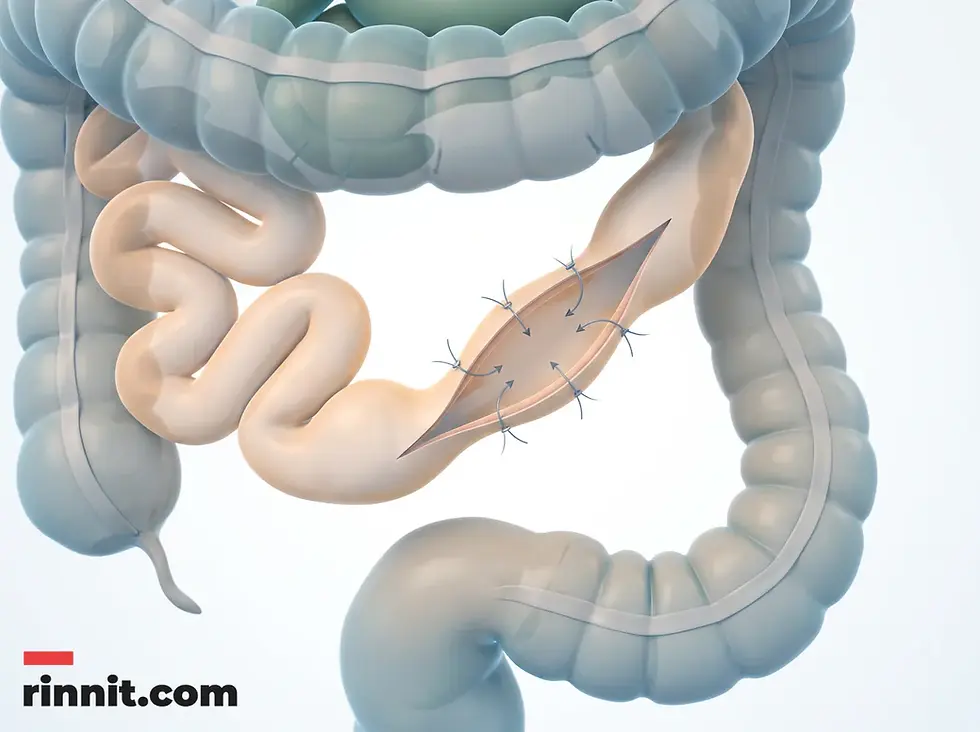
Strictureplasty is a specialized surgical procedure designed to widen narrowed sections of the intestine, known as strictures, which result from chronic inflammation in conditions like Crohn’s disease [1]. Unlike traditional resection, this technique preserves intestinal length by making longitudinal incisions and suturing them transversely [1] [3]. It effectively relieves symptoms such as severe abdominal pain and prevents life-threatening blockages, though approximately 50% of patients may require subsequent surgical intervention over the long term [1].
Quick Answer
Strictureplasty is a surgical procedure that treats intestinal strictures, narrowed bowel areas caused by scar tissue or inflammation from inflammatory bowel disease [1]. The surgeon cuts lengthwise through the stricture and sutures it to widen the passage without removing any intestine [1]. This bowel-sparing approach especially helps patients with multiple strictures or at risk of short bowel syndrome [1] [3].
What the research says
Complications and repeat surgery are measurable but moderate. A meta-analysis of 26 studies and 1,839 people with Crohn’s disease found a pooled postoperative complication rate of 15.5% (95% CI 11.2%–20.3%) for conventional strictureplasty, a septic complication rate of 4% (95% CI 2.2%–6.2%) and an overall surgical recurrence rate of 27.5% (95% CI 18.5%–37.6%). Non-conventional techniques did not differ from conventional ones in safety or long-term recurrence (Bislenghi et al., Journal of Crohn’s and Colitis, 2022 [2]).
Strictureplasty trades a higher recurrence risk for preserving bowel length. Across 12 observational studies of 1,026 people, disease recurred more often after strictureplasty than after bowel resection (odds ratio 1.61, 95% CI 1.03–2.52), with shorter recurrence-free survival (hazard ratio 1.47, 95% CI 1.08–2.01) and no difference in morbidity. The authors concluded strictureplasty should be reserved for people at high risk of short bowel syndrome (Butt et al., International Journal of Colorectal Disease, 2020 [3]).
What are intestinal strictures, and how does strictureplasty repair them?
Intestinal strictures are narrowings of the bowel that develop when chronic inflammation leads to the formation of scar tissue or significant wall thickening. These obstructions are most commonly associated with inflammatory bowel disease (IBD), most often Crohn’s disease [1]. While strictures typically form in the ileum—the lower portion of the small intestine—they can also manifest in the large intestine, rectum, or anus [1].
The primary objective of strictureplasty is to restore normal passage for digested food, thereby alleviating symptoms and preventing a complete intestinal blockage [1]. This procedure is increasingly favored over resection because it preserves the total length of the bowel, which is critical for patients who have already undergone multiple surgeries or are at risk of nutritional deficiencies.
Indications for Surgery
Not every patient with a stricture is a candidate for this specific technique. Surgeons evaluate several factors, including the number of strictures and the patient's surgical history, to determine the best approach [1].
Factor | Ideal Candidate Characteristics |
Stricture Count | Presence of multiple strictures over a long intestinal segment. |
Surgical History | History of previous small bowel resections or short bowel syndrome. |
Inflammation Status | Strictures without active tissue inflammation or acute sores. |
Symptom Pattern | Repeated flare-ups indicating an impending or partial blockage. |
What surgical techniques are used in strictureplasty?
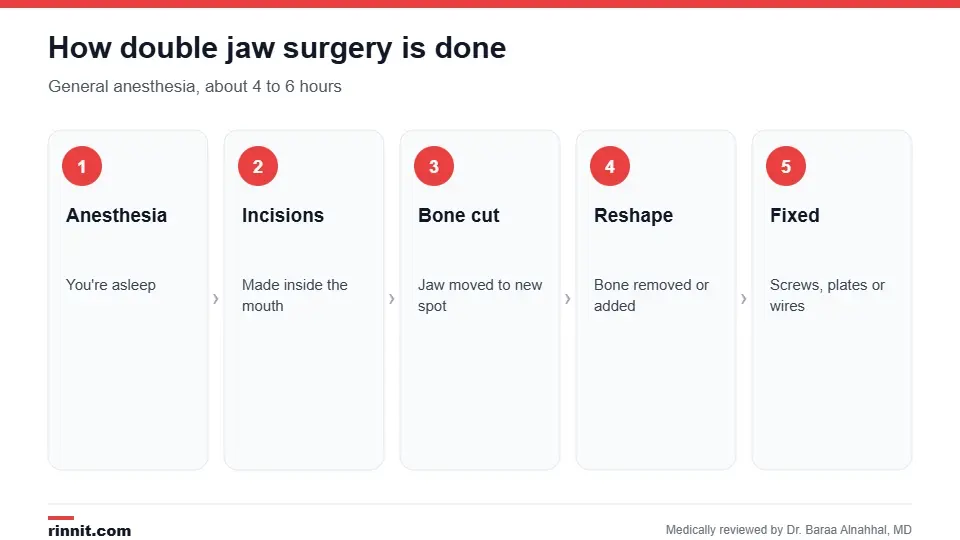
Strictureplasty is a major operation performed under general anesthesia, typically lasting between two and six hours [1]. The specific technique employed depends largely on the length and location of the narrowed segment.
Common Strictureplasty Types
The Heineke-Mikulicz strictureplasty is the most frequently performed version, designed for strictures shorter than 10 centimeters [1]. The surgeon makes a vertical incision into the intestine and closes it crosswise to create a wider diameter. For medium-sized strictures (10 cm to 20 cm), the Finney or Jaboulay techniques involve folding the intestine into a "U" shape to widen the area.
For very long strictures exceeding 20 centimeters, surgeons may use the Michelassi procedure, also known as side-to-side isoperistaltic strictureplasty [1]. This involves looping the affected intestine, making long openings on both sides, and stitching them together to bypass the narrow segments entirely.

What are recovery and the long-term outlook after strictureplasty?
Following the procedure, patients generally remain in the hospital for approximately one week to monitor for immediate complications [1]. Recovery involves managing abdominal pain and, in some cases, utilizing a temporary ostomy bag to allow the bowel to heal [1].
Complication Type | Potential Risks |
Short-Term | Bleeding, infection, intestinal leakage, and sepsis (4% rate). |
Procedural | Anesthesia-related issues and immediate bowel obstruction. |
Long-Term | Formation of new strictures and a 50% chance of needing future surgery. |
Strictureplasty is highly successful for treating issues in the jejunum and ileum, though it is less effective for strictures located in the upper small intestine (duodenum) [1]. By preventing life-threatening blockages, the procedure significantly improves the long-term quality of life for those living with chronic intestinal disease.

Conclusion
Strictureplasty serves as a vital, bowel-sparing surgical option for individuals suffering from chronic intestinal narrowing. By widening the intestinal passage without the need for extensive resection, it addresses the root cause of painful symptoms while maintaining essential digestive function.
Next step: If you are experiencing persistent abdominal cramping, bloating, or weight loss associated with IBD, consult with a surgical specialist to discuss whether strictureplasty is the appropriate next step for your digestive health.
Frequently Asked Questions
What is the main advantage of strictureplasty over resection?
The primary advantage is that strictureplasty preserves the entire length of the intestine. This is crucial for preventing short bowel syndrome, especially in patients who may need multiple surgeries throughout their lives.
How long does the surgery typically take?
A strictureplasty procedure usually lasts between two and six hours, depending on the number of strictures being treated and the complexity of the intestinal damage.
Where do strictures most commonly form?
Strictures most frequently develop in the ileum (the lower part of the small intestine) and the ileocecal valve, which connects the small and large intestines.
Can strictureplasty be used for all types of strictures?
No, it is generally not recommended for strictures that have active sores, severe inflammation, fistulas, or abnormal growths. It is also avoided if the patient is severely malnourished.
What are the signs of a potential intestinal blockage?
Warning signs include severe abdominal pain, persistent vomiting, inability to pass gas or stool, and significant bloating. These symptoms require immediate medical attention.
Is a hospital stay required after the procedure?
Yes, strictureplasty is a major surgery. Most patients stay in the hospital for about one week to ensure proper healing and to monitor for any signs of infection or leakage.
What is the Michelassi procedure?
The Michelassi procedure is a specific type of strictureplasty used for very long narrowings (over 20 cm). It involves a side-to-side connection of the bowel to widen the passage.
Are there nutritional requirements before surgery?
Surgeons often check nutrient levels via blood tests. If levels are low, patients may receive intravenous supplements before the procedure to improve healing outcomes.
What is the success rate for this surgery?
Strictureplasty is highly effective for strictures in the middle and lower small intestine. However, about 50% of patients may eventually require another surgery as their disease progresses.
What are the risks of sepsis after strictureplasty?
Studies indicate a sepsis rate of approximately 4% following strictureplasty. Pooled studies put the overall complication rate at about 15%.
What anesthesia is used for strictureplasty?
Strictureplasty is a major operation done under general anesthesia and typically lasts two to six hours. Afterward, most people stay in the hospital about a week while abdominal pain is managed [1].
How do I prepare for strictureplasty?
Before surgery, your healthcare provider will want to see your intestines with imaging tests such as a CT scan or magnetic resonance enterography, which show where the stricture is and how long your small intestine is. Blood work checks your nutrition, and if your levels are low you receive supplements through an IV beforehand. Depending on your situation you may need a temporary stoma, and your provider will explain this before the procedure [1].
Related Reading
Elemental Diet: What It Is, Uses and How It Works explains the elemental diet.
References
Cleveland Clinic. Strictureplasty. Cleveland Clinic. Last updated April 17, 2024. https://my.clevelandclinic.org/health/procedures/strictureplasty
Bislenghi G, Sucameli F, Fieuws S, et al. Non-conventional versus conventional strictureplasties for Crohn’s disease: a systematic review and meta-analysis of treatment outcomes. Journal of Crohn’s and Colitis. 2022;16(2):319-330. PMID 34406378. https://doi.org/10.1093/ecco-jcc/jjab146
Butt WT, Ryan ÉJ, Boland MR, et al. Strictureplasty versus bowel resection for the surgical management of fibrostenotic Crohn’s disease: a systematic review and meta-analysis. International Journal of Colorectal Disease. 2020;35(4):705-717. PMID 32048011. https://doi.org/10.1007/s00384-020-03507-z
Medical disclaimer
The information provided in this article is for educational purposes only and should not be used as a substitute for professional medical advice, diagnosis, or treatment. Always seek the advice of your physician or other qualified health provider with any questions you may have regarding a medical condition.


Comments