Splenic Vein: Anatomy, Essential Functions, and Care

Updated: 3 days ago
Medically reviewed by Dr. Baraa Alnahhal, MD · Last reviewed: October 2026
The splenic vein transports blood from the spleen, pancreas, and stomach to the liver [1]. It is a critical component of the hepatic portal system, facilitating blood filtration. Common conditions include thrombosis, portal hypertension, and enlarged spleen [1]. Vascular health is supported by a balanced diet, hydration, and regular medical checkups [1].
Quick Answer: What is the splenic vein?
The splenic vein is a large blood vessel that carries blood from the spleen, pancreas and stomach to the portal vein [1]. Part of the hepatic portal system, it joins the superior mesenteric vein to route blood to the liver for filtering [1]. Located behind the stomach, it helps recycle blood components, move infection-fighting cells and support nutrient processing.
What the research says
Clots in the splenic vein are a recognized complication of acute pancreatitis. A systematic review and meta-analysis of 7 retrospective cohort studies (3,495 patients with acute pancreatitis) found splanchnic vein thrombosis in 233 patients (7%), most often involving the splenic vein (44%). Because the data were low quality, it remains unclear whether therapeutic anticoagulation benefits these patients (Sissingh et al., Pancreatology, 2022 [2]).
The risk rises after the first days of pancreatitis. Pooling 1,951 patients from 14 studies, splanchnic vein thrombosis occurred in about 13% of patients within 12 days of symptom onset, rising from 6% in the first 3 days to 23% between days 3 and 11, with higher rates in alcohol-related pancreatitis and with pancreatic necrosis (Borbély et al., United European Gastroenterology Journal, 2024 [3]).
Vascular diseases of the spleen are uncommon but can be serious. A review covering splenic vein thrombosis, splenic vein aneurysm, splenic artery aneurysm, splenic arteriovenous fistula and spontaneous splenorenal shunt reports that these conditions are relatively uncommon, are being reported more often probably because of better imaging, and often present with non-specific symptoms but can carry significant morbidity and mortality (Uy et al., Journal of Clinical and Translational Hepatology, 2017 [4]).
What is the anatomy of the splenic vein, and what does it do?
The splenic vein serves as a primary conduit within the hepatic portal system. Its main responsibility is to collect blood that has been processed by the spleen and transport it toward the liver. In the spleen, damaged red blood cells are filtered out, and new white blood cells are added to the circulation to help fight infections [1]. Once this processed blood enters the splenic vein, it is moved to the portal vein for further detoxification and nutrient management by the liver.
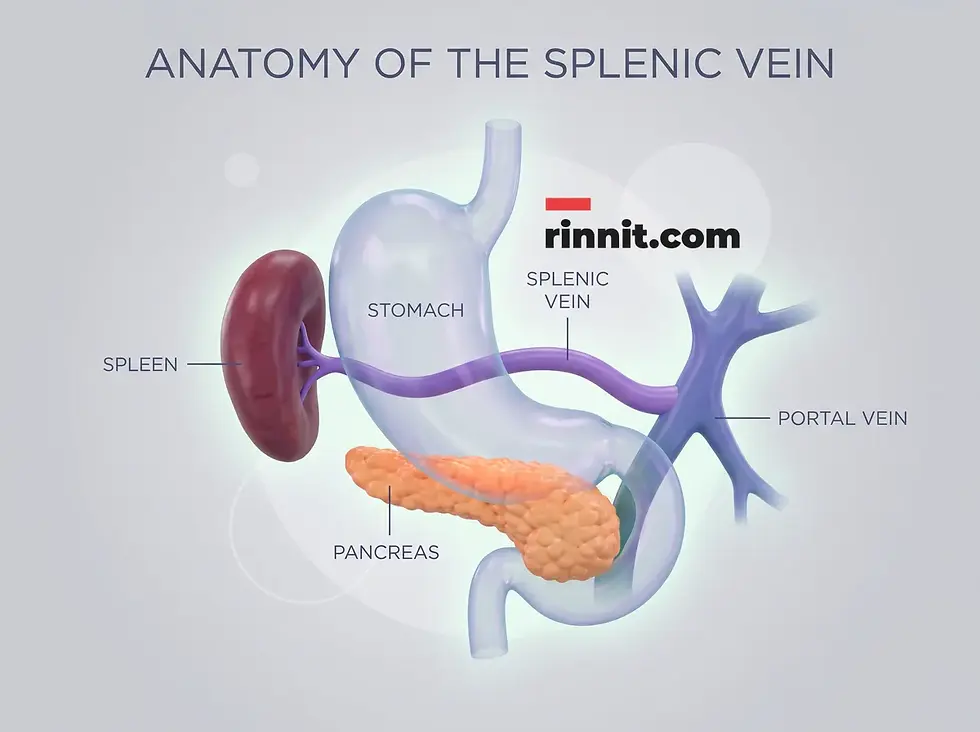
Anatomically, the splenic vein is formed by several smaller vessels, known as tributaries, which drain specific areas of the upper digestive tract. These tributaries ensure that blood from the stomach, pancreas, and colon is efficiently routed to the liver [1].
Tributaries of the Splenic Vein
Tributary Name | Area Drained |
Short Gastric Veins | Drains the upper portion of the stomach. |
Left Gastro-omental Vein | Drains the greater curvature of the stomach. |
Pancreatic Veins | Drains blood from the pancreas. |
Inferior Mesenteric Vein | Drains blood from the colon. |
What conditions and disorders affect the splenic vein?
Disruptions in blood flow through the splenic vein can lead to significant health complications. Many of these issues are related to pressure changes within the portal system or the formation of obstructions that prevent normal circulation.
Splenic Vein Thrombosis: This occurs when a blood clot forms within the vein, often as a complication of pancreatitis or pancreatic cancer [1] [2].
Portal Hypertension: High blood pressure within the portal system, frequently associated with advanced liver disease, can cause the splenic vein to dilate.
Splenomegaly: An enlarged spleen can result from blood disorders or infections, increasing the volume of blood the splenic vein must handle.
Gastrointestinal Varices: Dilation of veins in the stomach and esophagus can occur when blood flow is restricted, potentially leading to bleeding risks.

Diagnostic Testing for Vascular Health
Medical professionals utilize several imaging and laboratory tests to evaluate the health of the splenic vein and surrounding organs.
Test Type | Purpose of Evaluation |
Ultrasound / Doppler | Visualizes blood flow and detects potential clots or obstructions. |
CT / MRI Scans | Provides detailed images of the vein's structure and nearby organs. |
Endoscopy | Checks for dilated veins (varices) in the digestive tract. |
Liver Function Tests | Assesses the liver's ability to process blood from the portal system. |
Venography | Uses contrast dye to map the venous system and identify blockages. |
How can you care for your splenic vein and prevent problems?
Maintaining the health of the splenic vein involves broader strategies for vascular and digestive wellness. Preventing liver disease and managing inflammation are key to avoiding complications like hypertension or thrombosis.
Vascular-Friendly Diet: Focus on nutrient-dense foods while limiting the intake of processed sugars and excessive salt [1].
Hydration: Drink plenty of water throughout the day to maintain optimal blood volume and circulation.
Lifestyle Choices: Avoid smoking and limit alcohol consumption to reduce the strain on the liver and vascular system [1].
Regular Activity: Engage in consistent exercise to support overall cardiovascular health and blood flow.
Medical Management: Manage chronic conditions such as diabetes or high blood pressure and attend regular checkups to monitor organ function [1].

Conclusion
The splenic vein is a vital link in the body's circulatory and immune systems, ensuring that filtered blood is safely transported to the liver for processing. By understanding its anatomy and the conditions that affect it, individuals can take proactive steps to protect their vascular health.
Next step: If you experience persistent abdominal pain or unexplained swelling, consult a healthcare professional for a comprehensive evaluation.
Frequently Asked Questions
What is the primary role of the splenic vein?
The splenic vein carries blood from the spleen, pancreas, and stomach to the portal vein. This blood is then moved to the liver, where it is filtered and processed before returning to the general circulation.
Where is the splenic vein located in the body?
The splenic vein is located in the abdomen, positioned behind the stomach. It runs from the spleen on the left side toward the center of the belly, where it joins other major blood vessels.
What organs does the splenic vein drain?
The splenic vein drains blood from the spleen, the pancreas, parts of the stomach, and the colon via various smaller tributary veins.
How does the splenic vein differ from the splenic artery?
The splenic artery brings oxygen-rich blood to the spleen, while the splenic vein carries “used” blood away from the spleen toward the liver for processing.
What is splenic vein thrombosis?
Splenic vein thrombosis is the formation of a blood clot within the vein. It is often caused by inflammation of the pancreas or other nearby health conditions.
Can liver disease affect the splenic vein?
Yes, advanced liver disease can cause portal hypertension, which increases pressure in the splenic vein and may lead to vein dilation or an enlarged spleen.
What are the symptoms of splenic vein problems?
Common signs of issues can include unexplained stomach pain, abdominal swelling, or symptoms related to an enlarged spleen, such as upper abdominal discomfort.
How do doctors test the health of the splenic vein?
Healthcare providers use imaging tests like ultrasounds, CT scans, and MRIs, as well as blood tests and endoscopies to evaluate venous health.
Is the splenic vein part of the portal system?
Yes, it is a major component of the hepatic portal system, which manages blood flow from the digestive organs to the liver.
What lifestyle habits support splenic vein health?
Eating a balanced diet, staying hydrated, exercising regularly, and avoiding smoking and excessive alcohol help maintain healthy circulation and liver function.
Related Reading
Portal Hypertension: Complete Guide to Symptoms, Causes, Diagnosis, and Treatment explains high pressure in the portal vein system and its complications.
Understanding the Spleen: Your Body’s Natural Filter and Defense Shield describes the organ the splenic vein drains and what it does.
Gastric Varices: Symptoms, Causes, Diagnosis, Treatment, and Outlook — What You Need to Know covers enlarged stomach veins that can form when the splenic vein clots.
Pancreatitis: Symptoms, Causes, and Treatment — A Clear Guide to Understanding and Managing the Condition explains pancreas inflammation, a common cause of splenic vein clots.
References
Cleveland Clinic. Splenic Vein. Cleveland Clinic. Last updated September 30, 2024. https://my.clevelandclinic.org/health/body/splenic-vein
Sissingh NJ, Groen JV, Koole D, et al. Therapeutic anticoagulation for splanchnic vein thrombosis in acute pancreatitis: a systematic review and meta-analysis. Pancreatology. 2022;22(2):235-243. PMID 35012902. https://doi.org/10.1016/j.pan.2021.12.008
Borbély RZ, Szalai EÁ, Philip BM, et al. The risk of developing splanchnic vein thrombosis in acute pancreatitis increases 3 days after symptom onset: a systematic review and meta-analysis. United European Gastroenterology Journal. 2024;12(6):678-690. PMID 38400822. https://doi.org/10.1002/ueg2.12550
Uy PPD, Francisco DM, Trivedi A, et al. Vascular diseases of the spleen: a review. Journal of Clinical and Translational Hepatology. 2017;5(2):152-164. PMID 28660153. https://doi.org/10.14218/JCTH.2016.00062
Medical disclaimer
The information provided in this article is for educational purposes only and should not be used as a substitute for professional medical advice, diagnosis, or treatment. Always seek the advice of your physician or other qualified health provider with any questions you may have regarding a medical condition.



Comments