Understanding SGLT2 Inhibitors: A Patient Guide to Type 2 Diabetes Management

Updated: 3 days ago
Medically reviewed by Dr. Baraa Alnahhal, MD · Last reviewed: October 2026
Quick Answer: What are SGLT2 inhibitors?
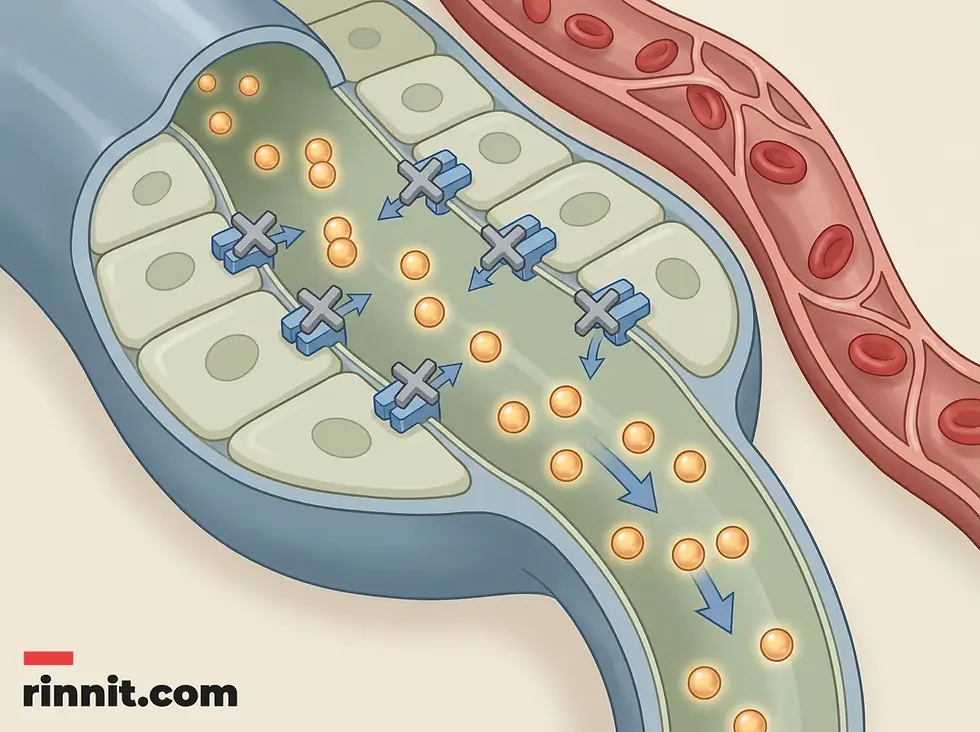
SGLT2 inhibitors (sodium-glucose transport protein 2 inhibitors) are oral medications that lower blood sugar levels by preventing the kidneys from reabsorbing glucose into the bloodstream. Instead, the excess sugar is eliminated from the body through urination. They are also prescribed to improve outcomes for patients with chronic kidney disease and heart failure. Common examples include empagliflozin and dapagliflozin. [4]
What the research says
SGLT2 inhibitors protect the kidneys. A meta-analysis of 4 trials in 38,723 people with type 2 diabetes found a 33% lower risk of dialysis, transplantation or death from kidney disease (relative risk 0.67; 95% CI 0.52 to 0.86), a 35% lower risk of end-stage kidney disease and a 25% lower risk of acute kidney injury (Neuen et al., Lancet Diabetes Endocrinol, 2019). [1]
The heart and kidney benefits extend beyond diabetes. Across 13 placebo-controlled trials with 90,413 participants, SGLT2 inhibitors reduced kidney disease progression by 37% (RR 0.63; 95% CI 0.58 to 0.69) and the combined risk of cardiovascular death or heart-failure hospitalization by 23% (RR 0.77; 95% CI 0.74 to 0.81), with similar effects in people with and without diabetes. The absolute benefits outweighed the risks of ketoacidosis and amputation (SGLT2 Inhibitor Meta-Analysis Cardio-Renal Trialists’ Consortium, Lancet, 2022). [2]
Blood sugar, blood pressure and weight all improve modestly. In a meta-analysis of 6 placebo-controlled trials (3,111 patients), bexagliflozin lowered HbA1c by 0.53 percentage points, systolic blood pressure by 4.66 mmHg and body weight by 1.61 kg, with no significant differences from placebo in hypoglycemia, genital mycotic infection, urinary tract infection or diabetic ketoacidosis (Pasqualotto et al., Diabetes Obes Metab, 2023). [3]
What are SGLT2 inhibitors?
SGLT2 inhibitors are a vital class of prescription medications designed to manage blood sugar levels in people with type 2 diabetes. The acronym SGLT2 stands for sodium-glucose transport protein 2, a protein in the kidneys responsible for glucose reabsorption. By targeting this protein, the medication provides a mechanism for blood sugar control that differs from many other diabetes treatments. [4]
These medications are not only effective for diabetes management but also play a role in protecting vital organs. Clinical evidence supports their use in improving heart and kidney health for patients with chronic kidney disease or heart failure. By slowing the progression of these conditions, SGLT2 inhibitors can improve a patient’s long-term outlook and quality of life.
How do SGLT2 inhibitors work?
SGLT2 inhibitors work by blocking SGLT2 proteins in the kidneys, so excess glucose passes into the urine instead of returning to the bloodstream. Typically, when glucose flows through the kidneys, SGLT2 proteins act as gatekeepers, sending much of that sugar back into the bloodstream. SGLT2 inhibitors function as “blockers,” preventing this reabsorption process. [4]
When these proteins are blocked, the kidneys allow the excess glucose to pass into the urine instead of returning it to circulation. This targeted approach helps keep blood sugar levels within a healthier range. The process also provides a mild diuretic effect, which can contribute to other benefits such as reduced blood pressure. [4]
What are common SGLT2 inhibitors and their usual dosages?
SGLT2 inhibitors come in several versions, each tailored to specific health needs. These medications are typically taken once daily by mouth, usually in the morning. Healthcare providers often start patients on a low dose and may adjust it over time based on the treatment’s effectiveness. [4]
Medication name | Common brand name | Standard dosages |
Bexagliflozin | Brenzavvy® | 20 mg |
Canagliflozin | Invokana® | 100 mg, 300 mg |
Dapagliflozin | Farxiga® | 5 mg, 10 mg |
Empagliflozin | Jardiance® | 10 mg, 25 mg |
Ertugliflozin | Steglatro® | 5 mg, 15 mg |
What benefits do SGLT2 inhibitors offer beyond blood sugar control?
Beyond lowering blood sugar, SGLT2 inhibitors can bring modest weight loss, lower blood pressure, fewer heart-failure flare-ups and slower kidney function decline. Because the body is eliminating sugar, which represents calories, through urine, many patients experience modest weight loss as a secondary benefit.
The impact on the cardiovascular and kidney systems is equally significant. These medications help reduce blood pressure and lower the risk of heart-failure flare-ups. For people with chronic kidney disease, SGLT2 inhibitors can slow the decline of kidney function and reduce the overall risk of needing dialysis in the future.

What side effects and safety concerns do SGLT2 inhibitors have?
SGLT2 inhibitors are generally well tolerated, though they can cause specific side effects that patients should watch for and discuss with their healthcare team. The most common issues relate to the increased presence of sugar in the urine and the medication’s diuretic effect. Open communication with your healthcare team is vital for managing these symptoms effectively. [4]
Side effect | Description and management |
Increased urination | A natural result of the medication’s mechanism; ensure easy access to restrooms. |
Vaginal yeast infections | Caused by excess sugar in the genital area; maintain good hygiene and report persistent symptoms. |
Dizziness | Often related to mild dehydration or changes in blood pressure. |
UTIs | Sugar in the urine can encourage bacterial growth; stay hydrated to help flush the system. |
What important risks and interactions do SGLT2 inhibitors have?
Certain medical conditions and other medications require extra caution when using SGLT2 inhibitors. Patients with pre-existing heart conditions or those taking diuretics should be closely monitored, as the combined effect can lead to dehydration or excessively low blood pressure. These medications are also not intended for the treatment of type 1 diabetes. They are usually stopped at least 3 to 4 days before planned surgery. A rare but serious genital-area infection (Fournier's gangrene) has been reported; get care right away for pain, tenderness, redness or swelling of the genitals or the area toward the rectum, with fever or feeling unwell.
A rare but serious condition known as diabetic ketoacidosis can occur, where the body breaks down fat too quickly, leading to a dangerous buildup of ketones in the blood. Symptoms such as nausea, vomiting, belly pain, unusual tiredness or trouble breathing require immediate medical attention, even if blood sugar is not very high. Patients who are pregnant or planning to become pregnant should discuss alternative treatments such as insulin or metformin with their provider.

Conclusion
SGLT2 inhibitors represent a significant advancement in the management of type 2 diabetes and associated heart and kidney conditions. By providing a unique pathway for sugar elimination, these medications offer patients a powerful tool for maintaining long-term health. Understanding how they work and following safety guidance helps patients navigate treatment with confidence.
If you have been prescribed an SGLT2 inhibitor, make sure you have a clear plan for daily administration and blood sugar monitoring. Discuss your full list of current medications with your healthcare team to avoid potential interactions. Regular follow-up appointments will help your provider confirm the treatment is working effectively and safely for your needs.
Frequently Asked Questions
Are SGLT2 inhibitors the same as insulin?
No. SGLT2 inhibitors are oral medications that help the kidneys remove sugar, whereas insulin is a hormone usually injected to help cells absorb sugar.
Can I take this medication with metformin?
Yes. SGLT2 inhibitors are frequently used alongside metformin or GLP-1 agonists to improve blood sugar control.
What should I do if I miss a dose?
Take it as soon as you remember, unless your next dose is less than six hours away. Never take two doses at once.
Will this medication make me lose weight?
Many patients experience modest weight loss because the body is eliminating calories in the form of sugar through urine.
Can I drink alcohol while taking SGLT2 inhibitors?
Caution is advised, as alcohol can increase the risk of dehydration and low blood sugar. Drink only in moderation.
Are these drugs safe for my kidneys?
SGLT2 inhibitors are often prescribed specifically to help protect the kidneys and slow the progression of chronic kidney disease.
How quickly do they start working?
SGLT2 inhibitors begin affecting blood sugar levels shortly after the first few doses, but full benefits for heart and kidney health may take longer to realize.
Do I still need to watch my diet?
Yes. Medication is most effective when combined with a healthy diet and regular physical activity as prescribed by your provider.
Can SGLT2 inhibitors cause low blood sugar?
While rare on their own, the risk increases significantly if taken with insulin or sulfonylureas.
What is ketoacidosis?
A serious condition in which ketones build up in the blood. Seek emergency care if you have nausea, vomiting, belly pain, unusual tiredness or trouble breathing, even if your blood sugar is normal.
Why do I need to stay hydrated?
The medication has a diuretic effect, meaning you will urinate more often, which can lead to dehydration if you do not drink enough fluids.
Are there any age restrictions?
Your healthcare provider will determine whether the medication is appropriate based on your overall health, regardless of age.
Can I stop taking the medication if my sugar is normal?
No. Never stop or change your dosage without consulting your healthcare provider first.
Do SGLT2 inhibitors affect blood pressure?
Yes, they often provide a modest reduction in blood pressure, which can be beneficial for heart health.
Is a prescription required?
Yes. These are potent medications that must be prescribed and monitored by a qualified healthcare professional.
Related Reading
Diabetes Medications: Types, How They Work, and Side Effects — Complete Guide compares the main types of diabetes medicines and how they work.
Biguanides (Metformin): Uses, How They Work, Side Effects and Risks explains metformin, the usual first medicine for type 2 diabetes.
GLP-1 Agonists: A Comprehensive Guide to Diabetes and Obesity Management covers GLP-1 medicines for blood sugar and weight control.
Diabetic Ketoacidosis (DKA): Signs, Triggers, and What To Do in an Emergency explains a serious diabetes complication and its warning signs.
References
Neuen BL, Young T, Heerspink HJL, et al. SGLT2 inhibitors for the prevention of kidney failure in patients with type 2 diabetes: a systematic review and meta-analysis. Lancet Diabetes Endocrinol. 2019;7(11):845-854. PMID: 31495651. DOI: 10.1016/S2213-8587(19)30256-6
Nuffield Department of Population Health Renal Studies Group, SGLT2 Inhibitor Meta-Analysis Cardio-Renal Trialists’ Consortium. Impact of diabetes on the effects of sodium glucose co-transporter-2 inhibitors on kidney outcomes: collaborative meta-analysis of large placebo-controlled trials. Lancet. 2022;400(10365):1788-1801. PMID: 36351458. DOI: 10.1016/S0140-6736(22)02074-8
Pasqualotto E, Figueiredo Watanabe JM, Gewehr DM, et al. Efficacy and safety of bexagliflozin in patients with type 2 diabetes mellitus: a systematic review and meta-analysis. Diabetes Obes Metab. 2023;25(7):1794-1802. PMID: 36929659. DOI: 10.1111/dom.15051
Cleveland Clinic. SGLT2 Inhibitors: What They Are, Uses & Side Effects. Cleveland Clinic. Last updated July 31, 2025. https://my.clevelandclinic.org/health/treatments/sglt2-inhibitors
Disclaimer
This article is for general educational purposes and is not a substitute for professional medical advice, diagnosis or treatment. Always seek the advice of a qualified health provider with any questions you may have regarding a medical condition or treatment.



Comments