SADI Surgery: A Comprehensive Guide to Modern Weight Loss Treatment

Updated: 2 days ago
Medically reviewed by Dr. Baraa Alnahhal, MD · Last reviewed: October 2026
Quick Answer: What is SADI surgery?
SADI surgery, or single anastomosis duodenal-ileostomy, is a weight loss procedure that creates a smaller, tube-shaped stomach and reroutes part of the small intestine. Patients feel full sooner and absorb fewer calories. It is typically recommended for Class III obesity and can significantly improve conditions like Type 2 diabetes and high blood pressure.

What the research says
SADI-S beat gastric bypass on weight loss at 2 years in the first large randomized trial. In the SADISLEEVE trial of 381 patients, mean excess weight loss at 2 years was 76.0% with SADI-S versus 68.1% with Roux-en-Y gastric bypass (mean difference 6.72%, 95% CI 0.80 to 12.64). The safety profile was similar, though serious adverse events related to the surgery in the SADI-S group (40 in total) included three anastomotic leaks and eight cases of severe diarrhea (Robert et al., Lancet, 2025).
Early safety looks acceptable, but long-term data are still limited. A review of 1,041 patients (SADI-S and related variants) reported no postoperative deaths, an early complication rate of 7.3%, and a rise in the revision rate from 2% to 7% between 2 and 5 years of follow-up (Topart & Becouarn, Surg Obes Relat Dis, 2017).
The evidence base is still small. A network meta-analysis of 12 randomized trials (986 patients) found that SADI-S produced significantly greater total weight loss than gastric bypass, but only 29 patients had SADI-S, and the authors found no consensus on the optimal hypoabsorptive operation (Davey et al., Obes Surg, 2026).
What is SADI Surgery?
SADI surgery is a specialized form of weight loss surgery that targets severe obesity. The procedure is a modified version of the traditional duodenal switch, designed to be simpler and quicker while still providing substantial results. By reducing the size of the stomach and changing the pathway food takes through the digestive system, SADI surgery effectively addresses both the quantity of food consumed and the amount of energy the body absorbs.
How does SADI surgery work?
The procedure utilizes two primary mechanisms to facilitate weight loss. First, a sleeve gastrectomy is performed to remove a large portion of the stomach, leaving a narrow tube. This reduces the stomach's capacity and impacts hunger-regulating hormones. Second, the small intestine is rerouted so that food bypasses a significant section, which directly limits the absorption of calories and nutrients.
Mechanism | Description | Impact on Patient |
|---|---|---|
Sleeve Gastrectomy | Creates a smaller, tube-shaped stomach. | Reduces food capacity and hunger. |
Intestinal Bypass | Reroutes the duodenum to the lower ileum. | Limits calorie and nutrient absorption. |
What happens during the SADI surgical procedure?
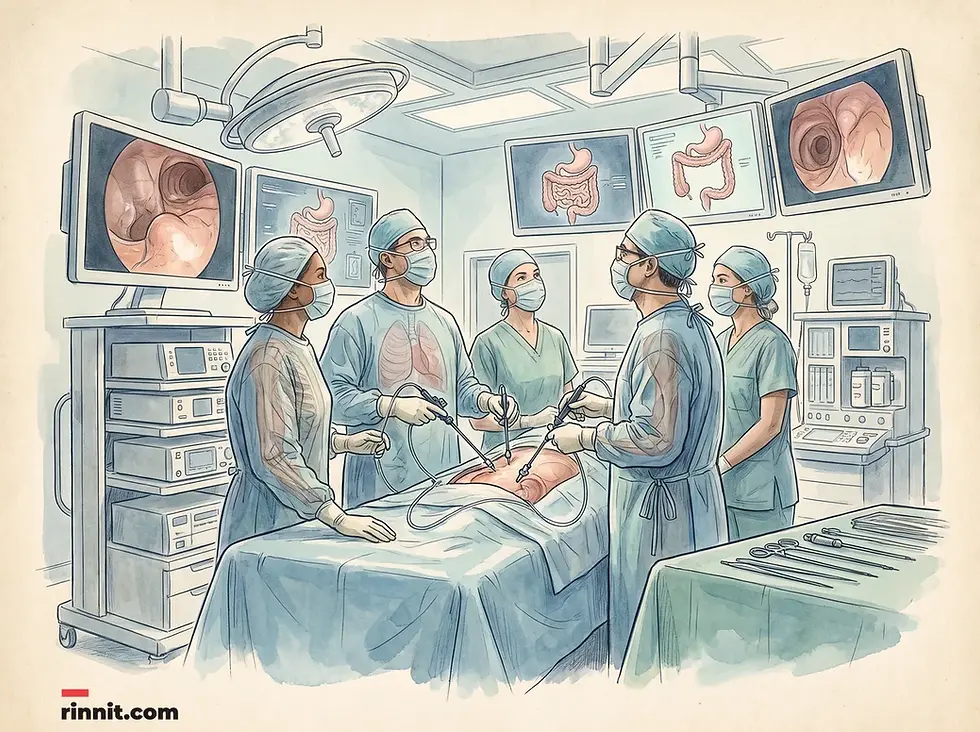
SADI surgery is typically performed using minimally invasive techniques, involving several small incisions in the abdomen. Under general anesthesia, the surgeon carefully removes part of the stomach and separates the first part of the small intestine. A single connection point, known as an anastomosis, is then created to link the stomach directly to a lower section of the small intestine. The entire process generally takes about two hours.
What is recovery like after SADI surgery, and what is the long-term outlook?
Following the procedure, patients usually stay in the hospital for one day for monitoring. The initial recovery period involves a strictly controlled diet, starting with liquids and gradually progressing to soft and then regular foods over several months. Because the surgery alters nutrient absorption, patients must take daily vitamin and mineral supplements for the rest of their lives to prevent deficiencies.
Recovery Phase | Typical Duration | Diet/Activity Focus |
|---|---|---|
Hospital Stay | 1 Day | Monitoring and initial hydration. |
Initial Recovery | 2-4 Weeks | Full liquid diet and light activity. |
Dietary Transition | 1-3 Months | Progression to soft and regular foods. |
Long-Term Care | Lifelong | Daily supplements and regular checkups. |
What are the benefits and risks of SADI surgery?
SADI surgery can lead to the loss of approximately 73% of excess weight over five years and significantly improve obesity-related conditions. However, the increased malabsorption also carries a higher risk of nutritional deficiencies compared to other bariatric surgeries. Patients may also experience more frequent bowel movements and increased gas as their bodies adjust to the new digestive pathway. For related digestive effects of bariatric surgery, see our guide to dumping syndrome.

Conclusion
SADI surgery represents a powerful tool for individuals seeking to overcome severe obesity and its associated health risks. By combining restrictive and malabsorptive techniques, it provides a comprehensive approach to long-term weight management. Success with SADI surgery depends heavily on a patient's dedication to lifelong nutritional support and regular engagement with their healthcare team.
What are the next steps if you are considering SADI surgery?
If you believe SADI surgery may be right for you, the first step is to consult with a bariatric specialist to evaluate your overall health and weight loss goals. You will likely meet with a dietitian to learn about the necessary dietary changes and supplemental requirements. Following all pre-surgical instructions, such as smoking cessation and dietary adjustments, is crucial for a safe and successful outcome.
Related reading on Rinnit: Obesity: Symptoms, Causes, Complications and Treatment, Gastric Bypass Revision, Dumping Syndrome Explained, GLP-1 Agonists, Fatty Liver Disease (MASLD).
Frequently Asked Questions
What does SADI stand for?
SADI stands for single anastomosis duodenal-ileostomy.
How much weight can I expect to lose?
Many patients lose about 73% of their excess weight within five years of the procedure.
Is SADI surgery reversible?
Like most bariatric surgeries, it is generally considered a permanent change to the digestive system.
How long is the hospital stay?
Most patients are monitored in the hospital for one day after the surgery.
Will I need to take vitamins forever?
Yes, lifelong nutritional supplements are required to prevent vitamin and mineral deficiencies.
Can SADI surgery cure Type 2 diabetes?
SADI surgery can significantly improve or even lead to the remission of Type 2 diabetes in many patients.
How long does the surgery take?
The procedure typically takes around two hours to complete.
When can I return to work?
Most people can return to their normal daily activities and work within one month.
What are the common side effects?
Increased gas and more frequent, loose bowel movements are common as the body adjusts.
Is SADI safer than a traditional duodenal switch?
SADI is often considered a quicker and simpler alternative to the traditional version.
Who is a candidate for SADI?
SADI is typically recommended for individuals with severe (Class III) obesity.
What happens to the removed part of the stomach?
The portion of the stomach that is removed is permanently taken out of the body.
Can I eat regular food after surgery?
You will gradually return to regular foods in small portions over about three months.
How often are follow-up appointments?
Regular checkups are necessary for life to monitor nutrient levels and overall health.
Does SADI affect hunger?
Yes, the surgery removes the part of the stomach that produces many hunger-regulating hormones.
How do I prepare for SADI surgery?
What anesthesia is used for SADI surgery?
SADI surgery is done under general anesthesia, which puts you to sleep for the operation. [4]
When should I call my doctor after SADI surgery?
Call your healthcare provider if you have severe belly pain, severe diarrhea, signs of dehydration (such as peeing less, a dry mouth or headache), fever, or vomiting that doesn't stop after surgery. [4]
Related Reading
References
Robert M, Poghosyan T, Romain-Scelle N, et al. Efficacy and safety of single-anastomosis duodeno-ileal bypass with sleeve gastrectomy versus Roux-en-Y gastric bypass in France (SADISLEEVE): results of a randomised, open-label, superiority trial at 2 years of follow-up. Lancet. 2025;406(10505):846-859. PMID: 40849141. https://doi.org/10.1016/S0140-6736(25)01070-0
Topart P, Becouarn G. The single anastomosis duodenal switch modifications: a review of the current literature on outcomes. Surg Obes Relat Dis. 2017;13(8):1306-1312. PMID: 28602793. https://doi.org/10.1016/j.soard.2017.04.027
Davey MG, Donlon NE, Clerkin M, et al. Minimally invasive hypoabsorptive bariatric surgery: a systematic review and network meta-analysis of randomized clinical trials. Obes Surg. 2026;36(2):836-847. PMID: 41449281. https://doi.org/10.1007/s11695-025-08443-x
Cleveland Clinic. SADI Surgery: What It Is, Procedure, Recovery & Results. Cleveland Clinic. Last updated March 25, 2026. https://my.clevelandclinic.org/health/procedures/sadi-surgery
Medical Disclaimer
This content is for informational purposes only and does not constitute medical advice. Always seek the advice of your physician or other qualified health provider with any questions you may have regarding a medical condition or treatment.



Comments