Precision Cancer Care: Understanding Intensity-Modulated Radiation Therapy (IMRT)

Updated: 1 hour ago
Medically reviewed by Dr. Baraa Alnahhal, MD · Last reviewed: September 2026
Intensity-modulated radiation therapy (IMRT) is a high-precision cancer treatment that uses advanced computer technology to deliver targeted radiation beams. By adjusting the intensity of these beams, IMRT focuses high doses of radiation on tumors while sparing healthy surrounding tissue, significantly reducing the risk of side effects.
Quick answer: Intensity-modulated radiation therapy (IMRT) is a high-precision form of external radiation that targets tumors while sparing healthy tissue. Using a linear accelerator, oncologists adjust the intensity of radiation beams to deliver varying dosages to specific areas. This allows for effective treatment of tumors located near sensitive organs by focusing high doses on the cancer while minimizing exposure to surrounding healthy structures, ultimately reducing the risk and severity of side effects.
The Science of Targeted Radiation
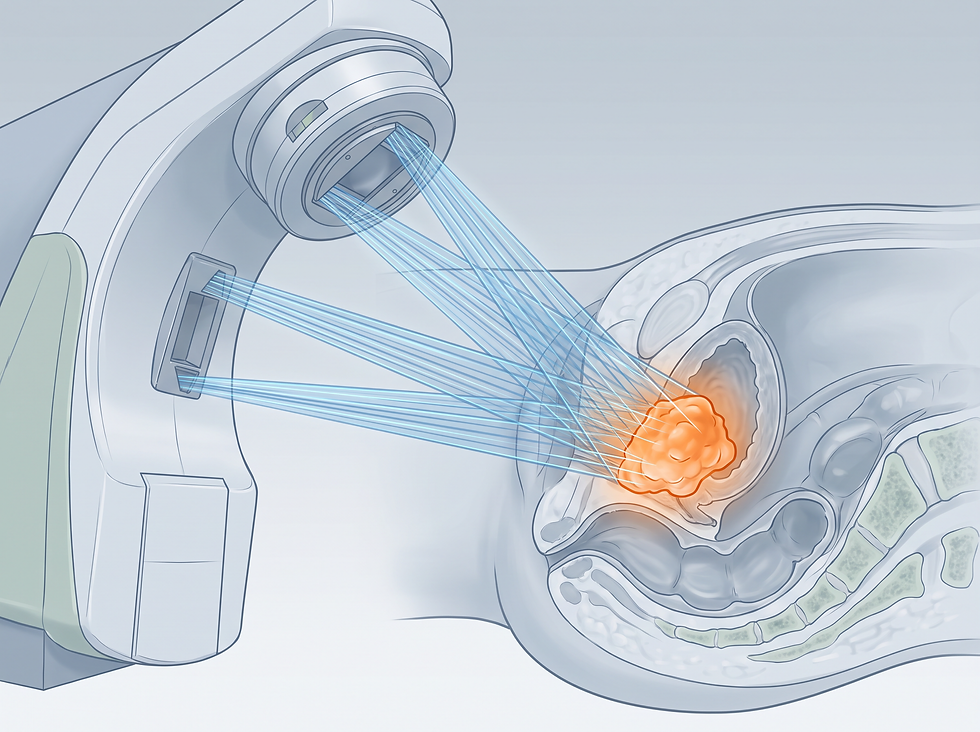
IMRT represents a significant advancement in oncology, providing a more tailored approach to radiation treatment. The technology relies on a machine called a linear accelerator (LINAC), which generates high-energy beams directed at the tumor. What sets IMRT apart is its ability to "shape" the radiation to match the three-dimensional geometry of the tumor.
By breaking the radiation beams into thousands of tiny "beamlets," clinicians can adjust the intensity of each one. This modulation ensures that the tumor receives a potent dose of radiation while the surrounding healthy organs receive only a minimal amount. This level of control is particularly beneficial for treating cancers located in complex or sensitive areas, such as the head, neck, or pelvic region.
The Treatment Journey: From Simulation to Session
Receiving IMRT is a multi-step process that begins long before the first actual treatment session. Precision is the priority at every stage, starting with a detailed planning phase known as simulation.
The Planning Phase (Simulation)
During simulation, the radiation oncology team uses CT scans to determine the exact location, size, and shape of the tumor. This data is fed into a specialized computer system that simulates the treatment, allowing the team to design the most effective radiation plan for the patient's specific anatomy. To ensure consistent positioning during each treatment, small permanent tattoo dots may be placed on the skin, and custom molds or masks might be created to help the patient remain still.
Step | Description | Purpose |
CT Imaging | High-resolution scans of the treatment area. | To map the tumor's exact coordinates. |
Computer Planning | Virtual simulation of radiation delivery. | To optimize the dose and beam angles. |
Positioning Aids | Creation of custom molds or tattoo markers. | To ensure daily treatment accuracy. |
Safety Testing | Verification of the plan on the treatment machine. | To guarantee safe and accurate delivery. |
During the Treatment Session
A typical IMRT session lasts approximately 30 minutes and is performed as an outpatient procedure. The patient is carefully positioned by a radiation therapist, who then operates the machine from a separate room. While the linear accelerator shifts and rotates around the patient, it may make clicking or whirring sounds. The procedure is entirely painless, and the patient can communicate with the therapist at any time via a two-way intercom.

Recovery and Self-Care
While IMRT is designed to minimize side effects, the body still requires time and support to heal from the effects of radiation. Recovery timelines vary, with many patients feeling better within a few weeks, while others may need a month or more to fully regain their energy.
Side Effect Category | Common Symptoms | Management Strategy |
Energy Levels | Fatigue and tiredness. | Prioritize rest and listen to your body's needs. |
Skin Health | Redness or irritation in the treated area. | Wear loose clothing and protect skin from the sun. |
Localized Effects | Varies based on the treatment site. | Communicate all new symptoms to your oncology team. |
To make the treatment journey easier, patients are encouraged to focus on gentle self-care. Getting adequate rest is crucial, as the body uses significant energy to repair tissue. Protecting the skin in the treatment area by wearing soft, loose-fitting clothes and avoiding direct sun exposure can also prevent further irritation.

Conclusion
Intensity-modulated radiation therapy is a cornerstone of modern cancer care, offering a powerful combination of efficacy and safety. By harnessing the power of precision technology, IMRT allows patients to fight cancer while maintaining their daily well-being. The dedication of the radiation oncology team ensures that every treatment is as accurate and supportive as possible, paving the way for a successful recovery.
Next Steps
If you or a loved one are considering IMRT, start by discussing the potential benefits and side effects with your radiation oncologist. Prepare a list of questions regarding your specific treatment plan, including the expected duration and any necessary lifestyle adjustments. Ensure you have a support system in place for transportation to daily appointments and for assistance during the recovery period.
Frequently Asked Questions
What is IMRT?
It is a high-precision radiation therapy that adjusts beam intensity to target tumors while protecting healthy tissue.
How does IMRT differ from traditional radiation?
IMRT is more precise, allowing for different radiation doses within the same treatment area to minimize side effects.
Is the treatment painful?
No, the radiation delivery itself is completely painless and you will not feel anything during the session.
What is a linear accelerator (LINAC)?
It is the machine used to generate and deliver the high-energy radiation beams during IMRT.
How long does a treatment session take?
Most sessions last about 30 minutes, including the time needed for precise positioning.
Is IMRT an outpatient procedure?
Yes, you can go home the same day after your treatment session.
What cancers can be treated with IMRT?
It is commonly used for breast, prostate, lung, cervical, rectal, stomach, and uterine cancers.
What is the purpose of the tattoo dots?
These small, permanent markers help the radiation team position you accurately for every treatment.
Will I be radioactive after treatment?
No, external beam radiation like IMRT does not make you radioactive; it is safe to be around others.
What are the most common side effects?
Fatigue and skin changes in the treated area are the most frequently reported side effects.
How long does recovery take?
Most people feel better within a few weeks, though full recovery can take one to two months.
Who is on the radiation oncology team?
The team includes a radiation oncologist, a dosimetrist, a medical physicist, and a radiation therapist.
Can I drive myself to appointments?
In many cases, yes, but you should discuss your specific energy levels and side effects with your doctor.
How should I care for my skin during treatment?
Wear loose clothing, use gentle skincare as recommended by your team, and protect the area from the sun.
What should I do if side effects become severe?
Contact your radiation oncology team immediately to discuss symptom management.
References
Medical Disclaimer: The information provided in this article is for educational purposes only and should not be considered professional medical advice. Always seek the advice of a qualified healthcare provider with any questions regarding a medical condition or treatment plan.
Comments