Pediatric Occupational Therapy: A Guide to Developmental Milestones

Updated: 3 days ago
Medically reviewed by Dr. Baraa Alnahhal, MD · Last reviewed: October 2026
Pediatric occupational therapy is a specialized healthcare service designed to help children from infancy through their teenage years reach critical developmental milestones. By focusing on fine motor skills, cognitive development, and social-emotional regulation, therapists enable children to gain independence in daily activities such as dressing, feeding, and playing. This individualized approach addresses various conditions, including developmental delays and neurological disorders, through age-appropriate, play-based interventions.
Quick Answer
Pediatric occupational therapy helps children develop the skills needed for daily living, learning and social interaction. It focuses on fine motor coordination, cognitive abilities, self-care and sensory processing to help children reach developmental milestones. Therapists work with children who have developmental delays or conditions like autism, using individualized, play-based activities for tasks such as writing and feeding. [1]
Area of Focus | Description of Developmental Support |
Fine Motor Skills | Strengthening small muscles for writing, using scissors, and stringing beads. |
Cognitive Skills | Enhancing learning, memory, perception, and problem-solving abilities. |
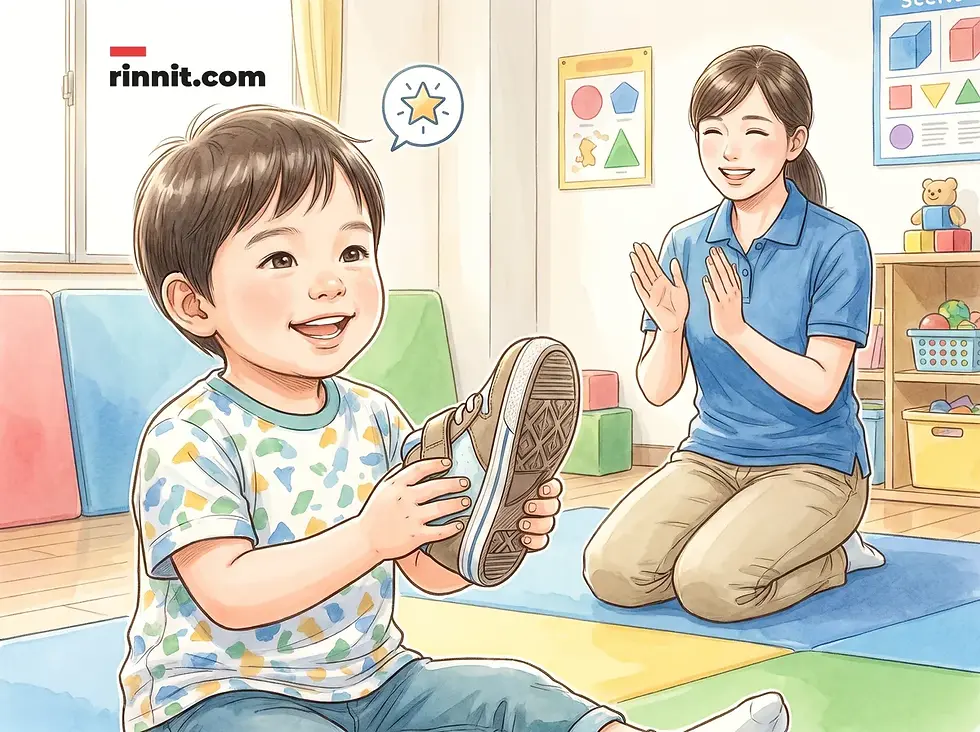
Activities of Daily Living | Developing independence in self-care tasks like dressing and feeding. |
Social-Emotional Skills | Improving self-regulation, coping mechanisms, and peer interactions. |
Sensory Processing | Managing how the child perceives and responds to sensory information. |
What the research says
A 10-week sensory integration–based program improved attention, coordination, and daily participation in children with ADHD. In a single-blind randomized controlled trial of 94 children aged 6 to 8 with ADHD, 47 received occupational therapy based on Ayres Sensory Integration (3 sessions a week for 10 weeks) and 47 stayed on a waiting list. Afterward, the therapy group improved significantly on measures of sensorimotor skills, attention, executive function, emotional regulation, and participation (p < .001), while the waiting-list group did not improve significantly (Kaplan Kılıç et al., Am J Occup Ther, 2026).
Home programs added to early intervention helped young children with Down syndrome. In a six-month pilot study of 30 children aged 0 to 3, one group received early intervention only and the other received early intervention plus family-centered home programs. Both groups improved, but the home-program group showed moderate effects for occupational performance (Hedges’ g = 0.61), satisfaction (0.50), and self-care (0.56). The study was small, so the results are preliminary (Argueta Dheming et al., Phys Occup Ther Pediatr, 2026).
Research summaries are based on article abstracts retrieved from PubMed.
What does a pediatric occupational therapist do?
A pediatric occupational therapist is a certified healthcare professional specializing in child development. These experts work in various settings, including hospitals, schools, and rehabilitation centers, to provide targeted interventions. They evaluate a child’s coordination, movement, and mental health to determine how specific conditions might be affecting their ability to function in their environment.

Which conditions does pediatric occupational therapy help manage?
Occupational therapy is often recommended for children with conditions that impact their physical or cognitive function. These may be present at birth or develop over time due to injury or neurological changes. The goal is to provide children with the tools and adaptations they need to navigate their world successfully.
Autism Spectrum Disorder (ASD): Addressing sensory challenges and social communication.
Cerebral Palsy: Improving movement, coordination, and the use of adaptive equipment.
Attention-Deficit/Hyperactivity Disorder (ADHD): Enhancing focus, organization, and self-regulation.
Developmental Delays: Helping children catch up to age-appropriate milestones.
Down Syndrome: Supporting cognitive and physical development for greater independence.
How do pediatric occupational therapy evaluation and treatment work?
The journey begins with a comprehensive evaluation, typically lasting one to two hours. During this initial visit, the therapist observes the child’s behavior, reviews their motor skills, and discusses parental concerns. This assessment forms the basis for an individualized treatment plan tailored to the child’s specific needs and interests.

Following the evaluation, regular therapy sessions incorporate age-specific activities designed to keep the child engaged. These might include practicing the alphabet, stacking blocks, or learning to use assistive devices. Because development takes time, consistency and practice are essential components of a successful outcome.
What are the benefits and emotional considerations of pediatric occupational therapy?
The primary benefit of pediatric occupational therapy is the child’s increased independence and confidence. As they master new skills, their school performance and social interactions often improve significantly. While the therapy itself is safe, children may occasionally experience frustration or confusion as they work through challenging new tasks.
Potential Response | Description |
Sore Muscles | A natural result of physical activity and fine motor practice. |
Frustration | May occur when a child finds a new skill difficult to master. |
Avoidant Behavior | A common reaction to sensory challenges or new environments. |
Stress or Fear | Emotional responses that can be managed through open communication. |
Maintaining an open line of communication between the parent and the therapist is crucial for managing these responses. By practicing therapy goals at home, parents can reinforce the skills learned during sessions and provide a supportive environment for their child’s growth.
Conclusion
Pediatric occupational therapy is a vital resource for children facing developmental or physical challenges. By focusing on the essential skills of childhood, it empowers children to reach their full potential and gain the independence they need for a successful future. With patience, practice, and professional guidance, children can overcome obstacles and achieve meaningful milestones.
When should you see a doctor about pediatric occupational therapy?
If you have concerns about your child’s development or noticed they are missing key milestones, consult with a healthcare provider about a referral to a pediatric occupational therapist. Early intervention can make a significant difference in your child’s long-term success and well-being.
Frequently Asked Questions
What is the difference between adult and pediatric occupational therapy?
The primary difference is the focus of activities based on age. Pediatric therapy focuses on school, play, and childhood milestones, while adult therapy often focuses on workplace skills and maintaining adult independence.
At what age can a child start occupational therapy?
Occupational therapy can begin as early as infancy and continue through the teenage years, depending on the child’s specific developmental needs.
How long does a typical evaluation take?
An initial evaluation for pediatric occupational therapy usually takes between one and two hours to complete.
What are fine motor skills in pediatric therapy?
Fine motor skills involve the use of small muscles in the hands and fingers for tasks like writing, coloring, and using scissors.
Can occupational therapy help with sensory issues?
Yes, pediatric occupational therapists are trained to help children manage sensory processing challenges and adapt to different textures and environments.
How can parents support therapy at home?
Parents can support their child by practicing the specific activities and goals recommended by the therapist in a home setting.
What happens if my child gets frustrated during therapy?
Frustration is a common emotional response to learning new skills. Therapists work with parents to provide support and keep communication open to help the child feel comfortable.
Is pediatric occupational therapy covered by insurance?
Most insurance companies provide coverage for pediatric occupational therapy, though it is recommended to verify specific plan details.
When should I contact an occupational therapist?
You should consider contacting a therapist if your child misses developmental milestones, avoids certain textures, or has trouble interacting with their environment.
Are there physical risks to the therapy?
There are no major risks associated with pediatric occupational therapy, though children may experience minor muscle soreness from physical activity.
Related Resources
External resource for deeper reading:
Related Reading
Physical Therapy for Cerebral Palsy: Goals, Exercises and Benefits explains physical therapy for children with cerebral palsy.
References
Cleveland Clinic. Pediatric Occupational Therapy. Cleveland Clinic Health Library. Last updated June 21, 2023. https://my.clevelandclinic.org/health/treatments/25094-pediatric-occupational-therapy
Kaplan Kılıç B, Bumin G, Öğütlü H, et al. Comprehensive Effects of Occupational Therapy Using Ayres Sensory Integration® in Children With ADHD: A Randomized Controlled Trial. Am J Occup Ther. 2026;80(1). PMID: 41343283. DOI: 10.5014/ajot.2025.051083
Argueta Dheming KG, Oliveira Silva L, da Silva MCV, et al. Home-Based Occupational Therapy Early Intervention Programs in Children with Down Syndrome: A Randomized Clinical Trial. Phys Occup Ther Pediatr. 2026;46(6):1304-1318. PMID: 42132144. DOI: 10.1080/01942638.2026.2667359
Medical disclaimer
This article is for informational purposes only and is not a substitute for professional medical advice, diagnosis, or treatment. Always seek the advice of your physician or other qualified health provider with any questions you may have about a medical condition.



Comments