Nonrelapsing Secondary Progressive MS (nrSPMS): Symptoms and Management

Updated: 2 days ago
Medically reviewed by Dr. Baraa Alnahhal, MD · Last reviewed: October 2026
Quick Answer: What is nrSPMS?
Nonrelapsing secondary progressive MS (nrSPMS) is a form of multiple sclerosis marked by a gradual, steady increase in disability rather than sudden relapses. Immune activity shifts from acute attacks on myelin to more constant, progressive nerve damage. Most people with nrSPMS previously had relapsing-remitting MS but now experience continuous decline without the recovery periods of earlier stages.
What the research says
A new oral drug slowed disability progression. In the HERCULES phase 3 trial of 1,131 people with nrSPMS, 22.6% of those taking tolebrutinib had confirmed disability progression sustained for at least 6 months, compared with 30.7% on placebo (hazard ratio 0.69). The trial was funded by the manufacturer (Fox et al., N Engl J Med, 2025). [1]
Liver injury is the main safety concern. Among 2,958 people exposed to tolebrutinib in clinical trials, 139 (4.7%) had liver enzyme (ALT) levels above three times the upper limit of normal. In this manufacturer-affiliated review, weekly liver tests for the first 12 weeks led to earlier detection of elevations (Maxwell et al., Mult Scler Relat Disord, 2026). [2]
The wider evidence is still developing. A meta-analysis of six randomized trials (3,616 participants) found that BTK inhibitors cut relapse rates in relapsing MS (pooled RR 0.24) and showed emerging efficacy in progressive forms, while liver monitoring remains warranted (Raj et al., Brain Sci, 2026).
Key Takeaways: nrSPMS at a Glance
Feature | Details |
Primary Characteristic | Steady symptom worsening without sudden relapses. |
Disease Stage | Typically follows relapsing-remitting MS (RRMS). |
Core Mechanism | Continuous, progressive damage to the nervous system. |
Common Symptoms | Fatigue, walking issues, muscle stiffness, cognitive changes. |
Primary Goal of Care | Slowing progression and managing daily function. |
Mobility Support | Canes, walkers, or wheelchairs may be needed over time. |

How does MS transition to nonrelapsing secondary progressive MS (nrSPMS)?
Multiple sclerosis is a complex condition that evolves over time. For many, it begins as relapsing-remitting MS (RRMS), where symptoms flare up and then partially or completely resolve. However, as the disease progresses, the nature of the nerve damage changes. In the nrSPMS stage, the immune system's activity shifts. Instead of periodic attacks, the nerves suffer from a more constant, slow-moving degradation. This means that while you may no longer experience sudden, dramatic shifts in your health, you may notice that daily tasks become gradually more difficult over months or years.
What are the symptoms of nonrelapsing secondary progressive MS?
The symptoms of nrSPMS are often similar to those experienced in earlier stages of MS, but their persistence and gradual worsening set them apart.
Physical and Sensory Changes
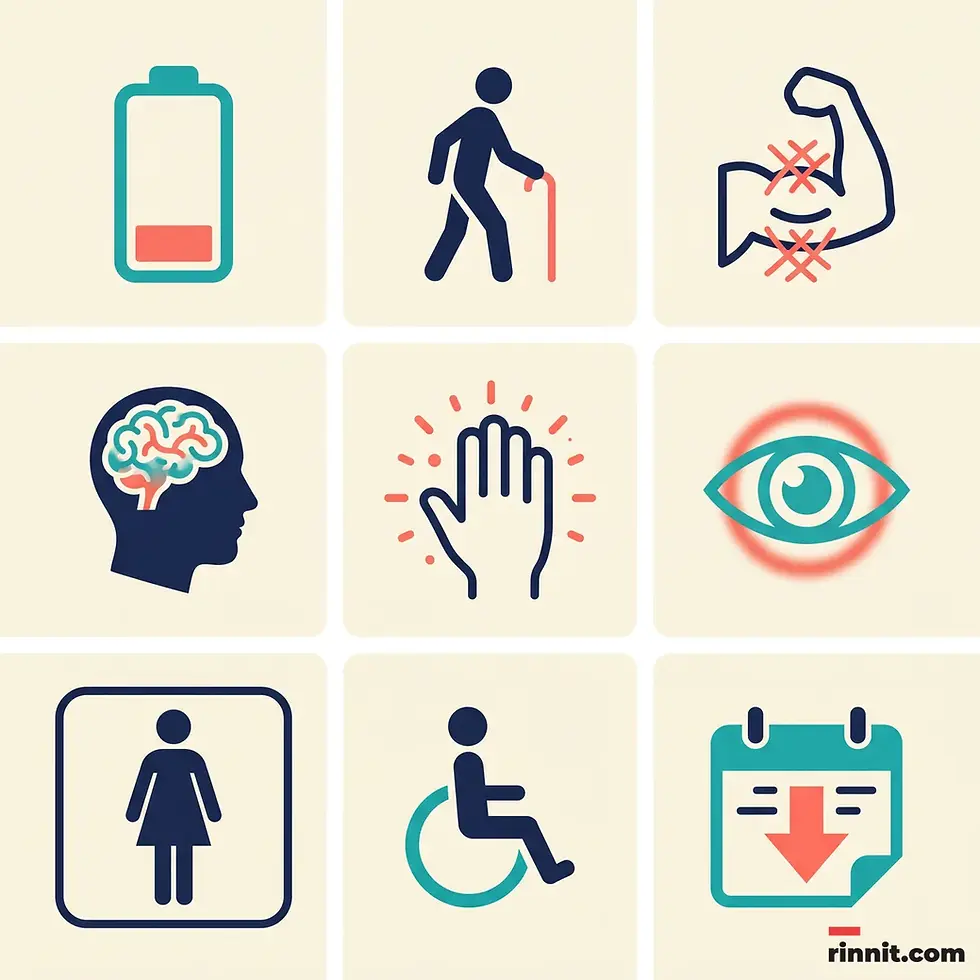
Persistent Fatigue: A deep, overwhelming sense of tiredness that does not improve with rest.
Mobility and Balance: Increased difficulty walking, feeling unsteady, or experiencing frequent stumbles.
Muscle Stiffness: A feeling of tightness or rigidity in the limbs, also known as spasticity.
Sensory Issues: Numbness, tingling, or "pins and needles" sensations in the arms and legs.
Vision and Bladder Control: Changes in vision and a sudden, urgent need to use the bathroom.
Cognitive and Emotional Impact
Cognitive Changes: Difficulty concentrating, remembering details, or a general sense of "brain fog."
Mental Health: The steady nature of the disease can lead to feelings of anxiety, depression, or frustration. Emotional well-being is a critical component of overall MS care.
Symptom Category | Common Experiences |
Mobility | Difficulty walking, balance problems, stiffness. |
Sensory | Numbness, tingling, vision changes. |
Systemic | Severe fatigue, bladder and bowel urgency. |
Cognitive | Memory issues, trouble concentrating. |
How is nonrelapsing secondary progressive MS diagnosed?
Diagnosing the shift to nrSPMS can be challenging because the transition happens slowly. Healthcare providers rely on a combination of patient history and clinical tests to confirm the diagnosis.
Neurological Examination: A specialist will assess your walking, balance, and coordination to track physical changes.
Medical History: Detailed information about when symptoms started and how they have evolved is essential.
MRI Imaging: Magnetic resonance imaging is used to look for evidence of damage in the brain and spinal cord, helping to differentiate between new inflammatory activity and progressive nerve loss.
How is nonrelapsing secondary progressive MS managed and treated?
Nonrelapsing secondary progressive MS has no cure, but several treatments can help manage the condition and slow its progression.
Disease-Modifying Therapies (DMTs)
Disease-modifying therapies work by calming the immune system to prevent further nerve damage. For nrSPMS, treatment options have been limited. One newer medicine, tolebrutinib, an oral brain-penetrant BTK inhibitor, slowed disability progression in a large phase 3 trial (see "What the research says" above). Its regulatory path has been mixed: the US FDA declined to approve it in December 2025, citing the risk of serious drug-induced liver injury, while European regulators gave a positive recommendation in April 2026. Because of the liver risk, regular health checks, including liver function tests, are essential with this type of medicine. Availability differs by country, so ask your neurologist what is approved and appropriate for you.
Supportive and Rehabilitative Care
Physical Therapy: Helps maintain muscle strength and improves safe mobility.
Occupational Therapy: Teaches new ways to perform daily activities and recommends assistive devices like canes or specialized tools.
Speech Therapy: Assists with any difficulties related to swallowing or speech.
Lifestyle Adjustments: Learning energy conservation techniques, such as planning activities and scheduling rest periods, can significantly improve quality of life.

Conclusion
Living with nonrelapsing secondary progressive MS requires a proactive and multifaceted approach to care. While the slow progression of symptoms presents unique challenges, the combination of emerging medical treatments and dedicated rehabilitative therapies offers hope for maintaining independence and quality of life. By working closely with a specialized care team and focusing on both physical and emotional health, individuals with nrSPMS can navigate this stage of the disease with confidence.
Frequently Asked Questions
What does nrSPMS stand for?
It stands for Nonrelapsing Secondary Progressive Multiple Sclerosis.
How is nrSPMS different from other types of MS?
It involves steady worsening of symptoms without sudden relapses or flare-ups.
Does nrSPMS follow RRMS?
Yes, it is often a later stage that follows relapsing-remitting MS.
Is there a cure for nrSPMS?
Currently, there is no cure, but treatments can slow its progression.
What is a relapse?
A sudden flare-up of symptoms followed by a period of feeling better.
Why do symptoms get worse in nrSPMS?
Because of steady, progressive damage to the nerves and their protective myelin.
What is the most common symptom of nrSPMS?
Severe, persistent fatigue is one of the most frequently reported symptoms.
Can nrSPMS affect my walking?
Yes, balance and mobility issues are common as the disease progresses.
What is "brain fog" in MS?
It refers to cognitive difficulties like trouble concentrating or remembering.
How is nrSPMS diagnosed?
Through neurological exams, symptom history, and MRI scans.
What is an MRI used for in MS?
To detect and monitor damage in the brain and spinal cord.
What are disease-modifying therapies (DMTs)?
Medications that help calm the immune system to slow nerve damage.
What is tolebrutinib?
A new oral medicine (a BTK inhibitor) that has been studied for its potential to slow nrSPMS progression.
Is tolebrutinib available now?
Not in the US, where the FDA declined approval in December 2025. European regulators gave a positive recommendation in April 2026, and availability varies by country, so ask your neurologist.
Why are liver checks needed with some MS drugs?
To ensure the medication is not causing adverse effects on the liver.
How does physical therapy help?
It focuses on building strength, improving balance, and safe movement.
What does an occupational therapist do?
They help you find easier ways to do daily tasks and suggest assistive tools.
Can MS affect swallowing?
Yes, and speech therapists can provide techniques to help with this.
What is energy conservation?
A strategy of planning activities and resting to avoid extreme fatigue.
Will I need a wheelchair?
Mobility needs vary; some may eventually need canes, walkers, or wheelchairs.
How does MS affect mental health?
It can cause anxiety and depression; emotional support is vital.
Are there support groups for nrSPMS?
Yes, joining a group can help manage the emotional toll of the disease.
Is nrSPMS painful?
It can cause muscle stiffness and sensory issues like tingling, which can be uncomfortable.
Can vision change in nrSPMS?
Yes, vision changes are a possible symptom of progressive nerve damage.
What is myelin?
The protective coating around nerves that is damaged in MS.
How fast does nrSPMS progress?
The rate of progression is different for everyone and usually happens slowly.
Can I stay independent with nrSPMS?
Yes, therapies and adaptive tools are designed to help you stay independent as long as possible.
What is spasticity?
A common MS symptom involving muscle stiffness or involuntary contractions.
Does everyone with RRMS get nrSPMS?
No, not everyone transitions to this stage, though many do over time.
What should I do if my symptoms worsen?
Contact your healthcare provider immediately to discuss your management plan.
Are there specific exercises for nrSPMS?
Physical therapists can design a custom program based on your abilities.
Can diet help manage nrSPMS?
While not a cure, a healthy diet supports overall well-being.
How often should I see my neurologist?
Regular check-ins are essential to monitor progression and treatment effectiveness.
Is nrSPMS hereditary?
While there may be a genetic predisposition, it is not directly inherited.
What is a "flare-up"?
Another term for a relapse or a sudden worsening of symptoms.
Can stress make nrSPMS worse?
Stress can worsen symptoms, so stress management is often recommended.
What are assistive devices?
Tools like canes, reachers, or specialized kitchen utensils that help with daily life.
How does MS affect the immune system?
The immune system mistakenly attacks the body's own nervous system.
Is nrSPMS the same as Primary Progressive MS (PPMS)?
No, SPMS follows a relapsing stage, while PPMS is progressive from the start.
Can I still work with nrSPMS?
Many people continue to work with workplace accommodations and energy management.
What is the goal of occupational therapy?
To maximize your ability to perform activities of daily living.
Does MS affect bowel control?
Yes, urgency or constipation can be symptoms of the condition.
What is "secondary progressive"?
It means the disease has entered a second, steadily worsening phase.
Can I get a second opinion on my diagnosis?
Yes, getting a second opinion from an MS specialist is often helpful.
What is the long-term outlook?
While progressive, many people live for decades with the condition using proper support.
How do I explain nrSPMS to my family?
Describe it as a stage where symptoms slowly change rather than having sudden attacks.
Are there new research trials for nrSPMS?
Yes, many clinical trials are ongoing for new progressive MS treatments.
Can heat affect my symptoms?
Yes, many people with MS find that heat temporarily worsens their symptoms.
What is a neurological exam?
A series of tests to check your reflexes, strength, and coordination.
Where can I find more information?
The National Multiple Sclerosis Society and your healthcare team are great resources.
Related Reading
What Is Multiple Sclerosis? A Plain-Language Guide to Symptoms, Types, and How It's Treated explains MS types, symptoms and treatment in plain language.
Relapsing-Remitting Multiple Sclerosis (RRMS): Symptoms, Causes, and Management covers the relapsing MS type that often comes before SPMS.
Primary Progressive Multiple Sclerosis: Symptoms, Causes, and Management explains MS that worsens steadily from the start.
Brain MRI: Why It's Done, How to Prepare and What to Expect describes the brain scan used to track MS activity.
References
Fox RJ, Bar-Or A, Traboulsee A, et al. Tolebrutinib in nonrelapsing secondary progressive multiple sclerosis. N Engl J Med. 2025;392(19):1883-1892. PMID 40202696. https://doi.org/10.1056/NEJMoa2415988
Maxwell CR, Turner TJ, Wallstroem E, et al. Tolebrutinib liver safety: a detailed overview. Mult Scler Relat Disord. 2026;113:107404. PMID 42546561. https://doi.org/10.1016/j.msard.2026.107404
Raj A, Patel V, Dang M, et al. Emerging role of BTK inhibitors in multiple sclerosis: from immunobiology to clinical translation. Brain Sci. 2026;16(6):634. PMID 42352643. https://doi.org/10.3390/brainsci16060634
Alvarado D. Sanofi MS drug rejected in US gets an endorsement in Europe. BioPharma Dive. April 24, 2026. https://www.biopharmadive.com/news/sanofis-tolebrutinib-cenrifki-ms-europe-recommend-approval/818414/
Sanofi. Sanofi provides update on tolebrutinib regulatory submission (FDA complete response letter). Sanofi press release. December 24, 2025. https://www.sanofi.com/assets/dotcom/pressreleases/2025/2025-12-24-06-00-00-3210238-en.pdf
National Multiple Sclerosis Society. Secondary progressive MS (SPMS). National Multiple Sclerosis Society. Accessed October 18, 2026. https://www.nationalmssociety.org/understanding-ms/what-is-ms/types-of-ms/secondary-progressive-ms
Disclaimer
The information provided in this article is for educational purposes only and should not be considered medical advice. Always consult with a qualified healthcare professional for diagnosis and treatment of any medical condition.



Comments