Nipple Reconstruction: Surgical and Tattoo Options

Updated: 3 days ago
Medically reviewed by Dr. Baraa Alnahhal, MD · Last reviewed: October 2026
Nipple reconstruction rebuilds the shape, color, and definition of the nipple and areola using surgery, medical tattooing, or both. It is usually done after a mastectomy and breast reconstruction, and the results are permanent [1].
Quick Answer: What is nipple reconstruction?
Nipple reconstruction is a group of procedures that use surgery, tattooing or both to add shape and color to the nipple and areola, usually as a final step after mastectomy and breast reconstruction. Options include skin grafts, local skin flaps and medical tattoos. Results are permanent and can look very realistic, but the new nipple will not feel the same. [1]
What the research says
A more realistic tattoo improved how natural the nipple looked. In 110 patients who had flap-based nipple reconstruction, a modified 3D tattoo technique (61 patients) scored 7.8 out of 10 for three-dimensional appearance compared with 6.4 out of 10 for traditional tattooing (49 patients), and added about 5 minutes to the procedure; the scores were a subjective rating, and reduced projection over time is a common problem after flap surgery (Sowa et al., Aesthetic Plast Surg, 2021).
Surgical reconstruction is associated with good patient satisfaction. A single-center UK series (2014 to 2022) using a modified C-V flap with a full-thickness skin graft, followed by a tattoo if needed, reported excellent patient satisfaction with low complication and revision rates (the abstract gives no figures), and its literature review notes that nipple-areola reconstruction has a positive effect on body image (Rice et al., Eplasty, 2024).
Why is nipple reconstruction done?
A mastectomy, the surgery that removes breast tissue to treat cancer, often (but not always) includes removing the nipple and areola. Nipple reconstruction usually comes after the mastectomy and breast reconstruction to add shape, definition, and color to the breast mound. Not everyone chooses breast or nipple reconstruction after a mastectomy, and each person has their own reasons and goals [1]. Beyond the physical result, many people choose it to feel more comfortable in their skin and more confident, especially during intimate moments.
You may consider nipple reconstruction if you had a mastectomy, had your breast surgically altered, had an injury to your nipple, or want to change the size and shape of your nipple for cosmetic reasons [1].
Reconstruction Goal | Description |
Shape and projection | Recreating the physical protrusion of the nipple. |
Color and definition | Restoring the natural pigmentation of the areola. |
Symmetry | Matching the reconstructed nipple to the other breast. |
Confidence | Improving body image and psychological well-being. |
What are the main types of nipple reconstruction?
Options range from surgical techniques to artistic medical tattooing. The choice depends on your aesthetic goals, your overall health, and the type of breast reconstruction you had before [1].
Surgical Grafting
A skin graft moves skin from a donor site on your body, such as the abdomen, buttocks, or inner thigh, to the area of the breast where the new nipple will be. Your plastic surgeon uses the donor skin to form and reshape the areola [1].
Local Skin Flaps
A skin flap is helpful for creating a nipple that projects. The surgeon takes a piece of skin (the flap) from your newly reshaped breast, then molds, folds, and sutures it into the shape of a nipple. Because it uses your breast skin, the color match is often good. Afterward, you may choose injectable fillers to add definition to the shape of the nipple [1].

Medical Tattooing
Medical tattooing (micropigmentation) adds pigment to the skin with a needle. A tattoo can add color to a reconstructed nipple and areola, or it can be done on its own if you choose not to have surgery, using color and shading to create the illusion of a 3D nipple. Tattoos heal faster than surgery and do not require an anesthetic, and a skilled artist can add fine detail for realism [1].
What are the nipple reconstruction procedure and recovery like?
Nipple reconstruction starts with a plastic surgeon consultation, followed by outpatient surgery lasting 15 minutes to an hour or a tattooing session to add pigment.
Before Your Procedure
You will meet with a plastic surgeon who will answer your questions, check that you are healthy enough for surgery, review your goals and expected results, and examine your breast area and take photos. Some plastic surgeons perform medical tattooing, or you may see a tattoo artist who specializes in nipple tattooing. Either way, you will have a consultation about the size, shape, and color you want [1].
Surgical Timeline
Surgery may be scheduled up to four to six months after breast reconstruction. On the day, the surgeon marks your skin where the incisions will go, usually while you are standing. You will receive an anesthetic so you do not feel pain: most people are asleep, but some procedures need only a local anesthetic. Surgery takes anywhere from 15 minutes to an hour. It is an outpatient procedure, so you usually go home the same day, and you will need a ride home if you had general anesthesia [1].
Tattooing Process
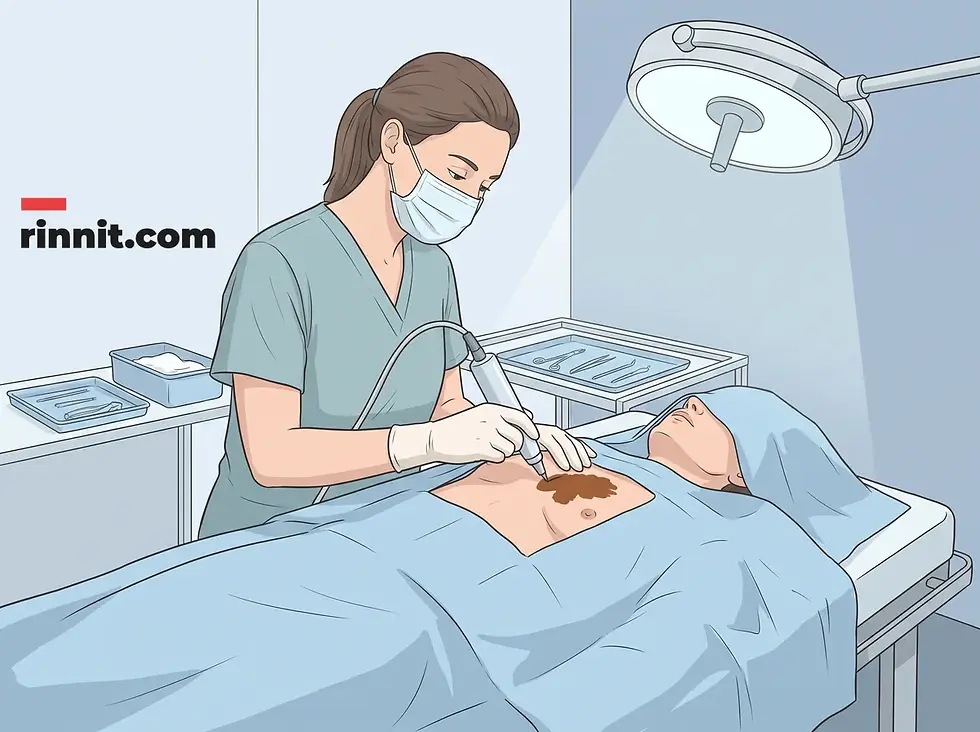
For a nipple tattoo, your skin is cleaned and a stencil may be used to mark the placement. You then look in a mirror to confirm the position before any pigment is applied. Once tattooing starts, you cannot make changes. A handheld device with a small needle applies the pigment, and you may feel pin pokes or scratching and hear a buzzing noise. The tattoo can take up to a couple of hours [1].
Healing and Aftercare
After surgery, incisions are closed with stitches and covered with bandages. A surgical nipple takes about four to six weeks to heal, while a tattoo heals in about seven to 10 days. Your nipple may look larger or more pronounced than you expected right after surgery; this is normal and it gets smaller as the swelling goes down. You may wear a nipple protector or a special surgical bra while you heal, and you should avoid rigorous activity for several weeks (light exercise is usually fine, but check with your provider first) [1].
For a tattoo, the area is wrapped in a bandage or plastic wrap, and your provider will tell you how long to keep it on and which creams or ointments to use. Think of a new tattoo as an open wound: it may itch and peel, but do not scratch or pick at it, and let the flaking skin fall off on its own [1].
Feature | Surgical Reconstruction | Medical Tattooing |
Anesthesia | Local or general (usually asleep) | None required |
Procedure time | 15 minutes to 1 hour | Up to a couple of hours |
Healing time | About 4 to 6 weeks | About 7 to 10 days |
Outcome | Physical 3D projection | Visual 3D illusion (the tattoo itself is flat) |
What are the risks and considerations of nipple reconstruction?
Risks of nipple reconstruction surgery are rare but include swelling, bleeding, scarring, and infection. The nipple may lose its projection or flatten over time, and you may have loss of feeling in your breast. A tattoo can be uncomfortable during the procedure, like being poked or scratched with vibration, and your skin may feel sore for a few days [1].
The new nipple recreates the look and shape of a nipple, but the sensation will not be the same as before surgery [1].
Tissue Health and Aging
A rare but serious risk is necrosis, the loss of tissue. Nipple placement can also change as your body ages or your weight changes. Talk through these long-term considerations with your plastic surgeon at your first consultation [1].

When should you see a healthcare provider after nipple reconstruction?
See your healthcare provider if you have severe pain, excessive bleeding, or swelling after surgery or a medical tattoo. Yellow or white pus leaking from the surgical site or tattoo may mean you have an infection [1].
What is the bottom line on nipple reconstruction?
Nipple reconstruction offers a way to reclaim your body after mastectomy or injury. Whether you choose a graft, a flap, or medical tattooing, the results are permanent and can improve both appearance and emotional well-being. You will get the best results from a surgeon or tattoo artist who is certified and experienced, so ask questions before you decide [1].
What are the next steps for nipple reconstruction?
If you are considering nipple reconstruction, schedule a consultation with a board-certified plastic surgeon. They will review your health and goals and help you choose the best technique for your situation.
Frequently Asked Questions
When can I get nipple reconstruction after a mastectomy?
Surgery is usually scheduled up to four to six months after breast reconstruction. This gives your body time to heal and the breast mound time to settle into its final shape and position.
Is nipple reconstruction surgery painful?
You will receive an anesthetic, either general (you are asleep) or local, so you will not feel pain during the procedure. Afterward you may feel sore, and your provider will tell you how to manage it.
Will my new nipple have sensation?
The procedure restores the look and shape of a nipple, but the feeling will not be the same as before surgery. A reconstructed nipple rarely regains the sensation of the original tissue.
How long does a nipple tattoo last?
Nipple tattoos are permanent. Like other tattoos, the pigment may fade slightly over many years, and some people choose a touch-up to keep the color vibrant.
Can I get a tattoo without having surgery?
Yes. A nipple tattoo alone uses color and shading to create the illusion of a 3D nipple and areola, without surgery. It is flat, but it has a short recovery time.
What are the donor sites for a skin graft?
If your surgeon uses a skin graft to form the areola, the skin may come from a donor site such as your abdomen, buttocks, or inner thigh.
How long does the surgical procedure take?
Nipple reconstruction surgery usually takes between 15 minutes and one hour, depending on the technique used.
What is a local skin flap?
A local skin flap uses a small piece of skin from your reconstructed breast. The surgeon molds, folds, and sutures it into the shape of a projecting nipple.
Are there risks of infection?
As with any surgery or tattoo, there is a small risk of infection. Following your provider's aftercare instructions, such as keeping the area clean and not scratching or picking at it, lowers the risk. Yellow or white pus is a sign to contact your provider.
Can I choose the color of my nipple tattoo?
Yes. During your consultation, you and your surgeon or tattoo artist choose a pigment that matches your natural skin tone or the other nipple for a symmetrical look. Once tattooing starts, the results are permanent.
Related Reading
Breast Reconstruction: Implant and Flap Options, Surgery and Recovery explains implant and flap breast reconstruction.
References
Cleveland Clinic. Nipple reconstruction. Cleveland Clinic. October 25, 2023. https://my.clevelandclinic.org/health/treatments/nipple-reconstruction
Sowa Y, Kodama T, Hori T, et al. A medical tattooing technique for enhancing the three-dimensional appearance of the nipple-areola complex after flap-based nipple reconstruction. Aesthetic Plast Surg. 2021;45(6):2631-2636. PMID: 34350501. DOI: 10.1007/s00266-021-02471-5
Rice M, Colavitti G, Jackson P, et al. Nipple areola complex reconstruction: an 8-year experience with modified technique and systematic review. Eplasty. 2024;24:e36. PMID: 39224406. PMC: PMC11367155
Medical disclaimer
The information provided in this article is for educational purposes only and should not be used as a substitute for professional medical advice, diagnosis, or treatment. Always seek the advice of a qualified healthcare provider with any questions you may have regarding a medical condition.



Comments