Nicotine Headache: Symptoms, Causes, and How to Find Relief

Updated: 2 days ago
Medically reviewed by Dr. Baraa Alnahhal, MD · Last reviewed: October 2026
Quick Answer: What is a Nicotine Headache?
A nicotine headache is head pain linked to using nicotine products or quitting them. Nicotine narrows blood vessels and reduces blood flow to the brain, and with its effects on nerve sensitivity this can trigger cluster, migraine or tension-type headaches. These headaches can occur during use, as a reaction to smoke odors or as a withdrawal symptom.
What the research says
Smoking looks like a cause of cluster headache, not just a bystander. A genome-wide meta-analysis of 4,777 people with cluster headache found that Mendelian randomization indicated a causal effect of cigarette smoking intensity on cluster headache (Winsvold et al., Ann Neurol, 2023). DOI [5]
Headache is one of the most common side effects of nicotine patch therapy. In a double-blind trial of 893 smokers (244 on the nicotine patch), insomnia and headache were the most common adverse events, and 12-month quit rates with the patch alone were 16.4% versus 15.6% with placebo (Jorenby et al., N Engl J Med, 1999). DOI [6]
Headaches also appear with nicotine replacement in teenagers. A systematic review of 12 studies of nicotine replacement therapy in adolescents reported mild side effects such as skin irritation, headaches, and nausea, with limited long-term quit success (Beis et al., Front Psychiatry, 2025). DOI [7]
Key Takeaways: Nicotine Headaches at a Glance
Feature | Details |
Common Sources | Cigarettes, vapes, chewing tobacco, patches, gum. |
Headache Types | Cluster headaches, migraines, and tension headaches. |
Primary Mechanism | Narrowing of blood vessels and increased nerve sensitivity. |
Withdrawal Timeline | Peaks in 5 days; usually resolves in 2-3 weeks. |
Best Treatment | Quitting nicotine use permanently. |
Medication Note | Nicotine can make some OTC pain relievers less effective. |

Why Does Nicotine Cause Headaches?
The relationship between nicotine and head pain is complex and involves several physiological mechanisms. Researchers have identified a few key theories as to why this addictive chemical triggers such discomfort. [1]
Vasoconstriction and Blood Flow
One of the most direct causes is nicotine's effect on the circulatory system. Nicotine causes blood vessels to narrow, a process known as vasoconstriction. When the vessels supplying the brain become constricted, blood flow is reduced, which can directly trigger a headache. Furthermore, long-term use may make the nerves in the head and neck more sensitive to pain signals, lowering your overall threshold for discomfort. [1]
Environmental Triggers and Chemicals
It isn't just the nicotine itself that causes issues. Tobacco products contain thousands of other chemicals, including carbon monoxide, which can lead to toxicity-related headaches. For many people, the strong odors associated with cigarette or cigar smoke are powerful environmental triggers that can set off a migraine or tension headache even if they aren't the ones smoking.
What types of headaches are linked to nicotine?
Not all nicotine-induced pain feels the same. The substance is known to trigger or worsen three specific types of headaches, each with its own characteristics. [1]
Cluster and Tension Headaches
Cluster headaches are among the most severe, characterized by focused, intense pain on one side of the head that lasts 15 minutes to 3 hours and can occur several times a day. Tension headaches, which feel like a tight band of pressure around the head, are frequently triggered by the smell of smoke or the stress of nicotine use.
Migraines
While research is ongoing, many people report a direct link between smoking and migraines. The throbbing pain of a migraine can be exacerbated by the chemicals in tobacco, although other factors unrelated to nicotine may also play a role. [1]
Headache Type | Description of Pain | Nicotine Connection |
Cluster | Severe, focused, “suicide” pain. | Common in heavy smokers. |
Tension | Tight band of pressure around the head. | Triggered by smoke odors/stress. |
Migraine | Intense, throbbing pain with sensitivity. | Ongoing research into direct links. |

How does nicotine withdrawal cause headaches when quitting?
When you decide to quit tobacco, headaches are often the first physical symptom of withdrawal. This happens because your brain has become accustomed to the presence of nicotine and must readjust its neurotransmitter levels. [1]
Typically, withdrawal headaches are most intense during the first five days of quitting. While this period can be difficult, the physical symptoms, including the headaches, usually begin to fade after two to three weeks. Understanding this timeline can help you stay committed to your goal, knowing that the pain is a temporary part of the healing process. [1]
How can you relieve and manage a nicotine headache?
Managing nicotine headaches requires a dual approach: addressing the immediate pain and tackling the underlying addiction.
Immediate Pain Relief
Over-the-counter (OTC) medications like acetaminophen, ibuprofen, and naproxen can help ease the pain. However, it is important to note that active nicotine use can actually make these medications less effective. For those experiencing severe migraine-like symptoms during withdrawal, doctors may prescribe specialized medications like triptans or CGRP inhibitors. [1]
The Role of Nicotine Replacement Therapy (NRT)
Products like nicotine patches and gum are designed to help you quit, but they can also cause headaches as a side effect. If you experience severe pain while using NRT, it may be a sign that your dosage is either too high or too low. Consulting with a healthcare provider can help you find the right balance to minimize side effects while successfully weaning off the substance. [1]
Conclusion
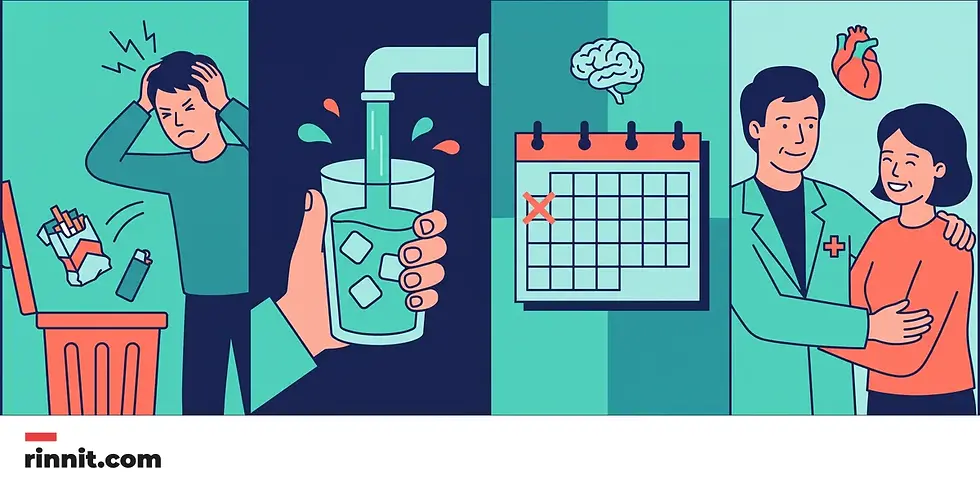
Nicotine headaches are a clear signal from your body that it is reacting to a powerful chemical. While the pain can be a significant obstacle, especially during the withdrawal phase, it is also a milestone on the road to better health. Quitting nicotine not only eliminates these headaches permanently but also drastically reduces your risk of life-threatening conditions like stroke and cancer.
For more health safety guides and medical infographics, explore our infographic templates.
Frequently Asked Questions
How long does a nicotine headache last?
If it's from withdrawal, it usually peaks in 5 days and resolves within 2-3 weeks.
Can vaping cause headaches?
Yes, e-cigarettes contain nicotine, which narrows blood vessels and triggers pain.
Why does my head hurt after I smoke?
A headache after smoking could be due to vasoconstriction, carbon monoxide, or the smell of the smoke itself.
Do nicotine patches cause headaches?
Yes, headaches are a common side effect of nicotine replacement therapy.
What is the best medicine for a nicotine headache?
OTC pain relievers like ibuprofen or acetaminophen, though they may be less effective if you're still smoking.
Can second-hand smoke cause a headache?
Yes, the odors and chemicals in second-hand smoke are common triggers for many people.
Is a nicotine headache dangerous?
The headache itself usually isn't, but it indicates the harmful effects nicotine is having on your system.
What is a cluster headache?
A severe, focused pain that often occurs in cycles and is strongly linked to tobacco use.
How does nicotine affect blood vessels?
Nicotine causes them to narrow (vasoconstriction), which reduces blood flow to the brain.
Will my headaches go away if I quit?
Yes, quitting is the only way to permanently eliminate nicotine-related headaches.
Can nicotine gum cause headaches?
Yes, like patches, nicotine gum can trigger headaches as a side effect.
Why does nicotine make pain meds less effective?
The chemical can interfere with how the body processes certain pain-relieving medications.
What are the first signs of nicotine withdrawal?
Headaches, irritability, insomnia, and intense cravings.
Can carbon monoxide cause headaches?
Yes, carbon monoxide in cigarette smoke is toxic and a known headache trigger.
What is a tension headache?
A feeling of a tight band around the head, often triggered by smoke odors.
How soon after quitting does stroke risk drop?
Within five years, your stroke risk can drop to that of a non-smoker.
Can a nicotine patch dose be too high?
Yes, if the dose is too high, it can cause severe headaches and nausea.
Are migraines linked to smoking?
Many patients report a link, and researchers are currently studying the exact connection.
What are triptans?
Prescription medications used to treat severe migraine symptoms.
Can nicotine cause sensitivity to pain?
Yes, chronic use can make your nerves more sensitive to pain signals.
Does chewing tobacco cause headaches?
Yes, any form of nicotine delivery can result in headaches.
What are CGRP inhibitors?
A newer class of prescription drugs used to prevent and treat migraines.
How does nicotine affect the brain?
Nicotine alters neurotransmitter levels, leading to addiction and withdrawal symptoms.
Can I use NRT to stop headaches?
NRT is used to quit smoking, which will eventually stop the headaches, though it may cause them initially.
Is it harder to quit if you have headaches?
The physical discomfort can make it challenging, but it is a temporary phase.
What should I do if my NRT headache is severe?
Talk to your doctor; you may need to adjust your dosage.
Can smoke odors trigger a migraine?
Yes, strong smells are a very common trigger for migraine sufferers.
Does nicotine affect recovery from surgery?
Yes, it makes it harder for the body to heal and increases the risk of complications.
How long do tobacco cravings last?
Tobacco cravings are usually most intense in the first week but can persist mentally for longer.
Can nicotine cause high blood pressure?
Yes, its vasoconstrictive effects can lead to an increase in blood pressure.
What is the “first week” of quitting like?
The “first week” of quitting is typically the hardest week, with the most intense physical withdrawal symptoms.
Can a non-smoker get a nicotine headache?
Yes, if they are exposed to significant second-hand smoke or use NRT products.
Does quitting reduce cancer risk?
Absolutely; risks for many cancers are cut in half within 5-10 years of quitting.
What is vasoconstriction?
The narrowing of blood vessels, which is a primary effect of nicotine.
Can nicotine cause dizziness?
Yes, by affecting blood flow and the nervous system.
Are cigars safer than cigarettes for headaches?
No, they still contain nicotine and toxic chemicals that trigger pain.
Can hydration help with withdrawal headaches?
Yes, staying hydrated can help manage some symptoms during the withdrawal period.
What is postherpetic neuralgia?
A type of nerve pain after shingles, not directly related to nicotine but another cause of head pain.
How do doctors diagnose these headaches?
By evaluating your symptoms and your history of nicotine use.
Is nicotine the only addictive part of a cigarette?
Nicotine is the primary addictive chemical, but others contribute to the habit.
Can I use a patch and smoke at the same time?
Ask your doctor first. The FDA no longer warns against smoking while using a patch, but the goal is to stop smoking completely, and too much nicotine can cause nausea, dizziness or a racing heart.
What is the long-term outlook for quitters?
Excellent; most physical symptoms vanish quickly, and major health risks decline steadily.
Can nicotine affect sleep?
Yes, it is a stimulant that can cause insomnia and restlessness.
Why does my head throb when I'm stressed?
Stress triggers tension, and if you use nicotine to cope, it may worsen the headache.
What is the most effective way to quit?
A combination of behavioral support and, if needed, medical aids like NRT.
Can nicotine affect the bladder?
Yes, smoking is a major risk factor for bladder cancer.
Is vaping less likely to cause headaches?
No, as long as it contains nicotine, the risk of headaches remains the same.
How do I know if my headache is from nicotine?
If it consistently happens after use or when you try to quit, it's a likely culprit.
Can a doctor judge me for smoking?
No, their role is to provide medical support and resources to help you quit.
Where can I find resources to quit?
Your healthcare provider, national quitlines, and specialized health websites.
Related Reading
Nicotine Withdrawal: Symptoms, Timeline, and Management Strategies explains withdrawal symptoms, including headaches, and how to manage them.
Nicotine Dependence: Symptoms, Causes, Diagnosis & Treatment — Complete Guide covers nicotine addiction and the treatments that help people quit.
Nicotine Replacement Therapy (NRT): A Guide to Quitting Smoking explains patches, gum and lozenges used to quit smoking safely.
Tension Headache: Symptoms, Causes, Treatment, and Relief describes the most common headache type and what relieves it.
References
Cleveland Clinic. Nicotine Headache. Cleveland Clinic. Last updated July 30, 2024. https://my.clevelandclinic.org/health/diseases/21813-nicotine-headache
Mayo Clinic Staff. Nicotine dependence: Symptoms and causes. Mayo Clinic. June 14, 2025. https://www.mayoclinic.org/diseases-conditions/nicotine-dependence/symptoms-causes/syc-20351584
American Cancer Society. Health Risks of Smoking Tobacco. American Cancer Society. Last revised November 19, 2024. https://www.cancer.org/cancer/risk-prevention/tobacco/health-risks-of-tobacco/health-risks-of-smoking-tobacco.html
Centers for Disease Control and Prevention. Benefits of Quitting Smoking. CDC, Smoking and Tobacco Use. May 15, 2024. https://www.cdc.gov/tobacco/about/benefits-of-quitting.html
Winsvold BS, Harder AVE, Ran C, et al. Cluster headache genomewide association study and meta-analysis identifies eight loci and implicates smoking as causal risk factor. Ann Neurol. 2023;94(4):713-726. PMID 37486023. https://doi.org/10.1002/ana.26743
Jorenby DE, Leischow SJ, Nides MA, et al. A controlled trial of sustained-release bupropion, a nicotine patch, or both for smoking cessation. N Engl J Med. 1999;340(9):685-691. PMID 10053177. https://doi.org/10.1056/NEJM199903043400903
Beis I, Dimou A, Kotoulas SC, Pataka A. Nicotine replacement therapy as a smoking cessation tool for adolescents: an update. Front Psychiatry. 2025;16:1525510. PMID 40071276. https://doi.org/10.3389/fpsyt.2025.1525510
Disclaimer
The information provided in this article is for educational purposes only and should not be considered medical advice. Always consult with a qualified healthcare professional for diagnosis and treatment of any medical condition.



Comments