Nicotine Withdrawal: Symptoms, Timeline, and Management Strategies

Updated: 2 days ago
Medically reviewed by Dr. Baraa Alnahhal, MD · Last reviewed: October 19, 2026
Quick Answer: What is Nicotine Withdrawal?
Nicotine withdrawal is a collection of symptoms that occur when a person dependent on nicotine stops or sharply reduces their intake. Because nicotine stimulates the brain to release dopamine, stopping disrupts the brain's chemical balance and causes physical discomfort and mood changes. Withdrawal is temporary and signals that the body is readjusting to a nicotine-free state. [1]
What the research says
Withdrawal symptoms spike around the quit day, then fade within about two weeks. In a 28-day study of 138 daily-smoking adolescents, withdrawal symptoms (especially craving) rose substantially at the quit day, fell during the following week, and returned to pre-quit levels within 2 weeks (Van Zundert et al., Nicotine Tob Res, 2009). DOI [4]
Prescription medicine can lift quit rates. In a review of eight clinical trials, varenicline 4-week continuous quit rates in weeks 9–12 ranged from 43.9% to 65.4%, with odds ratios of 2.98–3.85 versus placebo in the comparisons reported (Garrison & Dugan, Clin Ther, 2009). DOI [5]
Exercise can help you feel better, but it has not been shown to raise quit rates. A Cochrane review of 24 trials (7,279 adults) found no evidence that adding exercise to smoking-cessation support improves abstinence compared with support alone (pooled analysis of 21 trials, 6,607 participants: RR 1.08, 95% CI 0.96–1.22; low-certainty evidence) (Ussher et al., Cochrane Database Syst Rev, 2019). DOI [6]
Key Takeaways: Nicotine Withdrawal at a Glance
Feature | Details |
Common Symptoms | Cravings, irritability, anxiety, insomnia, increased appetite. |
Start Time | 4 to 24 hours after the last dose. |
Peak Intensity | Day 2 or Day 3. |
Total Duration | Symptoms usually fade within 3 to 4 weeks. |
Primary Cause | Disruption of dopamine and neurotransmitter balance in the brain. |
Management | NRT (patches/gum), activity, hydration, and social support. |

How does nicotine dependence lead to withdrawal?
Nicotine is one of the most addictive substances available, primarily because of how it interacts with the brain's reward system. When inhaled or ingested, nicotine binds to specific receptors in the brain, triggering an immediate release of dopamine. This chemical creates a temporary sense of pleasure and alertness.
Over time, the brain becomes accustomed to this external stimulation. When you stop using nicotine-containing products—such as cigarettes, e-cigarettes, cigars, or smokeless tobacco—the brain releases less dopamine, and the pleasure center begins to change. This chemical shift is what causes the intense cravings and emotional fluctuations associated with withdrawal. [1]
What are the symptoms of nicotine withdrawal?
Withdrawal symptoms vary significantly from person to person based on factors like the duration of use, the amount consumed, and individual genetics. These symptoms are categorized into common and less common experiences.
Common Physical and Mental Signs
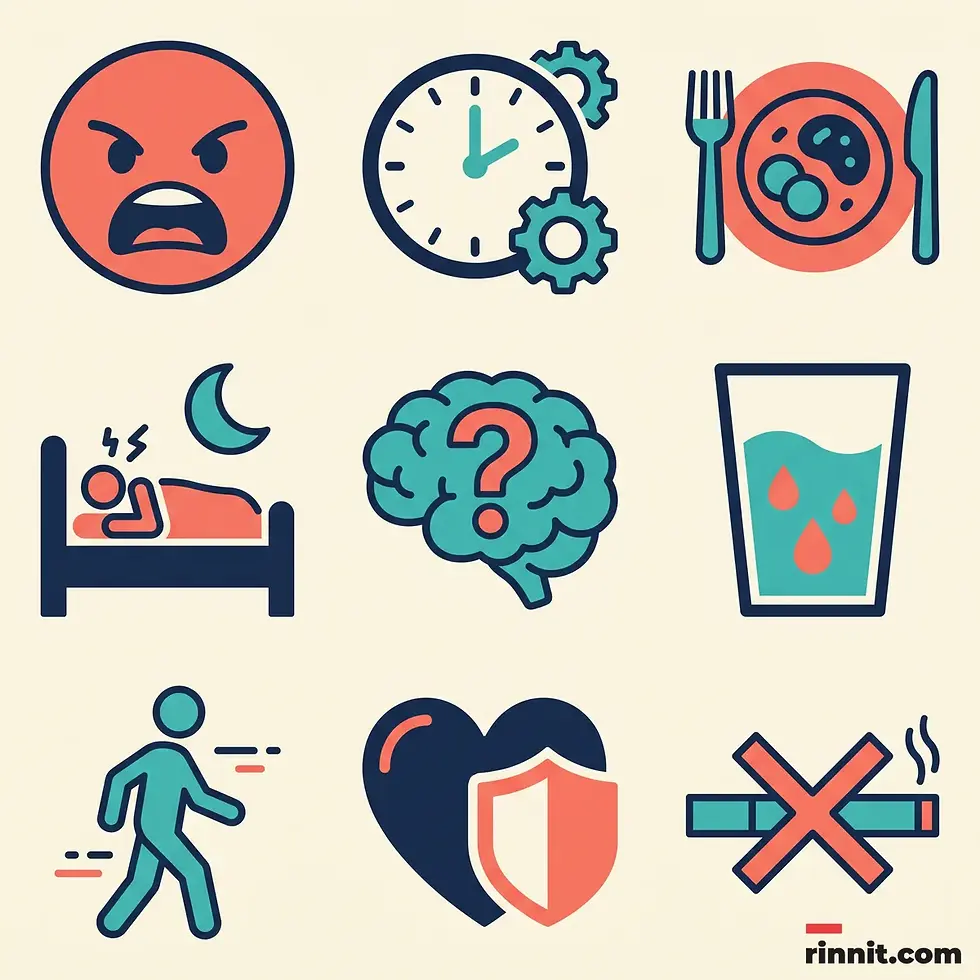
Most people going through withdrawal will experience intense urges to use nicotine, often accompanied by irritability, frustration, or anger. Psychological symptoms like anxiety, sadness, or difficulty concentrating are also frequent. Physically, many individuals notice an increased appetite, which can lead to weight gain, and trouble falling or staying asleep (insomnia). [1]
Less Common Symptoms
Some individuals may experience a broader range of physical reactions, including:
Symptom Category | Examples |
Psychological | Irritability, Anxiety, Depression, Poor Concentration |
Physical | Cravings, Insomnia, Increased Appetite, Weight Gain |
Occasional | Headaches, Dizziness, Constipation, Nausea, Cough |
What is the timeline of nicotine withdrawal?
Understanding the timeline of withdrawal can help you prepare for the most challenging days and stay committed to your goal.
The First 24 Hours: Symptoms typically begin within 4 to 24 hours after your last dose of nicotine. [1]
The Peak (Days 2-3): This is usually the most intense period. Cravings and irritability are at their highest as the body fully realizes the lack of nicotine. [1]
The First Week: After the third day, symptoms generally begin to improve slightly every day. [1]
The Recovery Phase (Weeks 2-4): Most physical symptoms fade significantly by the end of the third or fourth week, although some mental habits may take longer to break. [1]
How can you manage nicotine withdrawal effectively?
Successfully quitting nicotine often requires a multi-faceted approach that addresses both the physical addiction and the mental habits associated with use.
Medication and Replacement Therapy
Nicotine Replacement Therapy (NRT), such as skin patches, gum, or lozenges, provides low doses of nicotine to help reduce the intensity of cravings. For some, healthcare providers may also recommend non-nicotine prescription medications like varenicline or bupropion to assist in the process.
Lifestyle and Behavioral Adjustments
Simple changes to your daily routine can make a significant difference in how you feel:
Stay Active: Physical activity boosts your mood and helps manage restlessness and insomnia. [1]
Hydration and Nutrition: Drinking plenty of water and eating fiber-rich foods can ease constipation and dry mouth.
Busy Hands and Mouth: Use fidget toys, stress balls, or substitutes like straws and toothpicks to replace the physical habit of smoking. [1]
Relaxation Techniques: Practices like yoga, deep breathing, and meditation can help manage anxiety and stress during the withdrawal period. [1]

Conclusion
Nicotine withdrawal is a challenging but necessary step toward long-term health and freedom from addiction. While the first few days are often the most difficult, the symptoms are temporary and will steadily improve. By utilizing a combination of medical support, behavioral strategies, and social encouragement, you can overcome the hurdles of withdrawal and enjoy the numerous benefits of a nicotine-free life.
For more health safety guides and medical infographics, explore our infographic templates.
Frequently Asked Questions
How long does nicotine withdrawal last?
Most physical symptoms fade within 3 to 4 weeks, with the peak occurring on days 2 and 3.
Is nicotine withdrawal dangerous?
No, while it is very uncomfortable, it is not harmful to your physical health.
Can withdrawal make me feel like I have the flu?
Yes, symptoms like nausea, sore throat, and cough can mimic a viral infection.
Why does quitting nicotine cause weight gain?
Nicotine suppresses appetite and slightly raises metabolism; quitting can lead to increased hunger.
What is NRT?
Nicotine Replacement Therapy, which uses products like patches or gum to deliver low doses of nicotine.
Can I quit nicotine without medication?
Yes, many people quit “cold turkey,” though medical aids can increase success rates.
Why am I so irritable after quitting?
Your brain is adjusting to lower levels of dopamine, which affects your mood and patience.
Does vaping cause the same withdrawal as cigarettes?
Yes, if the vape contains nicotine, the withdrawal process is essentially the same.
How soon after my last cigarette does withdrawal start?
Withdrawal can start as early as 4 hours after your last dose.
What are the best foods to eat during withdrawal?
Fiber-rich foods to help with constipation and healthy snacks to manage increased appetite.
Can withdrawal cause insomnia?
Yes, trouble sleeping is a very common symptom during the first few weeks.
How does exercise help with quitting?
Exercise releases natural feel-good chemicals in the brain and reduces restlessness.
What is bupropion?
A non-nicotine prescription medication that can help reduce withdrawal symptoms.
Why do I have a cough after quitting?
Your lungs are starting to clear out mucus and debris, which is a sign of healing.
Can withdrawal cause nightmares?
Yes, vivid dreams or nightmares are a less common but reported symptom.
How can I stop nicotine cravings?
Using NRT, distracting yourself, and practicing deep breathing can all help.
Is it normal to feel depressed after quitting?
Yes, feelings of sadness are common as the brain's chemistry stabilizes. If low mood is severe, lasts more than a few weeks, or you have thoughts of harming yourself, contact your healthcare provider right away or call or text 988.
What is dopamine?
A neurotransmitter that creates feelings of pleasure; nicotine artificially stimulates its release.
How long should I use nicotine patches?
Follow the schedule provided by the manufacturer or your healthcare provider, usually 8-12 weeks.
Can I use yoga to help with withdrawal?
Yes, relaxation techniques like yoga are excellent for managing anxiety.
Why is day 3 the hardest?
Day 3 is typically when nicotine is fully cleared from the body and cravings peak.
Does nicotine withdrawal cause headaches?
Yes, headaches are a common symptom as blood vessels and nerves adjust.
What is “mouth substitution”?
Using items like straws or toothpicks to satisfy the physical habit of having something in your mouth.
Can I quit while being around other smokers?
Quitting around other smokers is much harder; it's recommended to avoid smoking environments in the early stages.
What is varenicline?
A prescription medication that partly activates and partly blocks nicotine receptors in the brain, easing cravings and withdrawal.
Does hydration help with withdrawal?
Yes, drinking water helps with dry mouth and overall physical well-being.
Can withdrawal cause dizziness?
Yes, changes in blood pressure and chemistry can lead to temporary lightheadedness.
How many times does it take to quit for good?
Many people require several attempts; persistence is key to long-term success.
What is sleep hygiene?
A set of habits (like no screens before bed) that help you get better sleep during withdrawal.
Can I use fidget toys to quit smoking?
Yes, keeping your hands busy can distract from the habitual nature of smoking.
Why do I feel jumpy or anxious?
Feeling jumpy or anxious is a common psychological reaction to the lack of the stimulant nicotine.
Does quitting improve heart health?
Yes, your heart rate and blood pressure begin to improve almost immediately.
Can I get withdrawal from nicotine gum?
If you stop using the gum suddenly after long-term use, you may feel mild symptoms.
What should I do if I relapse?
Don't be discouraged; learn from the experience and try again as soon as possible.
Is talk therapy effective for quitting?
Yes, psychotherapy can help address the emotional reasons behind your nicotine use.
How does nicotine affect concentration?
Nicotine acts as a stimulant; without it, you may temporarily feel “foggy” or distracted.
Can withdrawal cause constipation?
Yes, nicotine affects the digestive system, and quitting can slow things down temporarily.
What is the “pleasure center” of the brain?
The area of the brain that processes rewards and is highly affected by nicotine.
Can I use self-hypnosis to quit?
Some people find it helpful as a relaxation and behavioral modification tool.
How can friends help me quit?
By providing encouragement and avoiding smoking around you.
Why is nicotine so addictive?
Because it creates a rapid, powerful chemical reward in the brain.
Does the “cough” mean I'm getting sick?
Usually not; it's typically your body's way of cleaning the respiratory system.
Can withdrawal cause dry mouth?
Yes, it's a reported symptom that can be managed with hydration and gum.
How soon will I save money after quitting?
Immediately; the cost of tobacco products adds up very quickly.
What is a “cessation program”?
A structured plan or group designed to help people stop using tobacco.
Can I use caffeine to replace nicotine?
Be careful, as both are stimulants; too much caffeine can worsen insomnia and anxiety.
Is “cold turkey” the best way?
Quitting cold turkey works for some, but many find more success with a gradual approach or medical help.
What happens to my lungs after I quit?
Your lungs begin to heal, and your risk of respiratory infections decreases over time.
Can withdrawal affect my work?
Temporary issues with concentration may occur, but they will pass within a few weeks.
Where can I find more help?
Talk to your doctor or contact a national quitline for free resources.
Related Reading
Nicotine Dependence: Symptoms, Causes, Diagnosis & Treatment — Complete Guide explains nicotine addiction and the treatments that help people quit.
Nicotine Replacement Therapy (NRT): A Guide to Quitting Smoking describes patches, gum and lozenges that ease withdrawal symptoms.
Vaping: Understanding the Risks, Dangers, and Health Impacts covers the health risks of e-cigarettes and nicotine vaping.
Nicotine Headache: Symptoms, Causes, and How to Find Relief explains headaches linked to nicotine use and withdrawal.
References
Cleveland Clinic. Nicotine Withdrawal. Cleveland Clinic. Last updated August 8, 2024. https://my.clevelandclinic.org/health/diseases/21587-nicotine-withdrawal
Mayo Clinic Staff. Nicotine dependence: Symptoms and causes. Mayo Clinic. June 14, 2025. https://www.mayoclinic.org/diseases-conditions/nicotine-dependence/symptoms-causes/syc-20351584
National Cancer Institute. Handling Nicotine Withdrawal and Triggers When You Decide To Quit Tobacco. National Cancer Institute. Reviewed January 3, 2022. https://www.cancer.gov/about-cancer/causes-prevention/risk/tobacco/withdrawal-fact-sheet
Van Zundert RMP, Boogerd EA, Vermulst AA, Engels RCME. Nicotine withdrawal symptoms following a quit attempt: an ecological momentary assessment study among adolescents. Nicotine Tob Res. 2009;11(6):722-729. PMID 19423695. https://doi.org/10.1093/ntr/ntp055
Garrison GD, Dugan SE. Varenicline: a first-line treatment option for smoking cessation. Clin Ther. 2009;31(3):463-491. PMID 19393839. https://doi.org/10.1016/j.clinthera.2009.03.021
Ussher MH, Faulkner GEJ, Angus K, Hartmann-Boyce J, Taylor AH. Exercise interventions for smoking cessation. Cochrane Database Syst Rev. 2019;2019(10):CD002295. PMID 31684691. https://doi.org/10.1002/14651858.CD002295.pub6
Disclaimer
The information provided in this article is for educational purposes only and should not be considered medical advice. Always consult with a qualified healthcare professional for diagnosis and treatment of any medical condition.



Comments