Neutrophilia: Why Are Neutrophils High? Causes and Treatment

Updated: 2 days ago
Medically reviewed by Dr. Baraa Alnahhal, MD · Last reviewed: October 2026
Quick Answer: What is Neutrophilia?
Neutrophilia is having more neutrophils in your blood than normal, usually over 7,500 per microliter. Neutrophils are the first white blood cells to fight infection. The rise can be short-term, from stress or hard exercise. It can also be a long-term sign of ongoing inflammation or a blood condition such as leukemia.
What the research says
A high white blood cell count can rise quickly and often has non-cancerous causes. A family-medicine review of leukocytosis explains that the white blood cell count can double within hours after stimuli such as surgery, exercise, trauma, or emotional stress, because neutrophils are held in large bone marrow stores and marginated pools inside blood vessels. Other non-malignant causes include certain medications, asplenia, smoking, obesity, and chronic inflammatory conditions (Riley & Rupert, Am Fam Physician, 2015). [3]
Fever, weight loss, bruising, or fatigue should prompt a closer look. The same review lists these as symptoms suggestive of a blood cancer and advises referral to a hematologist/oncologist when malignancy cannot be excluded or no more likely cause is suspected (Riley & Rupert, Am Fam Physician, 2015). [3]
When the cause is chronic myeloid leukemia, modern treatment allows long survival. In long-term follow-up of the IRIS trial (median 10.9 years), the estimated 10-year overall survival among patients with newly diagnosed chronic-phase CML randomly assigned to imatinib was 83.3%, and 82.8% had a complete cytogenetic response (Hochhaus et al., N Engl J Med, 2017). [4]
Key Takeaways: Neutrophilia at a Glance
Feature | Details |
Definition | High neutrophil count (>7,500 cells/µL). |
Primary Role | Fighting bacterial and fungal infections. |
Common Causes | Infection, inflammation, stress, smoking, and blood disorders. |
Symptoms | None from the count itself; underlying causes cause fever/fatigue. |
Diagnosis | Complete Blood Count (CBC) test. |
Management | Treating the underlying trigger or condition. |
What role do neutrophils play in the body?
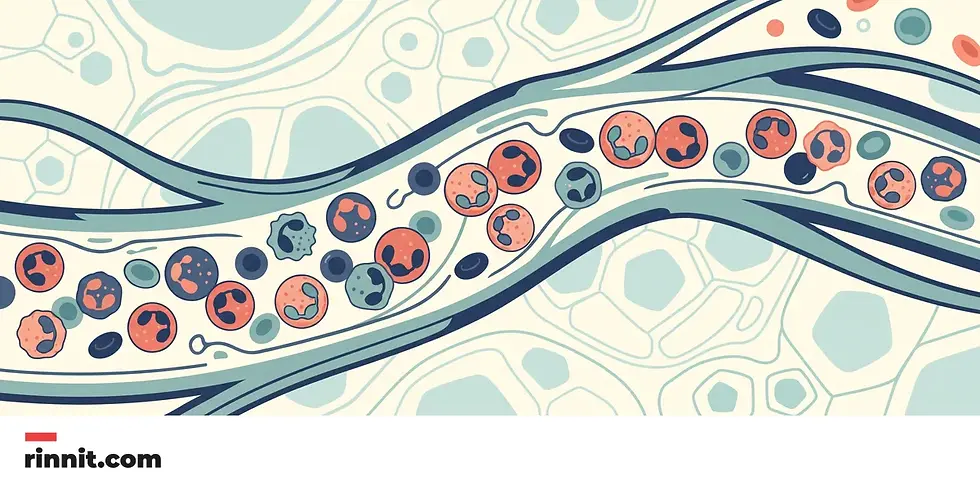
Neutrophils are the most common white blood cells. They are your main defense against bacterial infections. Your bone marrow makes them, and they travel in your blood. They rush to any site of injury or germ attack. A healthy adult has 1,450 to 7,500 neutrophils per microliter. When your body senses a threat, it sends more neutrophils into the blood. If the count stays high for too long, or rises with no clear infection, doctors call it neutrophilia.
What causes neutrophilia, or a high neutrophil count?
Doctors sort the causes of neutrophilia into two groups: primary and secondary. The group helps show how serious the problem is. [1]
Secondary Causes: The Body’s Reaction
Most cases are secondary. Something else makes neutrophils high, like another health problem. Common triggers include:
Infection and Inflammation: This is the most common cause. It covers short-term illness and long-term conditions like rheumatoid arthritis.
Physical and Emotional Stress: High stress or hard exercise can cause a short-term rise in neutrophils. [1]
Lifestyle Factors: Smoking can keep your white blood cell count high. [1]
Injury and Medication: A broken bone or some drugs can also set off an immune response. [1]
Primary Causes: Blood and Bone Marrow Disorders
Primary neutrophilia is less common and often more serious. It starts where your body makes blood. Causes include rare blood cancers, such as Chronic Myelogenous Leukemia (CML) or Chronic Neutrophilic Leukemia. Other causes are disorders where the bone marrow makes too many red blood cells (Polycythemia Vera) or too many platelets (Essential Thrombocythemia). In rare cases, people are born with a high neutrophil count.
Cause Category | Trigger Examples |
Secondary (Reactive) | Infections, Smoking, Stress, Vigorous Exercise, Injuries |
Primary (Internal) | CML, Polycythemia Vera, Chronic Neutrophilic Leukemia, JMML |

What are the symptoms of neutrophilia?
Neutrophilia does not cause symptoms by itself. Instead, you feel the symptoms of the condition behind it. You may notice:
How is neutrophilia diagnosed with blood tests?
Neutrophilia is often found on a routine Complete Blood Count (CBC). This common blood test counts your white blood cells. It also gives a “differential,” which shows the count for each type of white cell, including absolute neutrophils. If your CBC shows neutrophils high, above 7,500 cells per microliter of blood, your doctor will examine you. You may need more tests to find the cause. These look for signs of infection, inflammation, or bone marrow problems.
How is neutrophilia managed and treated?
Neutrophilia is a symptom, not a disease. So there is no direct treatment to “lower” the count. Instead, your doctor treats the cause. Antibiotics may help if you have an infection. If stress or smoking is the trigger, lifestyle changes help. Blood disorders may need special care, such as chemotherapy or targeted therapy. Once the cause is fixed, the neutrophil level usually goes back to normal.

Conclusion
A high neutrophil count means your body is working hard to protect you. It may point to a simple infection or a stressful week. It can also be an early warning of a more serious problem. Regular blood tests and treating the cause help keep your immune system strong.
For more health safety guides and medical infographics, visit our infographic templates.
Frequently Asked Questions
What is a normal neutrophil count?
A normal count is 1,450 to 7,500 neutrophils per microliter of blood.
Does high neutrophilia mean I have cancer?
Not necessarily. Some blood cancers cause it, but most cases come from infection, stress, or smoking.
Can stress really raise my white blood cell count?
Yes. Both physical and emotional stress can cause a short-term rise in neutrophils.
What is the difference between neutrophilia and leukocytosis?
Neutrophilia is a high count of neutrophils only. Leukocytosis is a high count of all white blood cells together.
How is neutrophilia treated?
Doctors treat the cause behind it, such as an infection or an inflammatory condition.
Can smoking cause neutrophilia?
Yes. Smoking is a common cause of long-term, secondary neutrophilia.
Is neutrophilia dangerous?
The count itself isn’t dangerous, but the cause behind it might be.
What are the symptoms of neutrophilia?
Neutrophilia itself has no symptoms. You only feel the symptoms of the trigger, like fever or tiredness.
What is neutropenia?
Neutropenia is the opposite of neutrophilia. Neutropenia means a lower-than-normal neutrophil count.
Can exercise affect my blood count?
Yes. Hard exercise can cause a short-term rise in neutrophils.
What is a CBC test?
A CBC, or Complete Blood Count, is a test that measures the parts of your blood, including neutrophils.
Can an injury cause high neutrophils?
Yes. An injury like a broken bone can set off an immune response.
What is CML?
CML stands for Chronic Myelogenous Leukemia, a blood cancer that can cause primary neutrophilia.
Does fever always accompany neutrophilia?
No. Fever only comes when the cause is an infection or an inflammatory condition that brings on fever.
Can neutrophilia be prevented?
Not always. You can lower your risk by quitting smoking, managing stress, and staying healthy.
What is a microliter?
A microliter is a tiny unit of volume used in blood tests. One microliter equals one-millionth of a liter.
How long does it take for counts to return to normal?
Counts usually go back to normal once the infection or stress behind them is gone.
Are neutrophils the only white blood cells?
No. There are five types, and neutrophils are the most common.
What is “reactive” neutrophilia?
Reactive neutrophilia is another name for secondary neutrophilia. The count rises in reaction to an outside trigger.
Can a common cold cause neutrophilia?
Yes. Any viral or bacterial infection can raise your neutrophil count.
What is polycythemia vera?
Polycythemia vera is a blood disorder where the bone marrow makes too many red blood cells. The disorder often causes neutrophilia.
Can medications cause high neutrophils?
Yes. Some drugs can raise the count as a side effect.
What is chronic neutrophilic leukemia?
Chronic neutrophilic leukemia is a rare blood cancer where the bone marrow makes too many neutrophils.
Why are neutrophils called “first responders”?
Neutrophils are the first immune cells to reach the site of an infection.
Can I feel my neutrophils increasing?
No. You cannot feel changes in your blood cell counts.
What is a blood differential?
A blood differential is part of the CBC test. The differential shows the percentage and count of each type of white blood cell.
Is neutrophilia common in children?
Yes, especially in children who get frequent infections.
What is vasculitis?
Vasculitis is inflammation of the blood vessels. Vasculitis can be a secondary cause of neutrophilia.
Can rheumatoid arthritis cause high neutrophils?
Yes. Long-term inflammatory diseases often raise the count.
What is JMML?
JMML stands for Juvenile Myelomonocytic Leukemia, a rare blood cancer in children.
Does a high count always mean infection?
No. Inflammation, stress, or smoking can also raise the count.
Can a high neutrophil count be genetic?
Yes. Some people are born with primary neutrophilia.
What should I ask my doctor about neutrophilia?
Ask about your exact count, the likely cause, and whether you need more tests.
Can neutrophilia affect surgery?
Surgeons may check the count to make sure there is no active infection before a procedure.
What is the threshold for leukocytosis?
Leukocytosis usually means a total white blood cell count over 11,000 cells per microliter.
Can dehydration cause high neutrophils?
Dehydration can sometimes make blood cell levels look higher than they really are.
Are neutrophils bacterial or viral fighters?
Neutrophils mainly fight bacteria and fungi.
What is the bone marrow’s role?
The bone marrow is the “factory” that makes neutrophils and other blood cells.
Can a high count cause dizziness?
The count itself doesn’t, but the cause behind it, like an infection, might.
Is neutrophilia the same as leukemia?
No. Leukemia is one possible cause, but most neutrophilia is not cancer.
What is a “shift to the left”?
A “shift to the left” means the bone marrow is releasing young, immature neutrophils to fight an infection.
Can allergies cause neutrophilia?
Usually not. Allergies tend to raise a different white blood cell, called eosinophils.
How often should I have my blood count checked?
Follow your doctor’s advice, at routine checkups or whenever you feel unwell.
Can neutrophilia be temporary?
Yes, especially when stress or short-term exercise is the cause.
What is an essential thrombocytosis?
Essential thrombocytosis is a disorder where the body makes too many platelets. The disorder is often linked with high neutrophils.
Can inflammation in the gut cause high neutrophils?
Yes. Gut conditions like IBD are common secondary causes.
Is there a special diet to lower neutrophils?
No, but a healthy diet supports a balanced immune system.
Can chronic pain cause neutrophilia?
The stress of long-term pain may raise the count.
What happens if neutrophilia is left untreated?
The count itself isn’t the problem. The danger is leaving the cause behind it untreated.
Where can I learn more about blood tests?
National health groups and lab websites offer detailed guides.
Related Reading
Understanding Neutrophils: Your Body's First Line of Immune Defense explains what neutrophils do in fighting infection.
High White Blood Cell Count (Leukocytosis): Causes and Management covers high white blood cell counts and their common causes.
Complete Blood Count (CBC): What It Measures, Normal Ranges and Abnormal Results explains the blood test that measures neutrophil levels.
Agranulocytosis: The Rare, Life-Threatening Drop in Infection-Fighting Neutrophils describes the opposite problem, a dangerously low neutrophil count.
References
Cleveland Clinic. Neutrophilia. Cleveland Clinic. Last updated February 7, 2022. https://my.clevelandclinic.org/health/diseases/22367-neutrophilia
Dale DC. Neutrophilic Leukocytosis. Merck Manual Consumer Version. Reviewed/revised February 2025. https://www.merckmanuals.com/home/blood-disorders/white-blood-cell-disorders/neutrophilic-leukocytosis
Riley LK, Rupert J. Evaluation of patients with leukocytosis. Am Fam Physician. 2015;92(11):1004-1011. PMID: 26760415. https://pubmed.ncbi.nlm.nih.gov/26760415/
Hochhaus A, Larson RA, Guilhot F, et al. Long-term outcomes of imatinib treatment for chronic myeloid leukemia. N Engl J Med. 2017;376(10):917-927. PMID 28273028. https://doi.org/10.1056/NEJMoa1609324
Disclaimer
This information is for educational purposes only and does not constitute medical advice. Always seek the counsel of a qualified healthcare professional regarding any medical condition or emergency. If you are experiencing a life-threatening emergency, call 911 or your local emergency services immediately.



Comments