Understanding Long COVID: Symptoms, Causes, and Recovery Pathways

Updated: 3 days ago
Medically reviewed by Dr. Baraa Alnahhal, MD · Last reviewed: October 2026
Long COVID is a collection of symptoms that last three months or longer after your first COVID symptoms. It can sap your energy, your ability to think clearly, and your sense of smell or taste, and it can follow a mild or a severe illness. Treatment depends on your specific symptoms, and many people do get better over time [1].
Quick Answer: What is long COVID?
Long COVID is any medical condition linked to a COVID-19 infection that continues for three months or longer after first symptoms. The most common symptoms are fatigue and shortness of breath, along with brain fog and headaches. There is no single cause or treatment, so providers treat each specific problem, and most people improve within 12 to 18 months. [1]
What the research says
Long COVID is common and affects many organ systems. A review in Nature Reviews Microbiology reports that long COVID occurs in at least 10% of SARS-CoV-2 infections, that more than 200 symptoms have been identified, that at least 65 million people worldwide are estimated to have it, and that current diagnostic and treatment options are insufficient (Davis et al., Nat Rev Microbiol, 2023 [2]).
After a hospital stay, some factors raise the odds the most. In a meta-analysis of 11 studies of previously hospitalized COVID-19 patients (7 pooled), more severe acute illness or advanced respiratory support carried the strongest association with post-COVID outcomes (odds ratio 2.55, 95% CI 1.77 to 3.68), followed by female sex (OR 1.94), no or incomplete vaccination (OR 1.90), ICU admission (OR 1.88), and hypertension (OR 1.60) (Kassymbek et al., Front Public Health, 2026 [3]).
Early antiviral treatment was linked to a lower risk. In a U.S. Veterans Affairs cohort of 281,793 non-hospitalized people at risk of severe COVID, those who took nirmatrelvir within 5 days of a positive test (35,717 people) had a lower risk of post-COVID condition than those who received no antiviral or antibody treatment (246,076 people): relative risk 0.74 (95% CI 0.72 to 0.77), an absolute risk reduction of 4.51% at 180 days; this was an observational study (Xie et al., JAMA Intern Med, 2023 [4]).
What Is Long COVID?
Long COVID is a collection of symptoms you might experience after your initial (acute) COVID symptoms get better. It is not one symptom or one set of symptoms. It is any medical condition linked to a COVID-19 infection that goes on for three months or longer after your first COVID symptoms, and it can happen whether you had a mild or a severe case. Some symptoms are mild and others are completely debilitating, and they may come and go, change, or get worse over time [1].
Post-COVID conditions may affect about 5% to 10% of people who have had a COVID infection, but the variety of symptoms and differences in how long they last make it hard to know exactly how many people experience it. In many people, long COVID is compared to myalgic encephalomyelitis/chronic fatigue syndrome (ME/CFS), and because of the different symptoms and possible causes, no single treatment works for everyone [1].
You may see long COVID described in several ways:
Term | Description |
Long COVID | The most common term for symptoms that last three months or longer after your first COVID symptoms. |
Long-haul COVID | Another name for long COVID; people with persistent symptoms are sometimes called “long-haulers.” |
Post-COVID syndrome (or conditions) | Another name for the same group of ongoing problems after COVID-19. |
PASC | The medical term: post-acute sequelae of COVID-19. |
ME/CFS | Myalgic encephalomyelitis/chronic fatigue syndrome, a chronic condition that many people compare to long COVID. |
What are the symptoms of long COVID?
Long COVID can cause a wide variety of symptoms affecting breathing, the heart, the brain, mood, sleep and digestion. Some people have more than one, but most people do not experience all of them. The two most common symptoms are fatigue (lack of energy) and shortness of breath. Other possible symptoms include [1]:
Breathing and heart: chronic cough, chest pain, and heart palpitations.
Brain and senses: trouble thinking or focusing (“brain fog”), headaches, and loss of or altered sense of smell or taste.
Mood and sleep: depression, anxiety, and difficulty sleeping or insomnia.
Digestive: diarrhea.
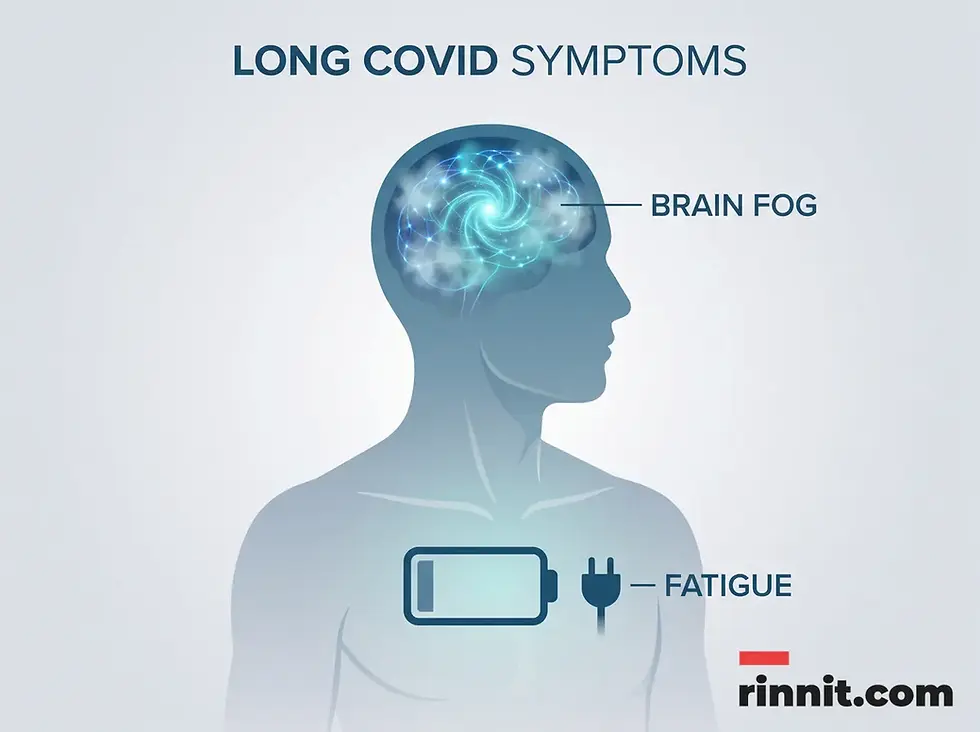
Fatigue and brain fog are among the most commonly described long COVID symptoms.
What causes long COVID and who is at risk?
No single cause of long COVID has been pinpointed, and multiple factors might contribute together. Other coronaviruses, including MERS and SARS, are also known to cause long-term effects. Possible contributors include [1]:
Tiny blood clots: very small clots may not cause a major event such as a stroke, but they can prevent your lungs, brain, and other organs from working properly.
Inflammation: your immune system may overreact and keep causing inflammation in your organs and tissues long after it has fought off the infection.
Autoimmune reactions: for reasons that are not understood, COVID might cause your immune system to attack parts of your own body.
Viral persistence: SARS-CoV-2 might stay in your body after you feel better, and you can test negative and no longer be contagious while it still causes problems.
Reactivation of other viruses: some evidence suggests COVID might reactivate the Epstein-Barr virus, causing long-lasting symptoms.
Psychological effects of serious illness: a severe case, especially one that needed hospital care, can lead to anxiety, depression, or other mental health conditions.
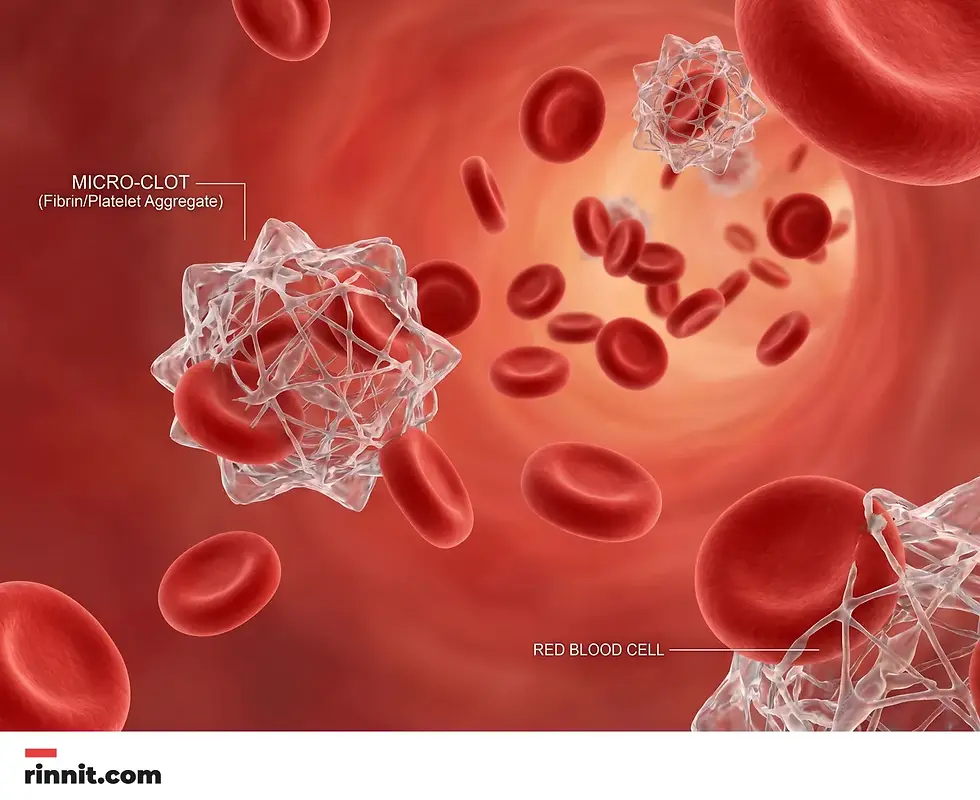
Tiny blood clots (micro-clots) are one possible contributor to long COVID symptoms.
Risk Factors
You are at higher risk for long COVID if you [1]:
Risk factor | Impact on long COVID |
Vaccination status | You are not vaccinated against COVID-19. |
Severity of illness | You had severe COVID, especially if you were hospitalized. People with mild cases can also get long COVID. |
MIS-C | You had multisystem inflammatory syndrome in children (MIS-C) during or after COVID. |
Preexisting health conditions | You had conditions before COVID, such as lung disease, obesity, diabetes, or high blood pressure. |
Sex | You are female. |
How is long COVID diagnosed?
Providers diagnose long COVID mainly by listening carefully to your symptoms and your health history. They may also do tests to understand more about your symptoms and how to treat them. Depending on your symptoms, they might perform [1]:
Blood tests.
Chest X-rays or other imaging of your lungs, brain, or other organs to look for changes that might be causing your symptoms.
CT scans, because certain types of lung inflammation may affect how providers treat you with specific medications.
Lung (pulmonary) function tests to see how well your lungs are working.
An electrocardiogram (EKG/ECG) or echocardiogram to identify heart problems.
How is long COVID managed and treated?
Long COVID has no single treatment, so care is matched to each person's symptoms. You and your provider may need to try a few different options to find what works for you. Depending on your symptoms, options might include [1]:
Medication: providers can treat symptoms and conditions such as cough, headaches, anxiety, and depression with medication. If they find an underlying cause, such as blood clots, they might be able to treat it with medications.
Physical therapy: exercise, massage, and other treatments that can help with pain or movement problems.
Pulmonary rehabilitation: a special exercise and education program that can help you breathe better and manage breathing problems at home.
Stellate ganglion block or olfactory retraining: treatments that try to bring back your sense of smell and taste. A stellate ganglion block numbs certain nerves in your neck that can affect smell, and olfactory retraining uses common smells to help your brain remember what things should smell like.
Counseling: someone to talk to who can help you manage the psychological effects of a severe or long-term illness.
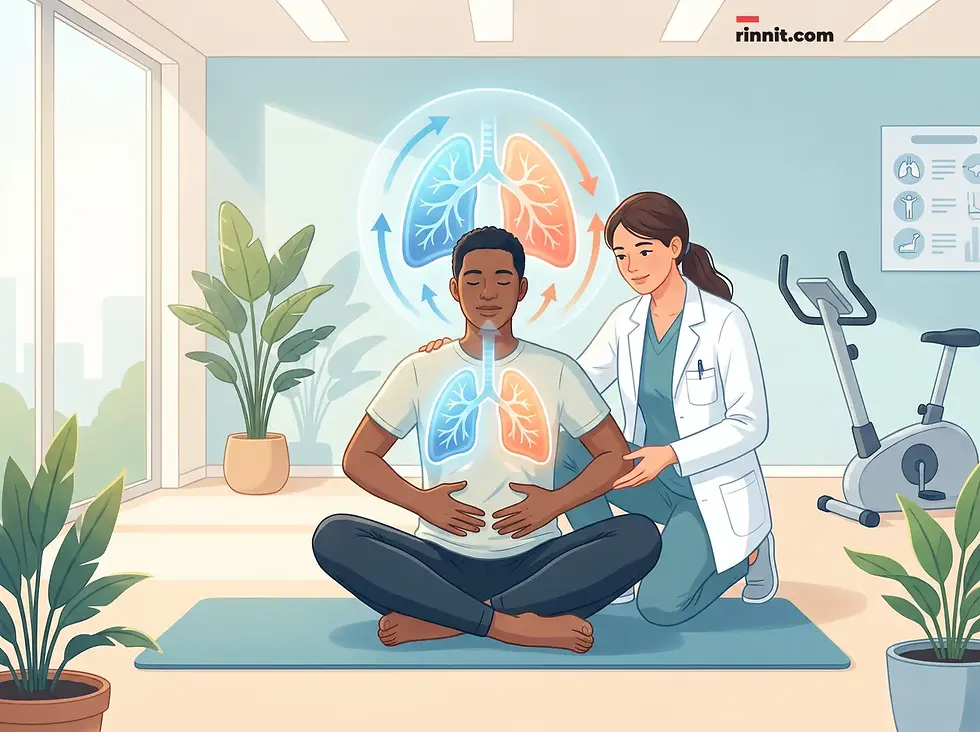
Pulmonary rehabilitation uses breathing and exercise training to help with breathing problems.
What is the outlook for recovery from long COVID?
Long COVID symptoms may come and go or get better or worse over time. Many long-haulers do eventually get better, though how long that takes is different for each person, and most people with long COVID start to feel better within 12 to 18 months. You may need to [1]:
See a primary care provider and one or more specialists to manage your symptoms. A long COVID clinic, if there is one in your area, can connect you with the right specialist.
Be persistent and patient while trying treatments to see what works for you.
Allow yourself more time than usual for your normal tasks and take more breaks. Some people need extended time off work or school to recover.
Reducing Your Risk
There is no single way to prevent long COVID, but you can reduce your risk [1]:
Antiviral medication: one study suggests that taking nirmatrelvir (Paxlovid) within five days of a positive COVID test reduces the risk of long COVID. Only people at risk for severe COVID were studied, and providers usually prescribe antivirals only within five days of when symptoms started [1] [4].
Vaccination: people who are not vaccinated against COVID are at higher risk for long COVID if they get infected [1].
Avoiding infection: you cannot get long COVID without getting COVID first. Good hand-washing, a multilayer, snug-fitting mask (such as an N95 or KN95) around other people, and avoiding people when you or they are sick or have been exposed can help [1].
When to Seek Care
See a healthcare provider if you have severe COVID symptoms, symptoms that last a long time even if your initial symptoms have improved, or any symptoms that disrupt your daily life. Tell them about your symptoms, how they affect your life, when you had COVID, and when your current symptoms started [1].
Go to the emergency room if your symptoms suddenly get worse or you have signs of severe illness, such as a fever over 103 degrees Fahrenheit (40 degrees Celsius), difficulty breathing, severe chest or abdominal pain that does not go away, persistent dizziness, confusion, severe muscle pain or weakness, inability to wake up or stay awake, seizures, or bluish skin, lips, or nails [1].
What is the bottom line on long COVID?
Long COVID is a complex and often challenging condition, but many people do get better over time. Working with a primary care provider or a long COVID clinic, and being patient while you try different treatments, gives you the best chance of finding what works for you [1].
Your next step: if you have symptoms that last three months or longer after COVID, or symptoms that disrupt your daily life, see a healthcare provider and tell them when you had COVID and when your symptoms started [1].
Frequently Asked Questions
How long does long COVID last?
Long COVID is defined as symptoms that last three months or longer. The duration varies from person to person, and most people with long COVID start to feel better within 12 to 18 months.
Can mild COVID cases lead to long COVID?
Yes. Long COVID can happen whether you had a mild or a severe case of COVID, although severe illness, especially hospitalization, raises the risk.
What are the most common symptoms?
Fatigue and shortness of breath are the two most common symptoms of long COVID.
Is there a specific cure for long COVID?
There is no single treatment. You and your provider may need to try a few options, such as medication, physical therapy, pulmonary rehabilitation, or counseling, to find what works for your symptoms.
Does vaccination help prevent long COVID?
People who are not vaccinated against COVID are at higher risk for long COVID if they get infected, so vaccination is one way to reduce your risk.
What is “brain fog”?
Brain fog is trouble thinking or focusing, and it is a common symptom of long COVID.
Can long COVID affect the heart?
Yes. It can cause chest pain and heart palpitations, and providers may use an EKG or echocardiogram to look for heart problems.
What is olfactory retraining?
Olfactory retraining is a treatment that uses common smells to help your brain remember what things should smell like after a loss or change in your sense of smell.
Are women at higher risk for long COVID?
Yes. Being female is one of the risk factors for long COVID.
When should I see a doctor?
See a provider if you have severe COVID symptoms, symptoms that last a long time even after your initial symptoms improved, or any symptoms that disrupt your daily life.
Related Reading
Understanding the COVID-19 Vaccine: How It Works and What to Expect explains how mRNA and protein COVID-19 vaccines work, what happens at the appointment and common side effects.
Learn more in our guide to Antibody Test (Serology): What It Detects, Uses and What Results Mean.
References
Cleveland Clinic. Long COVID. Cleveland Clinic. June 19, 2023. https://my.clevelandclinic.org/health/diseases/25111-long-covid
Davis HE, McCorkell L, Vogel JM, et al. Long COVID: major findings, mechanisms and recommendations. Nat Rev Microbiol. 2023;21(3):133-146. PMID 36639608. https://doi.org/10.1038/s41579-022-00846-2
Kassymbek S, Abduldayeva A, Safonov N, et al. Risk factors for post-COVID-19 condition among previously hospitalized COVID-19 patients: a systematic review and meta-analysis. Front Public Health. 2026;14:1911482. PMID 42666214. https://doi.org/10.3389/fpubh.2026.1911482
Xie Y, Choi T, Al-Aly Z. Association of treatment with nirmatrelvir and the risk of post-COVID-19 condition. JAMA Intern Med. 2023;183(6):554-564. PMID 36951829. https://doi.org/10.1001/jamainternmed.2023.0743
Medical disclaimer
This article is for informational purposes only and is not a substitute for professional medical advice, diagnosis, or treatment. The clinical information in this guide reflects source material last reviewed in June 2023; the “What the research says” section draws on more recent studies.



Comments