Understanding the COVID-19 Vaccine: How It Works and What to Expect

Updated: 2 days ago
Medically reviewed by Dr. Baraa Alnahhal, MD · Last reviewed: September 2026
TL;DR
COVID-19 vaccines are essential preventive treatments designed to train the immune system to recognize and fight the SARS-CoV-2 virus. By utilizing modern technologies like mRNA and protein subunits, these vaccines significantly reduce the risk of severe illness, hospitalization, and death. While temporary side effects like arm pain or fatigue are common, the protection they provide remains a cornerstone of public health management.
Quick Answer
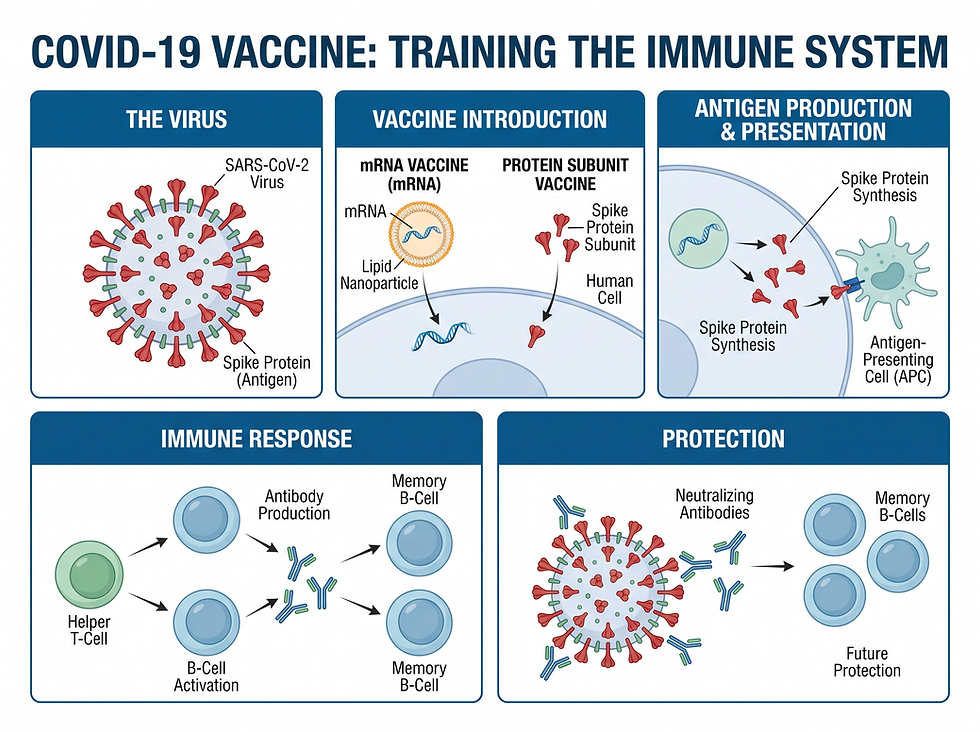
A COVID-19 vaccine is a medical treatment that prepares your immune system to defend against the virus that causes COVID-19. It works by introducing a harmless piece of the virus, or instructions to make one, so your body can build "memory" cells. This ensures that if you are exposed to the actual virus, your immune system can respond quickly and effectively, often preventing illness entirely or significantly reducing the severity of symptoms.
How COVID-19 Vaccines Protect You
The primary goal of COVID-19 vaccination is to build adaptive immunity without the risks associated with a natural infection. The vaccines focus on the "spike protein," which is the distinctive part of the virus that sticks out from its surface. By teaching the immune system to recognize this protein, the body can deploy specialized B-cells and antibodies to neutralize the virus before it can cause widespread damage.
Once vaccinated, your body maintains "memory B-cells" that act like a surveillance team. If the virus enters your body, these cells quickly identify it and produce the necessary tools to fight the infection. This proactive defense is why vaccinated individuals are much less likely to experience severe complications or require hospitalization compared to those who are unvaccinated.
Types of Available Vaccines
In the United States, there are two main types of updated COVID-19 vaccines currently available. Each uses a slightly different method to achieve the same goal of immune recognition. mRNA vaccines provide genetic instructions that your own cells use to temporarily produce a harmless version of the spike protein. Protein subunit vaccines, on the other hand, deliver a pre-made, harmless piece of the protein directly to your system.
Both technologies have undergone extensive clinical trials and safety reviews. While the delivery methods differ, both are highly effective at training the immune system to handle current variants of the virus. It is important to note that these vaccines do not contain the live virus and cannot give you COVID-19.
Comparison of COVID-19 Vaccine Technologies
Vaccine Type | Mechanism | Examples |
mRNA | Uses genetic instructions (mRNA) to teach cells to make spike proteins. | Moderna, Pfizer-BioNTech |
Protein Subunit | Delivers a harmless piece of the virus's spike protein directly. | Novavax |
Viral Vector | Uses a different, harmless virus to deliver genetic code (DNA). | No longer available in U.S. |
The Vaccination Procedure
Getting a COVID-19 vaccine is a straightforward outpatient procedure. For most adults and children, the injection is administered into the muscle of the upper arm. Before the appointment, it is recommended to avoid pre-emptive pain relievers like ibuprofen or acetaminophen, as they might slightly reduce the initial immune response, though they are perfectly safe to use afterward to manage side effects.
After receiving the shot, patients are typically asked to wait for approximately 15 minutes. This observation period allows healthcare providers to ensure there is no immediate allergic reaction, which is extremely rare. Staying "up to date" generally means receiving one updated shot, which is periodically adjusted to better match the most common circulating variants, similar to the annual flu vaccine.


Managing Side Effects and Safety
Like all medical treatments, COVID-19 vaccines can cause side effects as the immune system begins its "training" process. These effects are usually a sign that the vaccine is working and typically resolve within a day or two. The most common experiences include soreness at the injection site, a mild headache, or temporary fatigue.
Serious complications are exceptionally rare. Health authorities continue to monitor vaccine safety through extensive surveillance systems. For the vast majority of people, the benefits of protection against the potentially devastating effects of a COVID-19 infection far outweigh the risks of temporary discomfort from side effects.
Common Side Effects and Recovery
Side Effect | Typical Duration | Management Strategy |
Arm Soreness | 2–3 Days | Gentle movement, cool compress. |
Fatigue | 1–2 Days | Rest and hydration. |
Mild Fever | 1 Day | Over-the-counter pain relievers (post-shot). |
Headache | 1–2 Days | Hydration and quiet environment. |
Conclusion
COVID-19 vaccination remains one of the most effective tools for protecting individual and public health. By staying informed and keeping vaccinations up to date, individuals can significantly lower their risk of severe illness and contribute to the broader effort of managing the virus. The continuous refinement of vaccine technology ensures that we remain prepared for new variants as they emerge.
Consult Your Healthcare Provider
If you have questions about which vaccine is right for you or when you should receive your next dose, consult your primary care physician or a local pharmacist. They can provide personalized guidance based on your medical history and current health status.
Frequently Asked Questions
What is a COVID-19 vaccine?
It is a treatment that trains your immune system to recognize and fight the virus that causes COVID-19.
How does the vaccine work?
It teaches your body to identify the "spike protein" on the virus so it can respond quickly if exposed.
What is the difference between mRNA and protein subunit vaccines?
mRNA vaccines give instructions to make the protein; protein subunit vaccines deliver the protein directly.
Are the new shots considered boosters?
They are "updated vaccines" designed to target current variants, similar to how flu shots are updated annually.
What does it mean to be "up to date"?
Currently, it means having received one updated COVID-19 shot for most healthy adults.
What are the most common side effects?
Pain at the injection site, fatigue, headache, muscle aches, and mild fever.
How long do side effects usually last?
Most side effects resolve within 24 to 48 hours.
Can the vaccine give me COVID-19?
No, none of the authorized vaccines contain the live virus.
Should I take pain relievers before my shot?
It is generally recommended to wait until after the shot to treat side effects if they occur.
Why do I need to wait 15 minutes after the injection?
To ensure you do not have an immediate allergic reaction, which is very rare.
Where is the vaccine usually injected?
In the muscle of the upper arm for adults and older children.
Are the vaccines effective against new variants?
Yes, updated vaccines are specifically designed to recognize and fight newer strains like Omicron.
What are the rare complications of the vaccine?
Extremely rare risks include severe allergic reactions (anaphylaxis) or heart-related inflammation.
How long does the protection last?
Effectiveness is highest in the first few months, which is why periodic updates are recommended.
Is the vaccine safe for children?
Yes, clinical trials have confirmed the safety and efficacy of vaccination for children as young as six months.
Medical disclaimer: The information provided is for educational purposes only and should not be used as a substitute for professional medical advice, diagnosis, or treatment. Always seek the advice of your physician or other qualified health provider with any questions you may have regarding a medical condition.
Comments