Haemophilus influenzae (H. influenzae)

Updated: 3 days ago
Medically reviewed by Dr. Baraa Alnahhal, MD · Last reviewed: October 2026
Quick Answer
Haemophilus influenzae is a type of bacteria that commonly lives harmlessly in the nose and throat but can cause illness if it spreads [1] [2]. Infections are called invasive when the bacteria invade parts of the body that are normally free from germs [2]. The best-known severe form, Hib, mainly affects children under five [2]. It is treated with antibiotics and prevented by vaccination [1].
Key takeaways
Cause: Haemophilus influenzae bacteria, either encapsulated (types a through f) or non-typeable [1] [2].
Most severe type: Type b (Hib), which can cause invasive disease, mostly in unvaccinated or under-vaccinated children [2].
Higher-risk groups: Children under 5, adults over 65, and people with weakened immune systems [2] [3].
Transmission: Respiratory droplets from coughs and sneezes, and close contact [1]. People without symptoms can carry and spread the bacteria [1].
Common infections: Ear infections, bronchitis, pneumonia, and, less often, meningitis [1].
Prevention: Routine Hib vaccination, which protects only against type b, and preventive antibiotics for some close contacts of people with invasive Hib disease [1].
What the research says
Non-typeable strains now cause most invasive disease, and it is deadlier than Hib. In US surveillance from 2009 to 2015, invasive H. influenzae disease occurred at a mean of 1.70 cases per 100,000 people per year, highest in adults 65 and older (6.30) and infants under 1 year (8.45). Overall, 14.5% of cases were fatal. Non-typeable strains had the highest incidence (1.22) and case fatality (16%), compared with Hib (0.03; 4%). Incidence rose 16% compared with 2002 to 2008, driven by non-typeable strains and serotype a (Soeters et al., Clin Infect Dis, 2018) [3].
Newborns, pregnant women, and people with HIV are especially vulnerable. For invasive non-typeable disease in 2008 to 2019, average annual incidence was 1.3 per 100,000 overall, 5.8 among infants under 1 year, and 10.2 among adults 80 and older. Risk was 23 times higher in preterm than term neonates and 5.6 times higher in pregnant or postpartum than non-pregnant women. Among people with HIV aged 13 and older, incidence was 9.5 per 100,000 versus 1.1 in people without HIV (Oliver et al., Clin Infect Dis, 2023) [4].
Antibiotic resistance exists, but key treatments still work. Among 700 invasive isolates collected in 2016, 72.6% had reduced susceptibility to at least one antibiotic, and ampicillin resistance was found in 28.1%, mostly through a beta-lactamase gene. Fewer than 1% (3 isolates) had reduced susceptibility to third-generation cephalosporins, which are recommended for invasive disease, and all tested isolates were susceptible to rifampin, a preventive antibiotic (Potts et al., Microbiol Spectr, 2022) [5].
Understanding the Bacteria
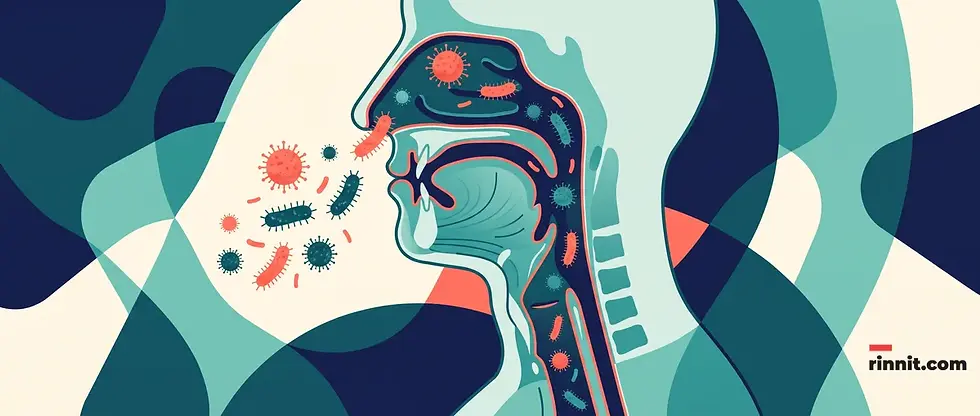
Haemophilus influenzae bacteria fall into two main groups: encapsulated (typeable) and non-encapsulated (non-typeable) [2]. Encapsulated bacteria have a protective outer covering that helps them resist the body's immune defenses [2]. They are divided into six types, labeled "a" through "f," and type b (Hib) is the one best known for severe disease [1].
Non-typeable strains lack this capsule. Many of them cause milder illnesses such as ear infections and bronchitis, but they now account for most H. influenzae disease in the United States, including invasive infections [4].
The Flu vs. H. influenzae
It is a common misconception that Haemophilus influenzae causes the flu. The flu is caused by the influenza virus, while H. influenzae is a bacterium [1] [2]. The bacterium got its name because scientists once mistakenly believed it caused influenza. It can, however, cause serious secondary infections in people who already have the flu.
Range of Infections and Symptoms
The symptoms of an H. influenzae infection depend on where in the body the bacteria spread.

Respiratory and Ear Infections
Invasive Diseases
Meningitis: Swelling of the lining of the brain and spinal cord, causing fever, headache, stiff neck, confusion, and sometimes seizures [2]. This can sometimes be fatal [2].
Epiglottitis: A medical emergency involving the flap of tissue at the back of the throat, with severe sore throat, drooling, trouble swallowing, and difficulty breathing [2].
Septicemia (bloodstream infection): Fever and chills, abdominal pain, nausea, diarrhea, confusion, and extreme fatigue [2].
Skin and Joint Infections
Who Is at Risk?
H. influenzae disease can affect anyone, but some groups are more likely to become seriously ill:
Young children who are unvaccinated or have not finished the vaccine series [2].
People with weakened immune systems, including those with HIV, sickle cell disease, or no spleen (asplenia), and people receiving chemotherapy or radiation or who have had a bone marrow transplant [2].
Newborns, especially those born preterm, and pregnant or postpartum women [4].
American Indian and Alaska Native children, who have higher rates of disease [3].
Management and Treatment

Early treatment is crucial, especially for invasive infections [2]. Treatment may include:
Antibiotics: H. influenzae is treated with antibiotics [1] [2], and the choice depends on the strain and the severity of the illness. Some strains can be resistant to certain antibiotics [2] [5].
Hospital care: Severe infections such as meningitis or epiglottitis need hospital treatment, which may include breathing support, medicine for low blood pressure, wound care for damaged skin, and drainage of an infected joint [2].
Supportive care: Pain relievers, fever reducers, and fluids help with recovery from milder infections.
The Power of Prevention
The most effective way to prevent Hib disease is the Hib vaccine, which is part of the routine childhood immunization schedule. It is usually given as three or four doses, starting at 2 months of age, with a booster between 12 and 15 months [2]. The CDC recommends Hib vaccination for all children younger than 5 [1]. Since the vaccine was introduced, severe Hib disease in the United States has fallen by more than 99% [2].
The Hib vaccine does not protect against other types of H. influenzae [1], so everyday habits such as handwashing and staying away from people who are sick still matter [1] [2]. Some close contacts of a person with invasive Hib disease may be given preventive antibiotics, and a healthcare provider or health department generally decides who needs them [1].
Conclusion
Haemophilus influenzae can cause serious and even life-threatening illness, but it is treatable with modern medicine and, in the case of Hib, largely preventable through vaccination. Keeping vaccinations up to date and getting prompt medical care for symptoms are the best ways to protect yourself and your family.
Frequently Asked Questions
Does H. influenzae cause the flu?
No. The flu is caused by a virus, while H. influenzae is a bacterium.
What does "invasive" mean?
It means the bacteria have entered parts of the body that are normally germ-free, such as the blood or the fluid around the brain.
What is Hib?
It stands for Haemophilus influenzae type b, the type best known for causing severe disease in young children.
Is there a vaccine?
Yes. The Hib vaccine is highly effective and is part of routine childhood vaccination, but it only protects against type b.
How is it transmitted?
Through respiratory droplets from coughing or sneezing, and through close or lengthy contact. People with the bacteria in their nose or throat can spread it even if they aren't sick.
Can adults get it?
Yes, especially adults over 65 and people with weakened immune systems.
What are the symptoms of meningitis?
Fever, headache, stiff neck, fatigue, nausea and vomiting, irritability, confusion, and sometimes seizures.
What is epiglottitis?
A life-threatening infection of the flap of tissue at the back of the throat that can block the airway.
How is it treated?
Mainly with antibiotics. Serious infections may also need hospital care.
Can it cause ear infections?
Yes. It is a common cause of ear infections (otitis media) in children.
Is it contagious?
Yes. The bacteria spread from person to person, especially through close contact.
Can healthy people carry it?
Yes. The bacteria often live in the nose and throat without causing illness.
What is non-typeable H. influenzae?
Strains that lack a protective capsule. They commonly cause milder infections such as ear infections and bronchitis, but they can also cause invasive disease.
Does the vaccine protect against all types?
No. The Hib vaccine only protects against type b.
What are the signs of septicemia?
Fever and chills, abdominal pain, nausea, vomiting, diarrhea, confusion, fatigue, and trouble breathing.
Can it cause pneumonia?
Yes. It is a recognized bacterial cause of lung infections.
What is septic arthritis?
A painful joint infection, usually caused by bacteria that spread through the blood.
How is it diagnosed?
Usually with lab tests on a sample of blood, spinal fluid, joint fluid, or other body fluid, starting with a Gram stain and often followed by a culture.
Who is at highest risk?
Unvaccinated young children, adults 65 and older, and people with conditions such as HIV, sickle cell disease, or no spleen. Rates are also higher among American Indian and Alaska Native children.
Can it be fatal?
Yes. Invasive disease such as meningitis can be fatal without prompt treatment.
What is the incubation period?
The exact time isn't known, but symptoms are thought to develop within a few days of infection.
Are antibiotics always needed?
Invasive infections always need antibiotics. For milder infections, such as some ear infections, your healthcare provider decides whether they are needed.
Can it cause skin infections?
Yes. It can cause cellulitis.
Is hospitalization always required?
No. It is usually needed only for severe, invasive infections.
Is H. influenzae resistant to antibiotics?
It can be. In a 2016 US survey of invasive isolates, about 28% were resistant to ampicillin, while nearly all remained susceptible to the antibiotics recommended for invasive disease.
Can I get it more than once?
Yes, you can get H. influenzae disease, including Hib disease, more than once.
Is it related to strep throat?
No. They are caused by different bacteria.
Does it affect the heart?
In rare cases it can cause endocarditis, an infection of the heart valves.
Can it cause sinus infections?
Yes. It is a common cause of bacterial sinus infections.
What is the "capsule" on the bacteria?
A protective outer layer that helps the bacteria evade the body's immune defenses, which is why encapsulated types like Hib can cause severe disease.
Why was it named "influenzae"?
Because it was once mistakenly thought to cause the flu.
Can pets carry it?
H. influenzae is a human pathogen, and pets are not known to spread it.
Is it more common in winter?
Like many respiratory infections, it may be more common in colder months.
Can it cause seizures?
Yes, if the infection leads to meningitis.
What is prophylaxis?
Preventive antibiotics given to close contacts of someone with invasive Hib disease. A healthcare provider or health department generally decides who needs them.
Is the vaccine safe?
Yes. It has been widely used and studied for decades.
Can it cause bronchitis?
Yes. It is a frequent cause of bacterial bronchitis, particularly in adults.
What if my child missed the Hib vaccine?
Talk to your pediatrician about a catch-up schedule.
Does it cause drooling?
Yes, in epiglottitis, because swallowing becomes too painful.
Can it affect the eyes?
Yes. It can cause bacterial conjunctivitis (pink eye).
What is asplenia?
Having no working spleen, which raises the risk of severe H. influenzae infection.
Can it cause a stiff neck?
Yes. A stiff neck is a classic sign of meningitis.
Is it a Gram-negative bacterium?
Yes. H. influenzae is a Gram-negative coccobacillus.
Can it cause difficulty swallowing?
Yes, particularly in epiglottitis.
What are the signs of an ear infection?
Ear pain, tugging at the ear, irritability, fever, poor sleep, drainage, and trouble hearing.
Can it cause wheezing?
Yes, if it leads to bronchitis or pneumonia.
How common is Hib today?
Very rare in vaccinated populations. Severe Hib disease has dropped by more than 99% in the United States since 1991.
Can it be treated at home?
Mild infections such as some ear infections may be managed at home with your provider's guidance, but invasive infections need hospital care.
What is the mortality rate?
About 3% to 6% of children with a Hib infection die from it. The outlook is much better with prompt treatment and vaccination.
Where can I get more information?
Consult the CDC or your local healthcare provider.
Related Reading
Epiglottitis: Symptoms, Causes, and Treatment explains the dangerous throat swelling that Hib can cause.
Bacterial Meningitis: What It Is, Why It's a Medical Emergency, and How Vaccines and Antibiotics Fight It covers the brain lining infection Hib once commonly caused in children.
Pneumococcal Disease: Types, Symptoms, Treatment, and Prevention describes another vaccine-preventable bacteria behind pneumonia and meningitis.
Ear Infections: Symptoms, Causes, and Treatment explains middle ear infections, often caused by nontypeable H. influenzae.
References
Centers for Disease Control and Prevention. About Haemophilus influenzae disease. CDC. Last reviewed September 22, 2025. https://www.cdc.gov/hi-disease/about/index.html
Cleveland Clinic. Haemophilus influenzae. Cleveland Clinic. Medically reviewed; last updated May 26, 2022. https://my.clevelandclinic.org/health/diseases/23106-haemophilus-influenzae
Soeters HM, Blain A, Pondo T, et al. Current epidemiology and trends in invasive Haemophilus influenzae disease: United States, 2009-2015. Clin Infect Dis. 2018;67(6):881-889. PMID: 29509834. https://doi.org/10.1093/cid/ciy187
Oliver SE, Rubis AB, Soeters HM, et al. Epidemiology of invasive nontypeable Haemophilus influenzae disease: United States, 2008-2019. Clin Infect Dis. 2023;76(11):1889-1895. PMID: 36722332. https://doi.org/10.1093/cid/ciad054
Potts CC, Rodriguez-Rivera LD, Retchless AC, et al. Antimicrobial susceptibility survey of invasive Haemophilus influenzae in the United States in 2016. Microbiol Spectr. 2022;10(3):e0257921. PMID: 35536039. https://doi.org/10.1128/spectrum.02579-21
Medical disclaimer
This article is for informational purposes only and is not a substitute for professional medical advice, diagnosis, or treatment. Always seek the advice of a qualified healthcare provider with any questions about a medical condition or before making decisions about treatment. Never disregard professional medical advice or delay seeking it because of something you have read here.



Comments