Dialysis Fistula (AV Fistula): A Guide to Long-Term Hemodialysis Access

Updated: 2 days ago
Medically reviewed by Dr. Baraa Alnahhal, MD · Last reviewed: September 2026
TL;DR
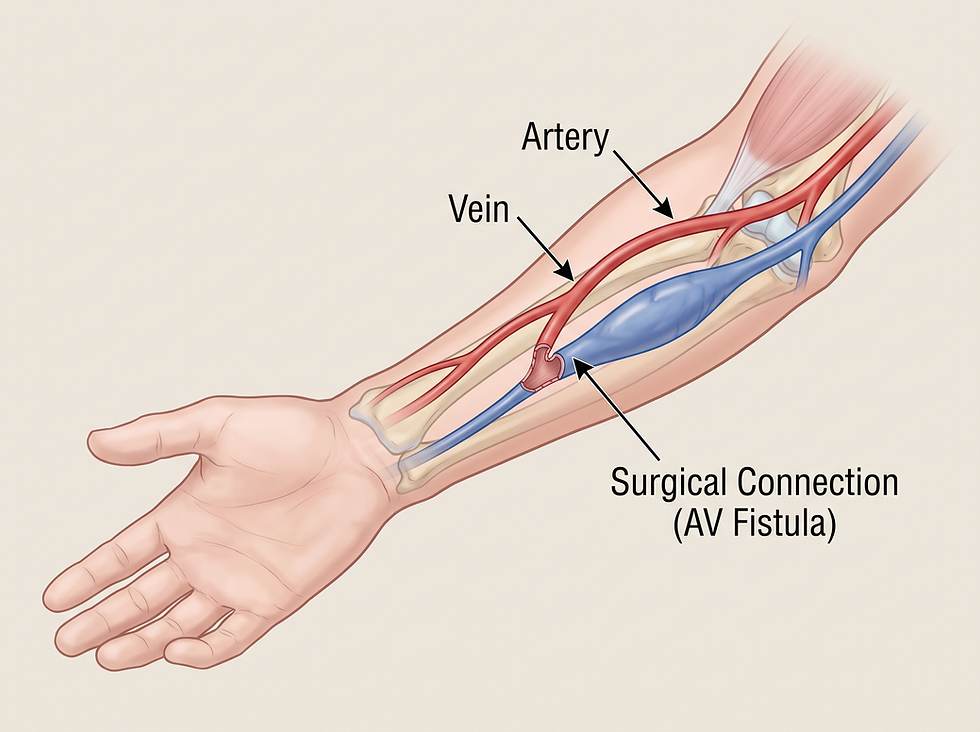
A dialysis fistula, also known as an arteriovenous (AV) fistula, is a surgically created connection between an artery and a vein, typically in the arm. It is designed to provide a reliable, high-flow access point for hemodialysis in patients with kidney failure. Known for its durability and low risk of complications like infection or clotting, the AV fistula is considered the most effective long-term solution for dialysis patients.
Quick Answer
An AV fistula is created by a vascular surgeon who joins an artery and a vein to strengthen the vein for dialysis needles. The minor procedure usually takes one to two hours and is performed on an outpatient basis. After surgery, the fistula requires several months to mature and thicken before it can be used. With proper daily monitoring and protection, a dialysis fistula can provide life-sustaining access for many years.
The Importance of Permanent Dialysis Access
For individuals managing end-stage renal disease (ESRD), establishing a reliable way to access the bloodstream is essential for successful hemodialysis. A dialysis fistula represents the most effective method for this access. By connecting an artery directly to a vein, surgeons create a high-pressure environment that causes the vein to grow larger and stronger over time. This maturation process allows the vein to withstand the frequent needle insertions required for regular dialysis treatments.
Compared to other options, such as dialysis grafts or catheters, the AV fistula offers significant long-term advantages. It is less likely to become blocked by blood clots and has a much lower incidence of infection. Because it uses the patient's own natural blood vessels rather than synthetic materials, the body is more likely to maintain the connection for an extended period, often lasting for years or even decades with appropriate care.
Surgical Techniques and Preparation
The creation of a dialysis fistula is a specialized procedure performed by a vascular surgeon. Before the surgery, an ultrasound is typically used to map the veins and arteries in the patient's arm, helping the surgeon select the most suitable site. The procedure is most commonly performed in the nondominant arm to minimize impact on the patient's daily activities. The surgical site is usually located at either the wrist or the elbow, depending on the patient's unique vascular anatomy.
During the procedure, which typically lasts between one and two hours, the surgeon makes a small incision to access the blood vessels. The selected artery and vein are then carefully joined. Patients usually receive a local anesthetic to numb the area, along with a mild sedative to ensure comfort. Because it is a minor, outpatient surgery, most patients are able to return home on the same day as the procedure.
Common Dialysis Fistula Techniques
Radiocephalic: connects the radial artery to the cephalic vein, typically in the wrist area.
Brachiocephalic: connects the brachial artery to the cephalic vein, typically in the upper arm or elbow.
Brachiobasilic: connects the brachial artery to the basilic vein, typically in the upper arm (transposed).
Maturation and Daily Monitoring
A critical phase of the dialysis fistula journey is the maturation period. After the surgery, the fistula must heal and strengthen for at least a few months before it can support the needles used during hemodialysis. During this time, the vein becomes visibly engorged as it adapts to the increased blood flow from the artery. Healthcare providers often recommend simple exercises, such as using a stress ball, to help stimulate this growth and ensure the fistula reaches the necessary size.
Once the fistula is mature, daily monitoring becomes a vital part of patient care. Patients are taught to check their fistula every day by feeling for a specific vibration, often described as a "thrill" or the purring of a cat. This vibration is a positive sign that blood is flowing correctly through the access point. If this sensation is absent or feels significantly different, it may indicate a blockage that requires immediate medical attention.

Protecting Your Dialysis Access
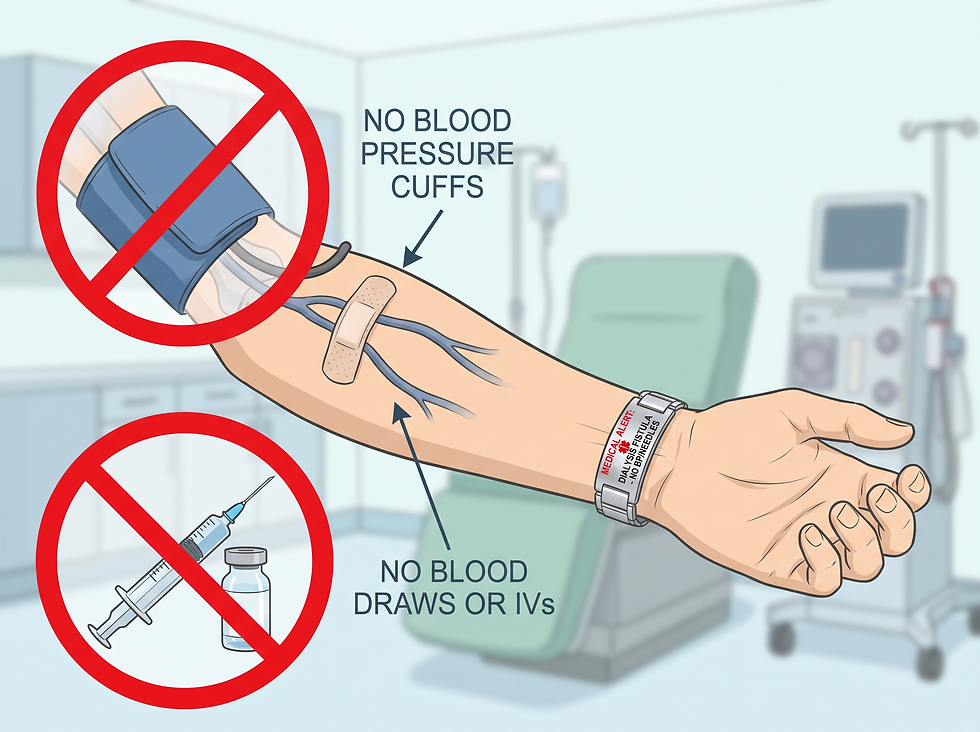
Because a dialysis fistula is a life-sustaining "lifeline," protecting it from injury and constriction is paramount. Patients must be mindful of any activity or clothing that could restrict blood flow to the affected arm. This includes avoiding tight jewelry, watches, or sleeves that might press against the fistula site. Additionally, it is essential to ensure that no medical procedures, such as blood pressure readings or blood draws, are performed on the arm containing the fistula.
Maintaining the health of the fistula also involves preventing accidental pressure during sleep. Patients should avoid lying on the access arm, as prolonged pressure can lead to clotting and fistula failure. Wearing medical alert jewelry is also highly recommended to inform emergency responders about the presence of the fistula, ensuring that the arm is protected during any necessary medical interventions.
Guidelines for Protecting Your AV Fistula
Daily check: feel for the "thrill" vibration to confirm active blood flow.
Medical procedures: no blood pressure cuffs or blood draws on the access arm, to prevent vessel damage or clotting.
Clothing and jewelry: avoid tight sleeves, watches, or bracelets to ensure unrestricted circulation.
Sleeping position: do not lie on the affected arm, to prevent accidental compression.
Medical alerts: wear a medical alert bracelet to inform providers in emergencies.
Conclusion
The dialysis fistula remains the gold standard for hemodialysis access due to its exceptional reliability and low risk of complications. While the procedure requires a period of maturation and diligent daily care, the long-term benefits for kidney health are unparalleled. By working closely with a vascular surgery team and following strict protection protocols, patients can ensure their fistula remains a functional and durable lifeline for many years to come.
Consult a Vascular Specialist
If you are approaching the need for hemodialysis, speak with your healthcare provider about scheduling a consultation with a vascular surgeon. Early planning is essential to allow your fistula the time it needs to mature before your first treatment.
Frequently Asked Questions
What is a dialysis fistula?
It is a surgically created connection between an artery and a vein used for dialysis access.
Why is it better than other access types?
It lasts longer and has a lower risk of infection and blood clots compared to grafts or catheters.
Is the surgery a major procedure?
No, it is a minor, outpatient surgery that usually takes one to two hours.
Where is the fistula usually located?
It is typically placed in the nondominant arm, either at the wrist or the elbow.
How long does it take to heal?
The fistula usually needs at least two to three months to mature before it can be used.
What does the "thrill" feel like?
It is a constant vibration or buzzing sensation, similar to the purring of a cat.
What if I can't feel the vibration?
Contact your healthcare provider immediately, as this could indicate a blockage.
Can I use my fistula arm for blood pressure checks?
No, you must never use the access arm for blood pressure cuffs or blood draws.
Is a dialysis fistula permanent?
It is not usually permanent, but it can last for many years or even decades with proper care.
Does the surgery require general anesthesia?
Most patients receive a local anesthetic and a sedative rather than being fully put to sleep.
Can I drive home after the surgery?
No, you will need someone to drive you home due to the sedative used during the procedure.
Will the fistula be visible under my skin?
Yes, once matured, the vein will appear larger and more prominent than a normal vein.
Are there any exercises to help the fistula grow?
Yes, providers often recommend stress ball exercises to help expand the vein.
What are the most common risks?
Risks include infection, blood clots (thrombosis), and narrowing of the vessel (stenosis).
Should I wear medical alert jewelry?
Yes, it is highly recommended to inform emergency personnel about your dialysis access.
Medical Disclaimer: The information provided is for educational purposes only and should not be used as a substitute for professional medical advice, diagnosis, or treatment. Always seek the advice of your physician or other qualified health provider with any questions you may have regarding a medical condition.
Comments