
Chemical Castration: Understanding Hormone Therapy for Cancer Treatment

Updated: 2 days ago
Medically reviewed by Dr. Baraa Alnahhal, MD · Last reviewed: September 2026
TL;DR
Chemical castration, also known as medical castration or hormone therapy, is a medical treatment used to stop the production of sex hormones that fuel certain types of cancer. By utilizing injections, implants, or oral medications, this therapy helps manage hormone-sensitive prostate and breast cancers, offering a reversible alternative to surgical intervention while requiring ongoing monitoring for side effects like hot flashes and bone density loss.
Quick Answer
Chemical castration is a therapeutic approach that uses drugs to stop the body from producing or using sex hormones like testosterone and estrogen. It is primarily used to treat prostate and breast cancers that depend on these hormones to grow. Unlike surgical castration, the effects are usually reversible once treatment stops. Medications are administered via injections, implants, or pills, with the goal of shrinking tumors or slowing their progression by cutting off their hormonal fuel supply.
Understanding Chemical Castration
Chemical castration is a form of systemic therapy designed to lower the levels of sex hormones in the body. In the context of oncology, this treatment is often referred to as androgen deprivation therapy (ADT) for prostate cancer or endocrine therapy for breast cancer. The fundamental principle is to “starve” cancerous tumors that rely on hormones like testosterone or estrogen to multiply and spread.
While the term “castration” may sound severe, in a medical setting, it refers specifically to the suppression of hormonal function rather than the physical removal of organs. This treatment is a cornerstone of care for patients with advanced or hormone-sensitive cancers, providing a way to control the disease when it has spread beyond its original site or as a supplemental treatment alongside surgery or radiation.
How the Treatment Works
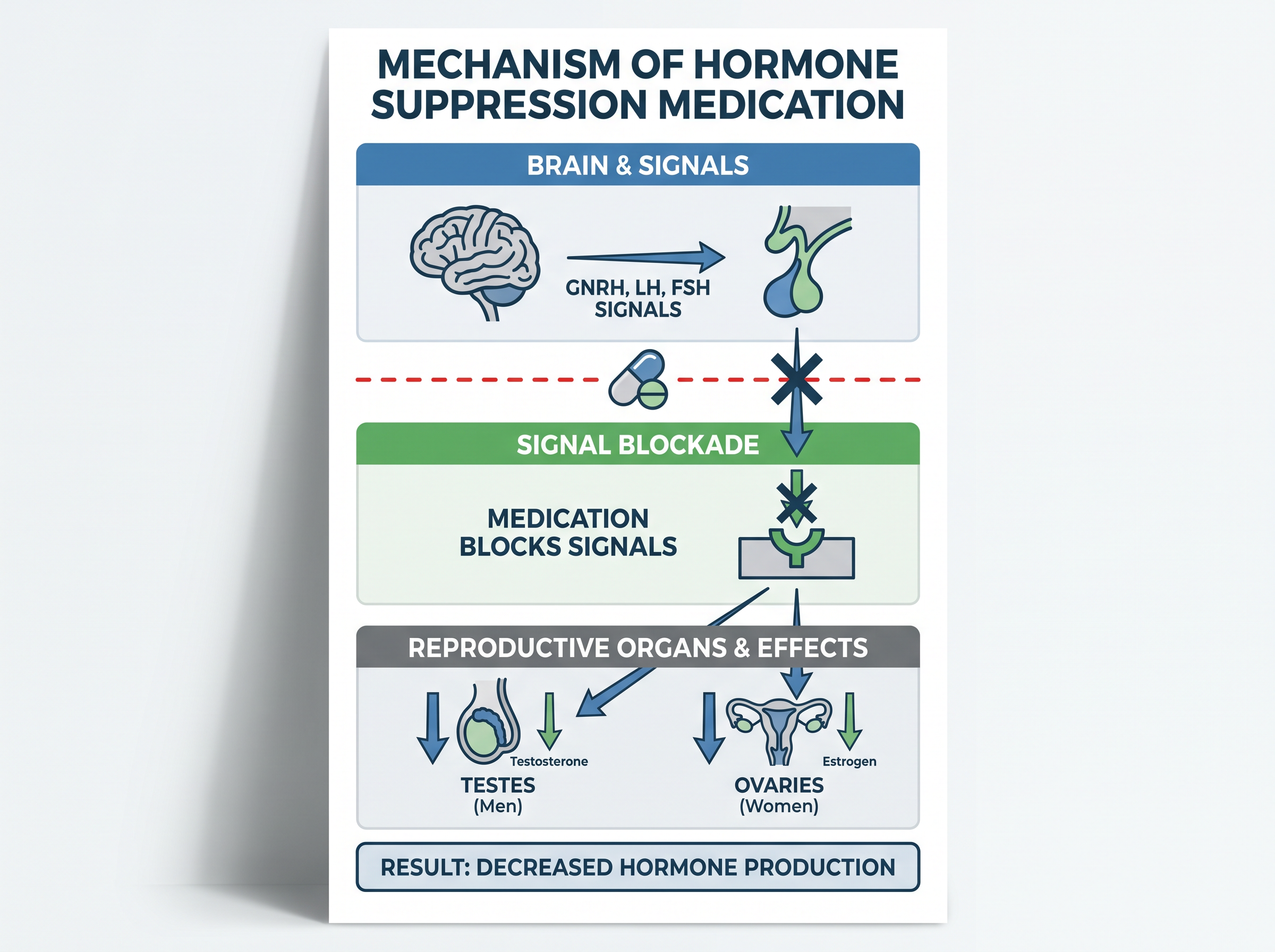
The mechanism of chemical castration depends on the specific type of cancer being treated and the patient's biological profile. For prostate cancer, the focus is on reducing androgens, which are the primary drivers of prostate cell growth. For breast cancer, the goal is to block the effects of estrogen or progesterone on breast tissue.
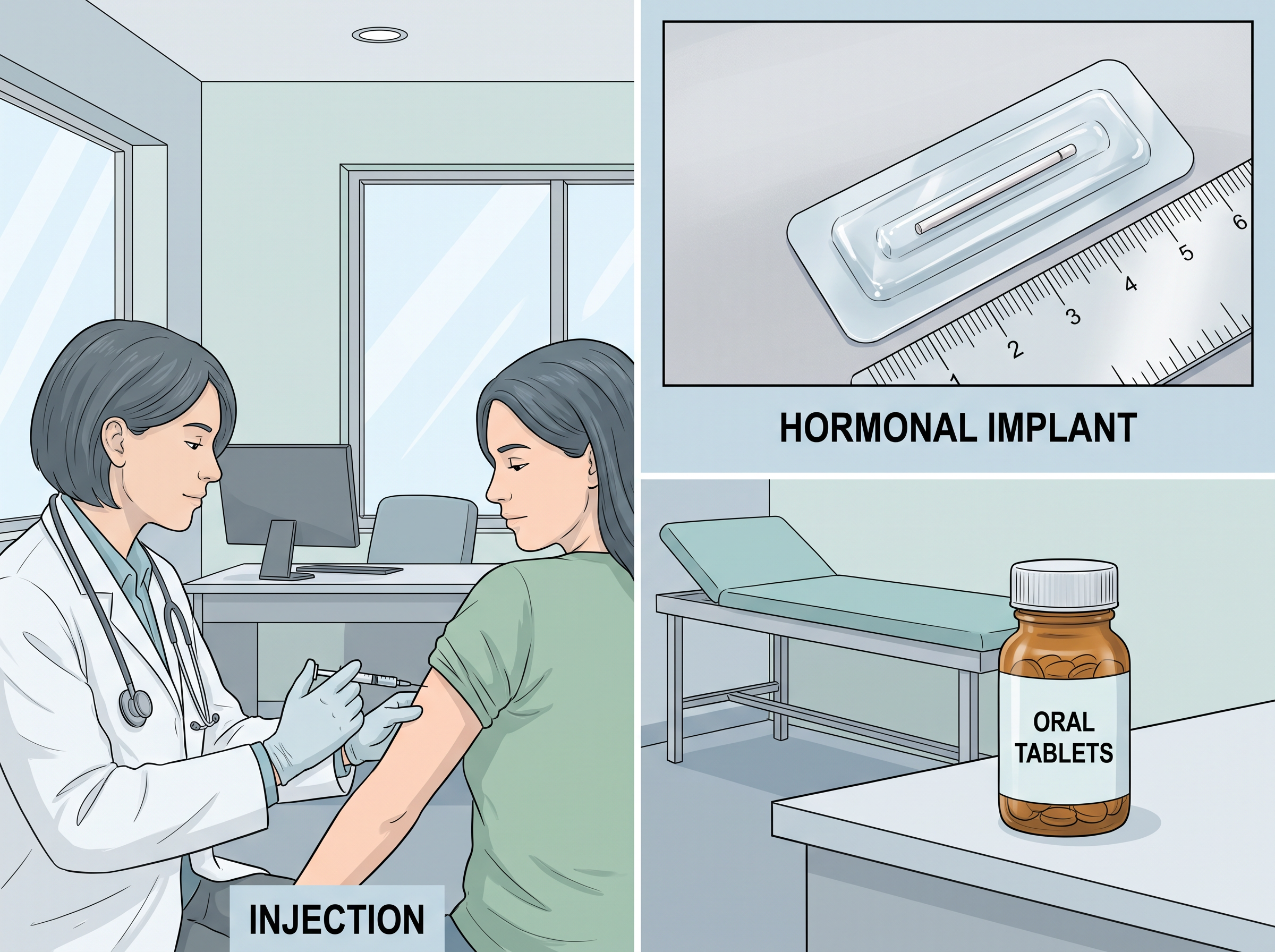
Healthcare providers achieve this through several pharmacological pathways. Some drugs signal the brain to stop the production of hormones at the source, while others act as blockers, preventing the cancer cells from being able to “detect” or use the hormones already circulating in the bloodstream. The administration of these drugs is highly personalized, with some patients receiving monthly injections and others taking daily oral tablets.
Common Drug Categories for Hormone Suppression
Category | Primary Action | Common Examples |
|---|---|---|
GnRH Agonists | Stops the brain from signaling hormone production. | Leuprolide, Goserelin |
GnRH Antagonists | Directly prevents hormone production without a flare. | Degarelix, Relugolix |
Antiandrogens | Blocks cancer cells from using testosterone. | Bicalutamide, Enzalutamide |
Aromatase Inhibitors | Prevents estrogen production in postmenopausal women. | Anastrozole, Letrozole |
SERMs | Blocks estrogen receptors in breast tissue. | Tamoxifen |
To learn more about how one of these drug classes works in breast cancer, read our guide to aromatase inhibitors.
Applications in Cancer Care
Chemical castration is most frequently utilized in the treatment of prostate cancer, where it can be used as a primary treatment, a way to shrink tumors before radiation, or a long-term management strategy for metastatic disease. In breast cancer, it is often used in premenopausal women to suppress ovarian function or in postmenopausal women to block estrogen production from other tissues.
One of the significant advantages of chemical castration over surgical options, such as an orchiectomy (removal of the testicles) or an oophorectomy (removal of the ovaries), is its reversibility. If the treatment is no longer needed or if side effects become unmanageable, stopping the medication usually allows the body's natural hormone production to return to its baseline levels over time.
Managing Side Effects
Because sex hormones play a vital role in many bodily functions beyond reproduction, their suppression can lead to a range of side effects. These effects are a direct result of the body entering a state similar to menopause or andropause.
Common side effects include hot flashes, night sweats, and a significant decrease in sexual desire or function. Long-term use can also affect bone health, leading to a loss of bone density and an increased risk of fractures. Many patients also report changes in mood, such as depression or increased fatigue. Fortunately, many of these symptoms can be managed with lifestyle changes, supplemental medications, or adjustments to the treatment schedule.

Side Effects and Management Strategies
Side Effect | Potential Impact | Management Approach |
|---|---|---|
Hot Flashes | Sudden feelings of warmth and sweating. | Dressing in layers, avoiding triggers, medications. |
Bone Density Loss | Increased risk of osteoporosis and fractures. | Calcium/Vitamin D supplements, weight-bearing exercise. |
Libido Changes | Reduced interest in sexual activity. | Open communication with partners and providers. |
Mood Changes | Increased risk of depression or irritability. | Counseling, support groups, antidepressant therapy. |
Conclusion
Chemical castration remains a powerful and essential tool in the oncology toolkit. By effectively cutting off the fuel supply for hormone-sensitive cancers, it allows many patients to achieve long-term remission or significant slowing of their disease. While the side effects can be challenging, the benefits of systemic control often make it a preferred choice for those navigating a cancer diagnosis.
Consult Your Medical Team
If you are considering hormone therapy, it is important to discuss the potential benefits and risks with your oncologist. They can help you understand which specific medications are best suited for your diagnosis and how to manage any symptoms that may arise during treatment.
Frequently Asked Questions
What is chemical castration?
It is the use of medications to stop the body from producing or using sex hormones that fuel cancer.
Is chemical castration permanent?
No, unlike surgery, the effects are usually reversible once the medication is stopped.
What cancers are treated with this therapy?
It is primarily used for hormone-sensitive prostate and breast cancers. For more on one of these drug classes, see our guide to aromatase inhibitors.
How is the medication administered?
It can be given through injections, implants under the skin, or oral pills.
What is a “testosterone flare”?
A temporary spike in testosterone levels that can occur when starting certain GnRH agonists.
What are the most common side effects?
Hot flashes, decreased libido, fatigue, and bone density loss are common.
Does chemical castration affect bone health?
Yes, long-term suppression of sex hormones can lead to weakened bones and osteoporosis.
Can it be used alongside other treatments?
Yes, it is often combined with radiation therapy or used after surgery to prevent recurrence. Read more about prostate cancer recurrence.
What is the difference between medical and surgical castration?
Medical castration uses drugs and is reversible; surgical castration involves organ removal and is permanent.
How long does the treatment last?
The duration varies; it can be used for a few months or for many years depending on the cancer stage.
Does the treatment cause depression?
Hormonal changes can increase the risk of mood swings and clinical depression in some patients.
Are there dietary restrictions during treatment?
Generally no, but a healthy diet rich in calcium and vitamin D is often recommended for bone health.
Can chemical castration be used for non-cancerous conditions?
While its primary medical use is for cancer, it is sometimes used for other specialized hormonal conditions.
What happens if the cancer stops responding to the treatment?
This is known as castration-resistant cancer, and healthcare providers will switch to different therapies.
How often will I need to see my doctor during treatment?
Regular monitoring is required, often every few months, to check hormone levels and manage side effects.
Related Reading
Medical Disclaimer
The information provided is for educational purposes only and should not be used as a substitute for professional medical advice, diagnosis, or treatment. Always seek the advice of your physician or other qualified health provider with any questions you may have regarding a medical condition.
Comments