What Is Arthritis of the Knee? Symptoms, Types, and Treatment

Updated: 3 days ago
Medically reviewed by Dr. Baraa Alnahhal, MD · Last reviewed: October 2026
Quick Answer: What is arthritis of the knee?
Arthritis of the knee is a disease that causes pain, swelling and stiffness in the knee joint [1], usually because the cushioning cartilage wears down or becomes inflamed. Treatment cannot cure it but can ease symptoms and slow it [1], and most people manage for years with exercise, weight loss, braces and medication before surgery is needed.
Key Takeaways
Knee arthritis damages the cartilage that cushions the joint, leaving bone to grind against bone. [1]
Osteoarthritis is the most common type; rheumatoid, juvenile idiopathic, gout, and post-traumatic arthritis also affect the knee. [1]
Symptoms include pain, swelling, stiffness, buckling, and grinding or clicking noises — sometimes worse in cold, wet weather. [1]
Low-impact exercise, physical therapy, and even modest weight loss make a big difference. [1]
Surgery is only considered when other treatments fall short, ranging from arthroscopy to full knee replacement. [1]
What the research says
According to PubMed:
Exercise reduces knee osteoarthritis pain, and the benefit lasts. A Cochrane review pooling 44 trials found that land-based exercise reduced pain by 12 points on a 100-point scale (95% CI 10 to 15) and improved physical function by 10 points (95% CI 8 to 13) right after treatment, with pain still reduced by 6 points (95% CI 3 to 9) two to six months after formal treatment ended (Fransen et al., Br J Sports Med, 2015) [4].
Weight loss plus exercise worked better than exercise alone. In an 18-month randomized trial of 454 overweight and obese adults aged 55 and older with knee osteoarthritis, those who lost an average of 11.4% of their body weight with diet plus exercise reported less pain (3.6 versus 4.7 on a 0–20 scale) than those who only exercised, who lost 2.0% (Messier et al., JAMA, 2013) [5].
Guidelines strongly back several non-surgical options. The American College of Rheumatology and Arthritis Foundation guideline made strong recommendations for exercise, weight loss in people with knee or hip osteoarthritis who are overweight or obese, cane use, tibiofemoral bracing, topical NSAIDs for knee osteoarthritis, and intra-articular glucocorticoid injections for knee osteoarthritis (Kolasinski et al., Arthritis Rheumatol, 2020) [6].
Study details are from PubMed abstracts.

What Is Arthritis of the Knee?
Arthritis is a disease that causes pain, swelling, and stiffness in your joints. [1] It most often affects the larger joints in your body that take the most stress — like the knee joints. [1] So it is common to get arthritis in one or both of your knees, especially as you get older. [1]
Arthritis of the knee affects the cartilage in your joint. [1] Cartilage is what cushions the bones and allows them to move smoothly against each other. [1] When the cartilage wears away, you are left with bone grinding against bone [1] — which is what causes pain, swelling, and stiffness.
Arthritis of the knee can be a serious, debilitating condition. [1] But treatments can help ease your symptoms and slow down the progression of the disease. [1]
What Types of Arthritis Occur in the Knee?
Over 100 types of arthritis can affect the knees, including spondyloarthritis, gout, post-traumatic arthritis, infectious arthritis and reactive arthritis. [1] The most common types include:
Type of Knee Arthritis | How It Develops |
Osteoarthritis | |
Rheumatoid arthritis | |
Juvenile idiopathic arthritis |
Other types of arthritis that can affect the knee include spondyloarthritis, gout, post-traumatic arthritis, infectious arthritis, and reactive arthritis. [1]
What Are the Signs and Symptoms of Knee Arthritis?
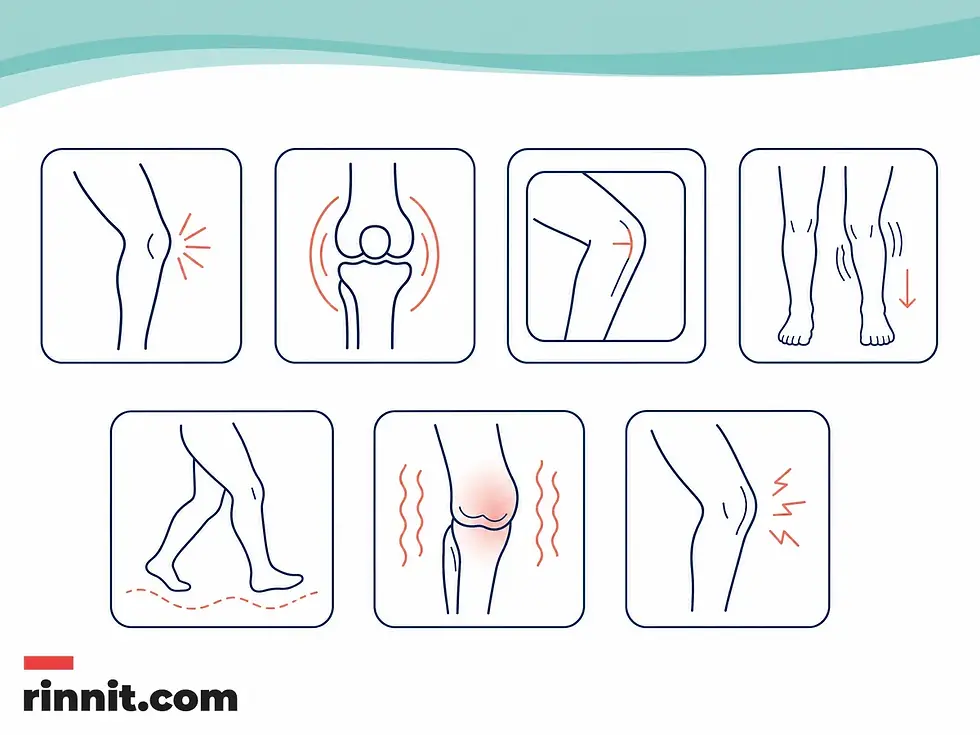
Knee arthritis usually starts with pain and swelling, and other symptoms may develop later as the disease progresses. [1]
Symptom | What It Looks or Feels Like |
Joint pain | Aches in the knee that may vary with the weather [1] |
Joint swelling | |
Stiffness and locking | |
Weakness and buckling | |
Difficulty walking [1] | Walking becomes harder over time |
Skin warmth and discoloration | The skin over the knee feels hot and may change color [1] |
Creaking, clicking, grinding |
Early knee arthritis symptoms usually include pain and swelling. [1] Other symptoms may develop later as the disease progresses. [1] Treatment can help relieve your symptoms and stop them from getting worse. [1]
Some people notice their knee pain more on cold, rainy days. [1] Some believe climate conditions like temperature, humidity, and barometric pressure affect their joint pain [1] — whatever the reason, it is a pattern many people with knee arthritis recognize.
Is Knee Pain Always Arthritis?
Not always. Knee pain has many causes, and you can strain your knee by working it too hard. [1] Repetitive strain injuries, like runner's knee, may cause similar pain and swelling. [1] But you can often connect those injuries to a recent event or activity. [1] In contrast, knee arthritis symptoms often start so gradually that you are not sure when they began or where they came from. [1]
Grinding and creaking sensations are more typical of arthritis, although some sports injuries, such as a torn meniscus, can also cause clicking, catching or locking. [1] Those symptoms come from the bones in your joint. [1]
What Causes Arthritis in the Knee?
Different types of knee arthritis have different root causes, but they all lead to the same end. [1] Inflammation in the joint tissues causes pain and swelling, and damage to the cartilage makes things worse. [1]
Knee arthritis is either degenerative or inflammatory:
Category | Example | How It Works |
Degenerative | Osteoarthritis | Regular use of the knee over time wears the cartilage down, and the loss of cartilage then causes inflammation. [1] |
Inflammatory | Rheumatoid arthritis | The immune system starts the inflammation first, and that inflammation breaks down the cartilage. [1] |
You may be more likely to get arthritis in your knee if you:
Risk Factor | Detail |
Over age 50 [1] | Risk increases with age |
Obesity or extra weight [1] | Extra weight carried while walking stresses the knees |
Knee-stressing job | |
Previous knee injury | A knee injured badly or more than once [1] |
Anatomical difference | A structural difference in the knee joint [1] |
Family history | Relatives with autoimmune disease [1] |
How Is Knee Arthritis Diagnosed?
A healthcare provider starts by physically examining your knee joint and asking about your symptoms. [1] Then they will usually order a knee X-ray, which typically shows evidence of knee arthritis. [1] [2]
In some cases, your provider might order an MRI or CT scan to take a closer look. [1] [2] If they suspect an inflammatory type of arthritis, they might order blood tests to help make the diagnosis. [1]
How Is Arthritis in the Knee Treated?
Knee arthritis has no cure, but treatment can ease symptoms and slow the progression of the disease. [1] Providers take a multipronged approach — medications, lifestyle changes, and surgery when necessary. [1]
Lifestyle Changes
Lifestyle Change | How It Helps |
Low-impact exercise | Swap high-impact activities for low-impact ones, but do not stop moving. [1] |
Physical therapy | Specific exercises strengthen the muscles that support your knee, taking stress off the joint, stabilizing it, and preserving balance. [1] |
Losing weight | Knees bear a large portion of body weight — even losing a little can make a big difference. [1] |
Orthotics and orthoses | Shoe inserts or knee braces support the joint when you walk. [1] |
Using a cane | Assistive walking devices take stress off the knee and add balance. [1] |
Acupuncture | Not proven to help, but a low-risk complementary therapy some people feel relieves knee pain. [1] |
Medications
Medication | How It Helps |
NSAIDs | Over-the-counter anti-inflammatory drugs are a key part of pain relief, but heavy reliance brings side effects. [1] |
COX-2 inhibitors | A selective type of NSAID with fewer gastrointestinal side effects. [1] |
Topical pain relievers | Hot/cold therapy, herbal treatments like arnica, or topical NSAID lotions — sometimes safer than pills. [1] |
Acetaminophen | A non-NSAID over-the-counter pain reliever you can rotate with other options. [1] |
Cortisone shots | Periodic steroid injections into the joint can offer temporary pain relief. [1] |
Therapeutic injections | Platelet-rich plasma and knee gel shots (viscosupplementation) are sometimes offered, but the American College of Rheumatology recommends against them for knee osteoarthritis. [1] |
Supplements | Glucosamine and chondroitin are cartilage building blocks; not proven, but some people feel they help. [1] |
DMARDs | Disease-modifying drugs that treat inflammatory types of knee arthritis by suppressing autoimmune inflammation. [1] |
Many people successfully treat their knee arthritis without surgery for years, if not forever. [1] Even if you eventually need surgery, these treatments remain important to your plan. [1]

When Is Surgery Needed?
Surgery for knee arthritis may be suggested when other treatments are not doing enough to manage symptoms. [1] Knee arthritis surgeries range from minor to major procedures: [1]
Surgery Type | What It Does |
Knee arthroscopy | A minimally invasive procedure using small incisions to make small repairs, such as removing damaged tissue. [1] |
Knee osteotomy | Surgery on the bones to realign them if the joint bones are misaligned — a contributing factor in knee arthritis. [1] |
Partial knee replacement | Replaces only the damaged compartment; the knee has three compartments, and arthritis may affect just one. [1] |
Total knee replacement | Replaces the whole joint with a prosthesis when arthritis has damaged too much of the knee; relieves pain and restores mobility. [1] |
Does Knee Arthritis Ever Go Away?
Knee arthritis never fully goes away, because it is a lifelong condition with no cure. [1] But treatment can relieve some of the symptoms, and might even slow down or stop the disease from getting worse. [1] While knee damage from arthritis is not reversible, surgeons can remove and replace damaged tissues if necessary. [1] Joint replacement surgery can reduce the effect arthritis has on your knee, and on your life. [1]
What Can I Do to Lower My Risk?
Arthritis is not an inevitable part of aging, but some wear and tear on your knees is. [1] Some occupations and lifestyles put more stress on the knees than others. [1] If you have risk factors, you might reduce those risks by reconsidering how you exercise, the work you do, or the weight you carry. [1]
How Can I Take Care of Myself Living with Knee Arthritis?
Healthcare providers agree that regular, low-impact exercise is the most important thing you can do. [1] Walking, biking, yoga, and swimming are all good options. [1] Exercise keeps blood flowing and fluids moving through your tissues to help prevent stiffness, and specific exercises strengthen the supporting muscles that stabilize your knee and take stress off the joint. [1]
Conclusion: You Can Keep Moving — Even With Knee Arthritis
Arthritis of the knee is one of the most common reasons adults lose mobility as they age. It begins quietly — a dull ache after walking, stiffness in the morning, a creak or grind when you stand — and develops gradually, which is exactly why so many people put off doing anything about it.
But knee arthritis is highly manageable. The most powerful tools are the ones that require no prescription: low-impact exercise, modest weight loss, and physical therapy to strengthen the muscles that support the joint. Medications and injections add relief when needed, and surgery remains a last resort that only some people ever require. [1] If your knee pain is getting worse, that is the signal to act now — earlier treatment means better outcomes. [2]
Ready to take the first step? If knee pain, swelling, or stiffness lasts more than a week or makes walking harder, talk with a healthcare provider about diagnosis and a treatment plan. For more clear, verified health information, explore the rest of Rinnit.com — start with our guides on knee pain and physical therapy.
Want to share this information visually? Rinnit.com's health infographic templates make it easy to turn articles like this one into shareable visuals for your website, newsletter, or social channels.
FAQ
What is arthritis of the knee?
Arthritis of the knee is a disease that causes pain, swelling, and stiffness in the knee joint. [1] It most often affects large, weight-bearing joints like the knees, especially as people get older [1], and it happens when the cartilage that cushions the joint wears down or becomes inflamed.
What is the most common type of knee arthritis?
Osteoarthritis is the most common type. [1] [2] It is a wear-and-tear condition that develops when the cartilage in the knee joint gradually wears down over years of regular use. [1]
What does knee arthritis feel like?
The most common symptoms are pain, swelling, stiffness, weakness or buckling, difficulty walking, skin warmth, and creaking, clicking, or grinding noises in the joint. [1] Some people notice the pain more on cold, rainy days. [1]
How is knee pain different from knee arthritis?
Strains and repetitive injuries like runner's knee usually connect to a recent event or activity and cause soft-tissue pain. [1] Knee arthritis starts gradually without a clear trigger, and causes noises and grinding that come from the bones inside the joint — symptoms soft-tissue injuries do not produce. [1]
Who is most at risk for knee arthritis?
Risk is higher if you are over 50, carry extra weight, have a job that stresses the knees, have injured your knee badly or more than once, have an anatomical difference in the knee joint, or have a family history of autoimmune disease. [1]
How is knee arthritis diagnosed?
A healthcare provider examines the knee and usually orders a knee X-ray, which typically shows evidence of arthritis. [1] [2] An MRI or CT scan may be ordered for a closer look, and blood tests help diagnose inflammatory types. [1]
Can knee arthritis be treated without surgery?
Yes. Most people manage knee arthritis without surgery for years, if not forever, using low-impact exercise, physical therapy, weight loss, braces, canes, and medications such as NSAIDs, cortisone shots, and therapeutic injections.
Does exercise make knee arthritis worse?
No — regular low-impact exercise is the most important self-care step. [1] Walking, biking, yoga, and swimming keep blood and fluids moving to prevent stiffness and strengthen the muscles that support and stabilize the knee. [1]
What are the surgical options for knee arthritis?
Surgeries range from minor to major: knee arthroscopy (small repairs through tiny incisions), knee osteotomy (realigning the bones), partial knee replacement (one damaged compartment), and total knee replacement (replacing the whole joint with a prosthesis). [1]
Will knee arthritis ever go away?
No — there is no cure, and knee arthritis is a lifelong condition. [1] But treatment relieves symptoms, may slow or stop the progression [1], and joint replacement surgery can greatly reduce its effect on your knee and your life.
References
Cleveland Clinic. Arthritis in Knee. Cleveland Clinic. November 20, 2024. https://my.clevelandclinic.org/health/diseases/21978-arthritis-of-the-knee
Cleveland Clinic. Knee Osteoarthritis. Cleveland Clinic. January 30, 2025. https://my.clevelandclinic.org/health/diseases/21750-osteoarthritis-knee
Cleveland Clinic. Rheumatoid Arthritis. Cleveland Clinic. November 6, 2024. https://my.clevelandclinic.org/health/diseases/4924-rheumatoid-arthritis
Fransen M, McConnell S, Harmer AR, et al. Exercise for osteoarthritis of the knee: a Cochrane systematic review. Br J Sports Med. 2015;49(24):1554-1557. PMID 26405113. https://doi.org/10.1136/bjsports-2015-095424
Messier SP, Mihalko SL, Legault C, et al. Effects of intensive diet and exercise on knee joint loads, inflammation, and clinical outcomes among overweight and obese adults with knee osteoarthritis: the IDEA randomized clinical trial. JAMA. 2013;310(12):1263-1273. PMID 24065013. https://doi.org/10.1001/jama.2013.277669
Kolasinski SL, Neogi T, Hochberg MC, et al. 2019 American College of Rheumatology/Arthritis Foundation guideline for the management of osteoarthritis of the hand, hip, and knee. Arthritis Rheumatol. 2020;72(2):220-233. PMID 31908163. https://doi.org/10.1002/art.41142
Related Reading
Disclaimer: This article is for informational purposes only and is not medical advice. Always consult a qualified healthcare provider for diagnosis and treatment decisions.
Learn more in our guide to Genicular Artery Embolization (GAE) for Knee Osteoarthritis: How It Works, Procedure and Recovery.
Knee X-Ray: Why It's Done, What It Shows and What to Expect explains the X-ray used for knee injuries, pain and arthritis.



Comments